
Paris, 1923 — the epicenter of art and progress
Categories: Culture | Europe | History
By Pictolic https://pictolic.com/article/paris-1923-the-epicenter-of-art-and-progress.htmlThe author of these unique historical photographs by Jules Gervais-Kurtelson (Jules Gervais-Courtellemont). He was born in 1863 in the suburb of Paris, grew up in Algeria and toured the middle East and North Africa, photographing everything I saw.
Gervais-Kurtelson was one of the first photographers who worked with autochromes is the oldest process of color photography, which was patented by the Lumiere brothers in 1903. Autochrom used granules of potato starch dyed red, green and blue paint, as filters, as well as the complex development process, bringing out the illusive "point" color photographs.
In January 1923 Gervais-Kurtelson returned to his native Paris to shoot the main attractions and city living a period of economic growth and optimism after the First world war.
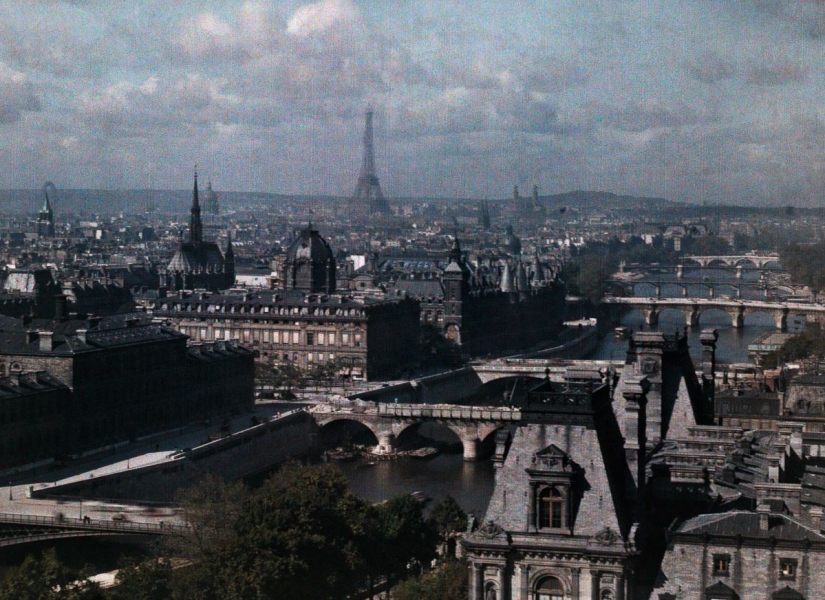
View of Paris from the Church of Saint-Gervais
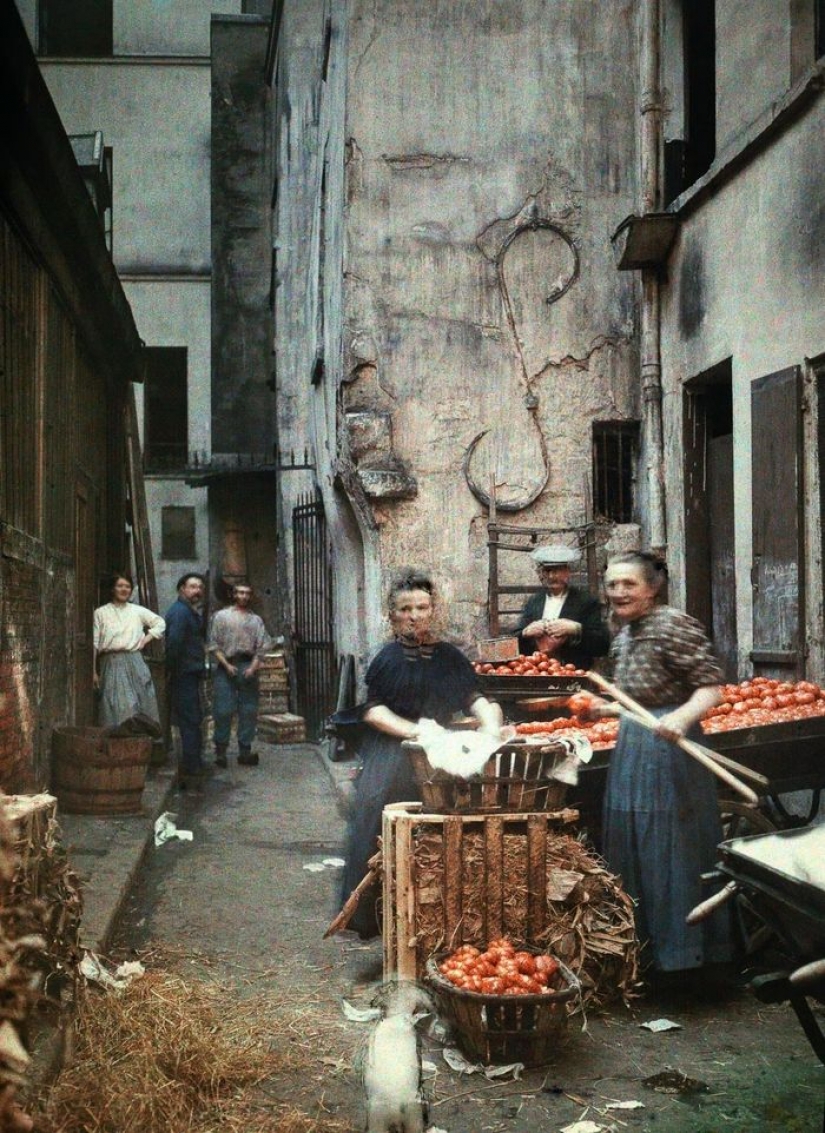
In the back streets of old Paris
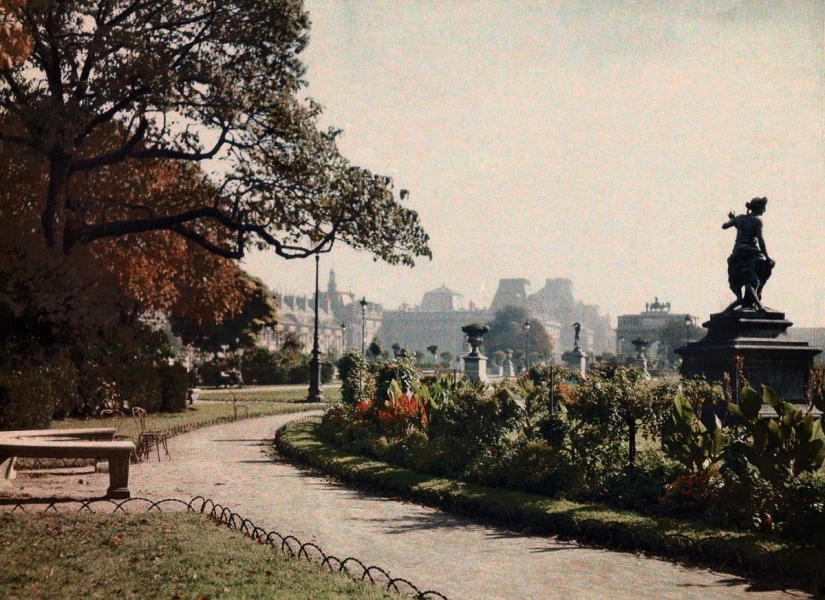
The Tuileries Garden
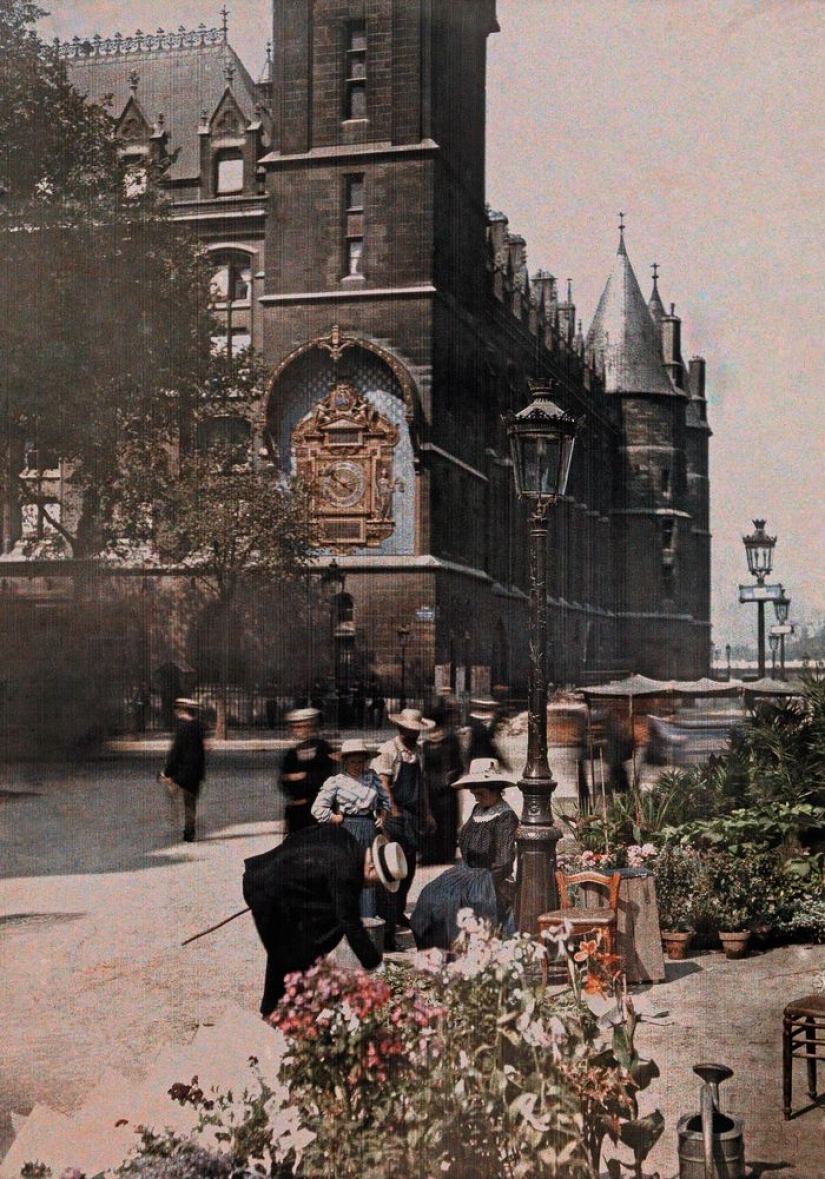
Flower market near Chatelet
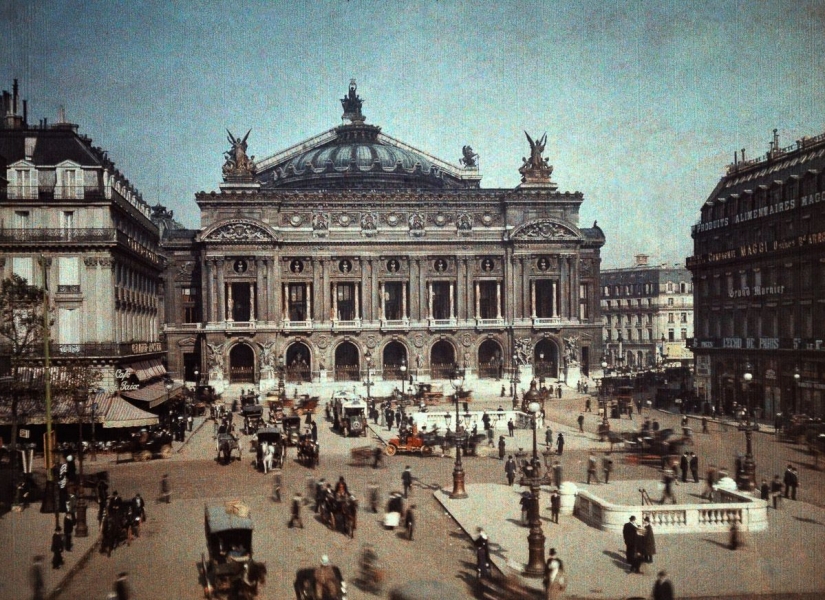
Opera Garnier
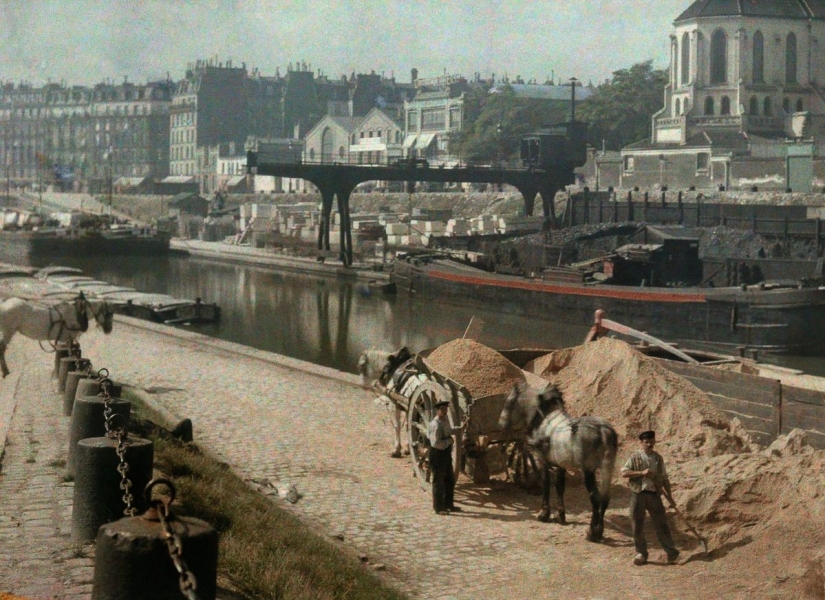
The workers and horses on the banks of the river
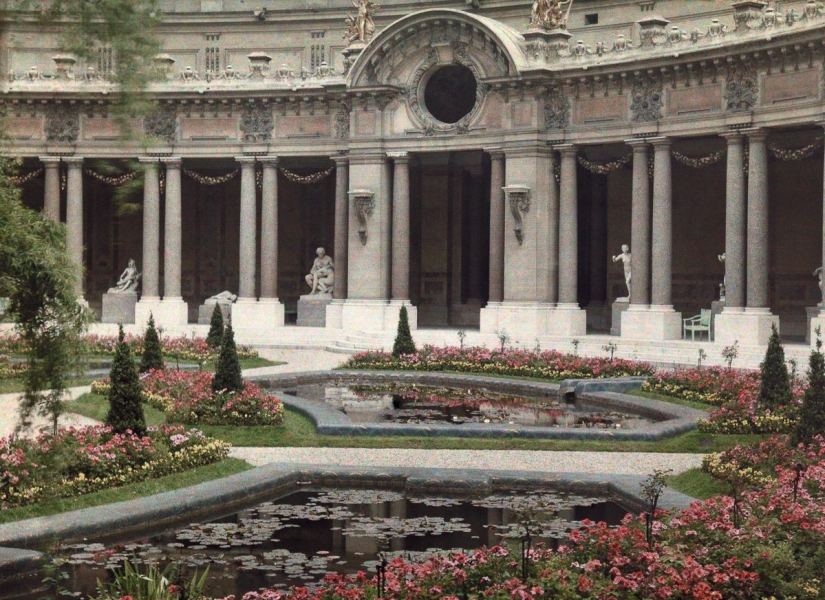
Classic French-style gardens and ponds
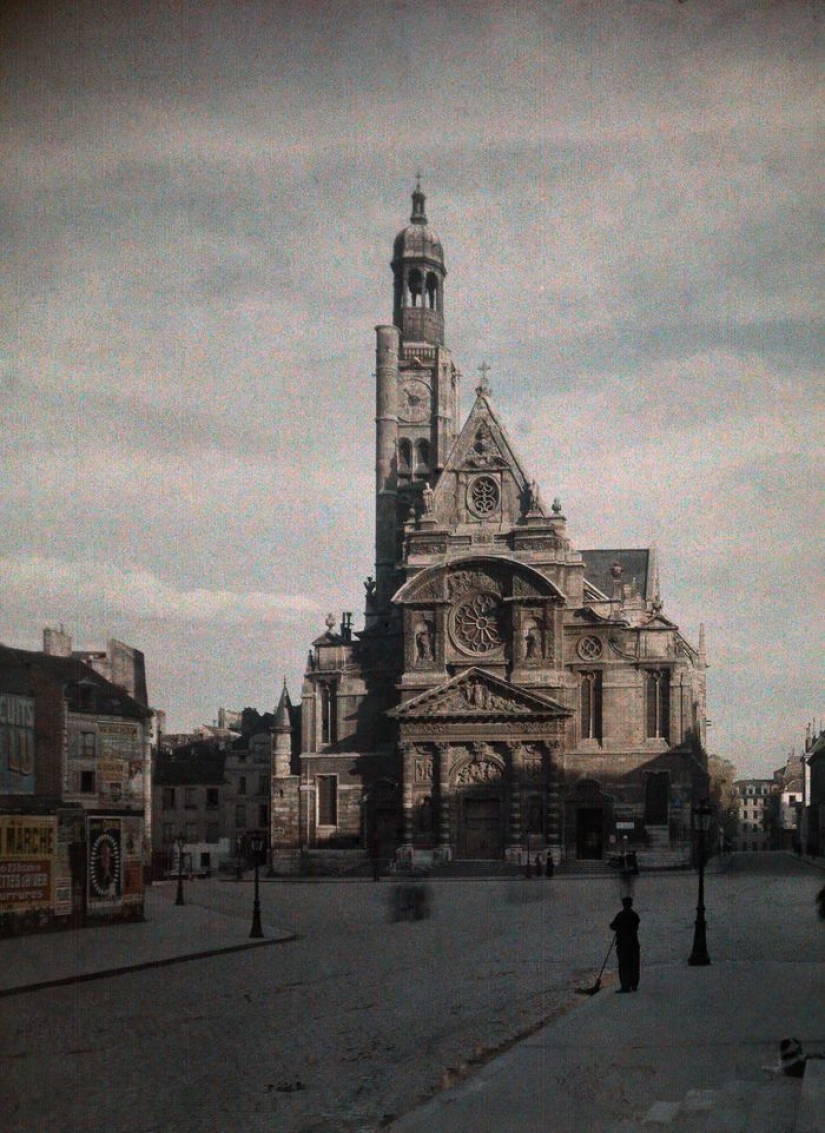
The Church of Saint-étienne-du-Mont
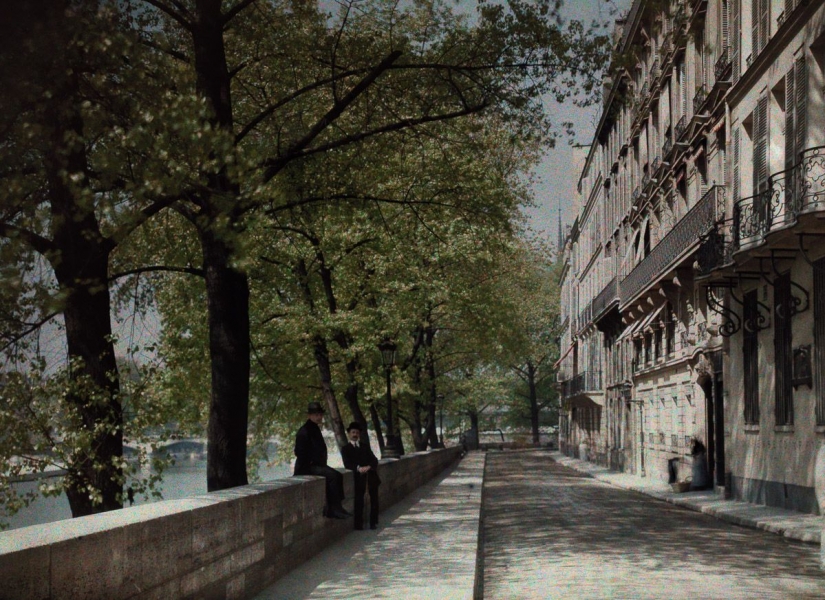
Men on Ile de La Cité
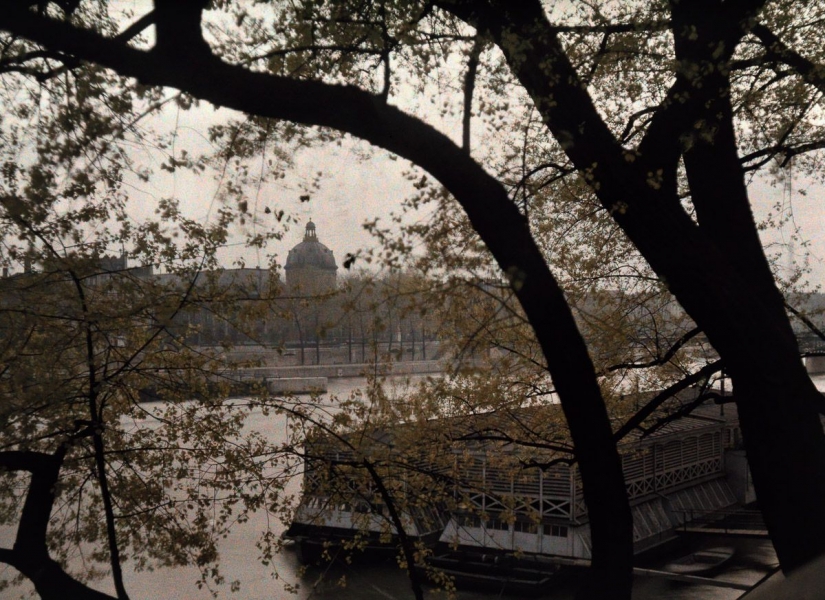
The view of the Seine river
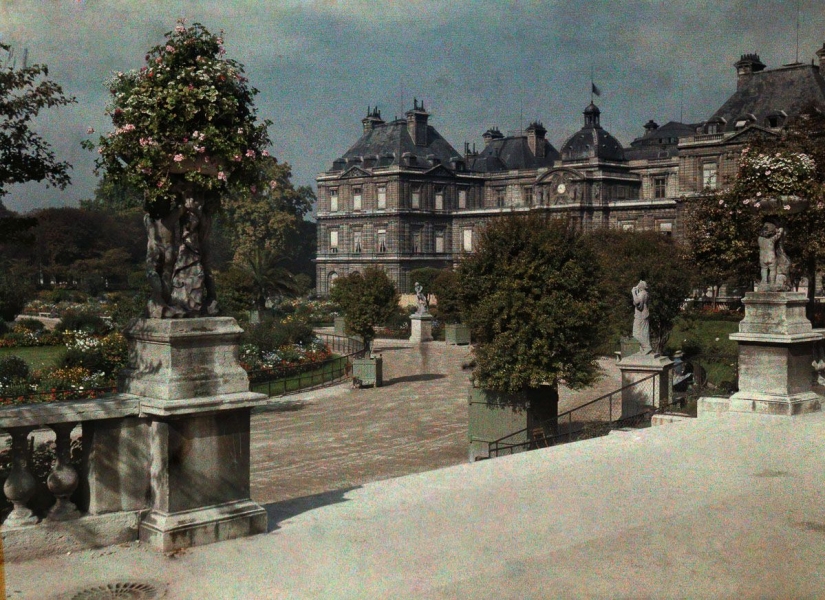
The gardens of the Senate building
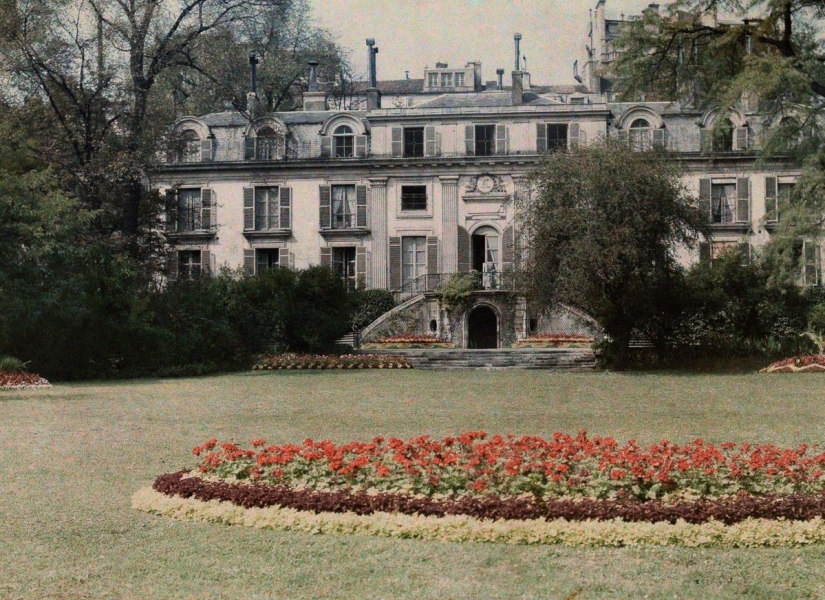
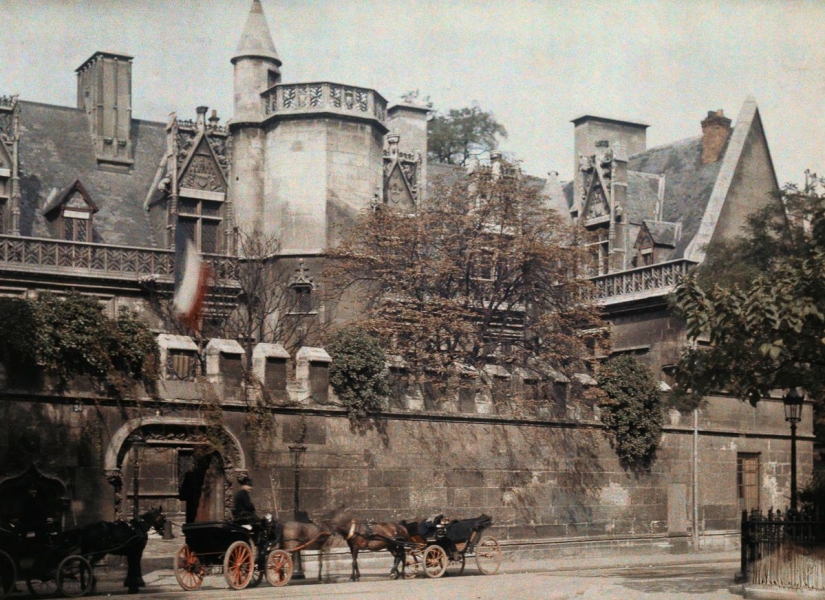
The hotel of Madame de Lamballe, friend of Marie-Antoinette
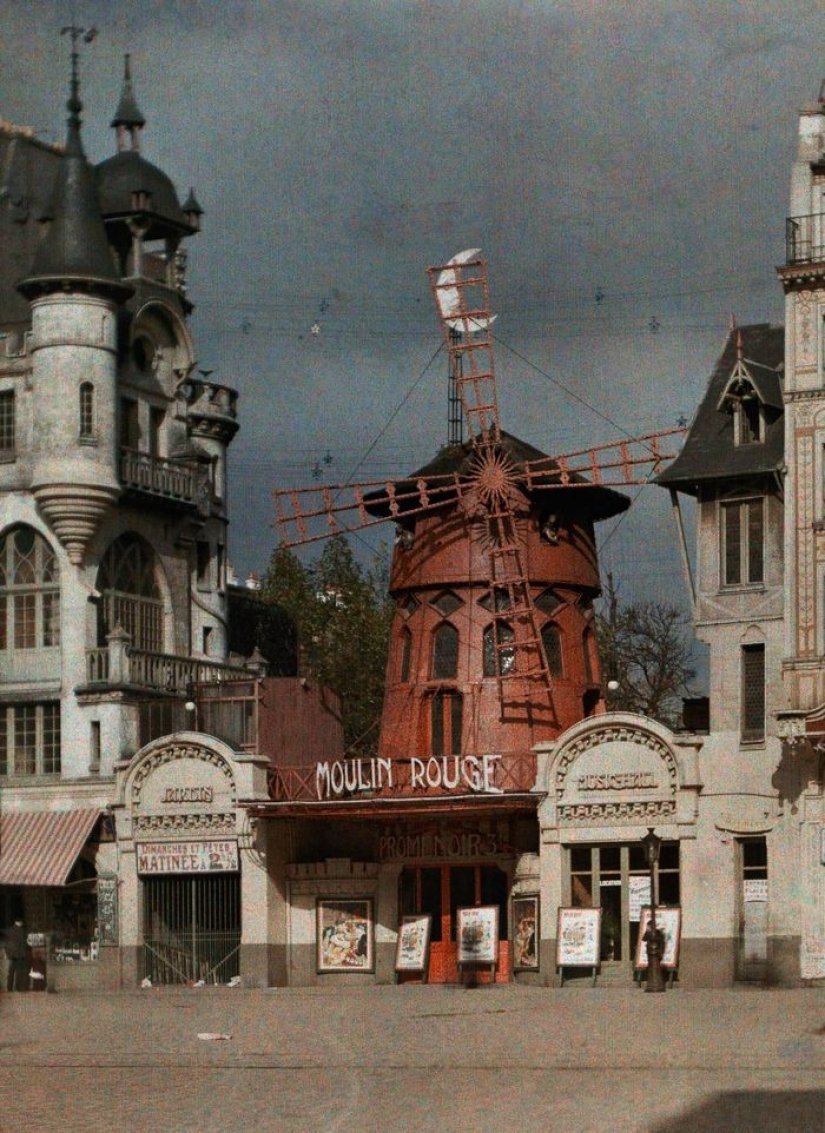
Cabaret "Moulin Rouge"
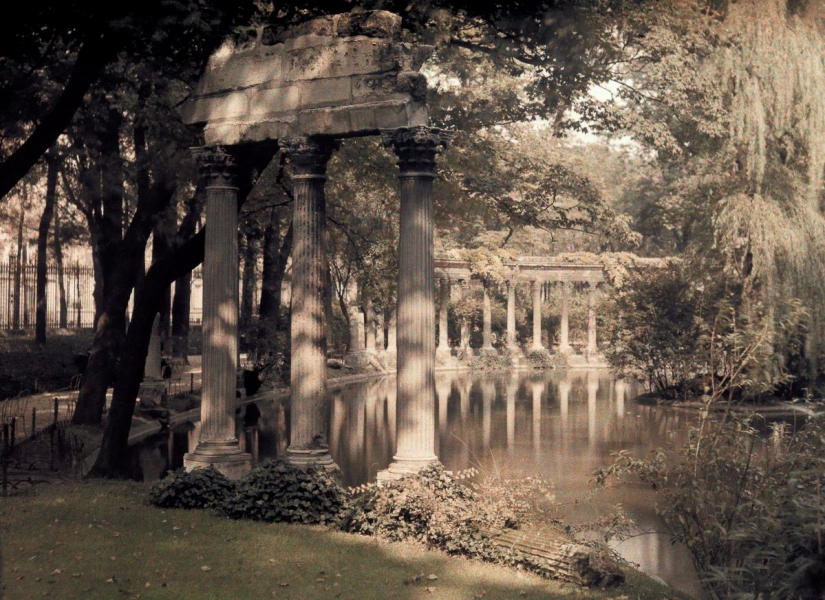
Colonnade and pond in one of the gardens of Paris
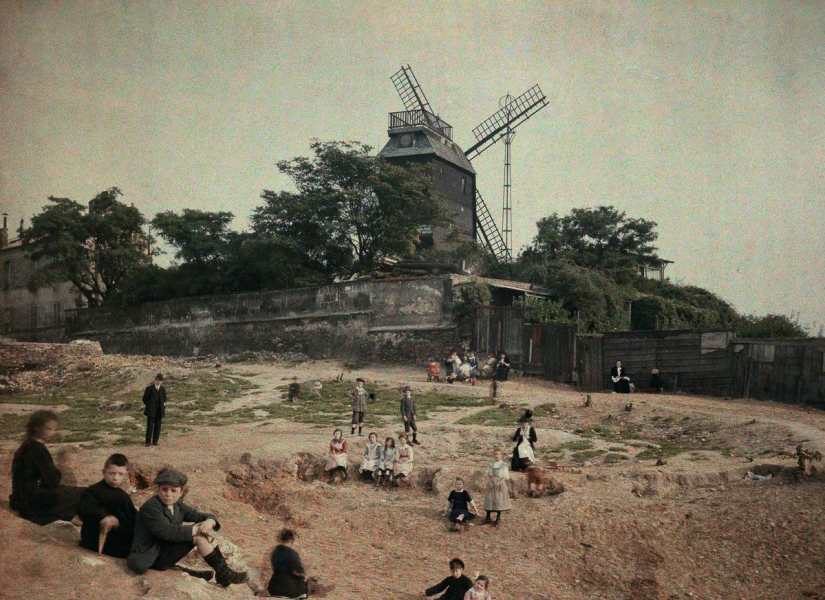
Windmill "Moulin de La Galette" in Montmartre
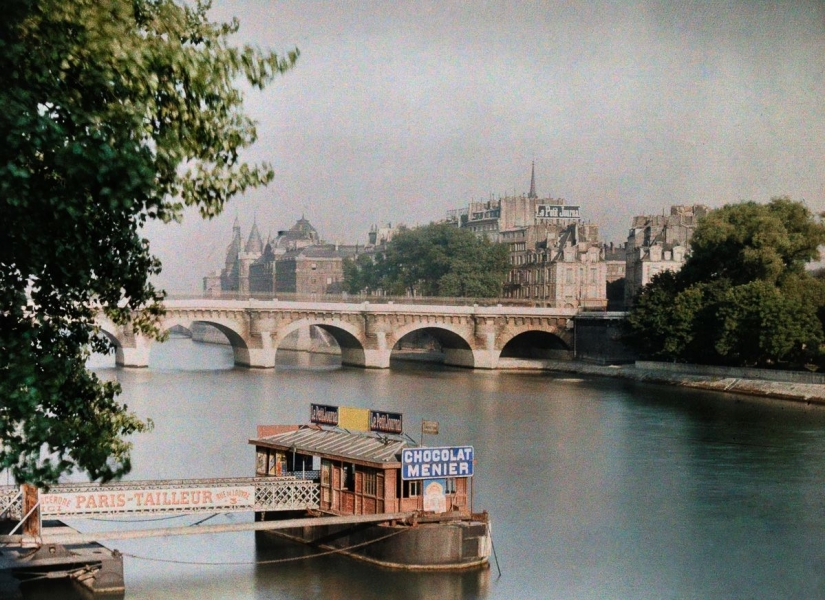
The view of the Seine river
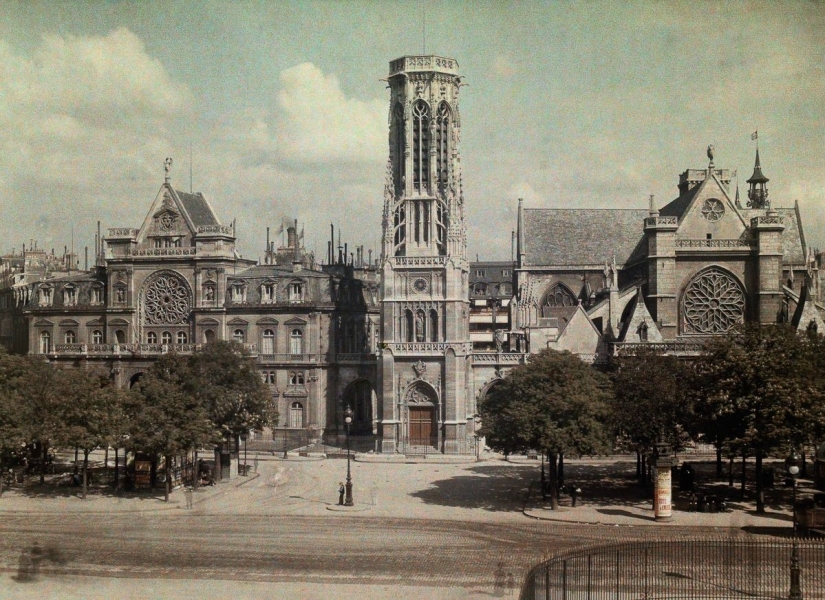
Church of Saint-Germain-l Osera
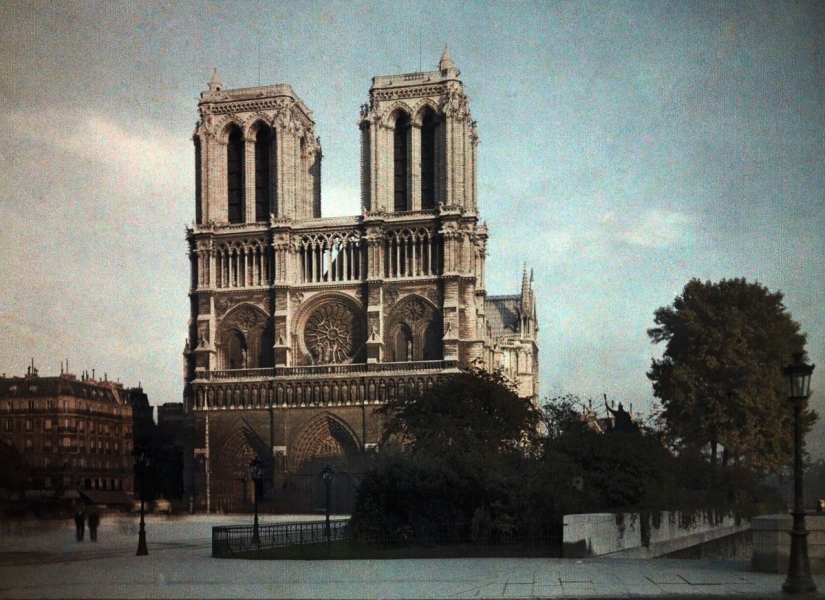
Notre Dame Cathedral
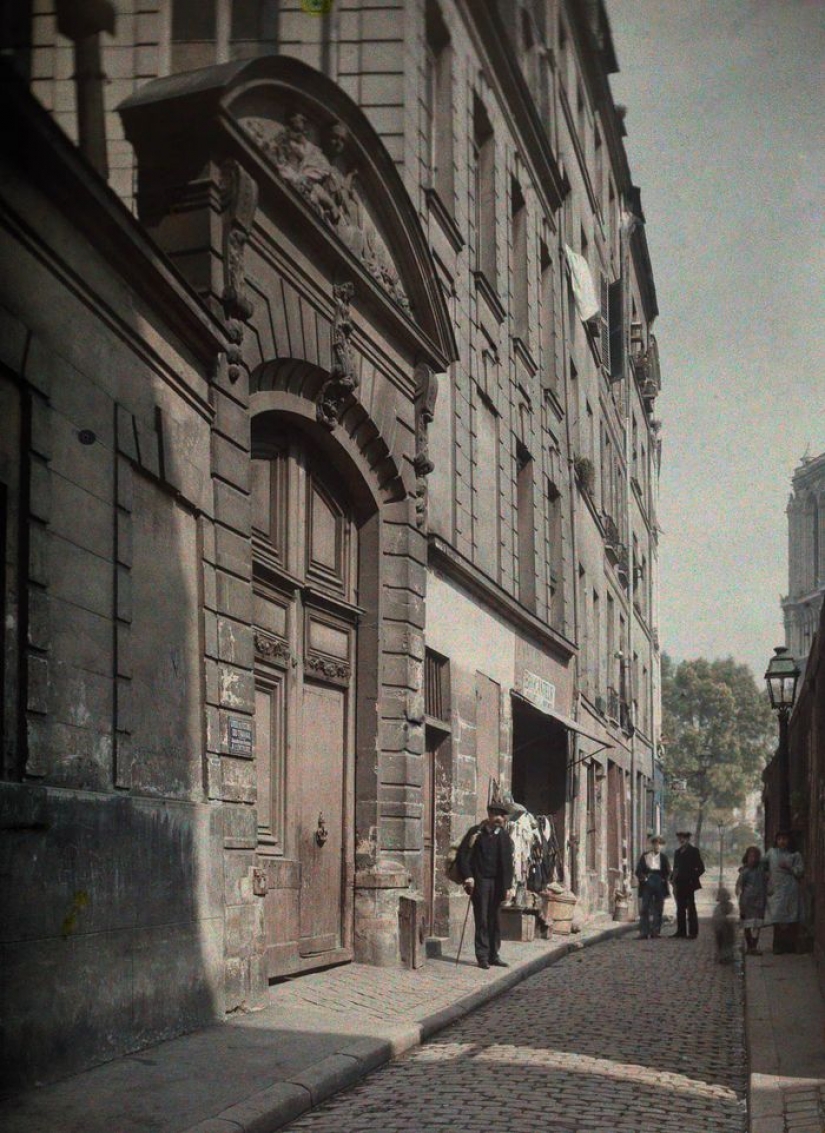
Rue Saint-Julien-Le-Pour in the old Paris
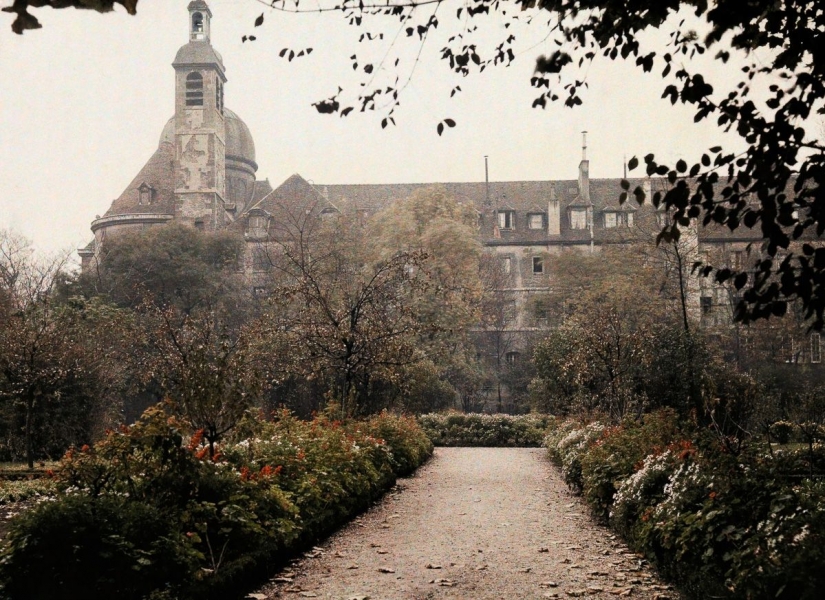
Gardens large estate
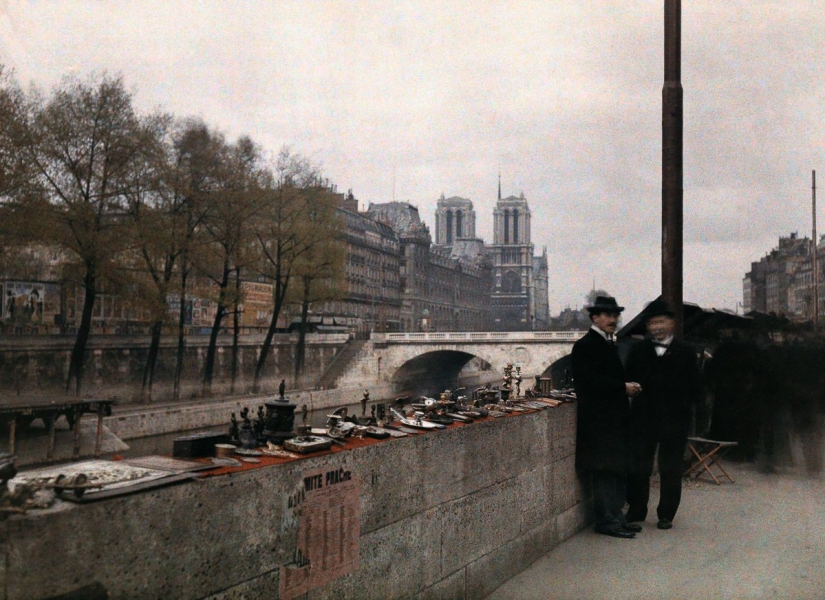
A street vendor along the Seine river near Notre Dame Cathedral
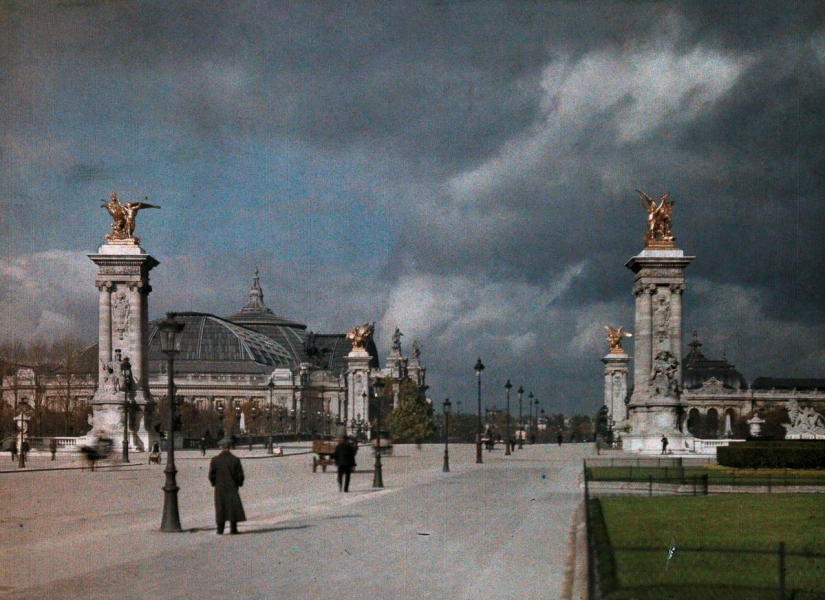
The Grand Palace on the Champs Elysees
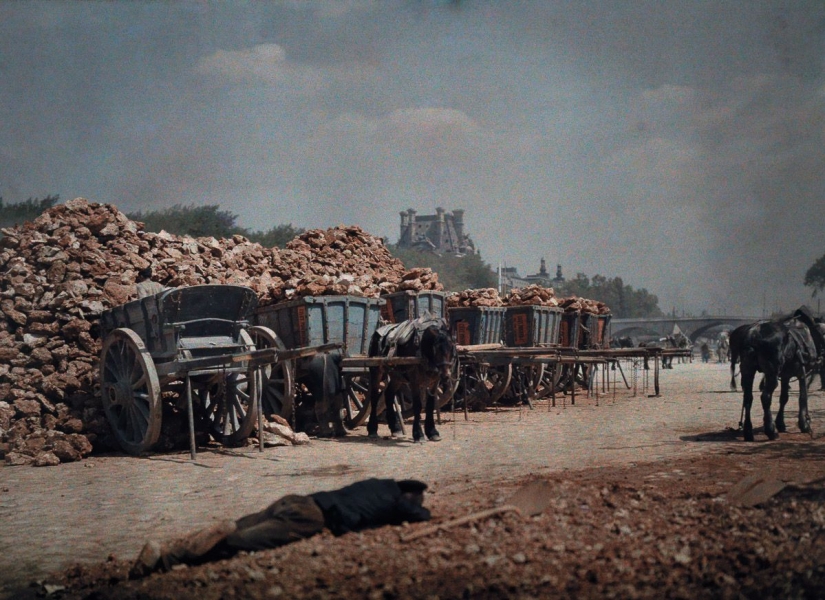
Worker sleeping in a wagon with cobblestone
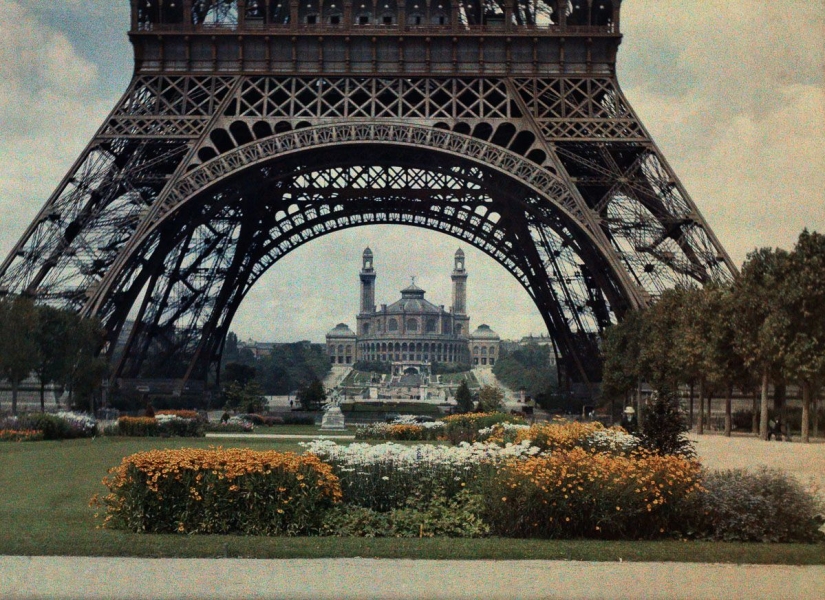
The gardens of trocadéro and Eiffel tower
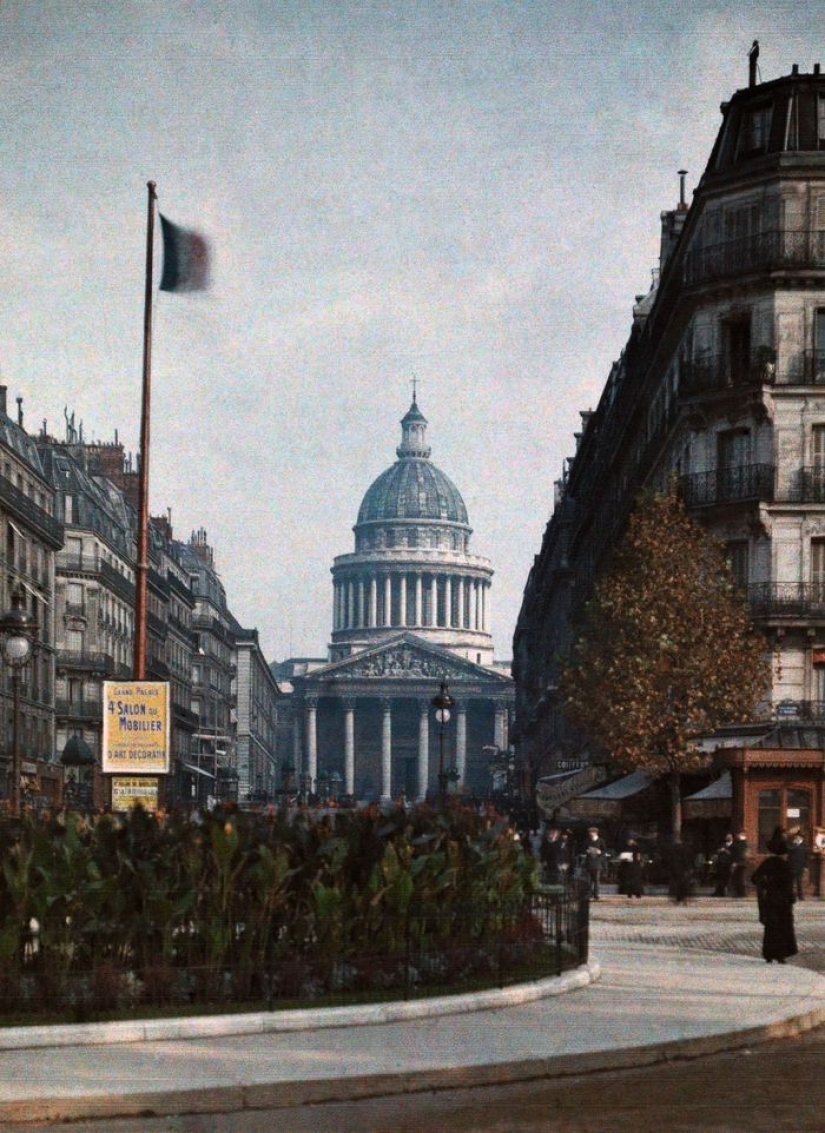
View of the Pantheon
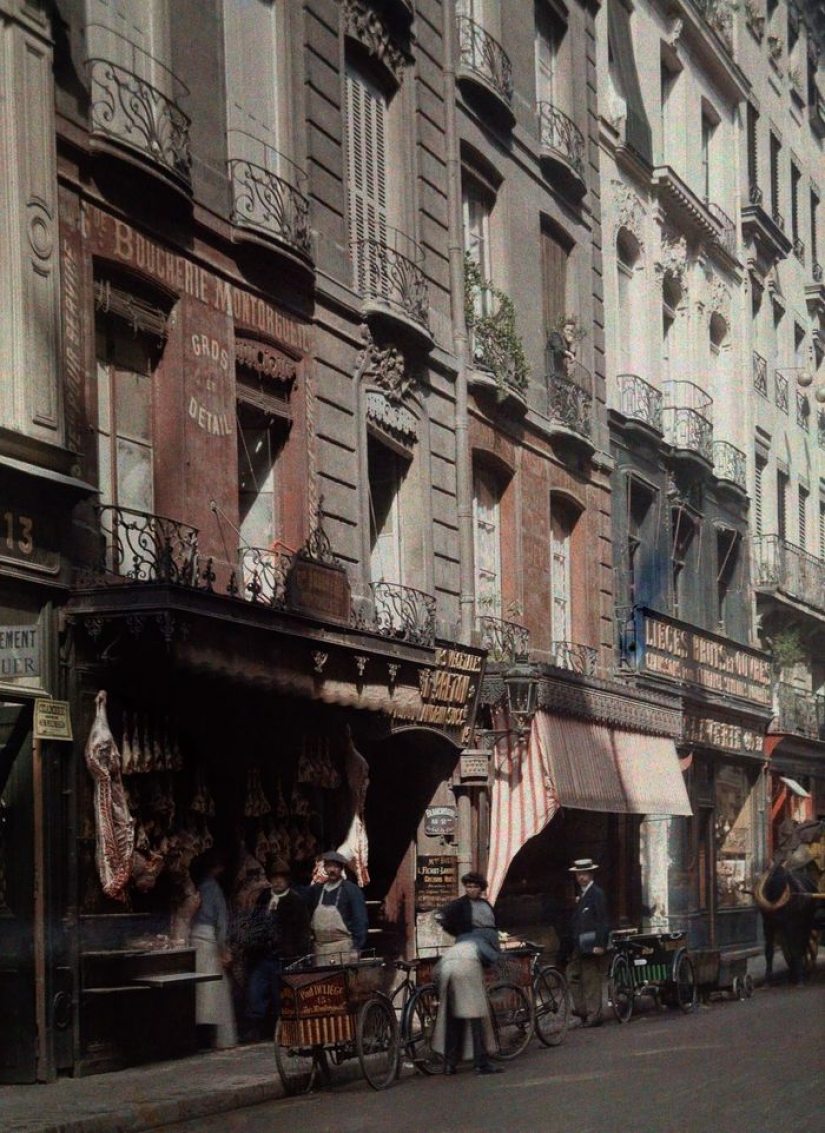
Street life in front of the butcher shop
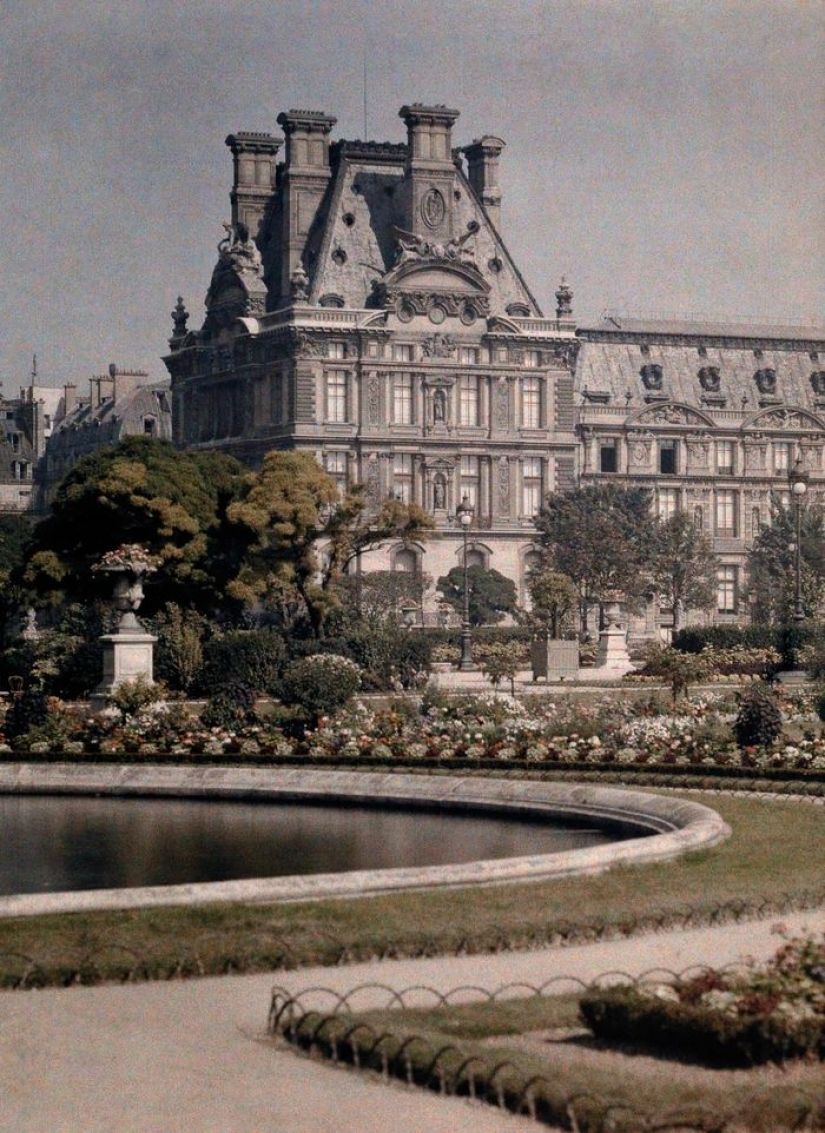
Museum of decorative arts in Paris
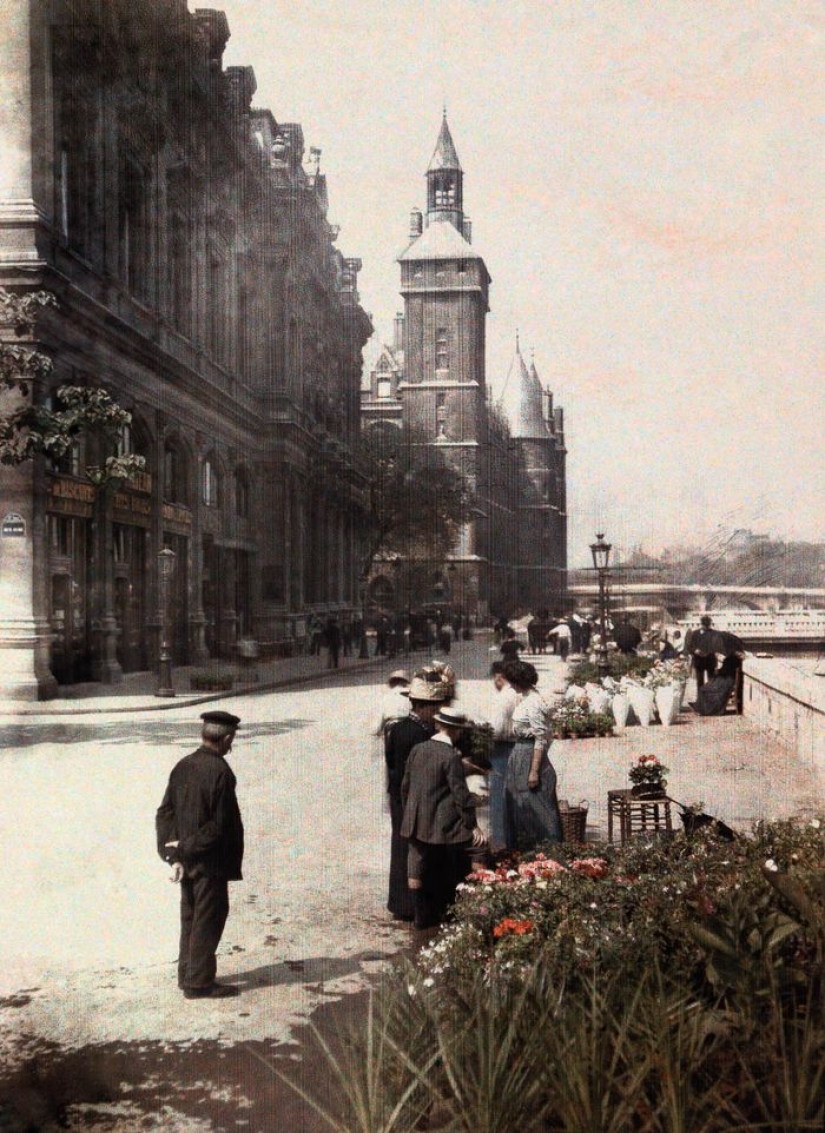
Flower market on the quay Fleur
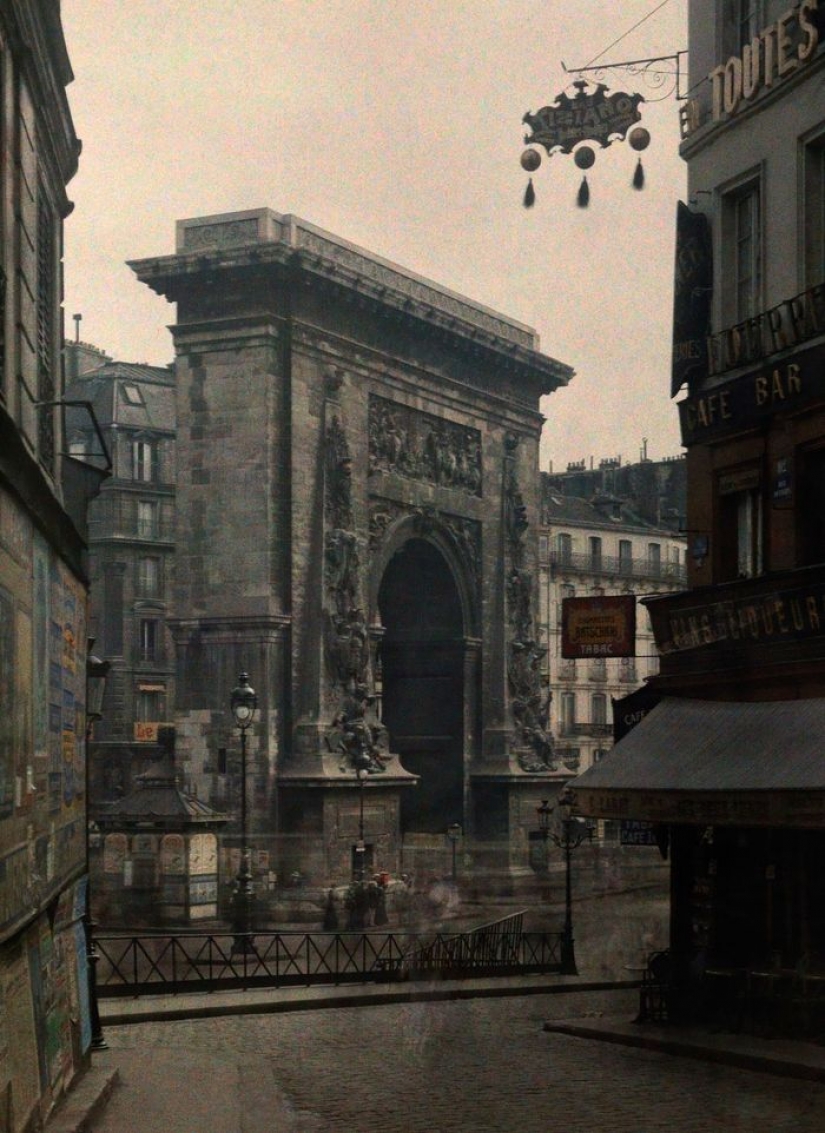
Porte Saint-Denis
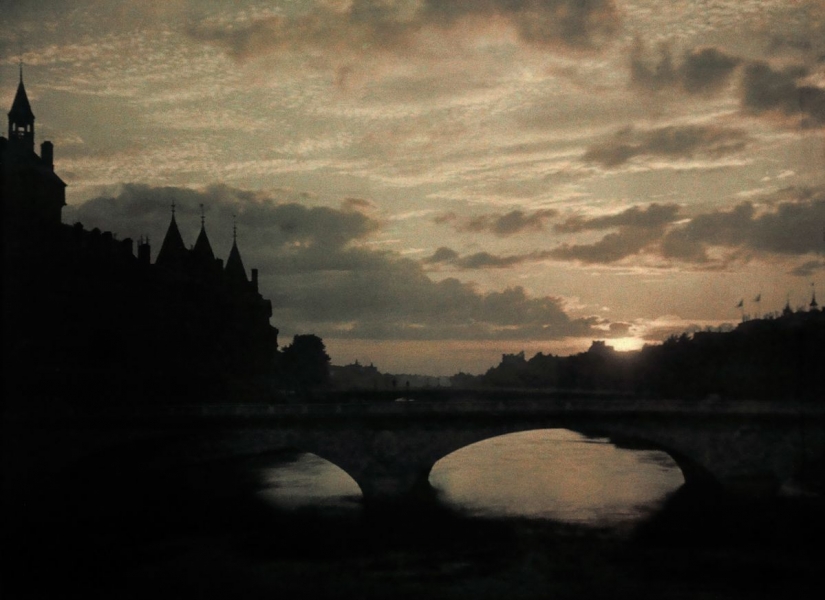
Twilight over the Seine
Keywords: Culture | Europe | Paris | France | History | Art
Post News ArticleRecent articles

It's high time to admit that this whole hipster idea has gone too far. The concept has become so popular that even restaurants have ...

There is a perception that people only use 10% of their brain potential. But the heroes of our review, apparently, found a way to ...
Related articles

These artists love cats, but also masterfully draw them, often complementing funny and life signatures. Meet! --> Russian ...

What kind of wedding traditions do not happen! The Scots pour dirty slush over the bride, some peoples of India have decided to get ...

Is it possible to laying wood to name a form of art? Turns out you can. Because in the world there are such people, which gently ...
New Year's is a time to surprise and delight loved ones not only with gifts but also with a unique presentation of the holiday ...