
Why do elderly people in Japan intentionally commit minor crimes and want to go to prison
Japan has one of the oldest populations in the world — 27 percent of residents are over 65 years old. And now the country is facing a new, unprecedented problem.
According to a Bloomberg report, one in five of the female prisoners in Japanese prisons is elderly. Moreover, nine out of ten go to jail for such minor offenses as, for example, theft in a supermarket.
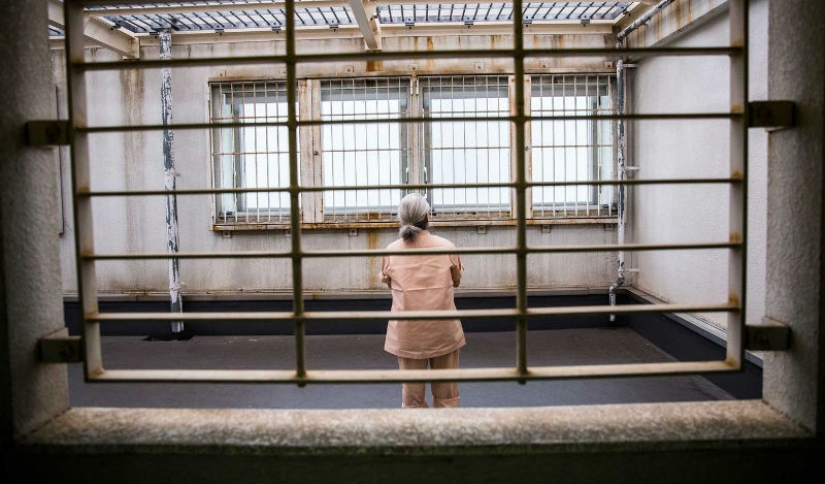
The reason for such a percentage of elderly people among prisoners is not at all an ordinary wave of crimes,but rather a social problem. Between 1980 and 2015, the number of elderly people living alone and without assistance increased sixfold and amounts to almost six million people. The Tokyo government conducted a study in 2017 that showed that more than 50 percent of elderly people caught shoplifting lived alone, and 40 percent had no family and relatives who could help them.
In Japan, it has always been customary to take care of older relatives, but today the problem of lack of resources has destroyed this tradition.
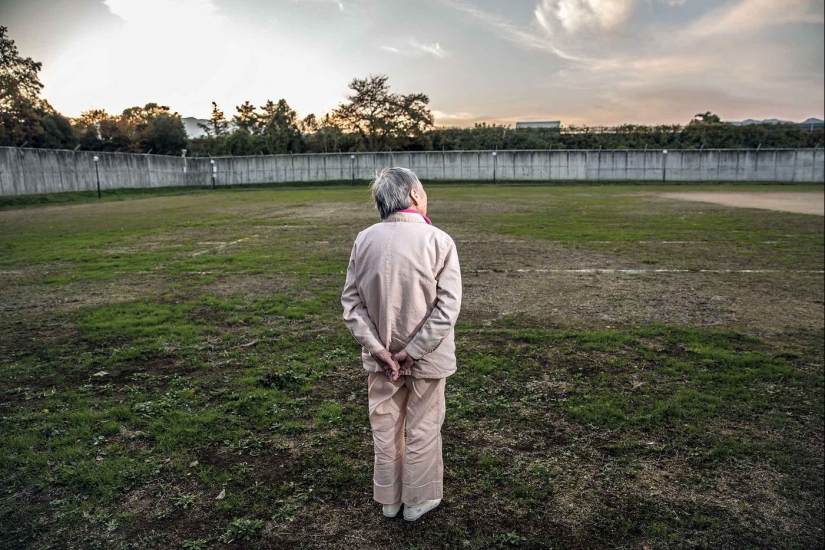
As a result, the elderly population feels increasingly unnecessary and isolated, especially women. This leads to a sudden start of a criminal life — elderly people hope that prison will give them shelter and care in their old age.
Yumi Muranaka, the head of the Iwakuni women's Prison, told Bloomberg:
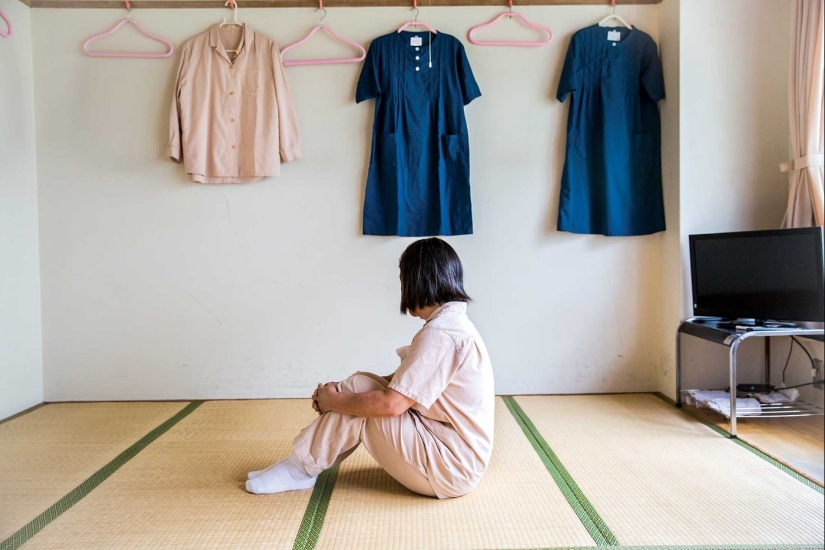
Women are more vulnerable than men financially, and more than half of older women over the age of 65 live in poverty. Prison was the only chance for them to escape from such a situation.
An 80-year-old prison inmate told:
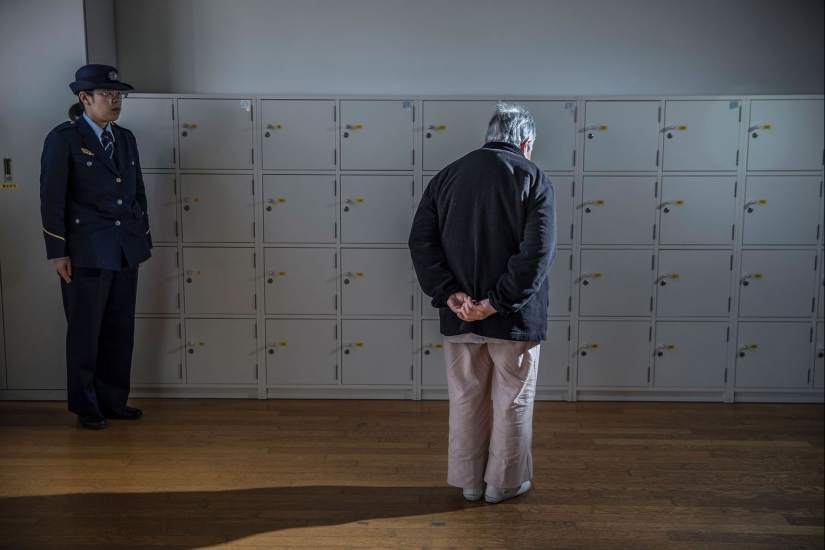
In prison, women are assigned an employee who helps them with a shower and toilet during the day, at night these functions are already performed by guards. The daily duties of prison guards are becoming similar to the work of nurses and nurses trying to cope, for example, with the problem of incontinence in elderly prisoners.
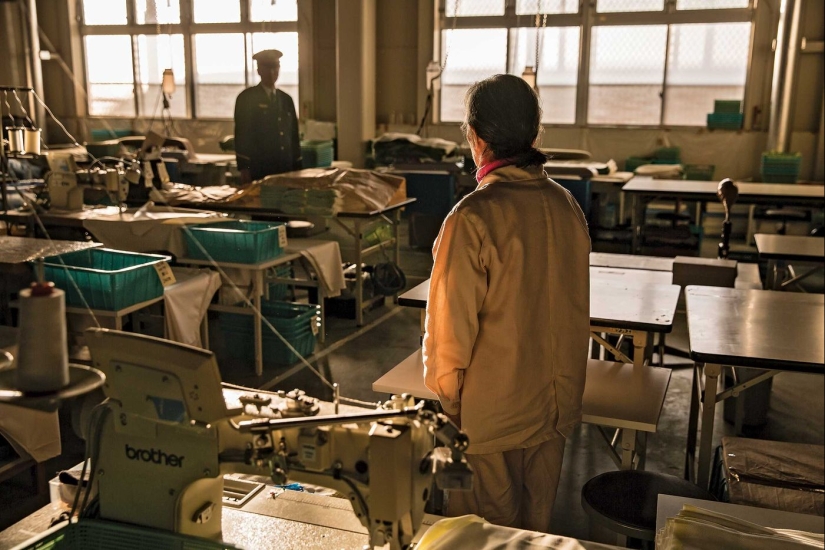
This trend has led to another problem — taking care of the elderly has affected the increase in prison medical bills. Since 2005, the amount has increased by 80 percent and by 2015 reached six billion yen.
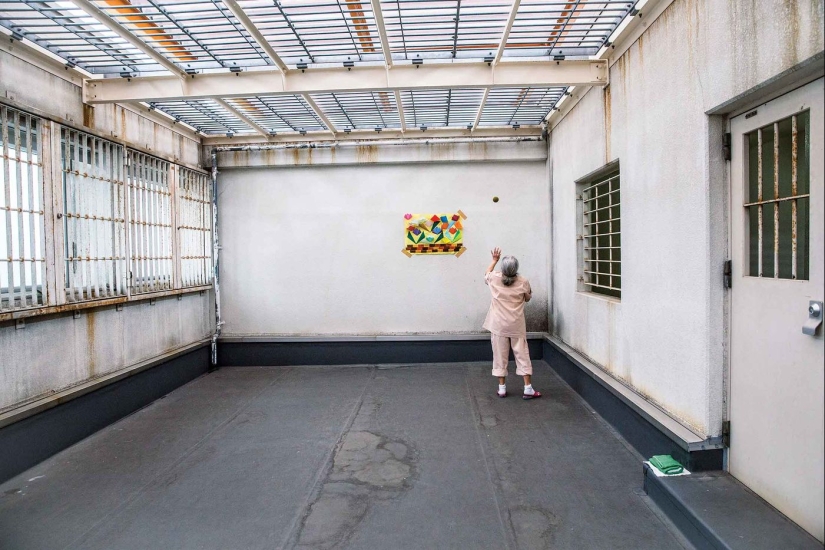
In addition, over three years, more than a third of the warders left, which led to a shortage of staff.
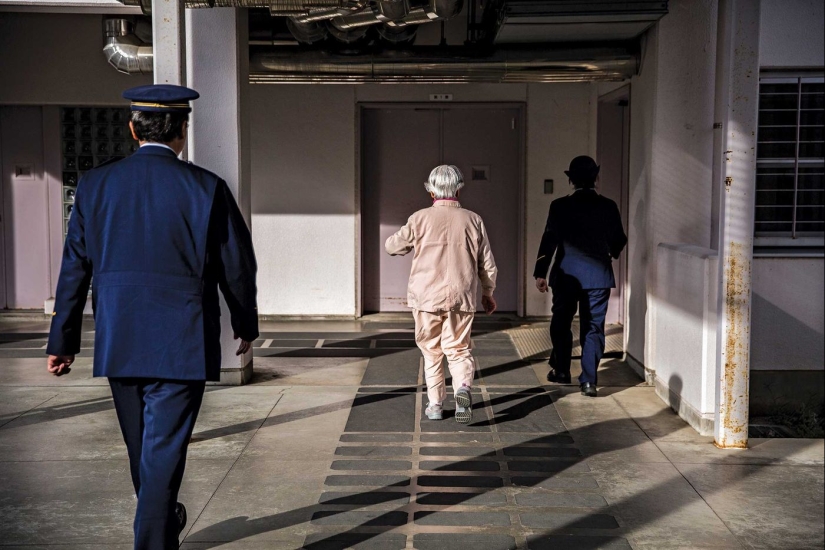
The Japanese government and the private sector have not yet released a rehabilitation program for elderly women with such problems, but they are already working on projects. In 2016, a law was signed according to which elderly women released from prison will receive assistance from the government and social service systems of the population.
Keywords: Asia | Japan | Women | Prison | Care | Society | The elderly | Crime
Post News ArticleRecent articles

It's high time to admit that this whole hipster idea has gone too far. The concept has become so popular that even restaurants have ...

There is a perception that people only use 10% of their brain potential. But the heroes of our review, apparently, found a way to ...
Related articles

Tired after a hard day at work? Suffer from autumn depression? Don't know how to entertain yourself in your free time? This ...

The Mongols seized in the 13th and 14th centuries, a large part of the Eurasian continent, was a force which could not to resist ...

Motherhood significantly changes a woman's body. But there are more profound changes affecting the nature and Outlook. Reflected in ...
New Year's is a time to surprise and delight loved ones not only with gifts but also with a unique presentation of the holiday ...