
"Ladder of the dead" in the Austrian concentration camp Mauthausen
The Mauthausen concentration camp was located 20 kilometers east of Linz, the administrative center of Upper Austria. It was the center of one of the largest camp complexes in Europe. About a hundred more such camps were set up in Austria and Southern Germany, but conditions were worst in Mauthausen. Mauthausen was one of two "third class" labor camps: "the most incorrigible political enemies of the Reich" were sent there, and many of these people died from exhausting labor. The Nazis themselves called this place a meat grinder.
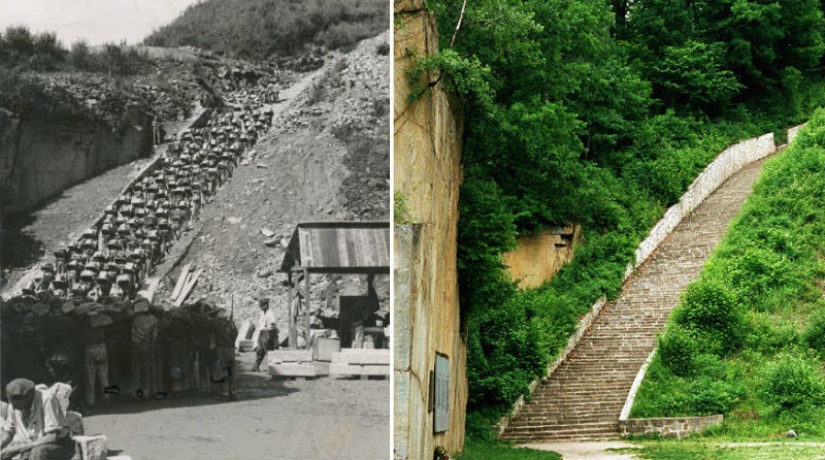
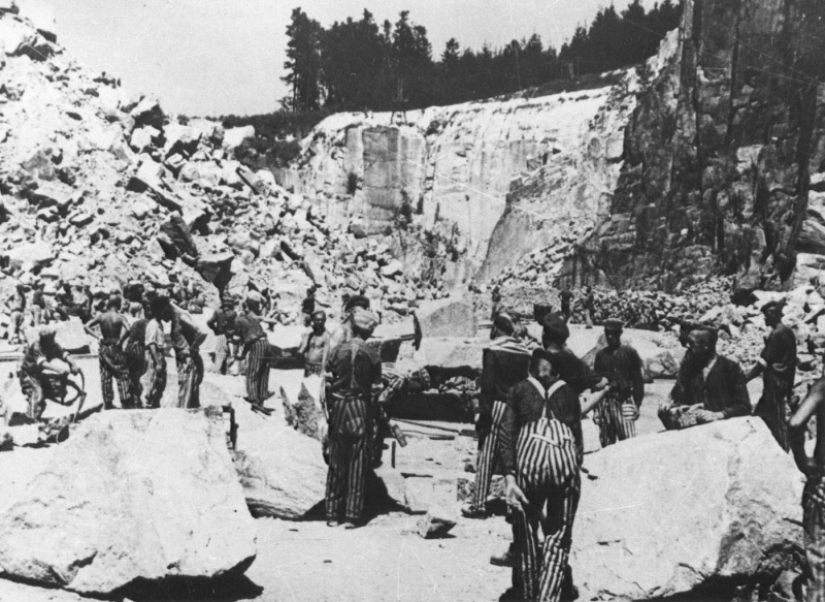
The prisoners worked in a granite quarry, on the edge of which the camp was located. This place was chosen because of the proximity of Linz: Hitler was going to completely rebuild the city according to the plan of Albert Speer, taking advantage of the labor of prisoners.
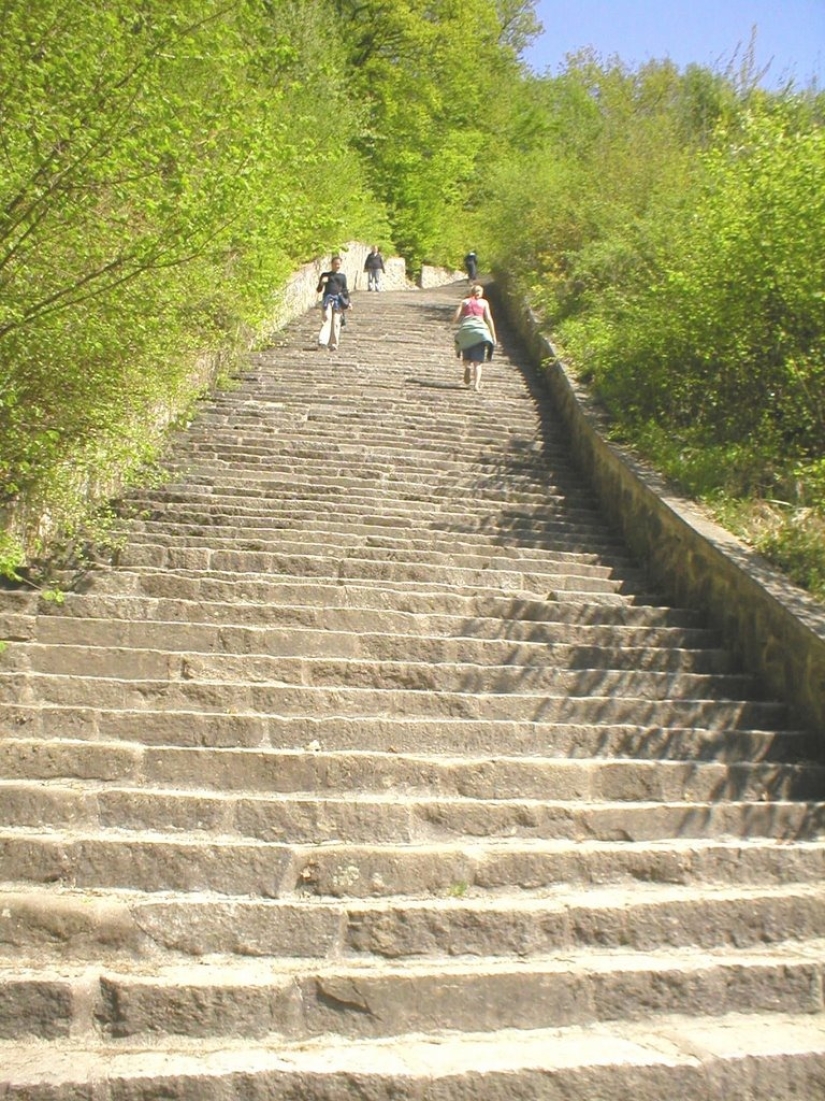
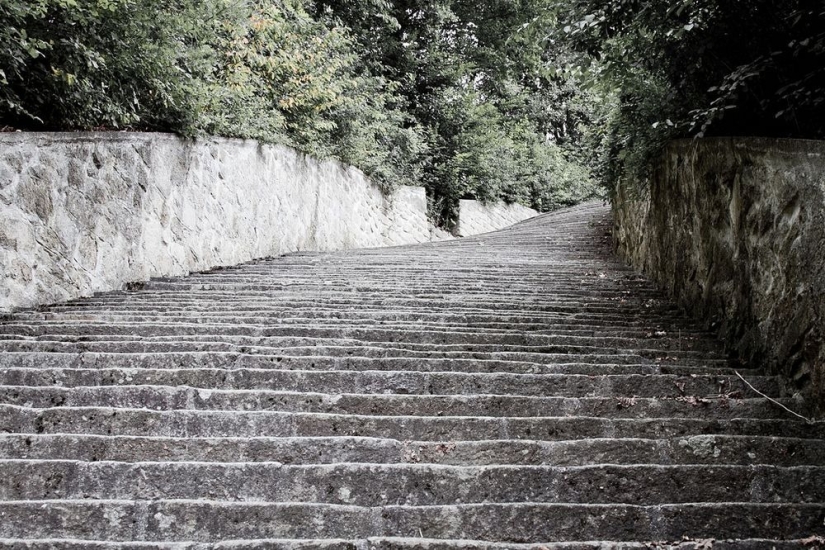
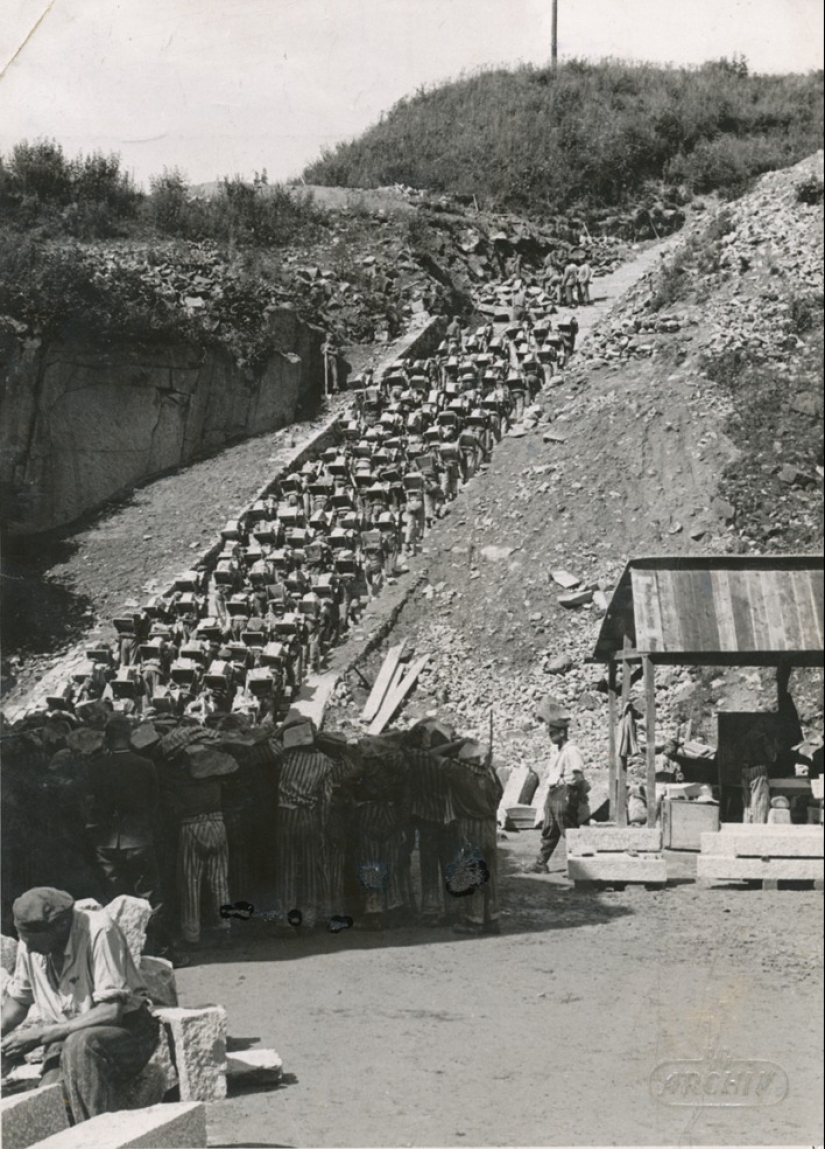
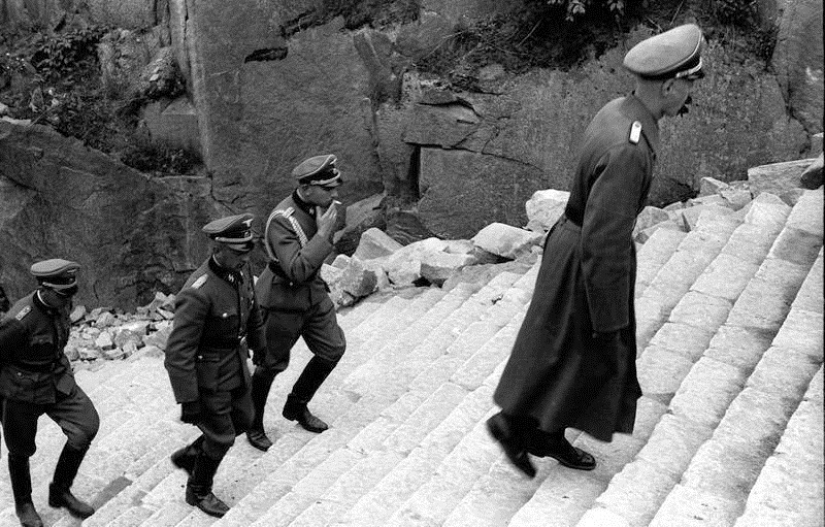
Several times a day, prisoners were forced to carry stone blocks weighing up to 50 kilograms up to 186 steps. Often the prisoners could not stand it and dropped the load — then it rolled down, creating a terrible domino effect: people on the upper steps fell on the lower ones, and those on the next ones, and so on to the bottom of the stairs. The stones crushed human bodies, arms and legs, and someone died on the stairs every day.
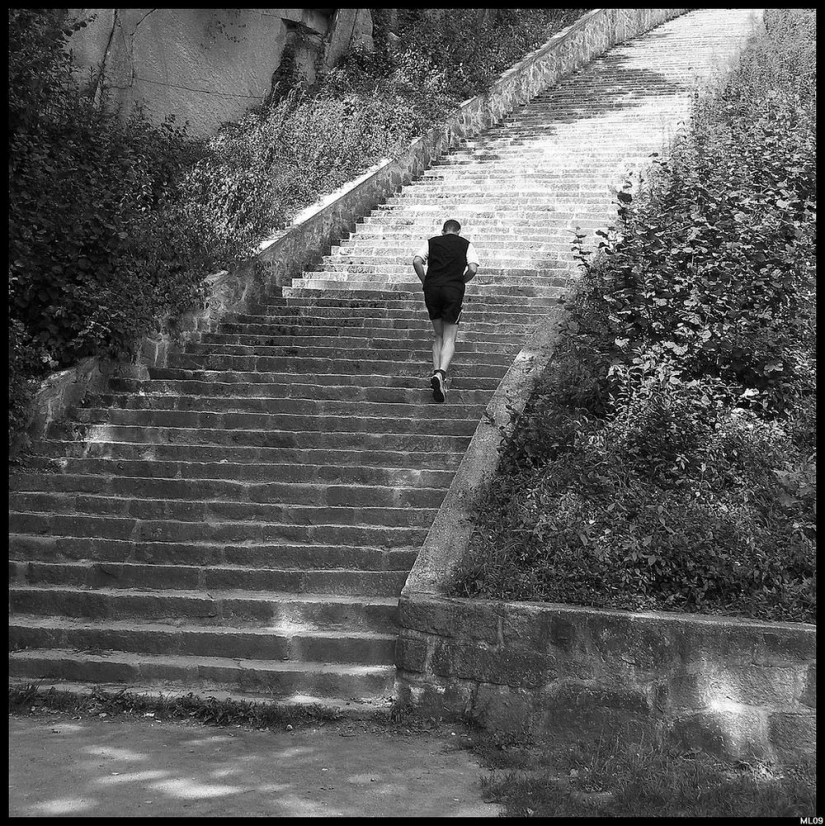
The SS men could force exhausted people to carry the blocks to the top of the stairs. Those who survived the ordeal were lined up on the edge of the cliff — the guards called it a "wall of parachutists". Each prisoner was offered a choice: either he would be shot, or he would push the person standing in front of him into the abyss. Many at this moment jumped off the cliff themselves.
Now a visit to the" stairs of death " is included in the tour of the Mathausen memorial. The staircase was redesigned so that it is easy for tourists to climb and descend. In the concentration camp, the stairs were tilted, and the steps slid.
The work consisted of carrying large heavy blocks up the stairs. After that, it was still a long walk to the base. If the stone carried by the prisoner seemed too small to the overseer, he was shot. And such trips had to be done 8-10 a day, and not a second of rest.
Christian Bernadec, a French resistance fighter who got into Mauthausen, and the author of the book "186 steps"
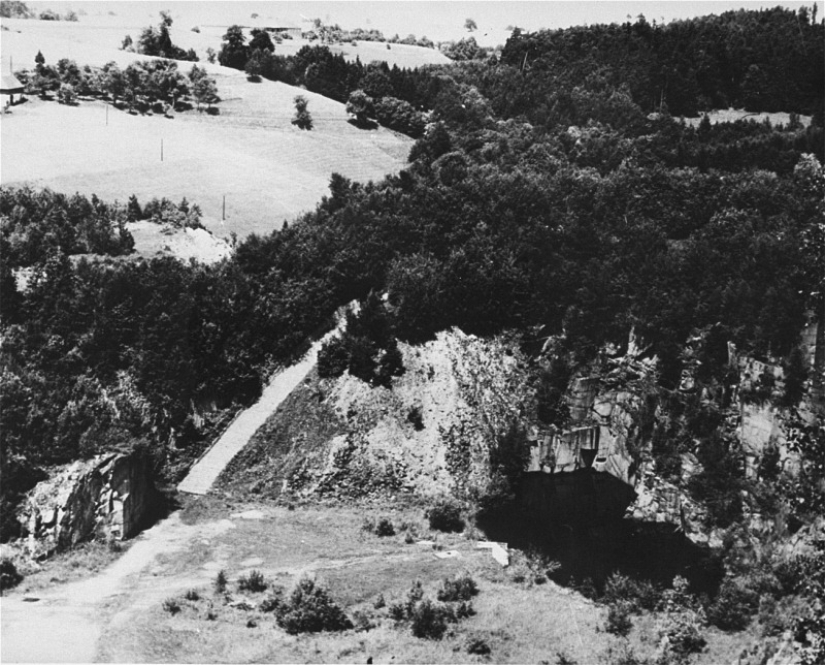
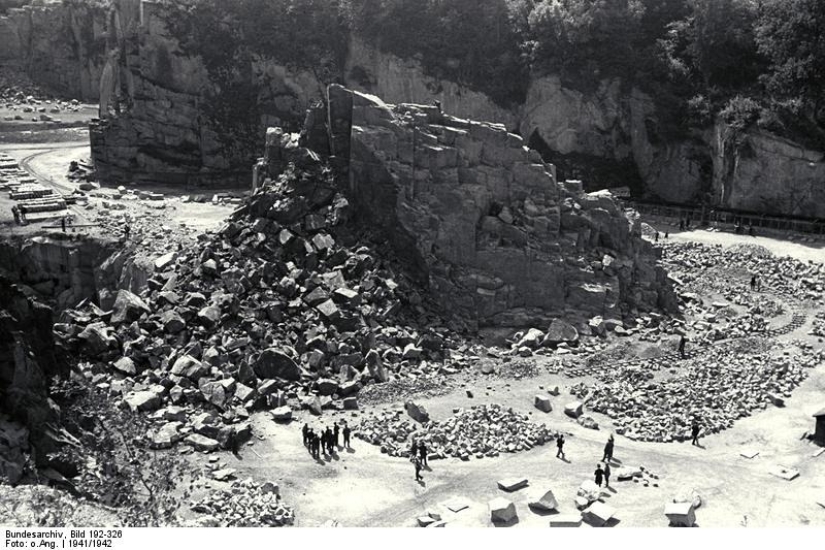
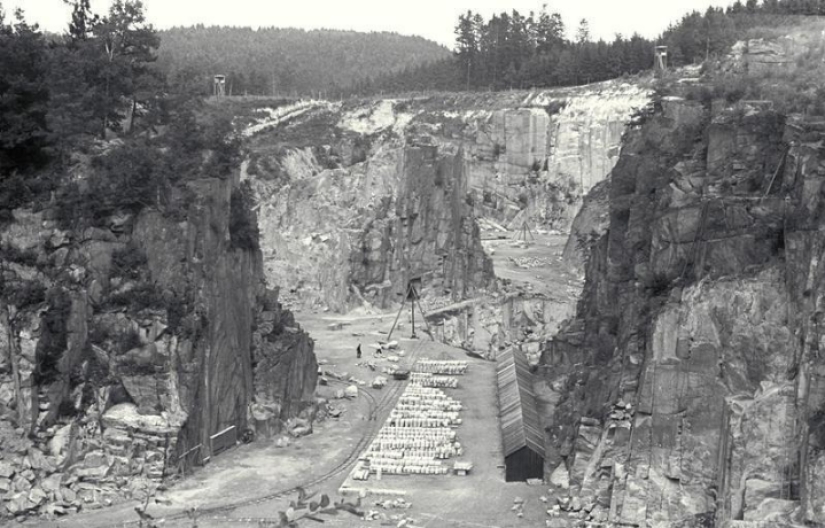
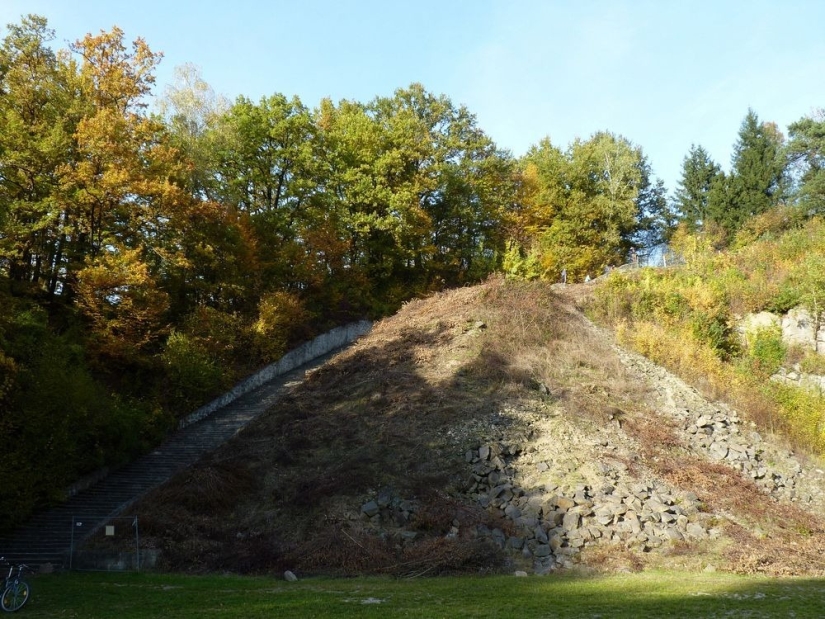
Now Mauthausen is overgrown with trees and shrubs. Residential areas were built on most of its territory after the war. There is a museum and a guest center here.
Keywords: Europe | History | Concentration camp | Austria | Then and now | Stairs | Nazism | World War II
Post News ArticleRecent articles

It's high time to admit that this whole hipster idea has gone too far. The concept has become so popular that even restaurants have ...

There is a perception that people only use 10% of their brain potential. But the heroes of our review, apparently, found a way to ...
Related articles

In the fall of 1972, Bill Yates traveled through the countryside in the vicinity of Tampa, Florida. At that time, he was studying ...

When a person is in a life-threatening situation is awful, but even worse when it happens to a child. 11-year-old American Terry ...

Remember how broke the "unbreakable" scoop? The photo preserved in the photo album of almost every family! A selection of vintage ...
New Year's is a time to surprise and delight loved ones not only with gifts but also with a unique presentation of the holiday ...