
Color centennial photographs of immigrants who arrived in the United States reveal the contrast of cultures
Categories: Culture | History | North America
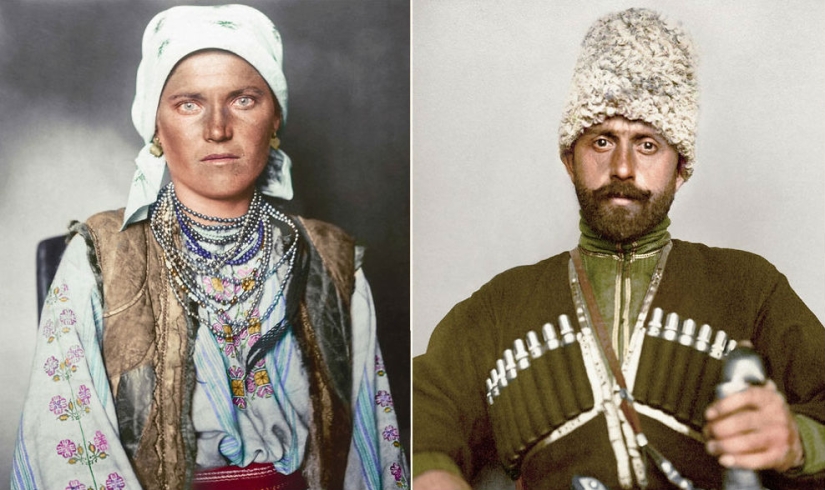
By Pictolic https://pictolic.com/article/color-centennial-photographs-of-immigrants-who-arrived-in-the-united-states-reveal-the-contrast-of-cultures.htmlAmazing photos clearly demonstrate the diversity and dissimilarity of the different cultures of those people who arrived in the United States at the beginning of the XX century with the hope of starting a new life. Initially, the black-and-white photographs were taken by August Sherwood, an amateur photographer and employee who registered immigrants arriving on Ellis Island. Between 1892 and 1954, 12 million people were registered.
The photos were colorized by colorists from Dynamichrome and will be published in the photobook The Paper Time Machine.
Portraits from 100 years ago also show stunning national costumes, which were most often the best clothes of people who decided to give up everything and go to America in search of a better life.
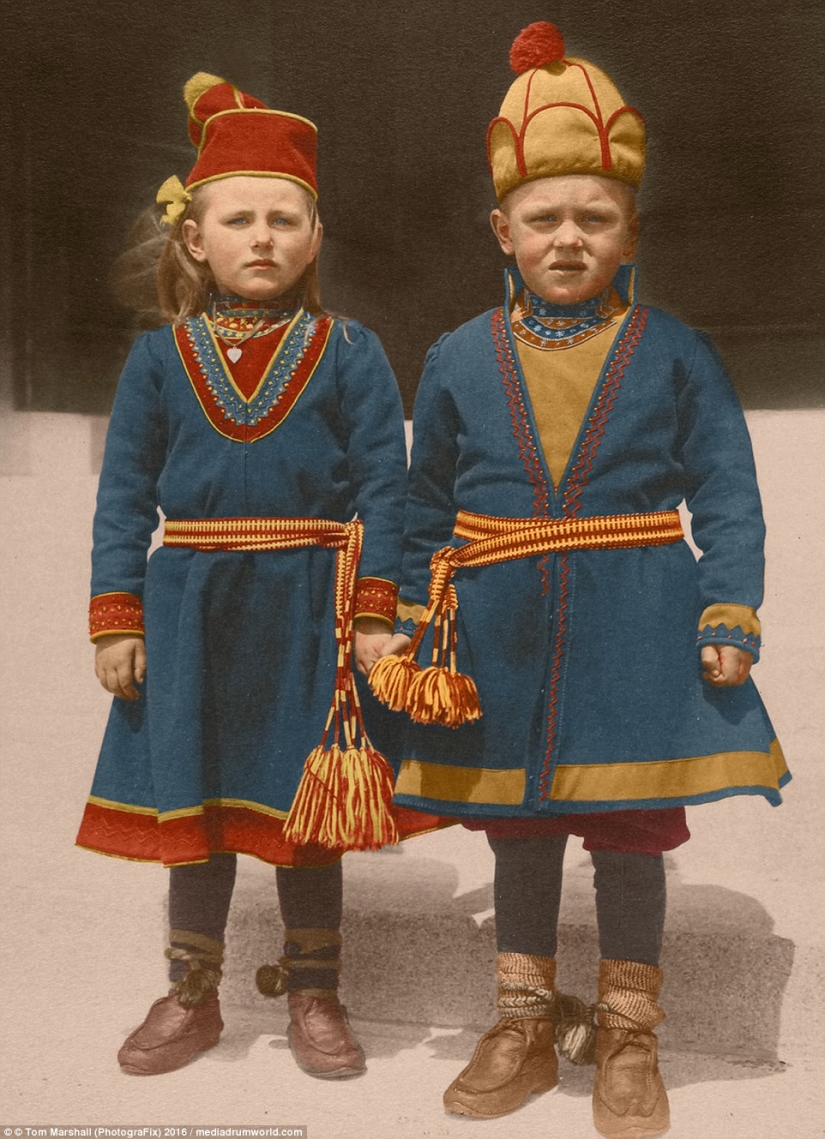
Children who arrived from Lapland. Most likely, brother and sister. 1910.
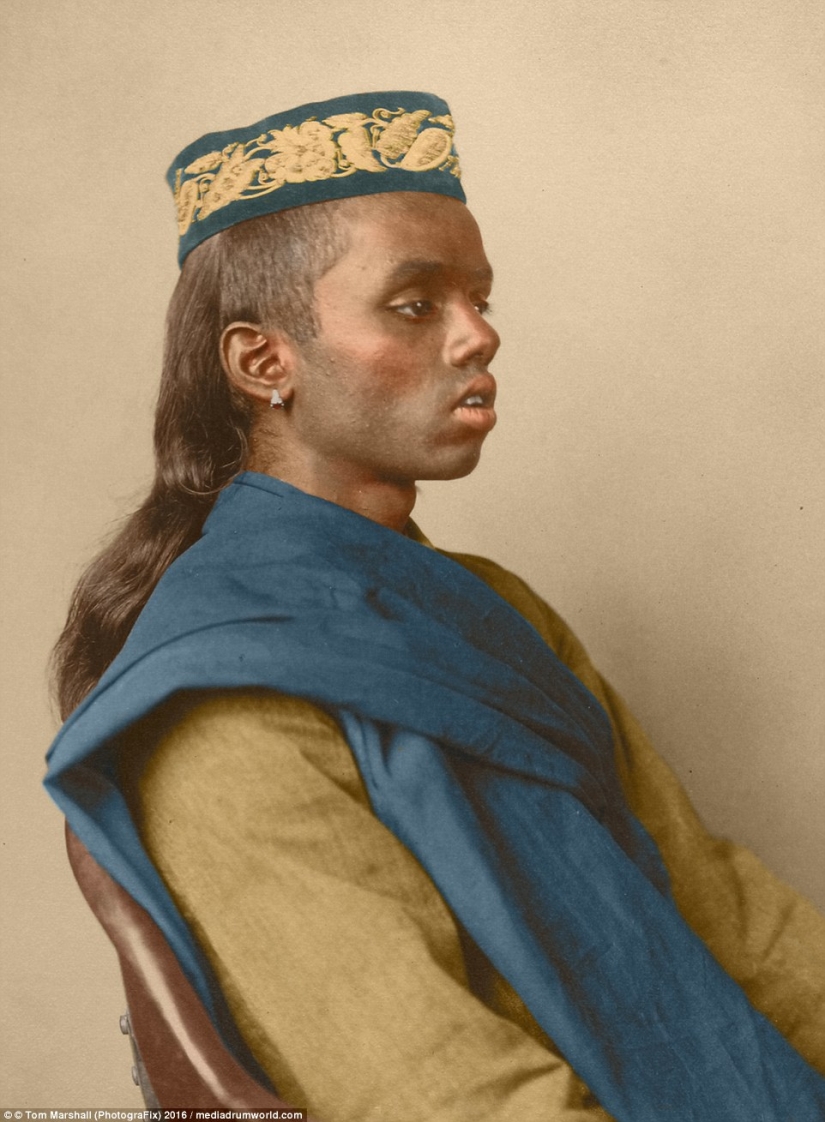
A young man from India, 1911.
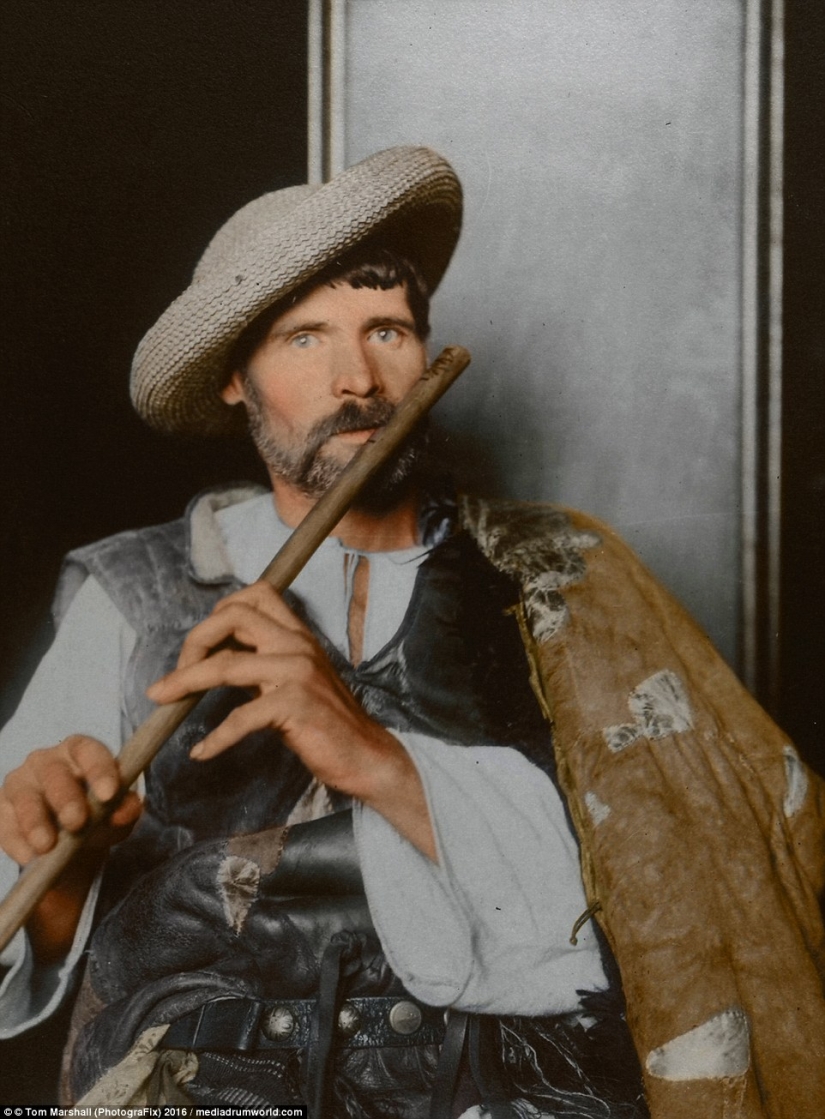
A man from Romania.

A man from Algeria in national clothes, 1910.
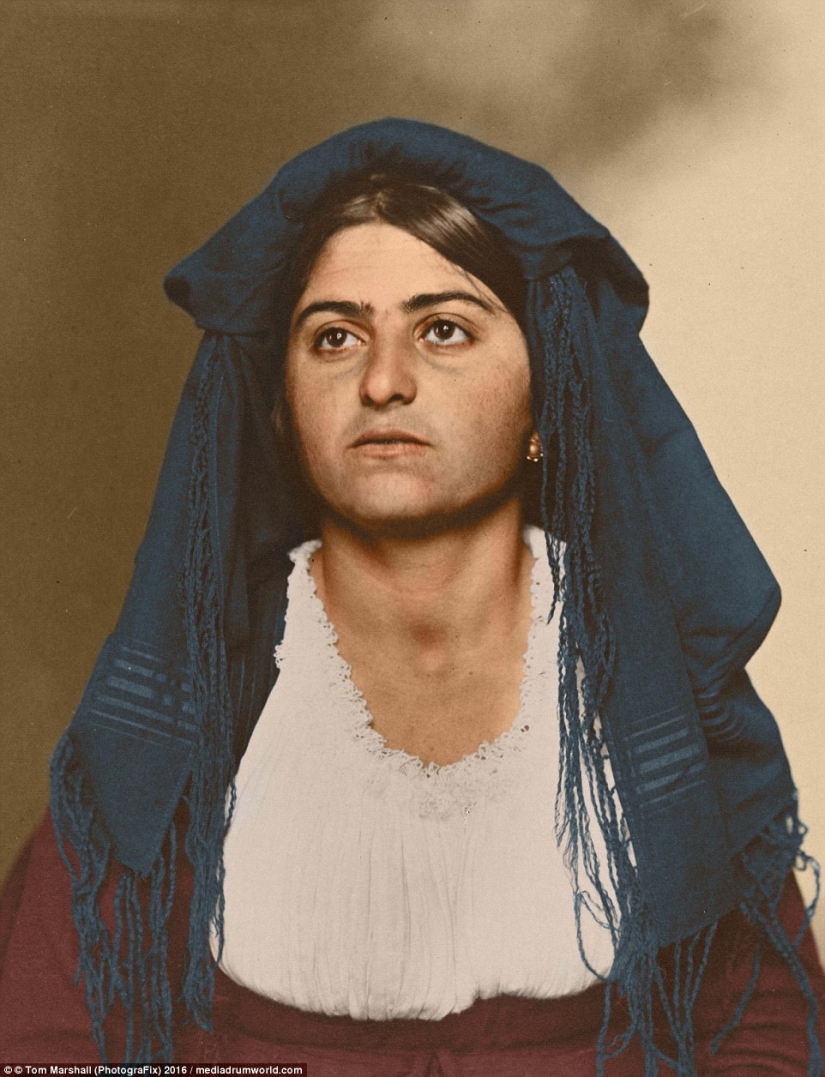
An Italian woman in a traditional headdress, 1910.
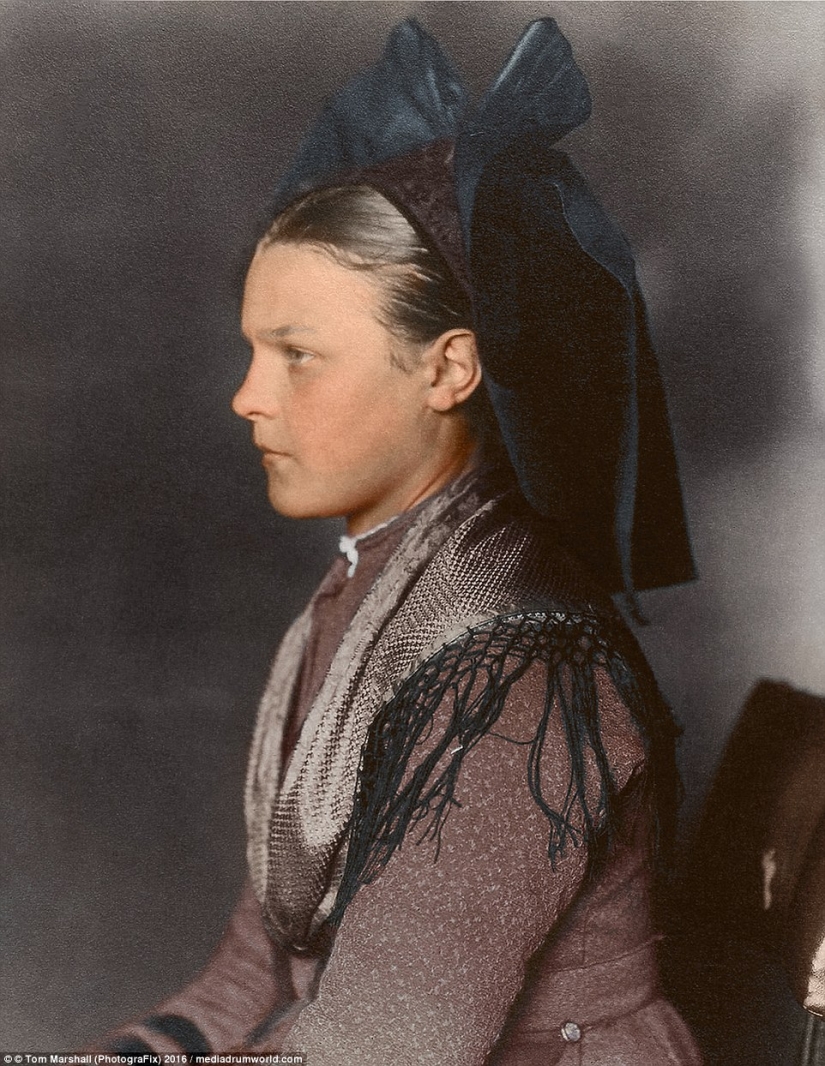
A girl from the Alsace-Lorraine region, which at that time was part of Germany, and after the First World War became part of France. 1906.
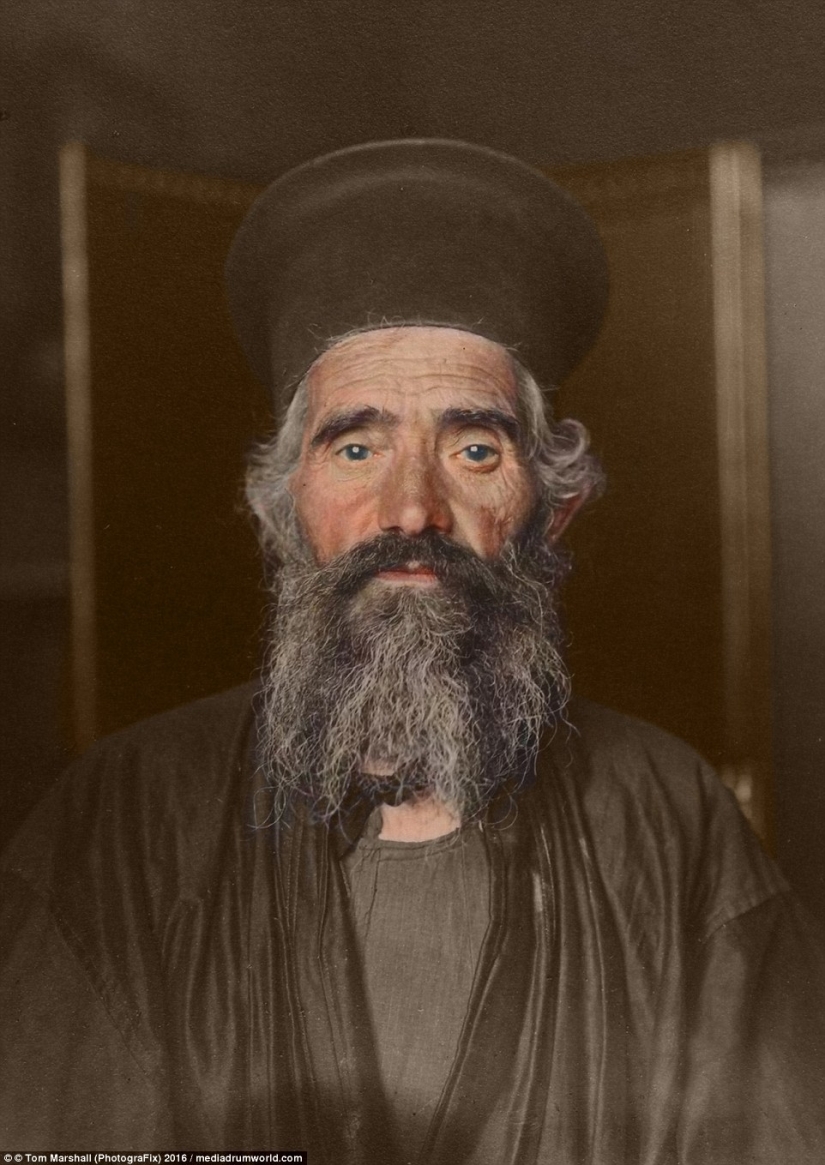
An Orthodox priest from Greece, 1910.
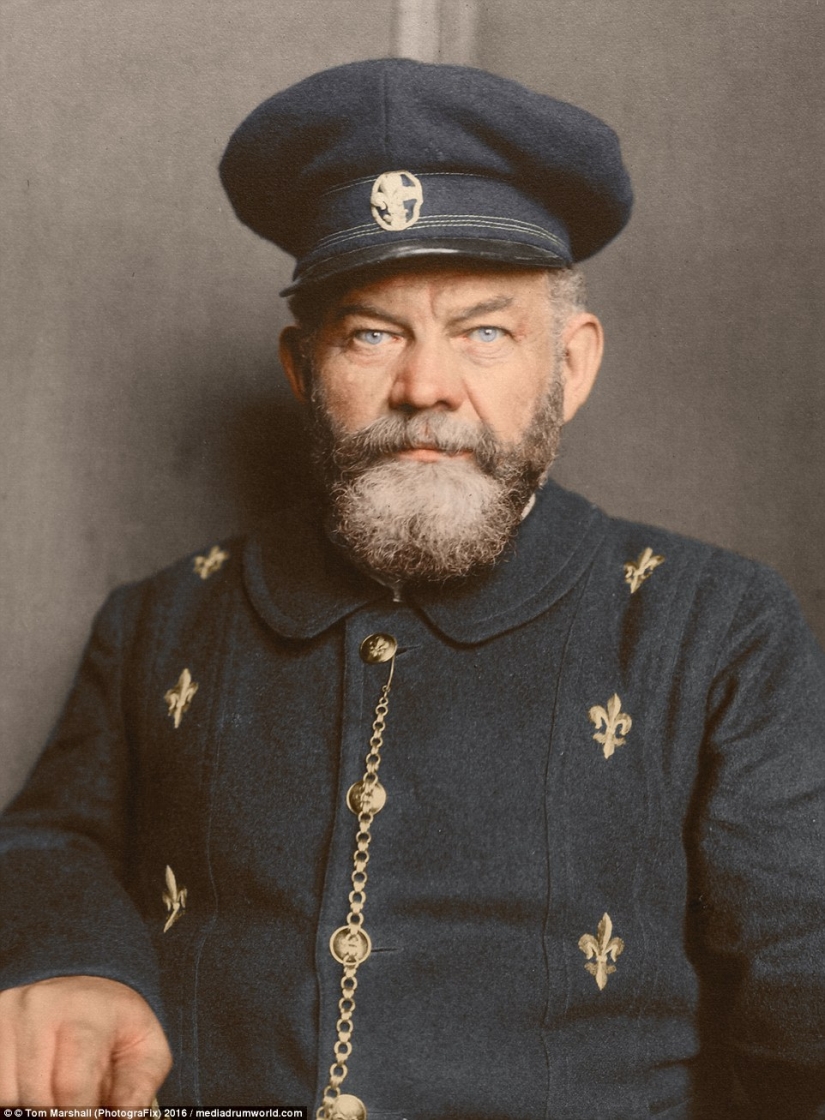
The Dane, 1910.
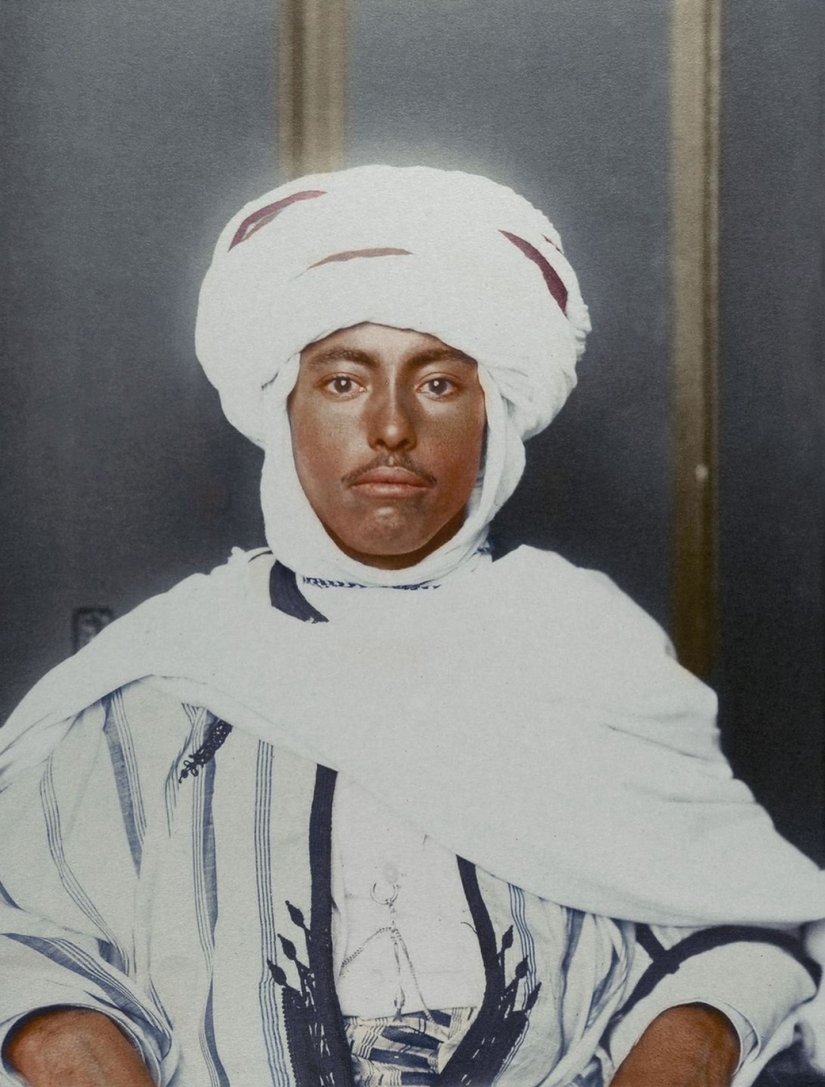
A young man from Algeria, 1910.
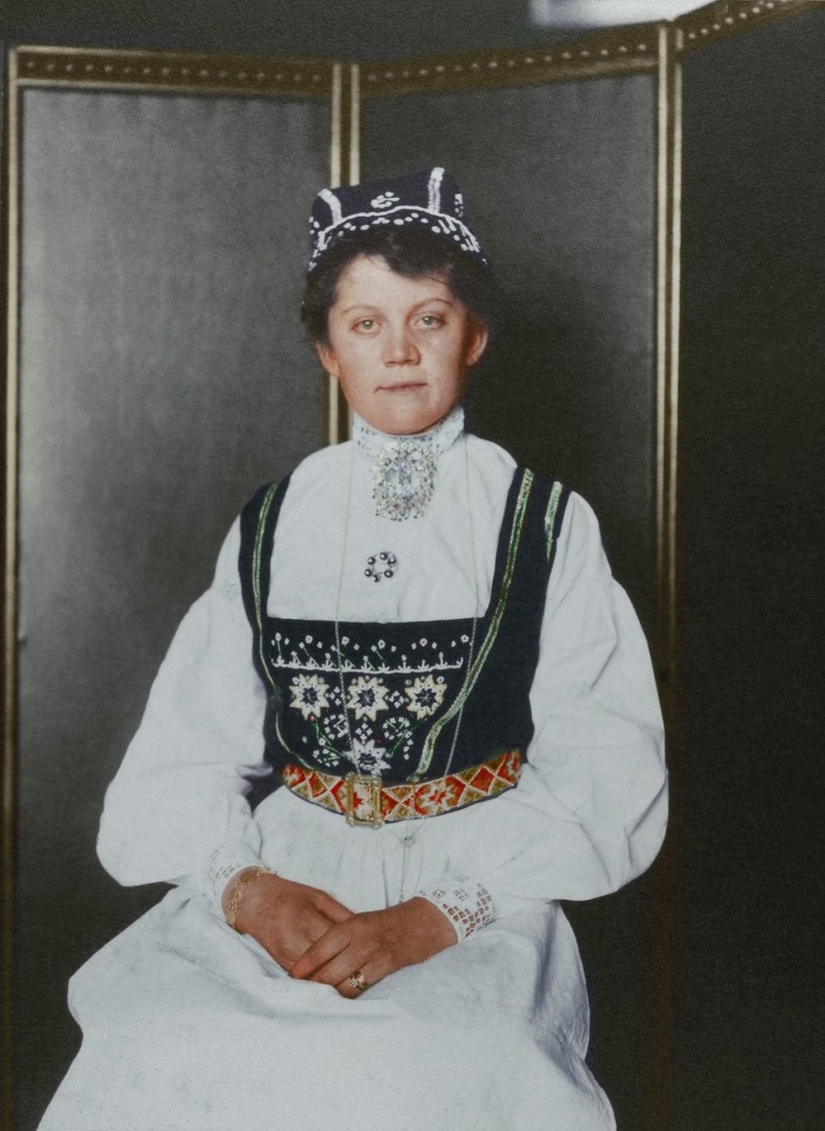
A girl from Norway, 1910.
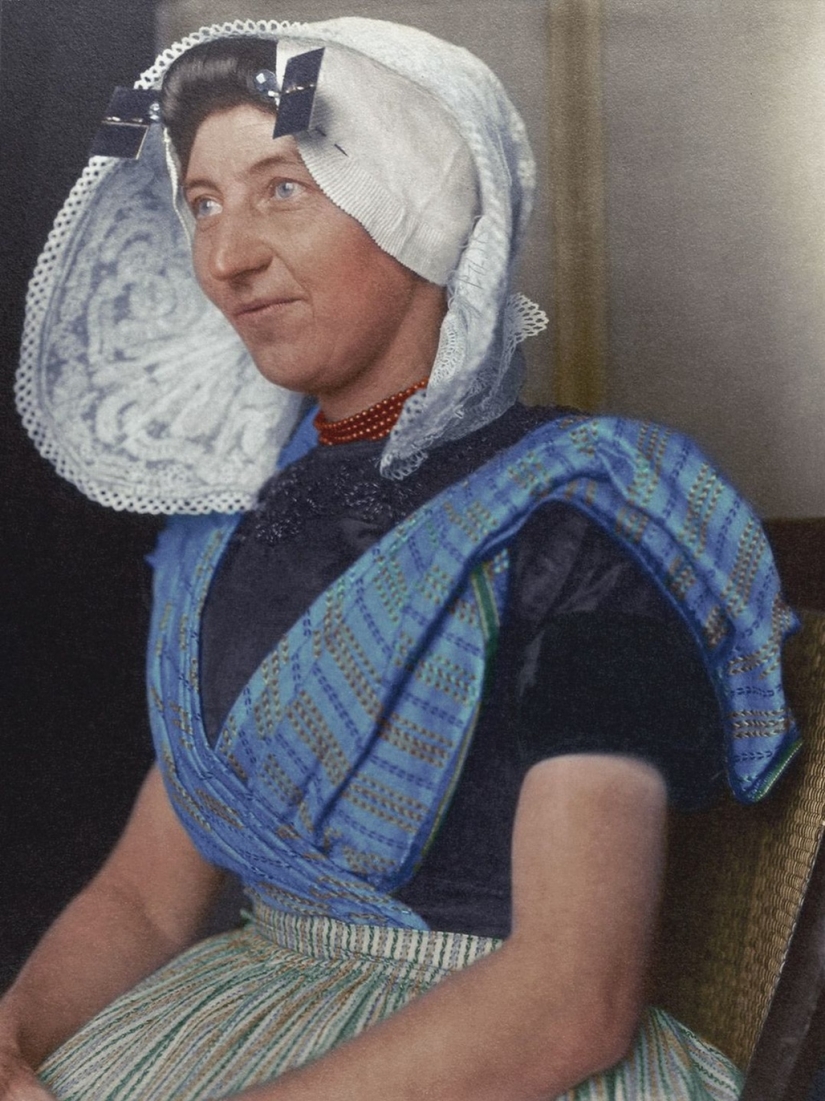
A woman from the Netherlands, 1910.
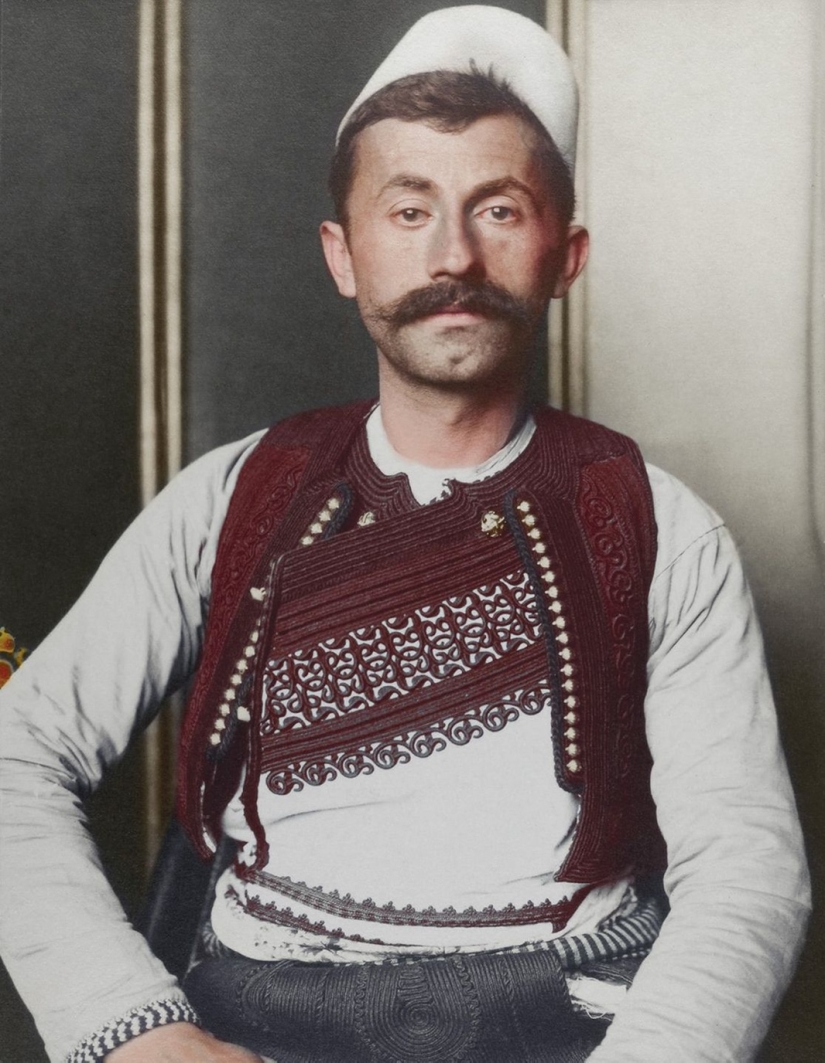
A native of Albania, 1911.
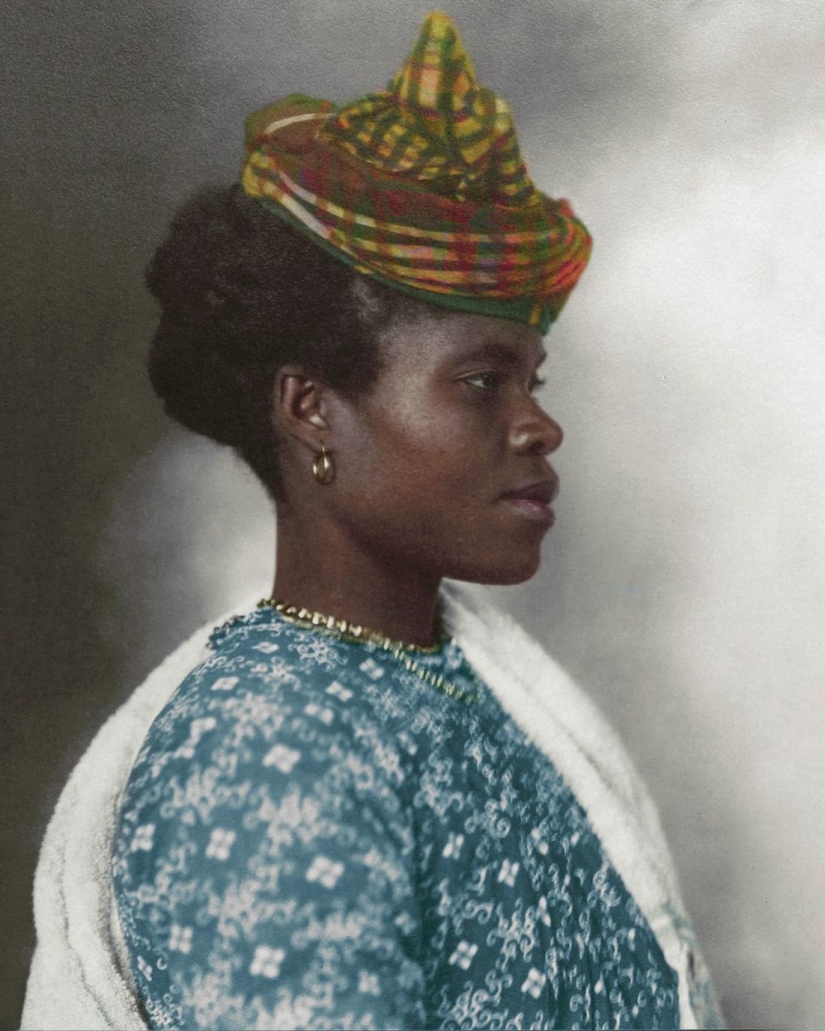
The girl from Guadeloupe, 1911.
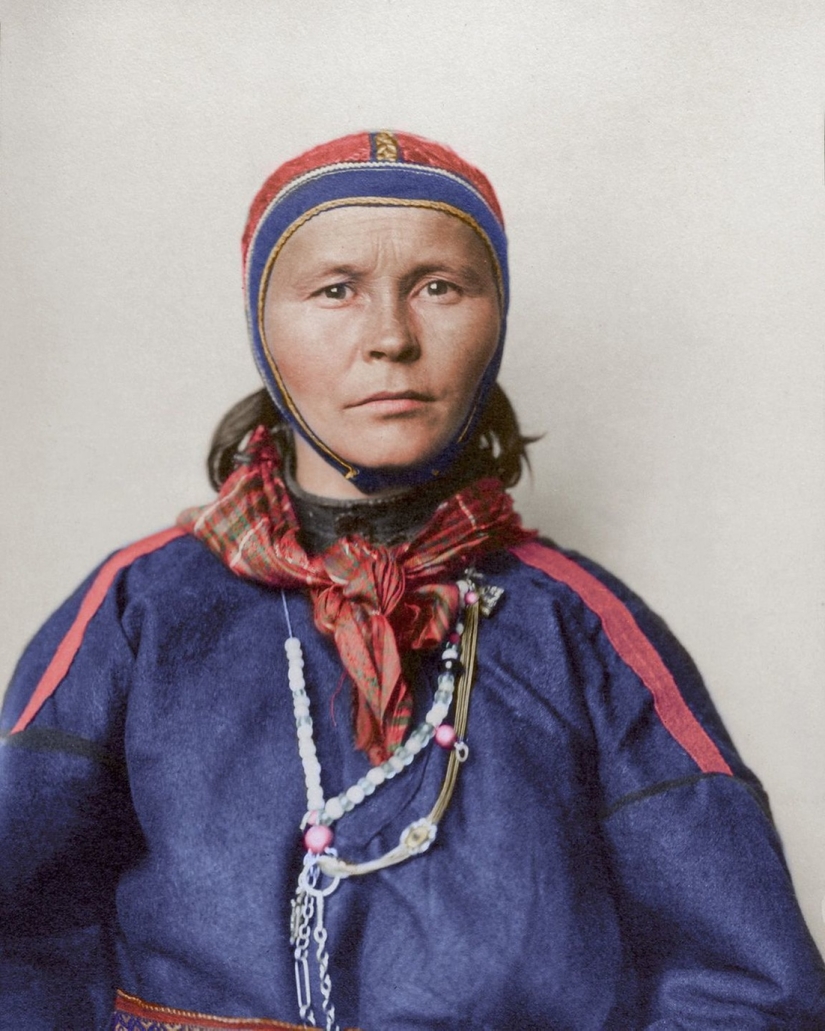
A woman from Lapland, 1910.

Rusinka, 1910. Rusyns inhabited the territory that historically belonged to the Galician-Volyn Principality. It ceased to exist in the XIV century, and its lands were divided among other states.
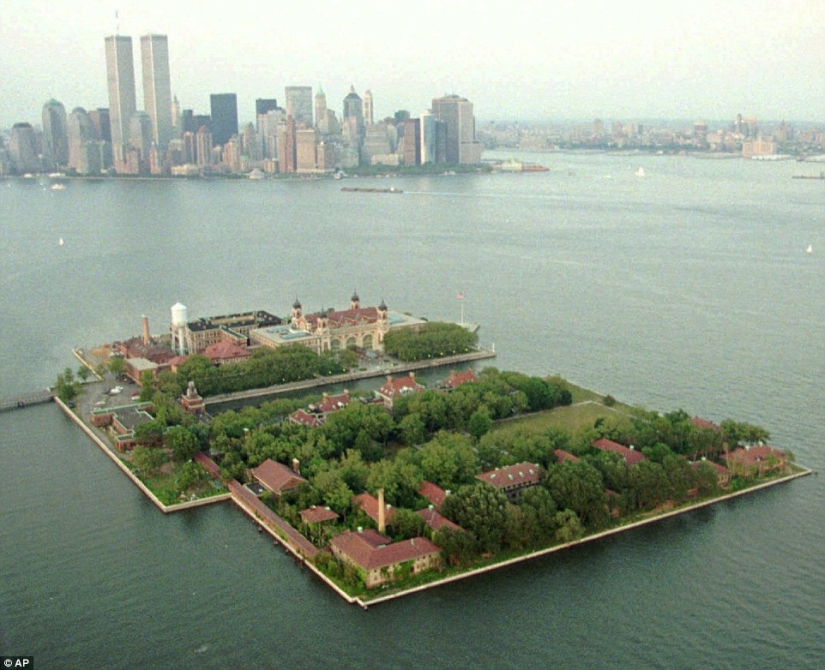
Ellis Island.
Keywords: XX century | Immigrants | Colorization | Hope | Clothes | Differences | Portrait | Portraits | USA | Photographer | Color photos
Post News ArticleRecent articles

It's high time to admit that this whole hipster idea has gone too far. The concept has become so popular that even restaurants have ...

There is a perception that people only use 10% of their brain potential. But the heroes of our review, apparently, found a way to ...
Related articles

The death of over a million people in the death camp Auschwitz (Auschwitz-Birkenau) — a terrible page in the history of the ...

People have always been interested in what the future will look like and how modern technologies will develop. This was especially ...

In the color portraits of the 1870s, colored by the colorization expert Tom Marshall, children look at the lens too severely and ...
New Year's is a time to surprise and delight loved ones not only with gifts but also with a unique presentation of the holiday ...