
'Don't Be a Menace to South Central': How a Parody of Ghetto Dramas Became a Cult Movie
Categories: Celebrities | Cinema | History
By Pictolic https://pictolic.com/article/39don39t-be-a-menace-to-south-central39-how-a-parody-of-ghetto-dramas-became-a-cult-movie.htmlIn the mid-90s, a daring and absurd comedy hit the screens that forever changed the idea of the parody genre. The film "Don't Be a Menace to South Central While Drinking Your Juice in the Hood" became a bright response to the wave of crime dramas about life in the ghetto that filled American cinema. It ridiculed cliches, exposed social contradictions and at the same time managed to become a cult. How this black comedy appeared, why it is still relevant and what makes it special.
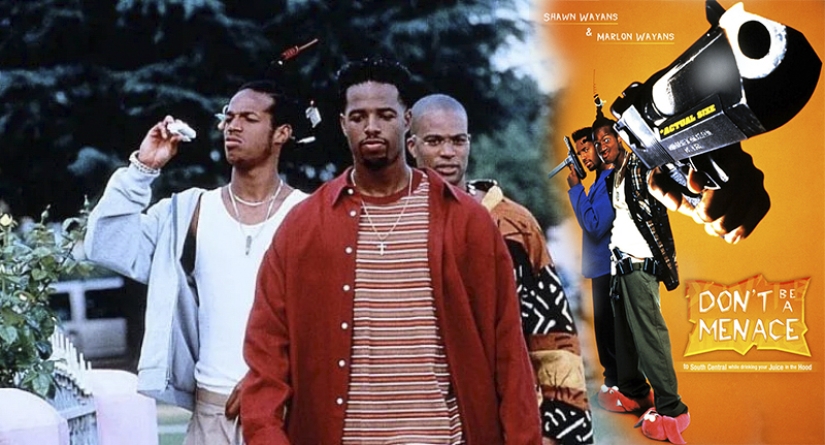
In the 90s, films about the problems of the black population and African-American ghettos began to appear en masse in the USA. The films "Boyz Next Door" (1991), "The Authority" (1992), "Menace to Society" (1993), "Against the Current" (1992) and many others had an instructive character. They showed the difficult everyday life of youth criminal gangs in disadvantaged neighborhoods, where human life was literally worthless.
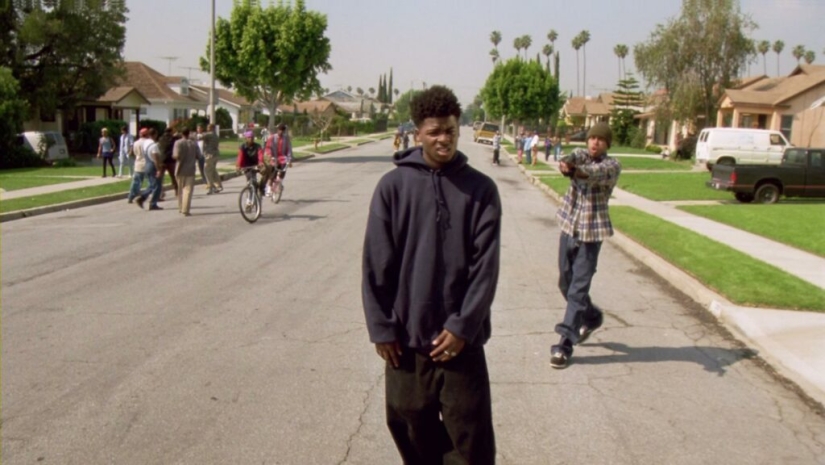
It is difficult to determine whether the creators of ghetto dramas followed fashion or implemented a social program. Such films always have both devoted fans and ardent opponents who laugh at hackneyed cliches and cliches. When a genre is overflowing with stereotypes, there are always people ready to parody them.
The title of the film is so long because the creators took almost one word from each film they were parodying. They were making fun of the entire genre of ghetto films.
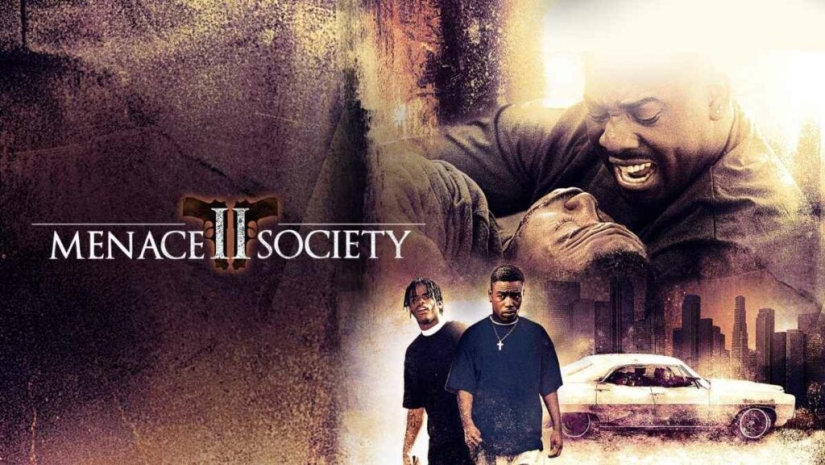
"Don't Be" is a reference to Menace to Society (1993), a ghetto drama about life in the ghetto. One of the main characters, O-Dog, became the inspiration for the character Lockdog. The film also featured a young Samuel L. Jackson, just a year before he appeared in Pulp Fiction.
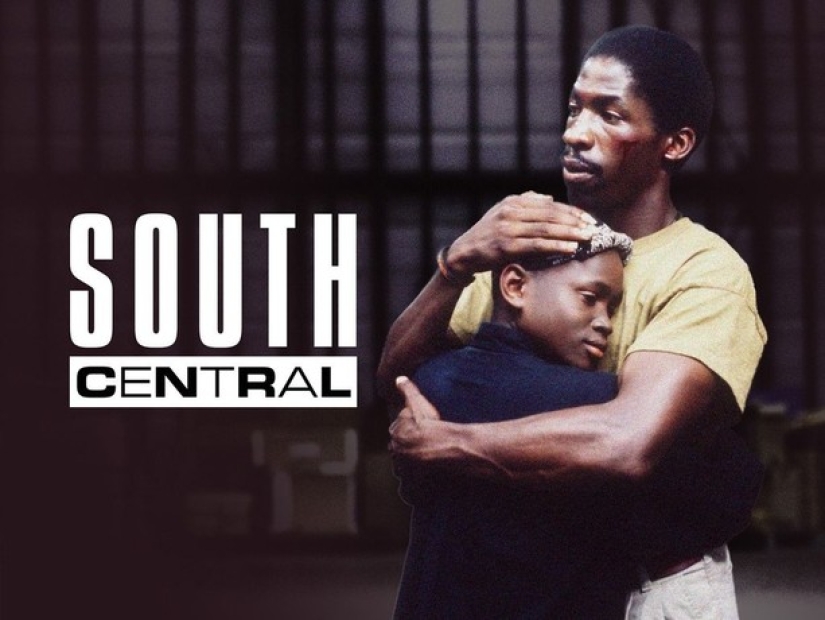
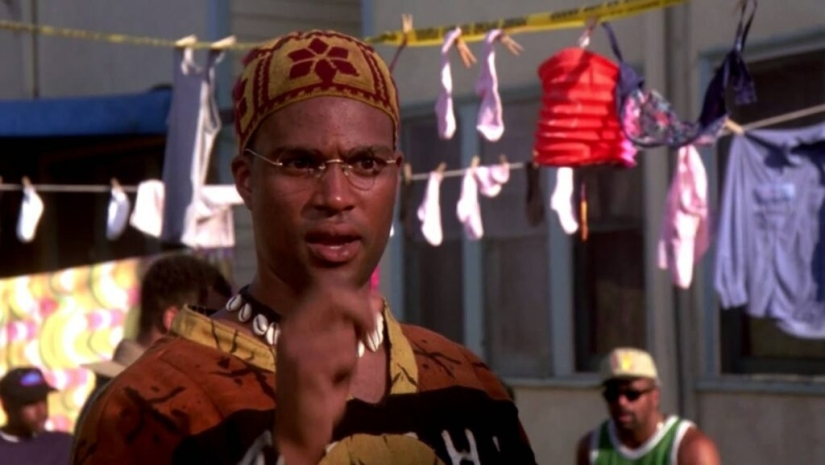
"South Central" takes us back to the 1992 film of the same name, which tells the story of a Los Angeles gang. The image of the prison preacher was taken from this film.
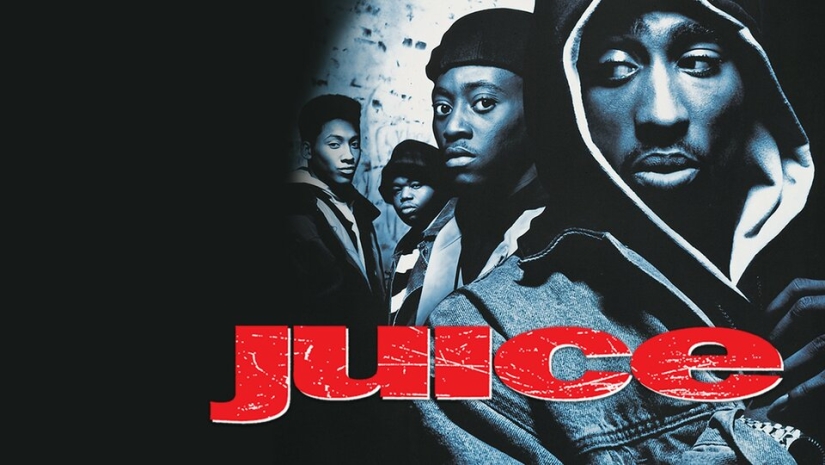
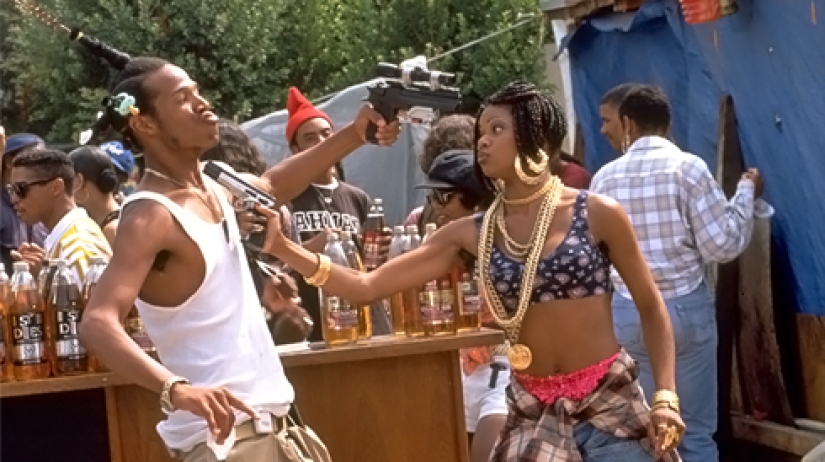
"While Drinking Your Juice" is a reference to the 1992 film Juice, starring the late Tupac Shakur and a young Omar Epps. This is another film where a young Sam Jackson can be seen. The fanatical consumption of Old English is conspicuous, although it was present in other sources as well.
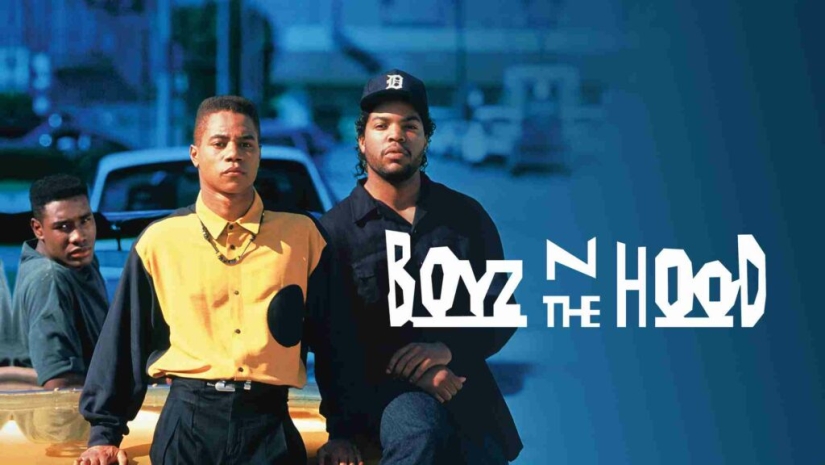
"In the Hood" is a reference to "Boyz n the Hood" (1991) starring Cuba Gooding Jr. and Ice Cube, which was one of the most parodied films in Central.
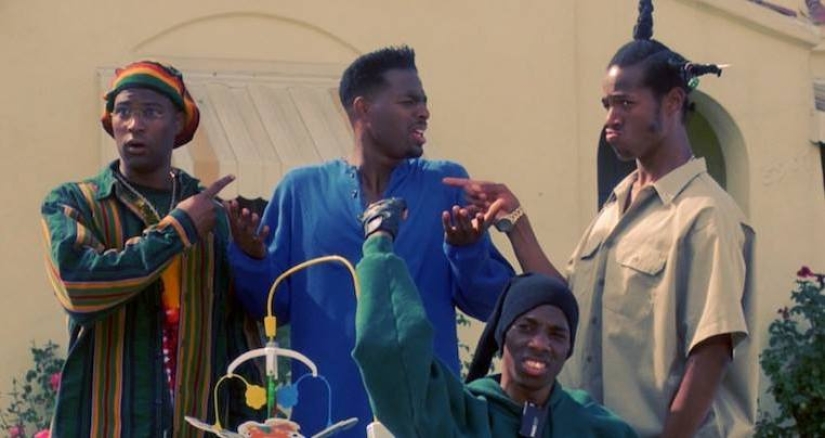
There were many ghetto dramas at the end of the 20th century, but almost all of them were soon forgotten. But the authors of the crime comedy "Don't Be a Menace to South Central While Drinking Your Juice in the Hood" stood out from the rest - they created a truly witty and talented work. Thanks to this, their film took its place in the history of cinema, while many films that became the object of parody sank into oblivion.
The main "feature" of the cult film is, of course, absurd humor. It is built on many comic episodes. Over the years, these moments have acquired their own life and have become real memes. Fragments of the comedy are so popular that they are unmistakably recognized even by those who have never seen the film itself.
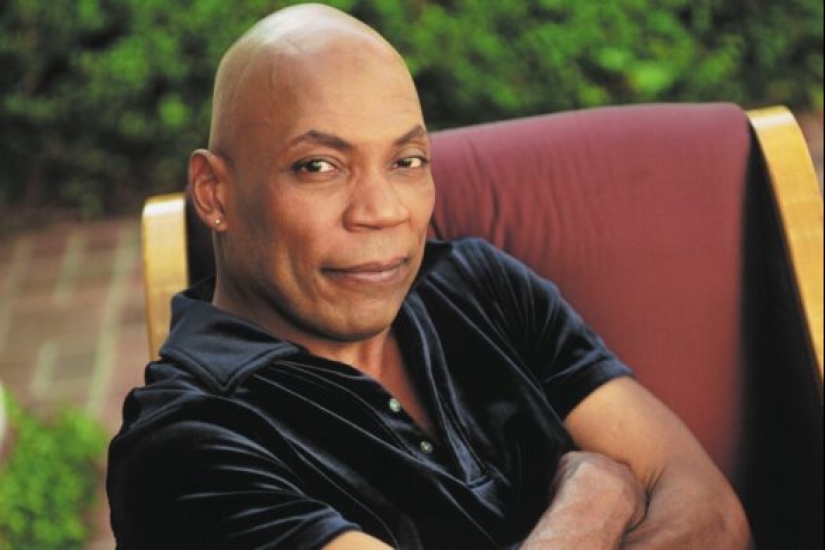
Many episodes of the film seem absolutely politically incorrect today, and they simply could not have been filmed today. The film, which was released in 1996, can safely be called one of the last successful works where jokes about skin color were not yet banned. Incidentally, this is the only full-length film in the career of director Paris Barclay.
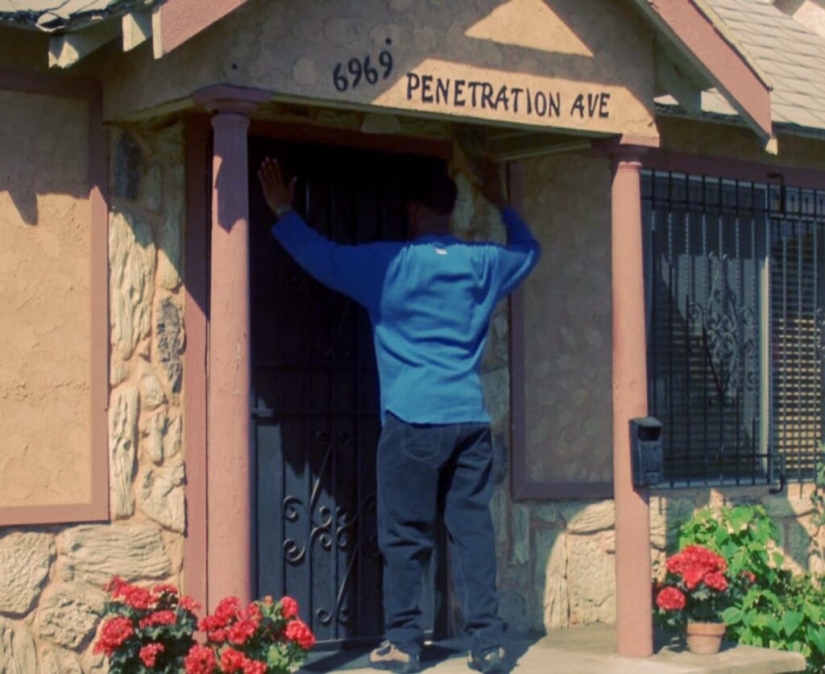
Barclay never tried to repeat his success in this genre again and abandoned the idea of making a sequel. After the triumph of Don't Be a Menace to South Central, he focused on television, where he created many episodes of popular series. Few people know, but the director managed to work on such projects as NYPD Blue, ER, House, Smash, and City Angels.
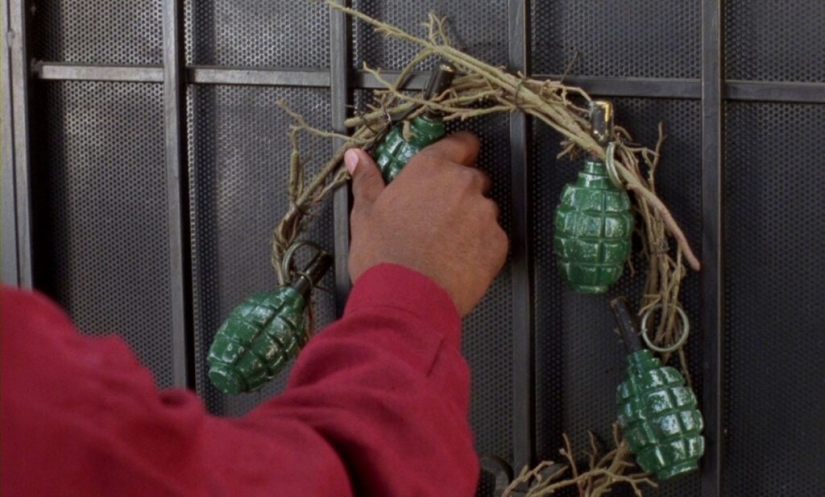
The film not only has many specific jokes, but also a large number of references to other films, famous people and significant events. Many fans of the comedy watch it again and again to find such "Easter eggs". Let's remember the most interesting of them.
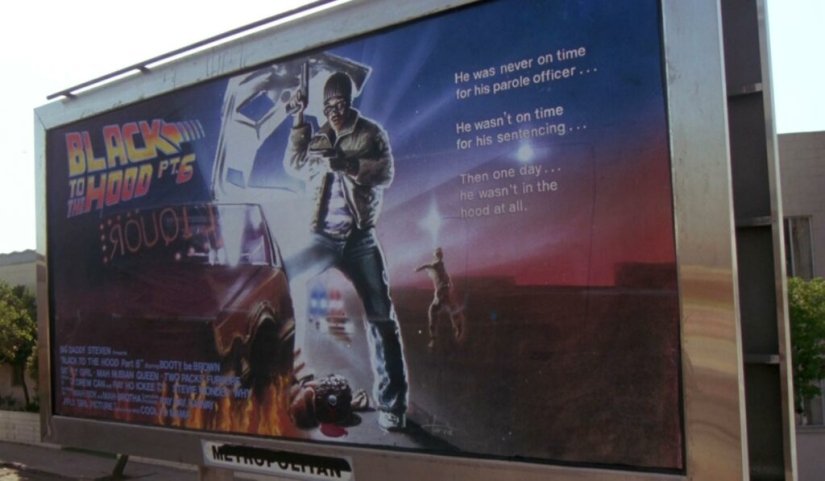
In one of the scenes of the film, behind the characters, a billboard with a movie poster is visible. This is a non-existent picture "Black to Hood", which literally means: "Blacks - to the ghetto". The poster design parodies the advertising of the popular film trilogy "Back to the Future".
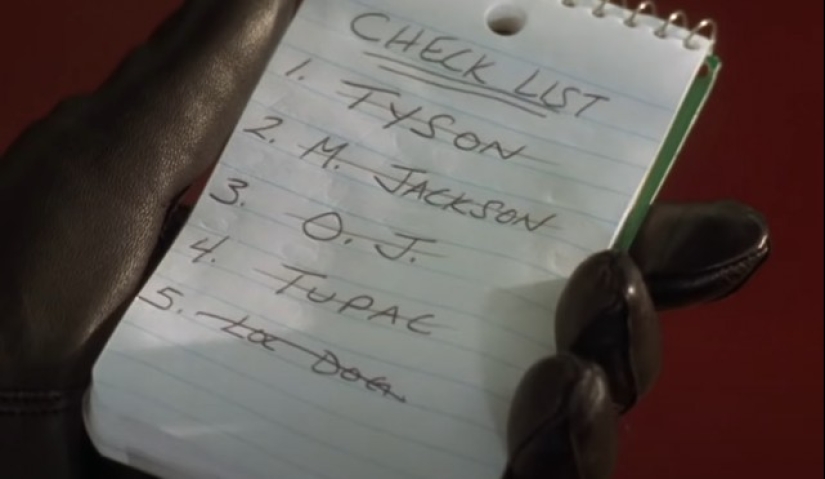
After a store shooting, the killer pulls out a notebook with the names of people to frame. Among them are black celebrities who have been accused of breaking the law at various times. They are Mike Tyson, Michael Jackson, O.J. Simpson and Tupac.
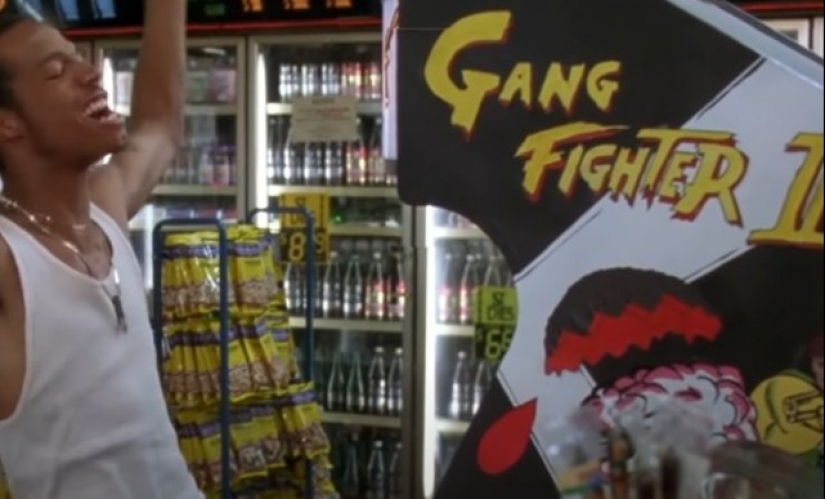
In the store, Lock Doc plays the slot machine "Gang Fighter". The game's name is a parody of the popular 90s fighting game "Street Fighter".
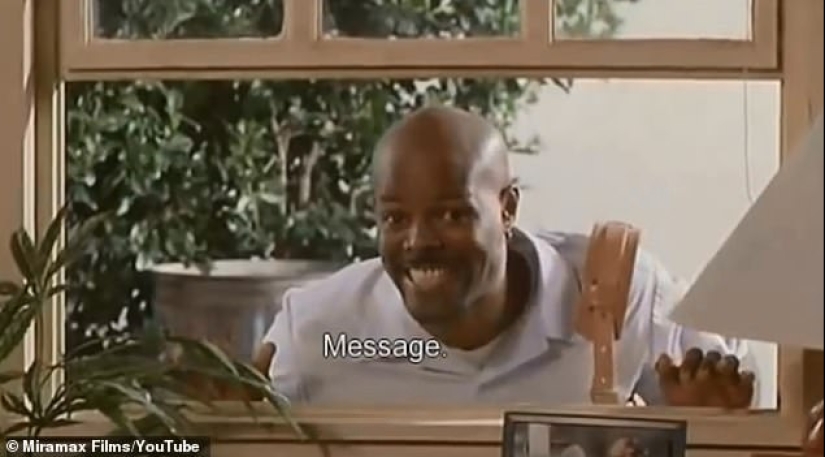
In every episode, when some profound reasoning is heard, the postman appears with his signature "Message!" Sometimes this was translated literally as "Message! Mail!", although what was meant was the message, the meaning, the essence. In newer versions of the voice acting, this was already played out correctly.
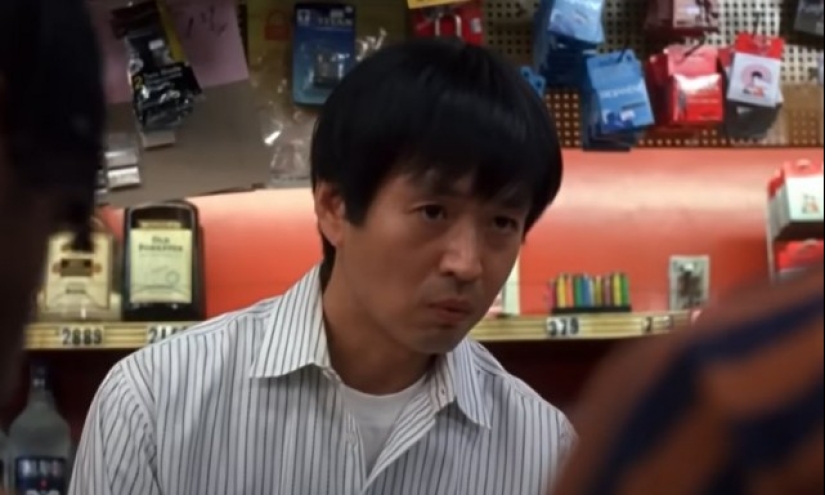
The moment in the Chinese store parodied a scene from the movie "Menace of Society." It was there that the iconic phrase "What did you say about my mother?" appeared. Incidentally, the roles of the Asian couple in "Menace of Society" and "Don't Be a Menace to South Central" were played by the same actors. In the original film, the store clerks were shot.
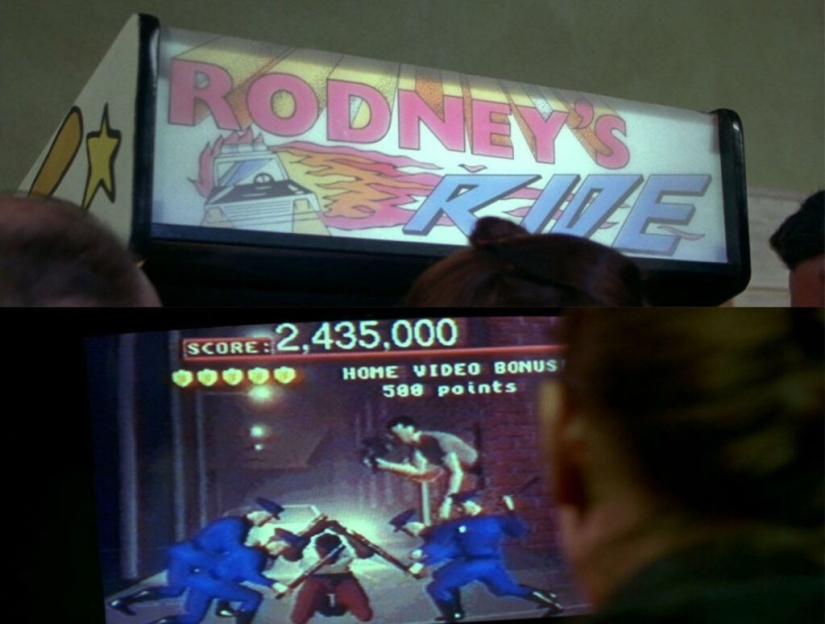
At the police station, the cops are playing a slot machine that says "Rodney's Ride." This is a reference to a guy named Rodney King who was the victim of police brutality, which led to riots in Los Angeles.
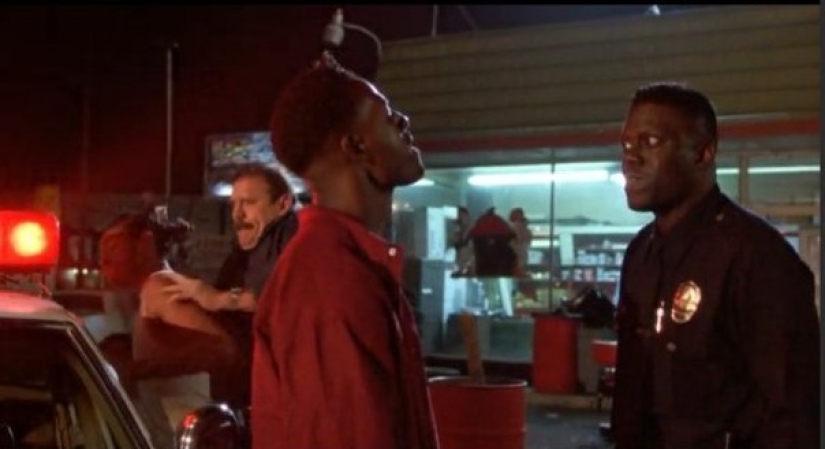
When the police arrest the main characters for being black on Friday, a Ford Bronco can be seen driving away behind them. There are traces of blood on it. This is a reference to athlete O.J. Simpson, who killed his wife and her lover. He escaped in a similar car.
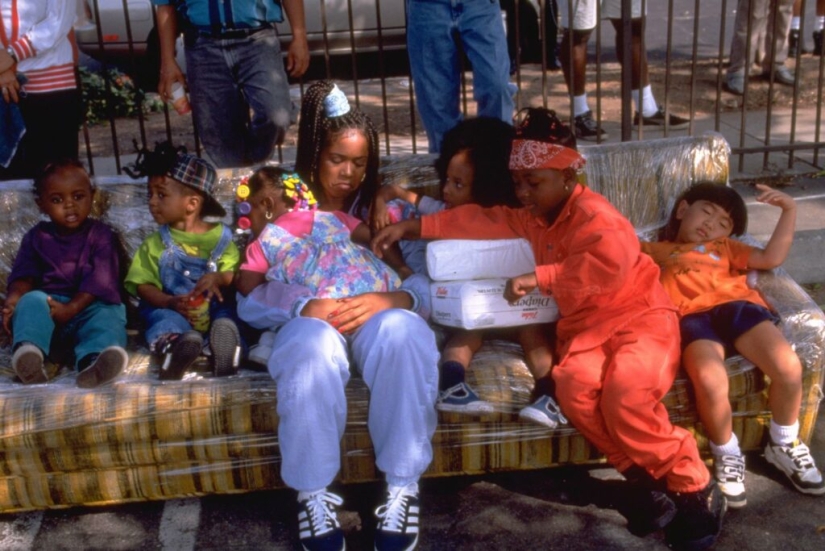
When Dashiki shows up with a bunch of kids, Loc Doc tells his cousin Ash to stay away from her. He says she has more kids than Mommy Wayans. This is a playful reference to Shawn and Marlon Wayans, who play Ash and Loc, growing up in a super-large family.
The film "Don't Be a Menace to South Central While Drinking Your Juice in the Hood" can safely be called a success. With a modest budget of $3.8 million, it earned more than $20 million at the box office. Viewers liked the film, but critics did not. It was called stupid, formulaic and offensively racist.
But the paradox is that in the post-Soviet space, Don't Be a Menace to South Central has become a truly cult phenomenon. In the mid-90s, a VHS tape with this film was in every self-respecting video store. The popularity of Central in our region is hard to overestimate. While younger moviegoers may have seen only individual fragments that have been turned into memes, those over 30 know this film very well and quote it from time to time.
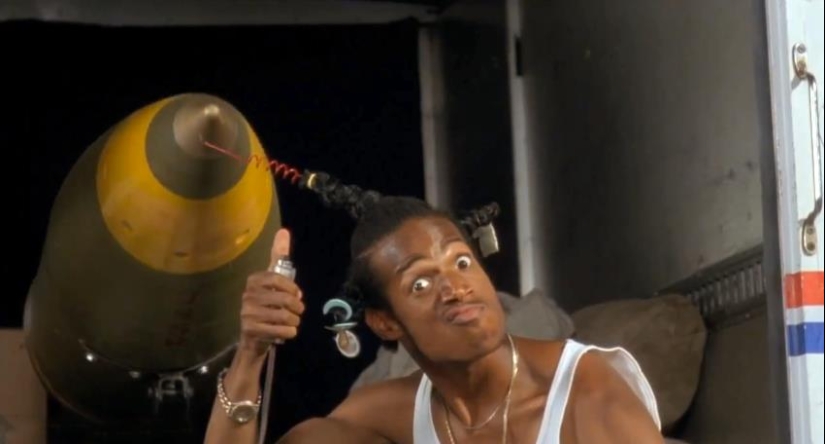
The main reason for this success is that we perceived this film as an independent work, and not as a parody. Unlike the same "Hot Shots", in "Central" we did not at all grasp where the roots of the jokes were growing.
After all these years, Don't Be a Menace to South Central still provokes laughter, surprise, and controversy. Some consider it a bold satire of ghetto drama, others - the epitome of bad taste. What do you think: is it possible to make such a frank and daring comedy today?
Recent articles

It's high time to admit that this whole hipster idea has gone too far. The concept has become so popular that even restaurants have ...

There is a perception that people only use 10% of their brain potential. But the heroes of our review, apparently, found a way to ...
New Year's is a time to surprise and delight loved ones not only with gifts but also with a unique presentation of the holiday ...