
Why is the human penis so small and plain compared to animal penises?
Why does the human penis seem modest compared to many other animals? Such comparative facts often raise the question: is this normal or an evolutionary atrophy? Scientists know the answer, and it's connected to the peculiarities of our behavior and our gradual departure from the laws of the wild.
The average length of the human penis when erect is about 13-15 centimeters. For a primate our size, that's quite large. A gorilla, which weighs three times more than a human, has an average penis of only 3-4 centimeters. A chimpanzee's penis is about 8 centimeters. It turns out that humans are not the most modest of primates.
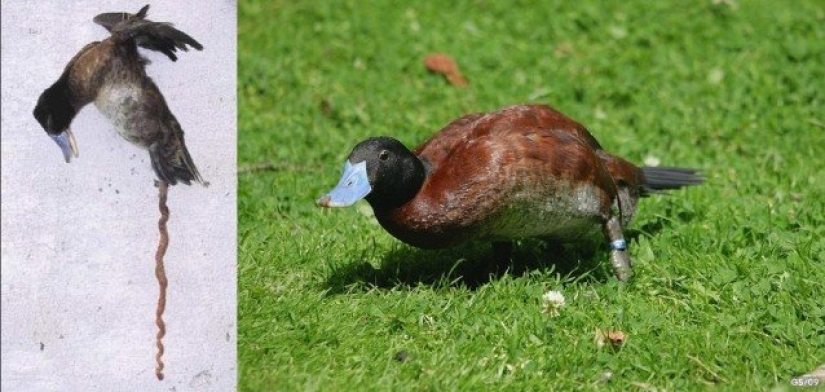
But when compared to other animals, the picture changes. The Argentine white-headed duck has a penis up to 42 centimeters long with a body size of about 30 centimeters. In pigs, this organ reaches 45-50 centimeters and is twisted like a corkscrew. And the blue whale holds the absolute record: 3 meters.
Anatomy professor Michel Spear from the University of Bristol in the UK has uncovered the secret to the size and shape of the male penis. The scientist noted that penises in nature vary in size and shape. Some penises are equipped with ridges or spines, and some even have multiple glans.
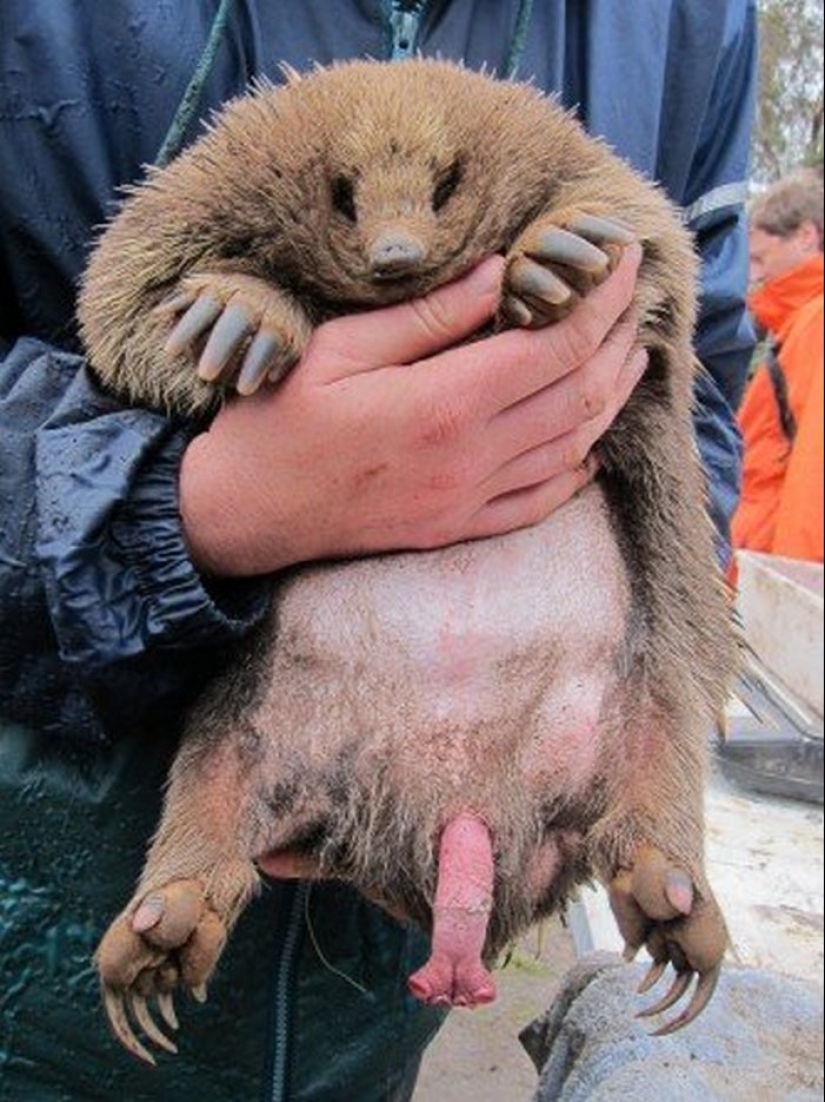
All this diversity is the result of an evolutionary struggle for the right to fertilize a female and produce offspring. But among humans, such a struggle is absent. Our species is characterized by paired sexual relations, so the penis is an anatomically simple and, one might say, "conservative" organ.
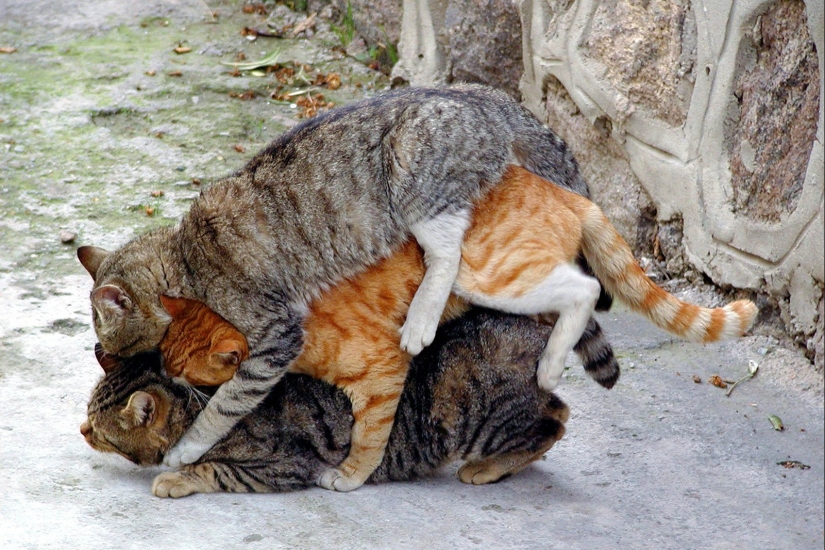
In the animal kingdom, the penis is one of the tools of sexual competition. If a female mates with several males, the chance of producing offspring is always higher for an individual with any anatomical modifications. The penises of domestic cats are equipped with spines that help stimulate ovulation and, at the same time, make it difficult for the female to mate with other males.
Some duck species have penises that are simply gigantic compared to their body size. They are corkscrew-shaped and can be brought into "working position" in a split second. This design is a response to the spiral-like structure of female vaginas, which are infused with "pockets." This structure, in turn, makes forced insemination difficult.
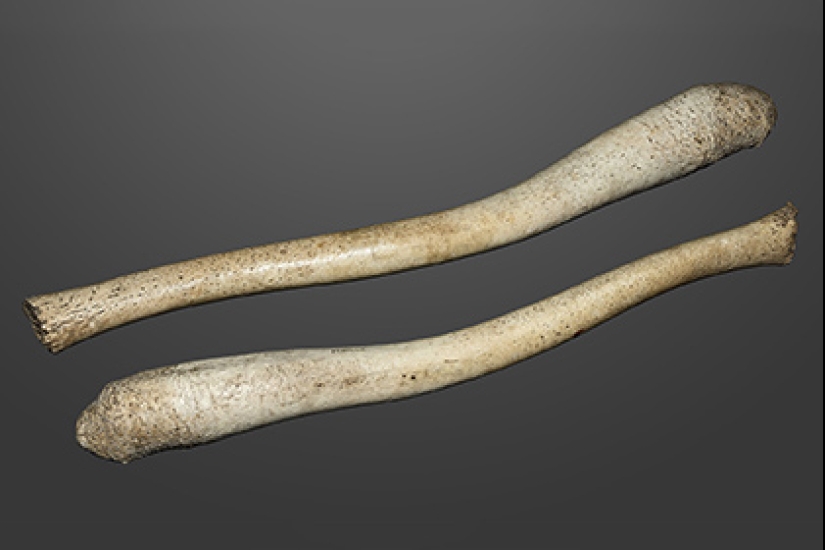
Male bedbugs have even developed dagger-like penises. They use them to pierce the female's abdominal wall to inseminate her. Most mammals have a penile bone (baculum), which serves to prolong erection, making conception more likely.
The human penis appears surprisingly simple in comparison. No bones, spines, or coils. Just smooth skin and erectile tissue. Scientists attribute this to the fact that our ancestors transitioned early to stable pair bonds. In humans, paternity began to depend not on male competition, but on partner choice and long-term social bonds.
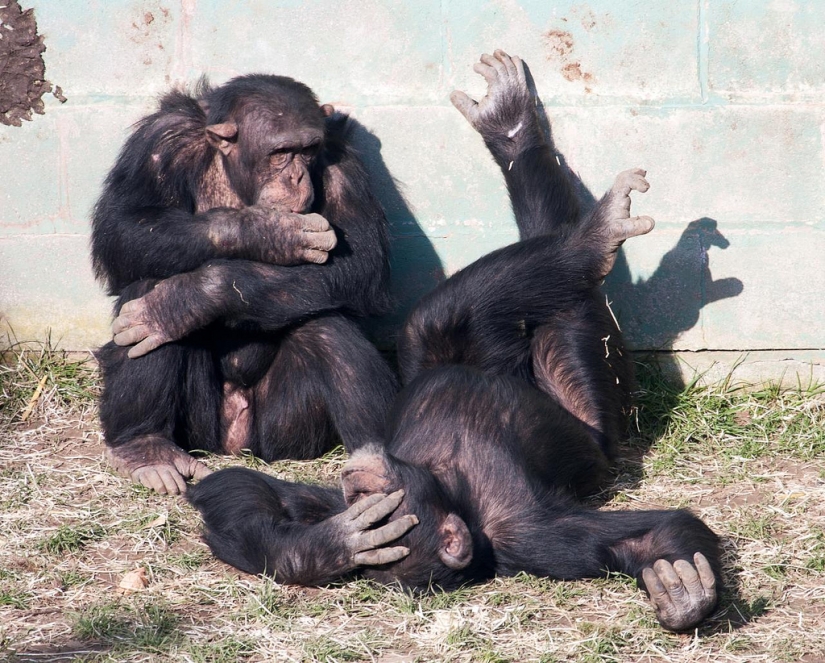
Under these conditions, complex anatomy provided no evolutionary advantage and was eventually lost. As for size, things aren't all that bad. Male genitalia are noticeably larger than those of large primates such as gorillas, chimpanzees, bonobos, or orangutans.
The shape of the human penis is no accident. The glans has a distinctive mushroom-like shape with a protruding corona. Some researchers suggest that this helped remove sperm from competitors from the vagina—a useful function in an environment where early humans did not practice strict monogamy.

Another theory links the shape to the partner's pleasure. Stimulating certain areas increases the likelihood of orgasm in a woman, which could theoretically facilitate conception. In any case, the simplicity of the design doesn't mean it's ineffective.
When considering penis size relative to body size, humans are among the largest primates. Orangutans, weighing 75-90 kilograms, have penises measuring about 4 centimeters. Gorillas are similarly proportioned. Only bonobos boast proportions close to those of humans.
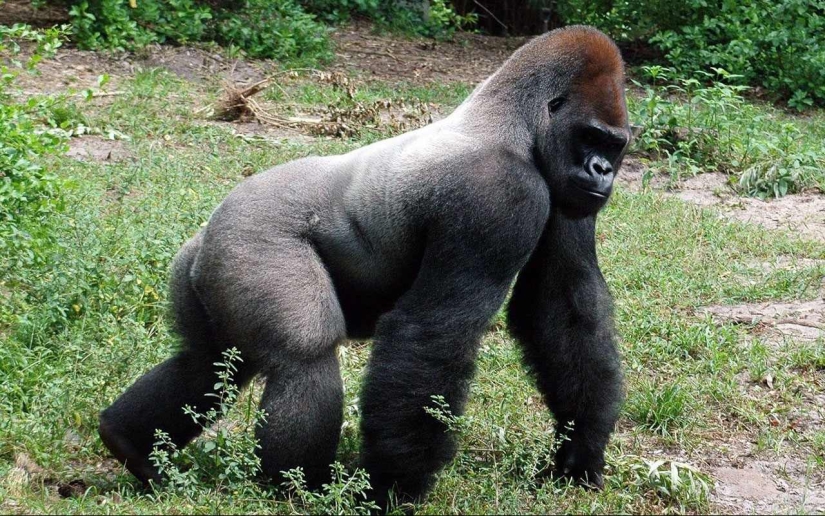
This is due to different reproductive strategies. In gorillas, one dominant male controls a group of females, so sperm competition is minimal. In humans and bonobos, the situation was different—females mated with multiple males, which triggered an evolutionary race.
Evolution has stripped the human body of many anatomical "improvements," making our species dependent on partner selection and social relationships rather than physical competition. But this is precisely what shaped our appearance today. Do you think it's even worth comparing humans to animals in such matters, or do such comparisons only hinder our understanding of our own biology?
Recent articles

It's high time to admit that this whole hipster idea has gone too far. The concept has become so popular that even restaurants have ...

There is a perception that people only use 10% of their brain potential. But the heroes of our review, apparently, found a way to ...
New Year's is a time to surprise and delight loved ones not only with gifts but also with a unique presentation of the holiday ...