
Literary characters and their real prototypes
Categories: Celebrities | Culture
By Pictolic https://pictolic.com/article/literary-characters-and-their-real-prototypes.htmlMany book heroes were born not only in the writers' fantasies, but also in real life. Authors are often inspired by familiar people, historical figures, or even random passersby. And sometimes several people at once become prototypes, whose characteristic features merge into one image. Let's figure out who stood behind the most famous characters in world literature.
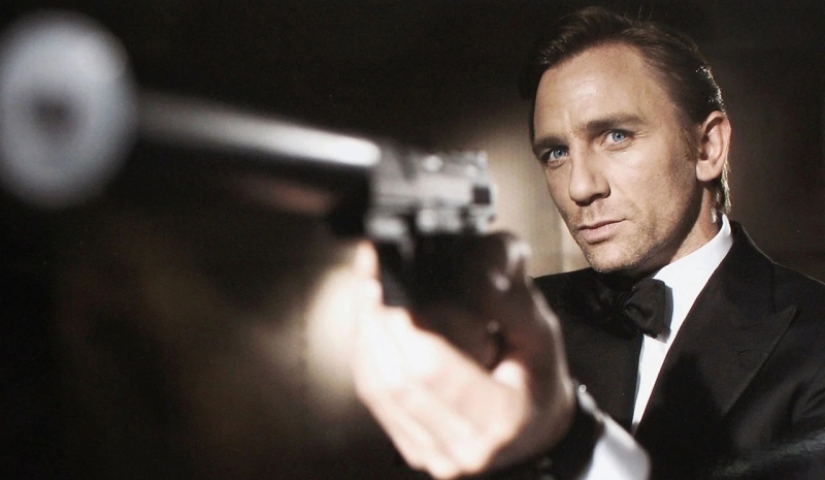
Children adore Doctor Aibolit, and his prototype was Tsemakh Shabad, a talented doctor and active public figure. Korney Chukovsky met him in Vilna (today Vilnius, Lithuania) back in 1912. The doctor's personality greatly impressed Chukovsky, who wrote about Shabad:
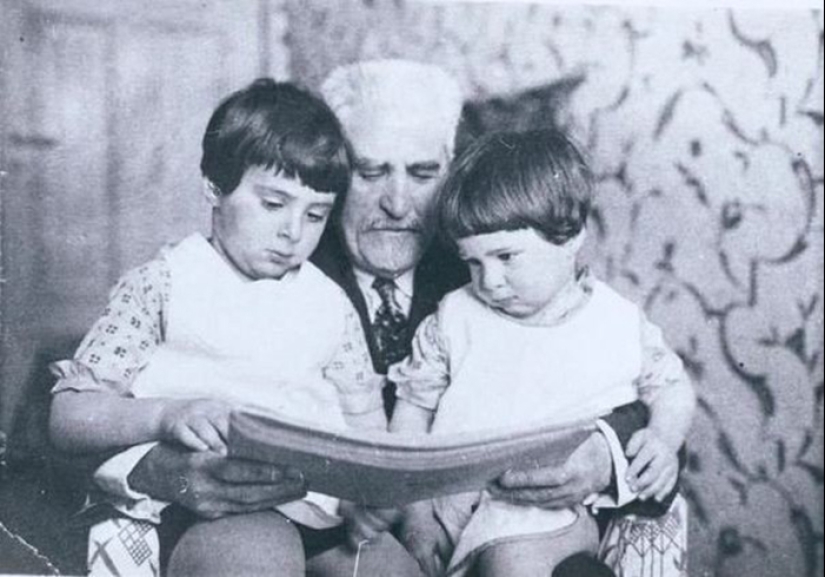
In the mornings, a whole line of children would line up to see the doctor. The little ones sincerely adored the kind doctor. They hurried to share their secrets with him and ask questions, and he talked to them as equals, as if they were adults. Shabad always provided assistance to all those in need. Some came themselves, others brought friends, and still others brought sick animals - pets or found on the street. Cats, dogs, pigeons - the doctor treated them all, although he never studied to be a veterinarian.
The novel "12 Chairs" by Ilya Ilf and Yevgeny Petrov is based on the adventures of Odessa resident Osip Shor. He went to Petrograd to enroll in the Technological Institute, but failed the exams and was forced to return home. But Osip did not have money for travel and had to get involved in all sorts of adventures along the way.
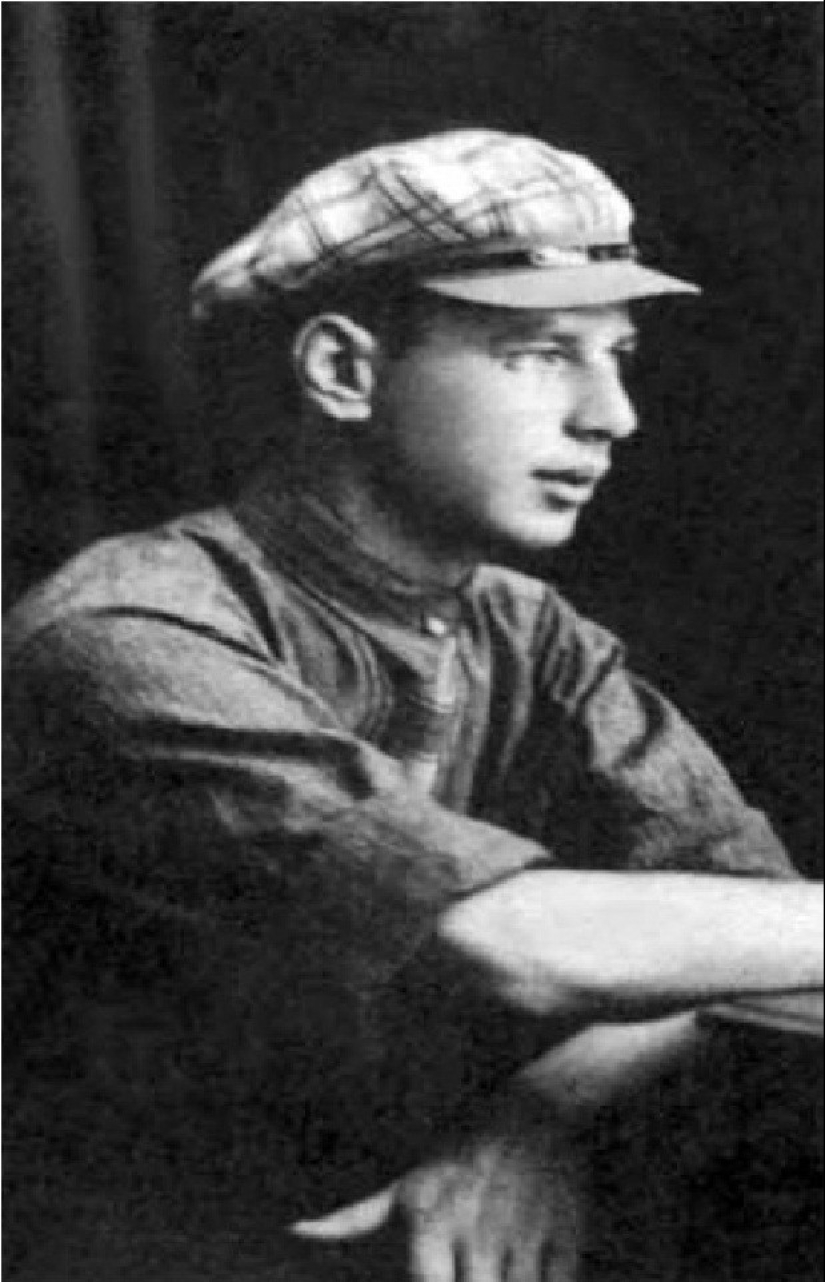
The journey took 10 months, during which the resourceful Odessa resident managed to be an artist, a fire inspector, and a grandmaster. Returning to Odessa, Osip Shor became an operative of the Odessa Criminal Investigation Department. He told the writer Valentin Katayev about his adventures. He, in turn, told his story to his younger brother Evgeny Petrov and his friend, the journalist Ilya Ilf.
The prototype of the agent "007" James Bond from the book series by British writer Ian Fleming was the writer's friend Prince Bernard van Lippe-Biesterveld, the husband of Queen Juliana of the Netherlands. Bond borrowed many of the aristocrat's character traits and habits. He loved a cocktail of martini with vodka, specifying: "Shaken, not stirred."
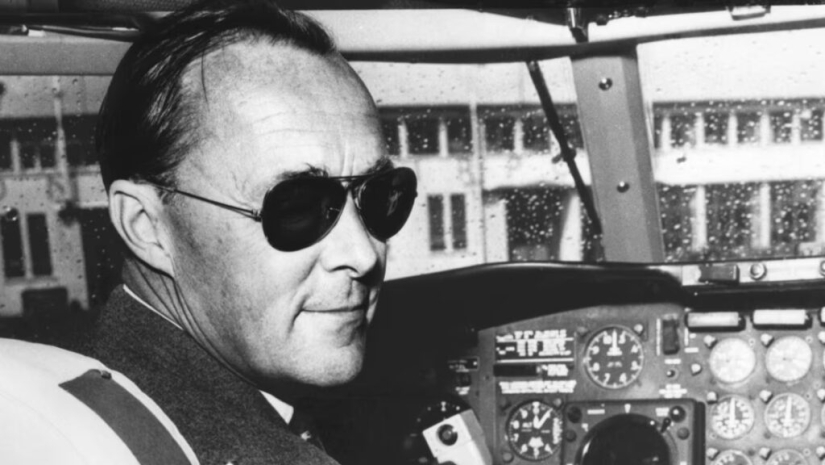
Even the famous phrase of the spy "Bond, James Bond" is taken from Van Lippe-Biesterfeld. When meeting someone, he usually said: "Bernard, Bernard Prince." However, he himself had nothing to do with intelligence. It still remains a mystery whose stories inspired the creator of the Bond series. Among the possible prototypes, the names of special agent Dusan Popov, British intelligence officer Sidney Reilly and even Richard Sorge are mentioned.
The most famous detective of all time and nations, Sherlock Holmes, was based on Edinburgh professor Joseph Bell by the English writer Conan Doyle. The doctor worked as a surgeon at the Royal Infirmary of Edinburgh. The writer borrowed his appearance, habits, deductive method and even his passion for smoking a pipe.
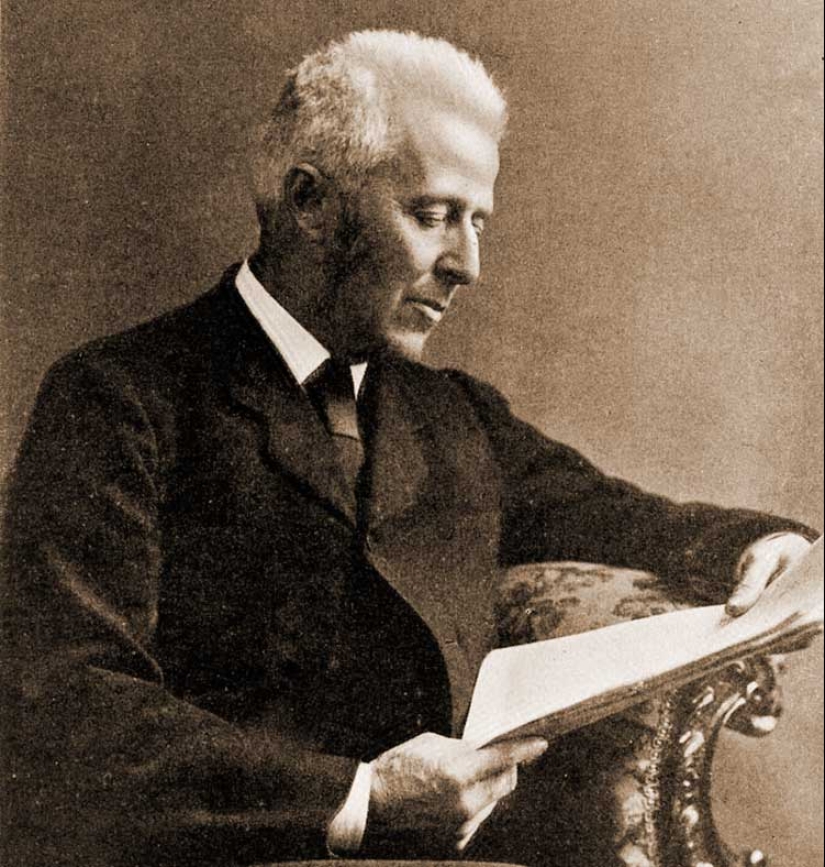
Joseph Bell, a third-generation physician, was famous not only for his professionalism but also for his amazing ability to make accurate conclusions about his patients. It was enough to look at the smallest details of appearance or behavior for him to form a detailed picture of a person.
Bell had incredible erudition. He was convinced that the wider the range of knowledge a doctor has, the easier it is for him to help patients. The surgeon had a special passion for poisons. He had a whole laboratory at home where he conducted experiments with the most dangerous toxins.
Karabas-Barabas, the sinister puppeteer from Alexei Tolstoy's fairy tale "The Golden Key, or the Adventures of Buratino," embodied the features of a real person - the legendary director Vsevolod Meyerhold. This man, whose name is closely associated with the avant-garde art of the 20th century, was famous for his tough and domineering character. He demanded absolute obedience from the actors, and they called him a "dark genius" behind his back.
It is noteworthy that even the title of "Doctor of Puppetry" did not appear by chance. Meyerhold often signed himself with the pseudonym "Doctor Dapertutto", which further connects him with the image of the famous fairy-tale character.
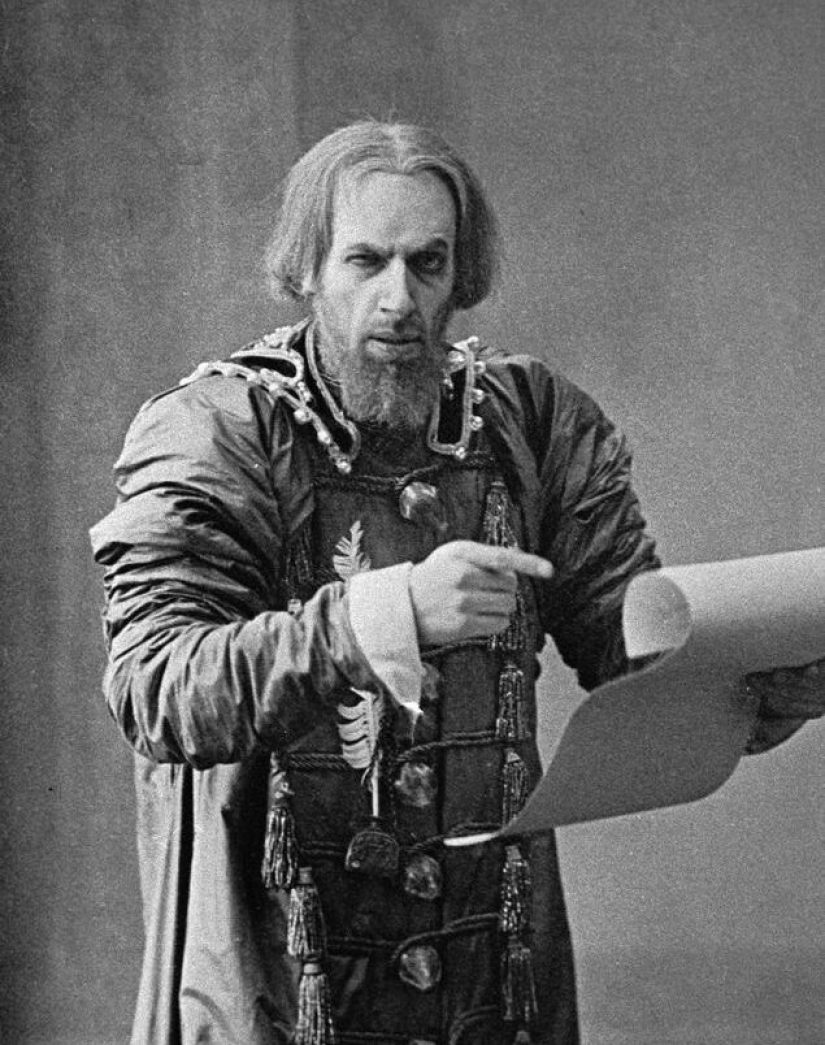
It is interesting that the image of Karabas-Barabas not only reflected the features of Vsevolod Meyerhold, but also became a symbol of authoritarian control in art. In the fairy tale, Karabas-Barabas never parted with a whip, which his dolls feared like fire. Vsevolod Meyerhold did not have a whip. But after the revolution, the director acquired a revolver, which he carried with him everywhere, even to rehearsals and performances in the theater.
The Snow Queen from Hans Christian Andersen's fairy tale, according to biographers, was inspired by the Swedish opera singer Jenny Lind. This famous artist, who was often called the "Swedish nightingale", captivated the public with her crystal voice and cold, ideal beauty. The Danish storyteller was unrequitedly in love with this woman, but did not dare to confess.
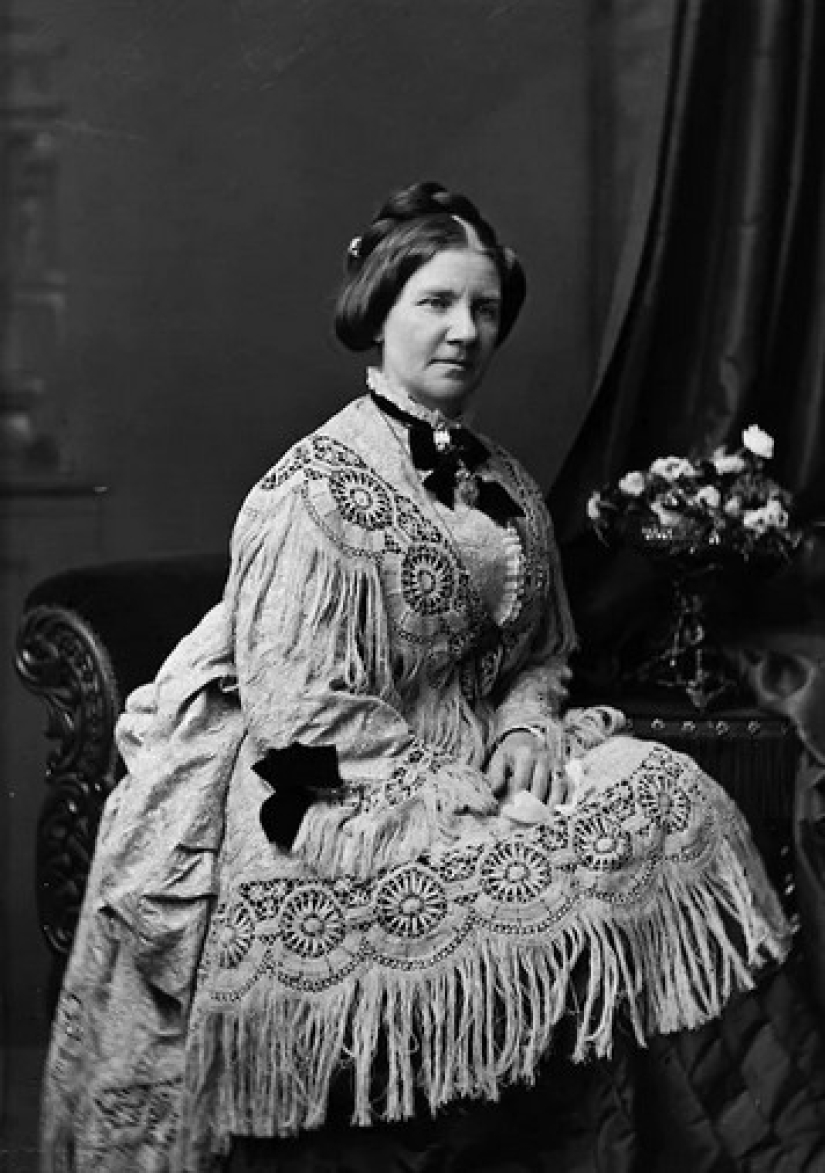
One day, before the opera diva left Denmark, Andersen decided to reveal his feelings. He wrote a letter declaring his love and gave it to Lynn. But the woman replied that she treated Andersen like a brother. This confession deeply hurt the storyteller. And already on December 21, 1844, several months after the unsuccessful explanation, the fairy tale "The Snow Queen" was published - a story about a beautiful but cold ruler with a heart of stone.
The brilliant surgeon Professor Preobrazhensky from Mikhail Bulgakov's novel "Heart of a Dog" appeared thanks to the real scientist Sergei Voronov. He also conducted experiments on transplanting sex glands and rejuvenation. Doctor Voronov's dream was to give humanity immortality or, at least, to prolong life for centuries.
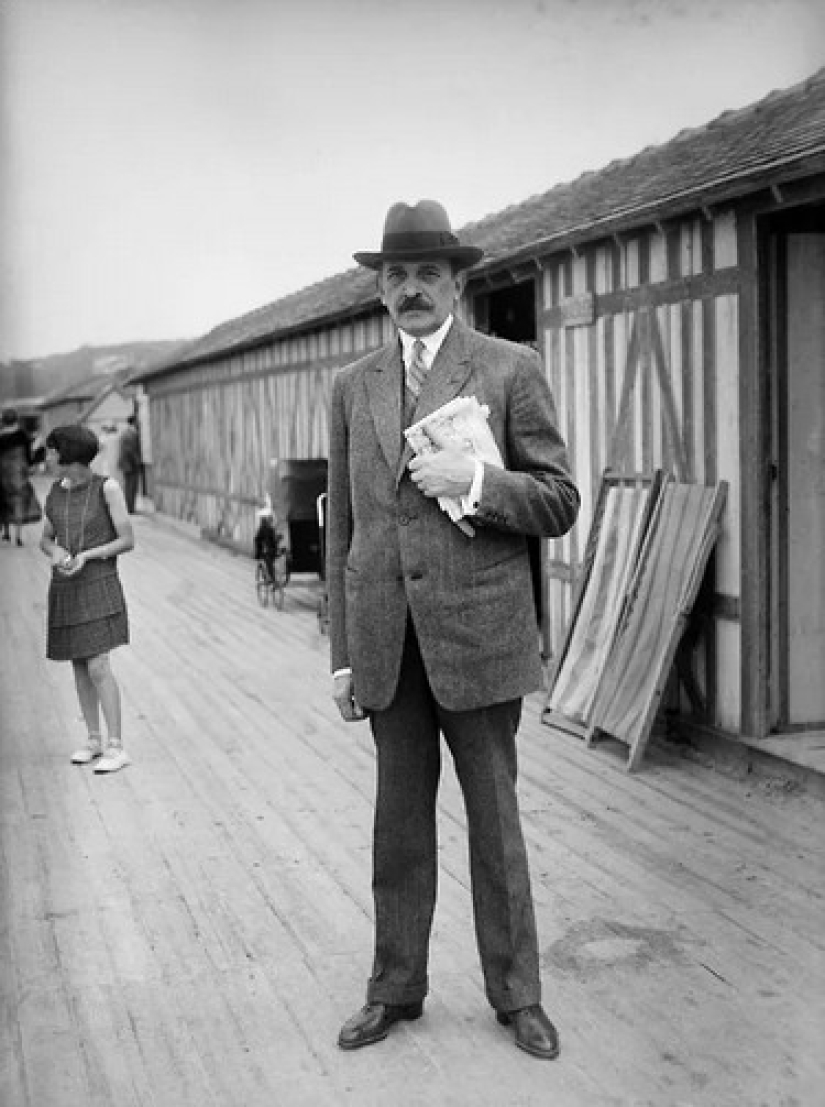
But there are other versions. According to them, Preobrazhensky's prototype could have been Bulgakov's uncle, gynecologist Nikolai Pokrovsky or biologist Ilya Ivanov. They all worked in roughly the same direction and were passionate about their experiments. Or maybe the image of the doctor was composed of the features of all these people?
The image of Alice from the fairy tale "Alice in Wonderland" appeared thanks to little Alice Liddell, the daughter of Carroll's friend. The writer often spent time with the girl over a cup of tea, telling her amazing stories. Many of these stories later formed the basis of his works. For example, in the fairy tale "Alice Through the Looking Glass" the heroine mentions that she is "exactly seven and a half years old." That is how old the real Alice was when she first met Carroll.
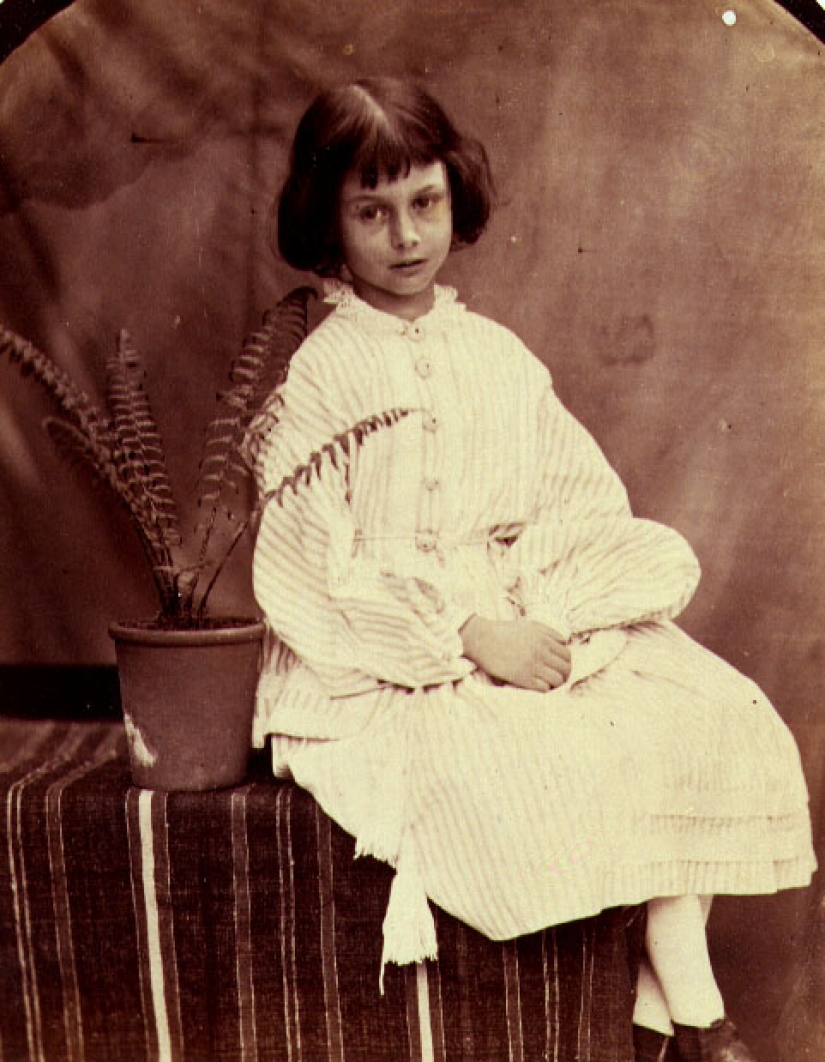
Interestingly, even Alice's sisters, Lorina and Edith, became prototypes for minor characters in the work, adding even more personal connections between reality and fiction.
Literature is closely connected to reality, and real people often hide behind fictional characters. Sometimes authors consciously transfer their acquaintances into books, and sometimes they simply draw inspiration from someone's fate. Which of these prototypes surprised you the most?
Recent articles

It's high time to admit that this whole hipster idea has gone too far. The concept has become so popular that even restaurants have ...

There is a perception that people only use 10% of their brain potential. But the heroes of our review, apparently, found a way to ...
New Year's is a time to surprise and delight loved ones not only with gifts but also with a unique presentation of the holiday ...