
Today, October 1, Japan celebrates the Day of Japanese Wine (Nihon-shu-no Hi), or, as you can translate for us foreigners, Sake Day. However, in the Land of the Rising Sun, this holiday is not official or national.
We decided to show you how the famous Japanese alcoholic drink is made.
Writes vobche: "Today we are going to a small family sake factory. Let's see under what conditions it is produced.
For some reason it seemed to me that we should come to the outskirts of the city, to the industrial zone, dress up in overalls and get into huge white workshops, where bottles of sake are traveling on a kilometer-long conveyor belt, and workers in snow-white overalls stand and monitor the operation of automatic lines…
"I must have dreamed it," I thought, stepping over the threshold of the "enterprise"."
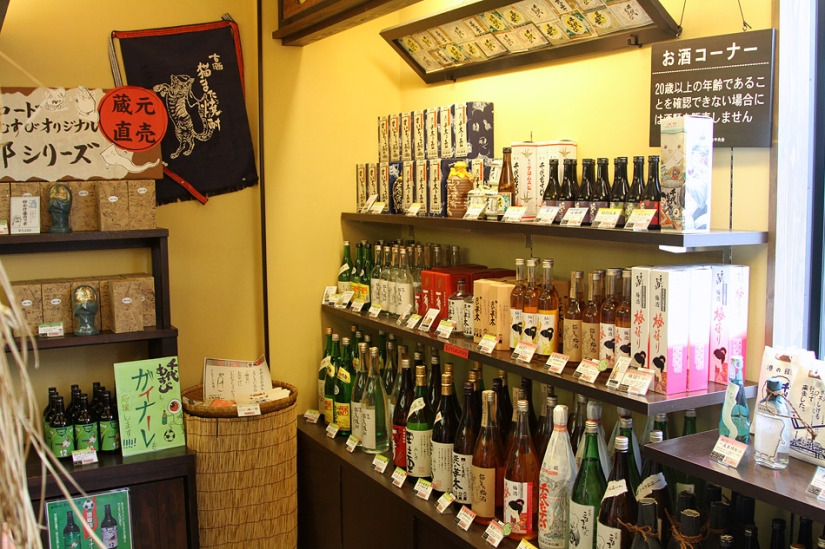
1.
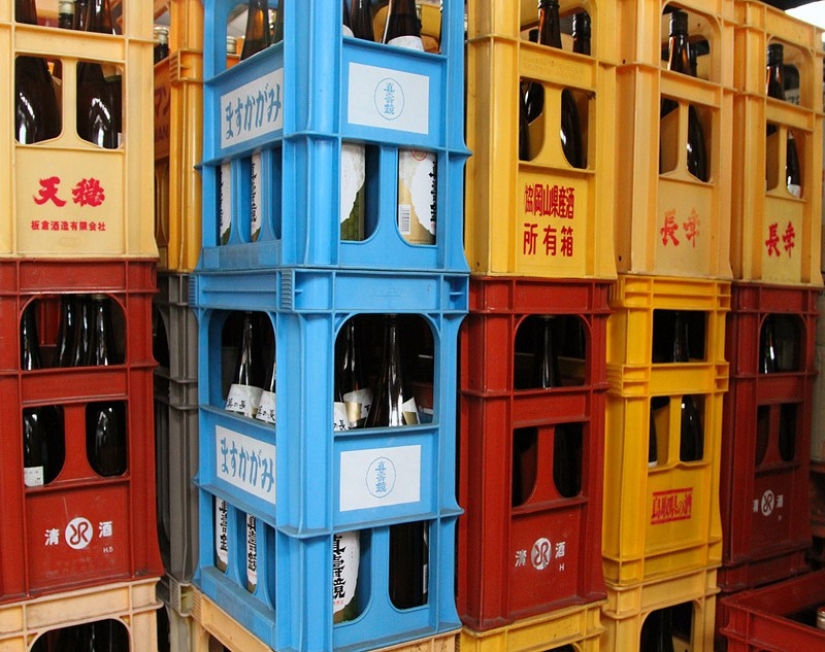
2. The factory met us with several bags of rice, equipment for cleaning raw materials, soaking, fermentation, filtration, pasteurization and aging.
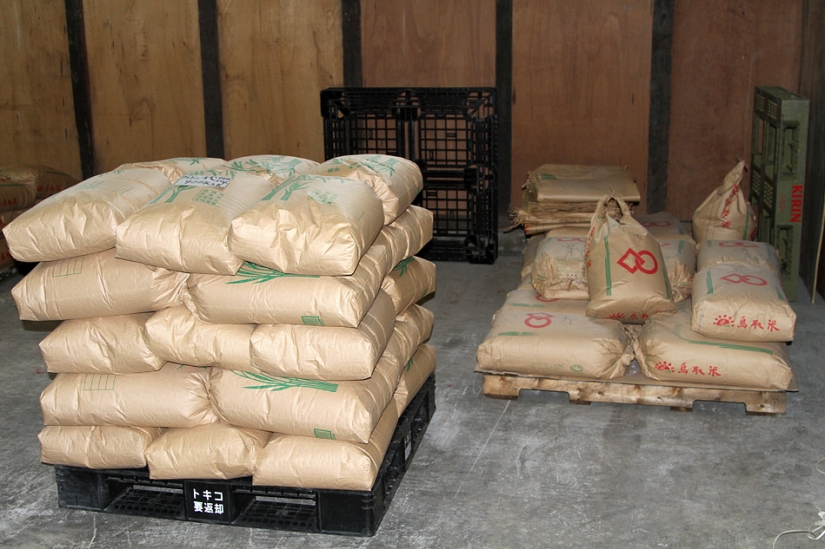
3. Let's get a little familiar with the production process and at the same time look at the photos. Rice of special varieties is used for sake preparation, which are distinguished by large and heavy grains with a high starch content. Special requirements are also imposed on water — it must contain potassium, magnesium, phosphorus and calcium, but be free of iron and manganese.
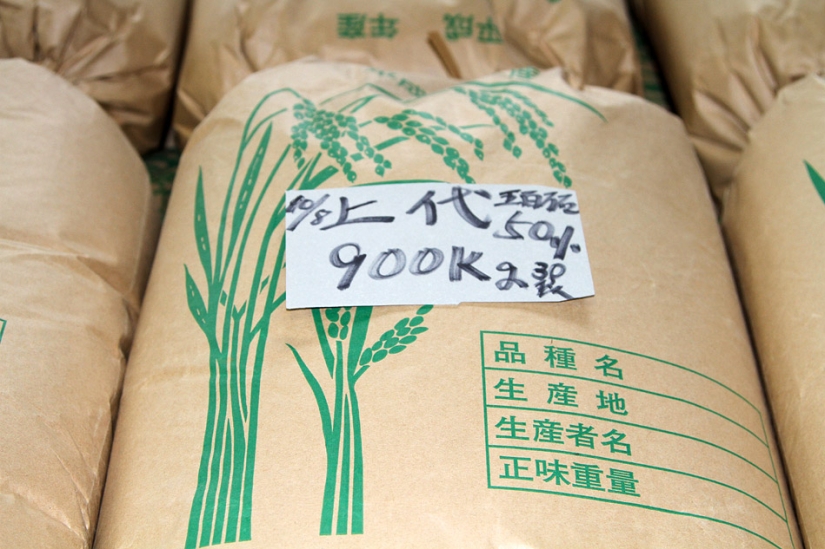
4. At the first stage of production, rice is ground, while grinding from 10 to 50% of the grain.
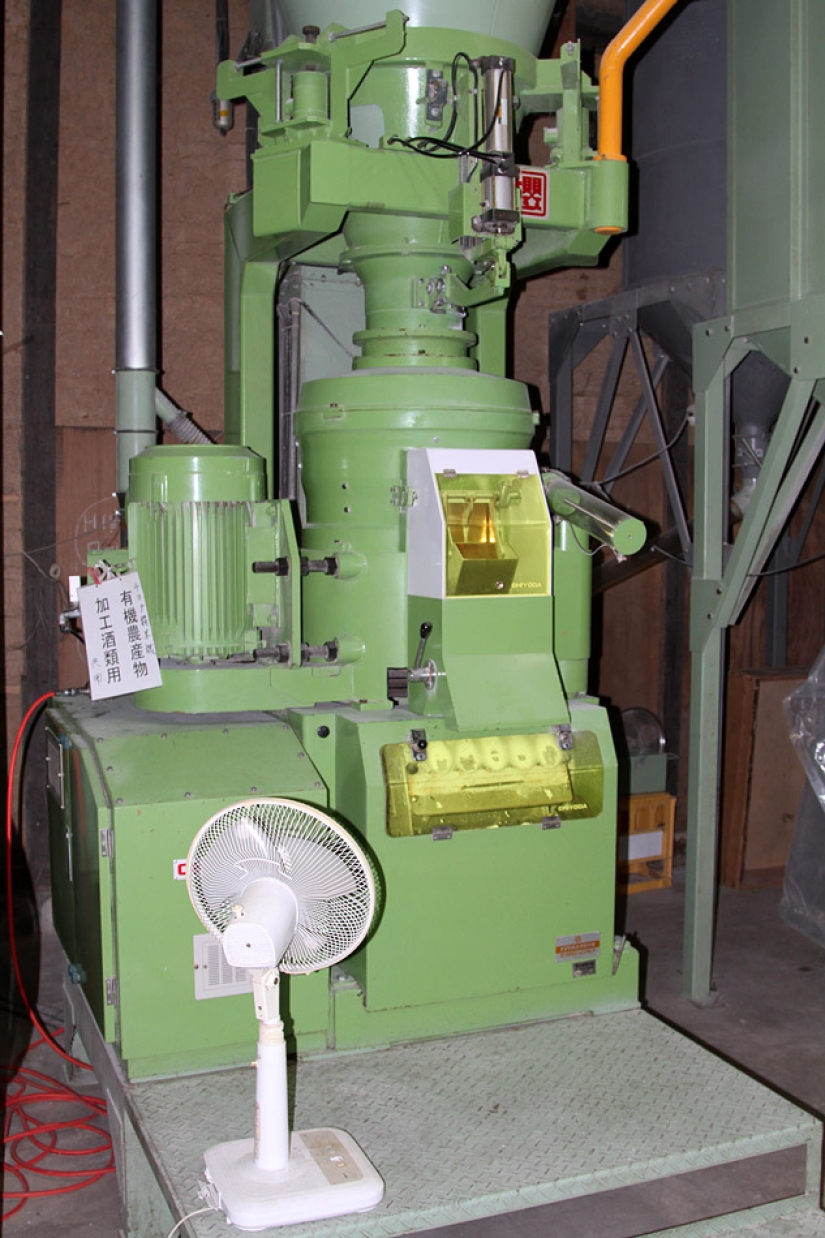
5. The ground rice is washed with water and soaked for a period of several hours to a day.
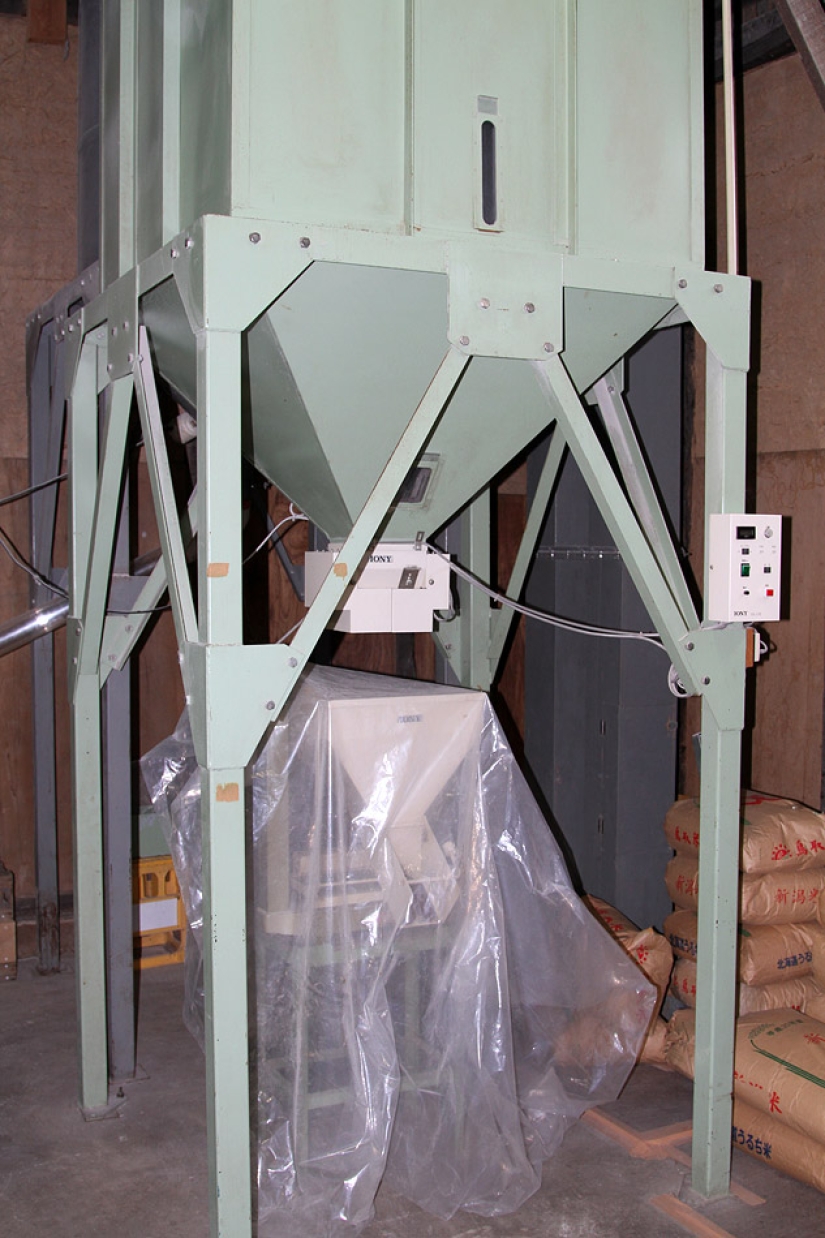
6. Then the rice is subjected to steam treatment. Part of the steamed rice is used to make sourdough — a culture of mold fungi is added to it and kept in a warm and humid room for about 35 hours.
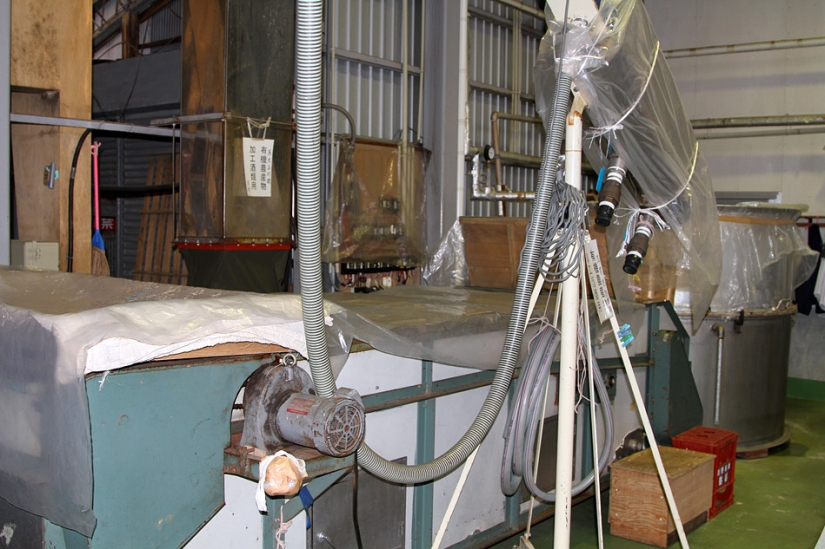
7. Next, the resulting wort is mixed with steamed rice and water, after which the main fermentation takes place for 15-35 days.
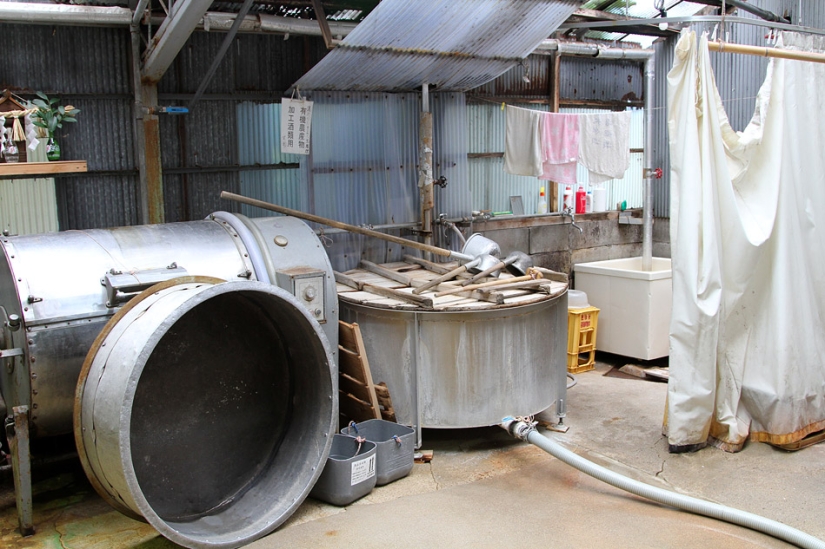
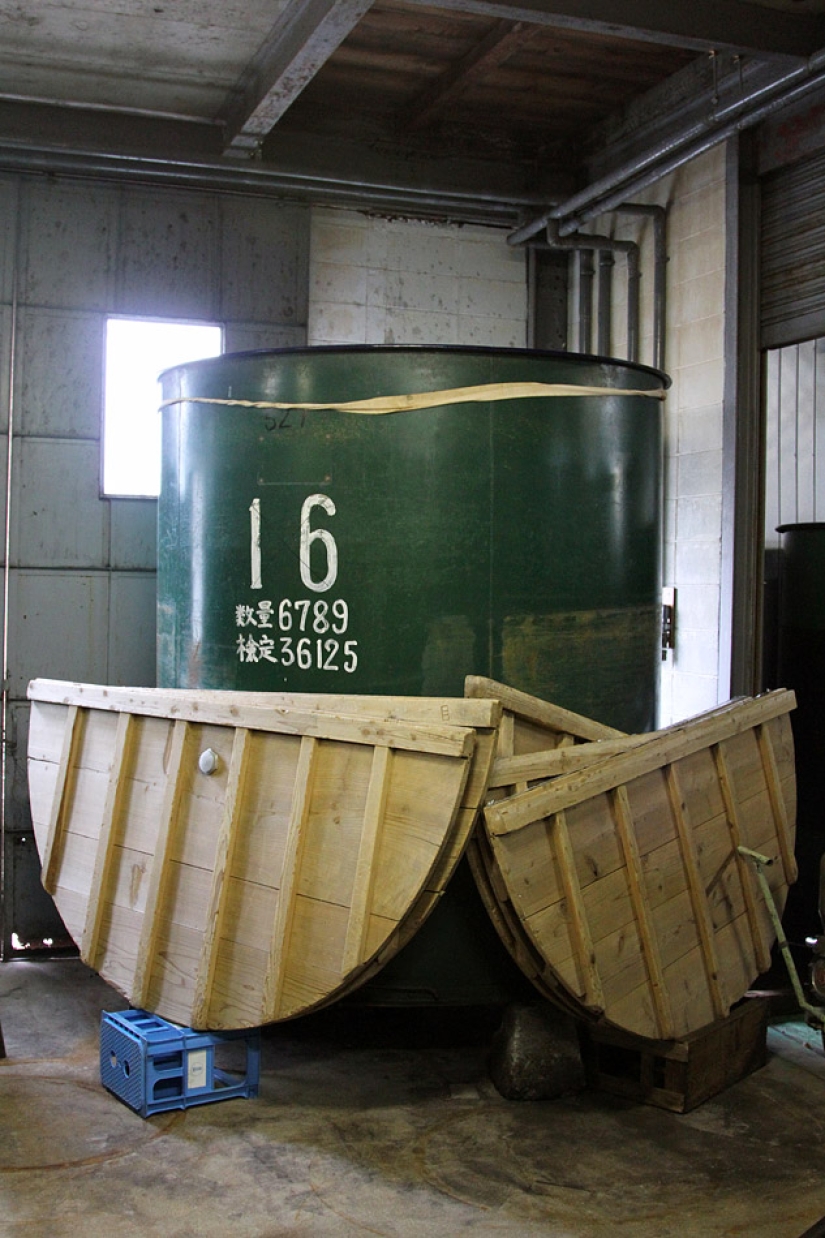
8. The resulting drink is defended and filtered. To obtain sake with a milder taste, pasteurization and aging in special sealed tanks are used for 6-12 months.
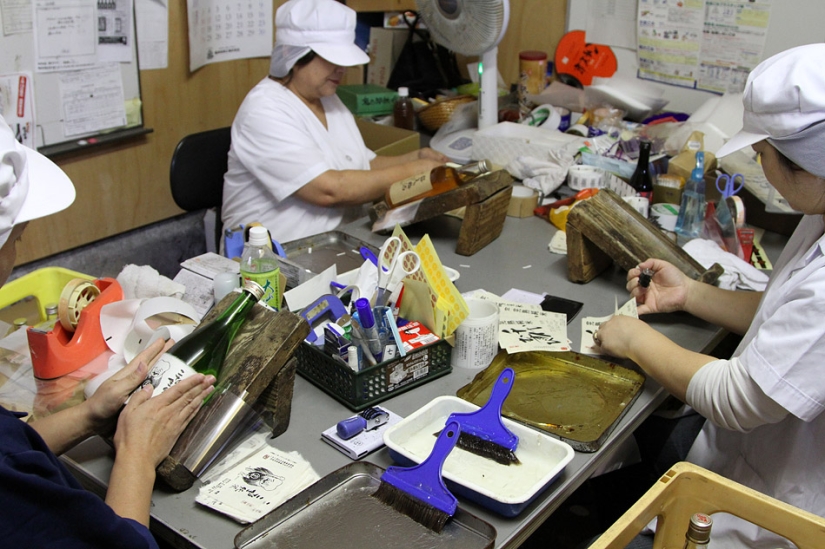
9. Well, then it remains to pour sake into a container and stick labels.
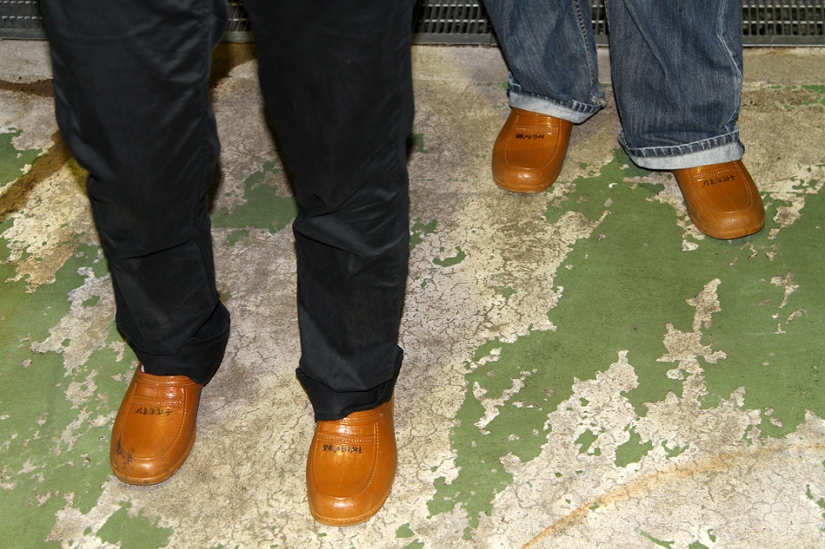
10. The products are stored here, under a canopy ... we moved around the factory in slippers.
11. That's it, sake production. Of course, there are also very modern productions of this drink. At the factory, of course, there is a shop and a small tasting room, where we went further. The tasting process was simple: they brought us small glasses with a drink, and we drank them
Keywords: Alcohol | Interesting | Drinks | Sake | Japan
Recent articles

It's high time to admit that this whole hipster idea has gone too far. The concept has become so popular that even restaurants have ...

There is a perception that people only use 10% of their brain potential. But the heroes of our review, apparently, found a way to ...
Related articles

Various anomalies are always exciting and interest! Don't you would like to see a man with 30 fingers or a rare natural phenomenon ...

An old tradition to eat alcohol, kebabs, sausages and other meat products obviously there for a reason. Our ancestors, having a ...

Everything is changing. This is well and has long been known to everyone. But when something stays with you for a long time, it is ...
New Year's is a time to surprise and delight loved ones not only with gifts but also with a unique presentation of the holiday ...