
How drinking straws were invented
Categories: Food and Drinks | History
By Pictolic https://pictolic.com/article/how-drinking-straws-were-invented.htmlDrinking straws are such a commonplace item that we rarely think about their origins. It seems they've always been around: in cocktails, sodas, or morning smoothies. But this little thing has its own history, full of ingenuity, accidents, and even a struggle for convenience. Let's explore how the idea of drinking straws came about, who invented them, and how they became what we know them as today. This article will tell the story of the straw's journey from ancient times to modern cafes.

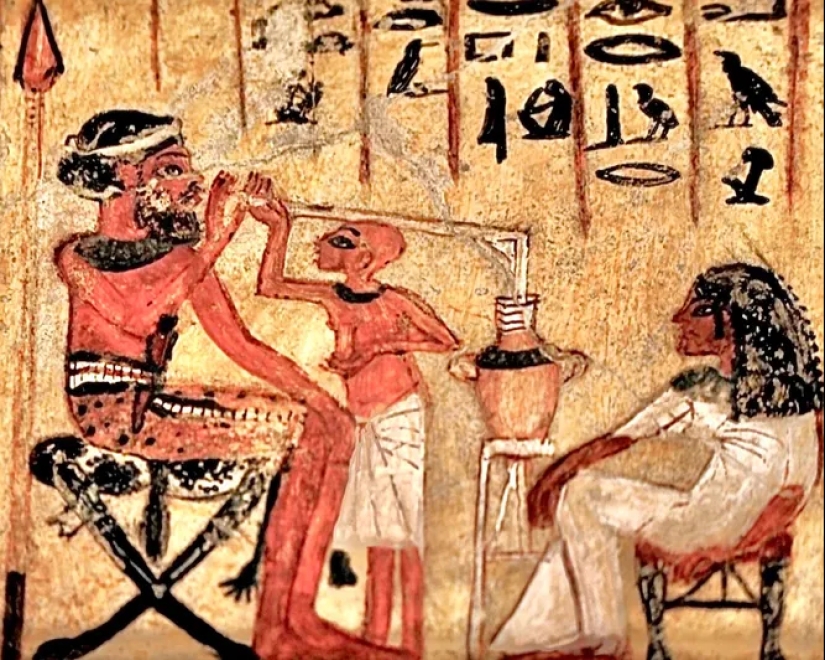
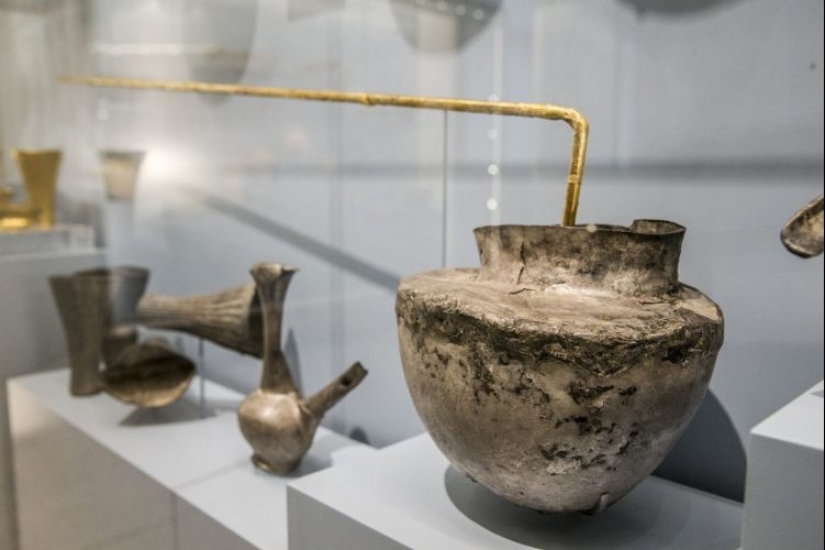
It may seem surprising, but the first drinking straws appeared in ancient times—three thousand years BC, among the Sumerians. These people adored beer, though it was significantly different from today's. The drink remained unfiltered, and it had to be drunk straight from the surface of the container to avoid sediment. To make the process more convenient, the Sumerians made straws from reeds and sometimes even precious metals.
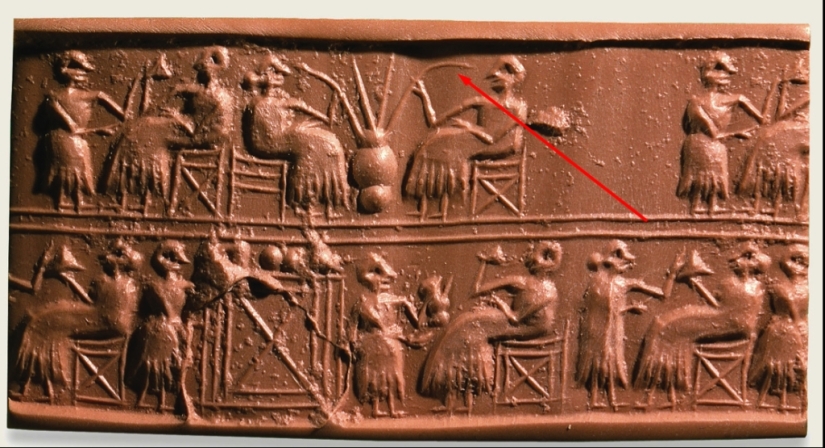
In ancient Egypt and Mesopotamia, people adapted hollow plant stems for drinking. Natural reeds and cereal straw became the first "disposable" straws in human history. These "straws" were simple, but they served their purpose—making drinking more convenient and cleaner. In South America, Native Americans also found their own way. They used hollow plant stems to drink mate, a traditional herbal drink.
Straws were apparently not very popular in the Middle Ages. Only one reference to the use of straws for drinking is known. In 1554, the book "The Life of Lazarillo de Tormes and His Fortunes and Misfortunes" was published. It described an incident in which a boy stole drinks using a straw.
The modern history of cocktail straws begins in the late 19th century. In 1888, American Marvin Stone patented the first drinking straw. Stone was a great cocktail enthusiast and particularly fond of the Mint Julep. It is prepared with a large amount of crushed ice, which makes it difficult to drink comfortably.
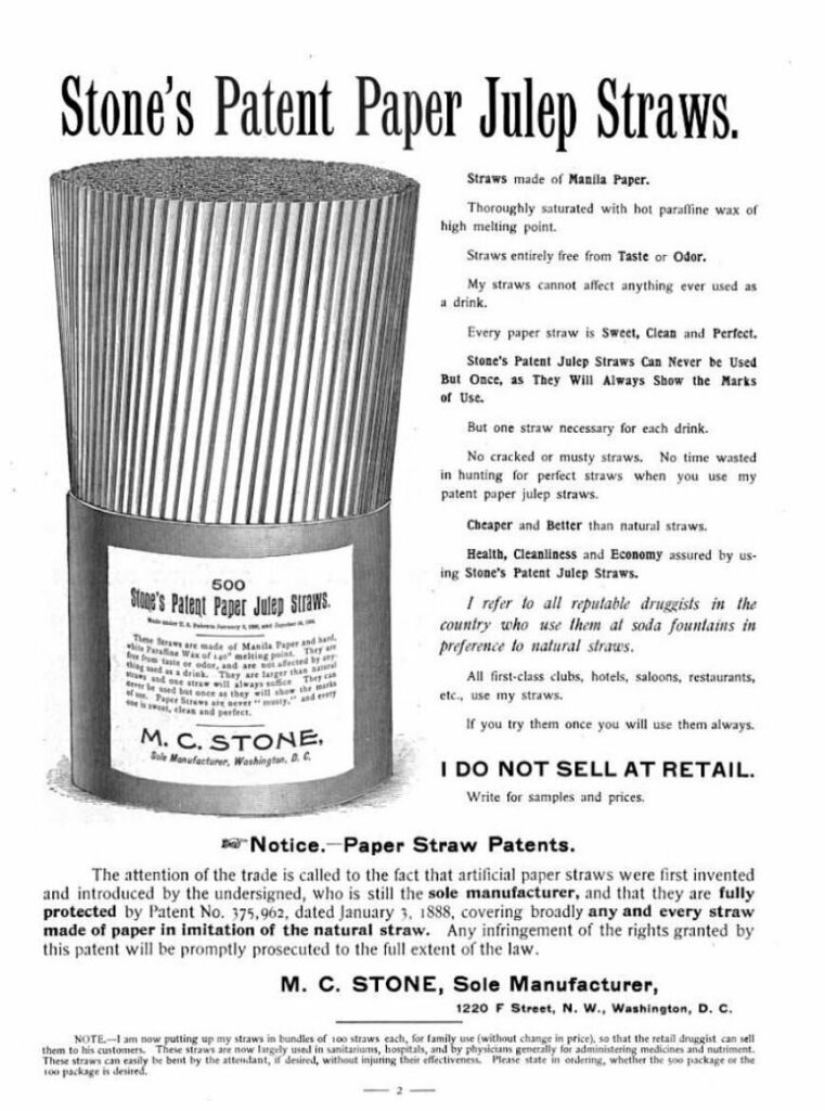
This cocktail was typically served in bars with a rye straw. But this wasn't very convenient, as it quickly became soggy, and its fibers often got into the mouth. Furthermore, the straw imparted an off-flavor to the drink. Marvin Stone solved the problem by rolling a thick paper straw around a pencil and gluing the ends together. The American inventor was familiar with the technique, as he owned a company that manufactured paper cigarette holders. On January 3, 1888, Marvin Stone received a patent for his paper straw, coated with paraffin for water resistance.
Stone's invention quickly gained popularity. By 1890, his factory was producing more straws than cigarettes. The first paper straws were made by hand, but the process was soon automated.
But that was just the beginning. A significant improvement to the cocktail straw occurred half a century later, in 1937. It was then that realtor Joseph Friedman came up with the idea for the corrugated straw. The idea came to him while watching a little girl in a cafe trying to drink through a straight straw.
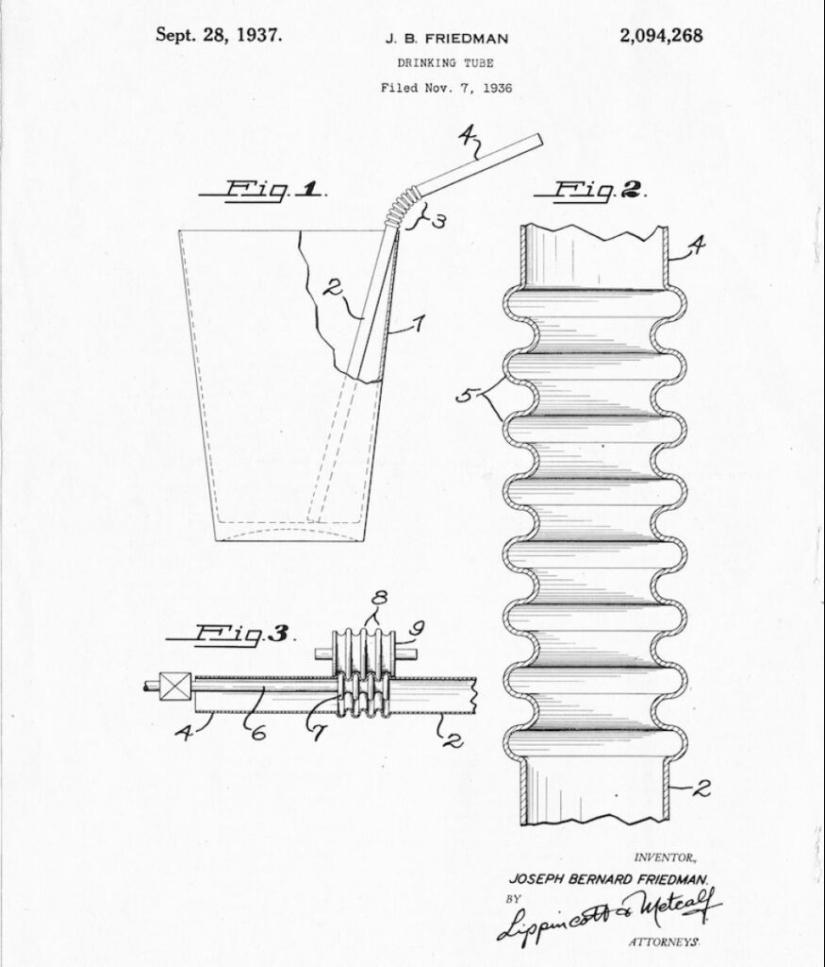
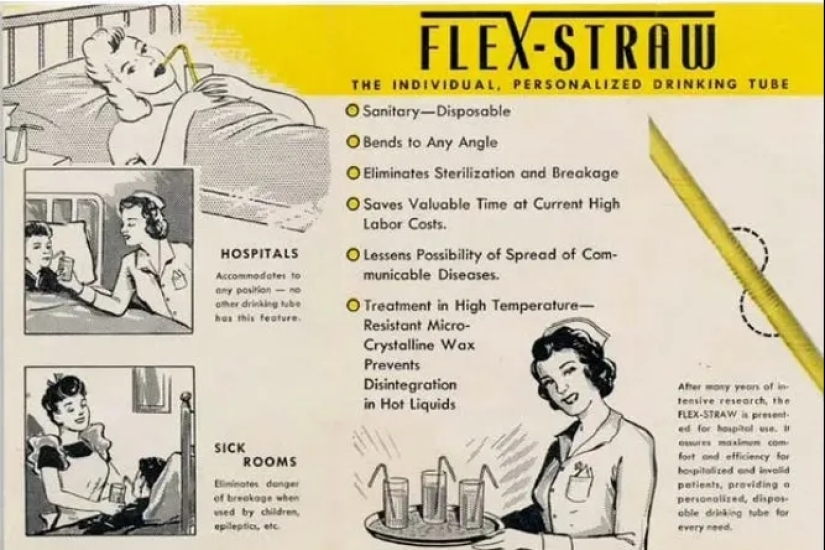
The child, who was small, found it difficult to drink, so she tried to bend the straw. But the bend blocked the internal lumen, and the liquid stopped flowing. Friedman decided to help and wrapped the bend with some dental floss he had on hand. This made the straw flexible, yet still flowable. Joseph soon patented his invention, began producing straws with a corrugated section, and eventually became wealthy.
In the early 20th century, paper straws became a hit. They were inexpensive, convenient, and suitable for mass production. But progress didn't stand still, and in the 1930s, plastic emerged. In June 1937, Otto Deifenbach, the owner of a sewing machine shop in Baltimore, began making straws for drinking from clear polyethylene. After a series of experiments, the product was equipped with Friedman's invention, and straws with a corrugated section began to be produced.
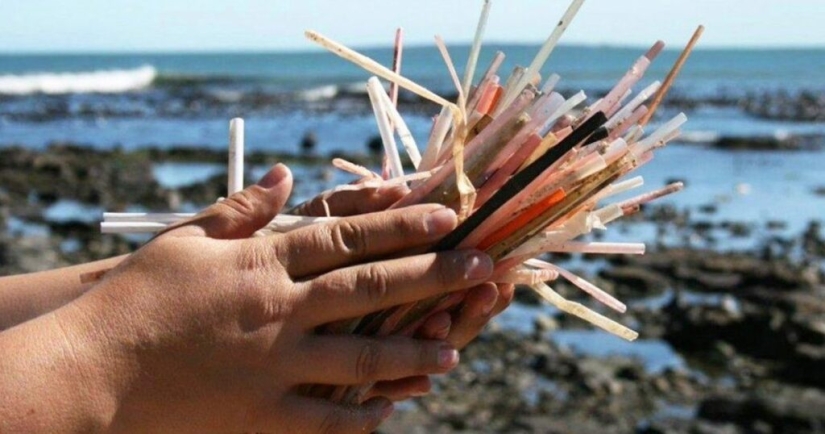
Plastic straws proved even stronger, cheaper, and came in a variety of shapes and colors. This made them ideal for cocktails, sodas, and children's drinks. But plastic also had a downside: it was harmful to the environment.
By the end of the 20th century, it became clear that billions of plastic straws were polluting oceans and landfills. This prompted scientists and inventors to search for new solutions. Today, we are seeing a return to paper and the emergence of biodegradable straws, as well as reusable options made of metal and silicone.
For a long time, polyethylene straws remained the only choice for drinking straws. But in the 21st century, their use has skyrocketed, to the point where they've become a serious environmental issue. Therefore, many companies have recently begun to abandon polymer products, choosing biodegradable or even edible materials for their straws.
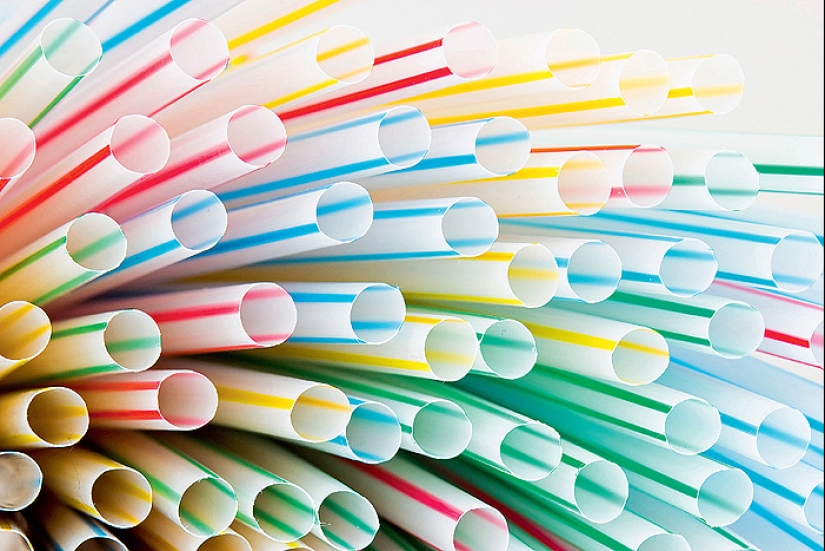
Straws are more than just a convenient accessory. They've transformed drinking culture, making it more hygienic and aesthetically pleasing. Thanks to straws, we can sip cocktails without getting lipstick on our glasses, enjoy a cold soda effortlessly, or drink coffee on the go. They've become a symbol of comfort and a part of pop culture—just think of the brightly striped straws you see in fast food restaurants.
Straws have also played a vital role in medicine. For people with disabilities, they've become a lifesaver, allowing them to drink without assistance. Today, designers and engineers continue to improve straws, making them more convenient, more environmentally friendly, and even more beautiful.
As the world battles plastic pollution, straws are experiencing a new wave of change. Paper straws are making a comeback, but with improved properties: they don't get soggy as quickly as their predecessors. Biodegradable materials like cornstarch and bamboo are becoming increasingly popular.
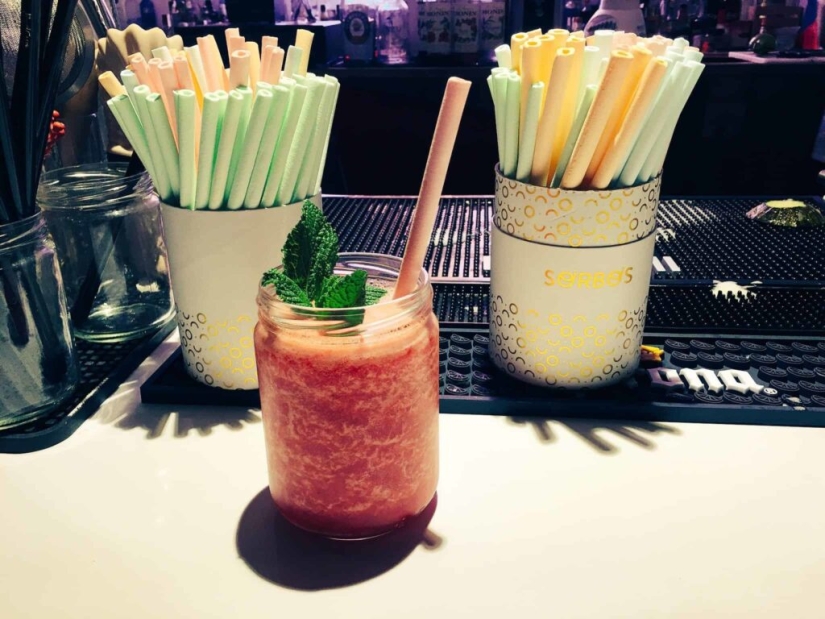
Interestingly, some companies are experimenting with "smart" straws that can change color depending on the temperature of the drink or even filter the water. Perhaps in the future, we'll see smart straws with sensors that will track the amount of liquid consumed or even analyze its composition. The future of straws looks promising, and perhaps we'll soon see even more innovative solutions.
It's fascinating how something as simple as a straw has come so far—from the golden straws of the Sumerians to modern biodegradable solutions. What kind of straws do you think will be popular in 10 years—paper, metal, or perhaps something completely new? Share your ideas in the comments!
Recent articles

It's high time to admit that this whole hipster idea has gone too far. The concept has become so popular that even restaurants have ...

There is a perception that people only use 10% of their brain potential. But the heroes of our review, apparently, found a way to ...
New Year's is a time to surprise and delight loved ones not only with gifts but also with a unique presentation of the holiday ...