
9 things every mother needs to know before having her second child
Categories: Children | Healthy lifestyle | Life hacks | People | Society | World
By Vika https://pictolic.com/article/9-things-every-mother-needs-to-know-before-having-her-second-child.htmlDuring pregnancy, your uterus should enlarge almost 500 times in 9 months and then return to its original size. The brain is also undergoing changes, as many women even report impaired memory and confusion during pregnancy. Even so, many of us willingly go through it a second or even third time. But remember, every pregnancy is different, and even more so the second.
Pictolic has figured out how your second pregnancy can differ from the first. Remember, every pregnancy is a special journey.
9 PHOTOS

1. A second pregnancy can tire you even more.
Remember your first pregnancy and how energized you were? It was a very special time in your life and you have had a lot of fun with your partner, friends, and family. But during your second pregnancy, you already have a responsibility to take care of your first baby, which means you may not have as much time for yourself as you used to.

2. Childbirth may be different.
The birthing experience may also differ from your first pregnancy to your second pregnancy. In fact, most women agree that labor is often faster during second pregnancy and that it becomes easier with each subsequent birth. Your first birth experience helps, and you may be better prepared the second time around.
3. You will feel the baby moving much earlier.
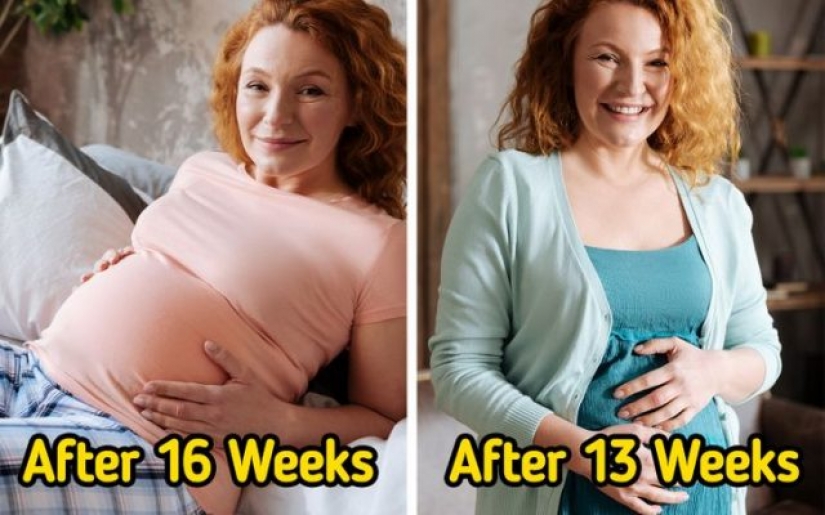
The first movements of the baby, usually during the first pregnancy, you can feel them for the first time between the sixteenth and twenty-fifth weeks. During the second pregnancy, you may feel the baby wiggle as early as 13 weeks, largely because you already know how it happens.

4. The belly may be visible earlier.
The first movements of the baby, usually during the first pregnancy, you can feel them for the first time between the sixteenth and twenty-fifth weeks. During the second pregnancy, you may feel the baby wiggle as early as 13 weeks, largely because you already know how it happens.

5. Morning sickness may be absent or much worse.
Some women never get severe morning sickness. For others, things are much worse than the first time.

6. Breast sensitivity may or may not be present.
The first pregnancy is usually accompanied by such soreness of the breasts that the bra becomes a mortal enemy. But for many women, a second pregnancy does not cause such oversensitive breasts. And the size of the breast does not increase so much the second time.

7. The child may be lower.
After the first pregnancy, the abdominal and pelvic muscles weakened. You may have carried the baby high in the first pregnancy, but in the second you can carry the baby lower as the muscles are not as flexible as they used to be.

8. Postpartum labor may be more intense and painful.
After you've given birth to a baby, the uterus will have to work hard to get back to its original size. And as it shrinks, you get postpartum labor or pain after childbirth. You may have experienced a mild variety, similar to menstrual cramps, after the birth of your first child. But they become more serious during and after the second pregnancy. In fact, you can feel them the most during breastfeeding. Studies show that severe cases of multiple births may require pain relief to ensure healthy breastfeeding.
9. Second pregnancy can worsen back pain.
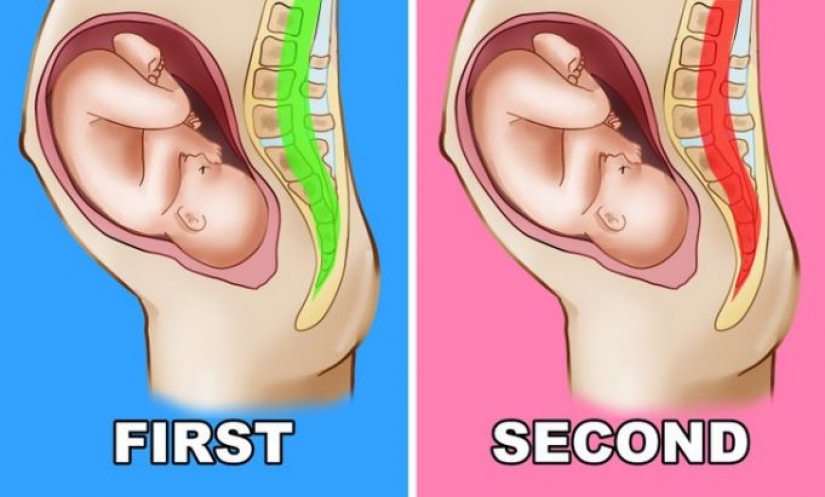
One of the many hormones your body produces during pregnancy is relaxin. Its job is to prepare your body for childbirth by relaxing your muscles and joints. You may have experienced a tingling pain, especially in your back, during your first pregnancy. But during your second pregnancy or at any other time after pregnancy, the pain may worsen. The culprit is again relaxin, which even more relaxes the already relaxed joints and muscles, causing you discomfort.
Keywords: Motherhood | Children | Giving birth | Pregnancy | Life | Women | Life hacks | Information
Post News ArticleRecent articles

It's high time to admit that this whole hipster idea has gone too far. The concept has become so popular that even restaurants have ...

There is a perception that people only use 10% of their brain potential. But the heroes of our review, apparently, found a way to ...
Related articles

In this post we will talk about those times, when the concept of "care for children" had a completely different meaning than now. ...

Motherhood significantly changes a woman's body. But there are more profound changes affecting the nature and Outlook. Reflected in ...

Every boy in his childhood had found a strange metal plate with the letters "W", "E", and sometimes "P". Their origin was shrouded ...
New Year's is a time to surprise and delight loved ones not only with gifts but also with a unique presentation of the holiday ...