
5 most fascinating finds discovered thanks to the Moscow reconstruction program
Categories: History
By Pictolic https://pictolic.com/article/5-most-fascinating-finds-discovered-thanks-to-the-moscow-reconstruction-program.htmlTo paraphrase Sharik's Dog: if they start repairing the whole of Moscow, we will have only excavations instead of the capital. It's only good for archaeologists when you can get under the asphalt. Indeed, the current Moscow improvement program has allowed scientists to gain access to places they had never dreamed of before. The most interesting archaeological finds discovered thanks to the "My Street" program are in our review.
(Total of 9 photos)
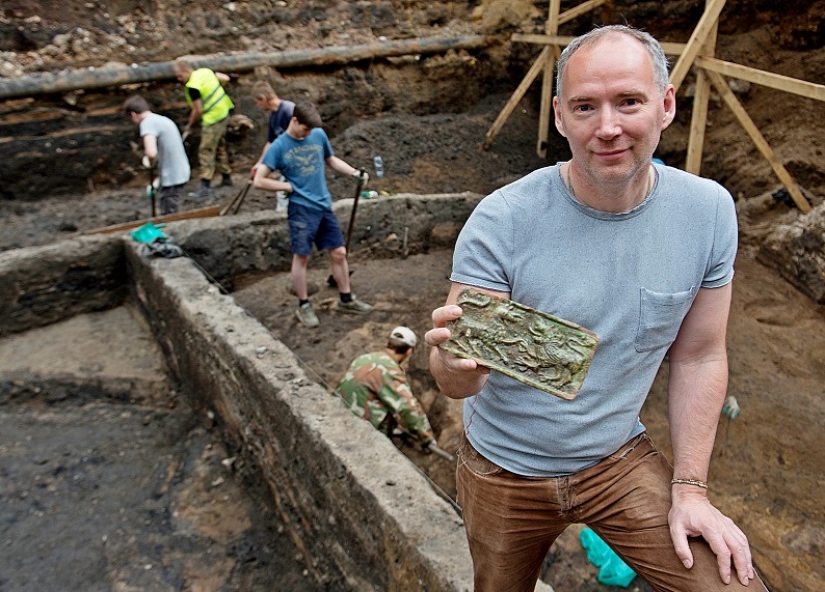
Source: All about Moscow
1. The last squeak of Old Russian fashion
During the excavations on the territory of Manezhnaya Square and in the Kitay-Gorod area up to the line of the Exchange Square, many artifacts dating back to the XII-XIII centuries were found. This proves that at the dawn of its existence, Moscow was at least a third larger than is commonly believed.
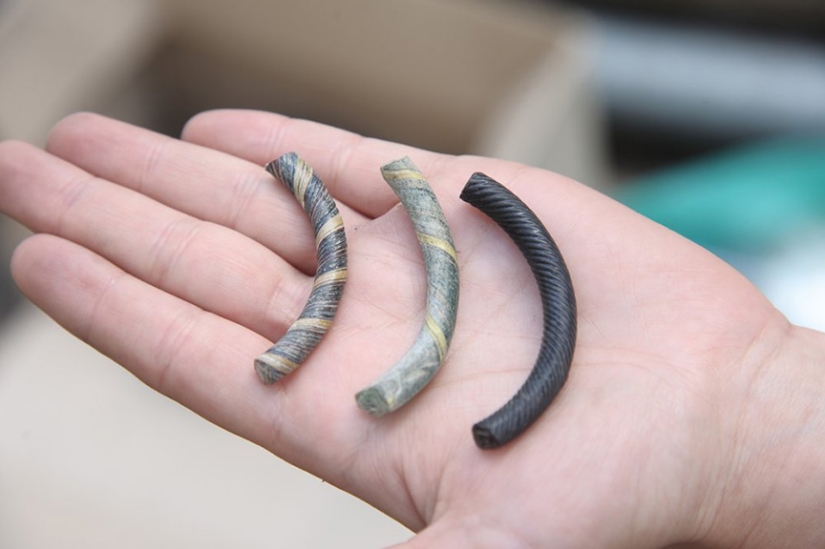 In the depths of the Exchange Square, archaeologists came across ten bracelets made of twisted glass beads of purple and blue color, trendy for Ancient Russia. These ornaments, most likely made in Kiev, were extremely expensive.
2. The White City on Khokhlovka
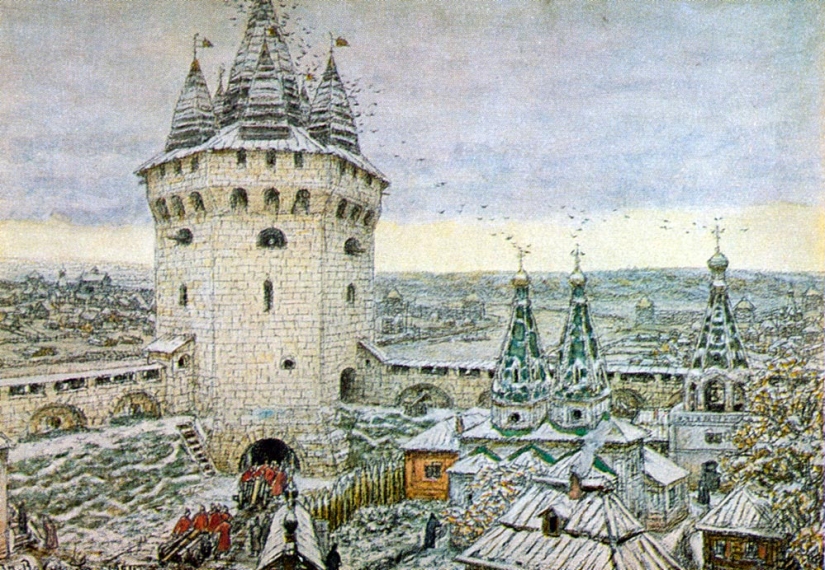
Apollinarius Vasnetsov's painting "The Seven-pointed corner tower of the White City in the XVII century"
The largest Russian fortress — the White City — was built in Moscow at the end of the XVI century. It existed for about two hundred years until it was dismantled and trees were planted in its place — so the Boulevard Ring appeared. However, during the work on Khokhlovskaya Square, it turned out that a small part of the white wall was still preserved.
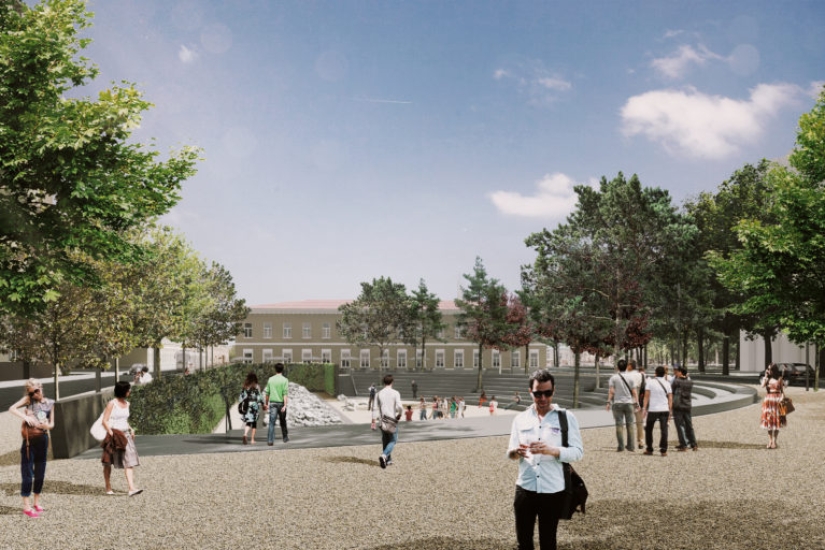 After the landscaping, an amphitheater surrounded by trees will appear here. And in the center is a museum exhibit, an authentic restored fragment of the White City wall.
3. Port bargaining in Zaryadye
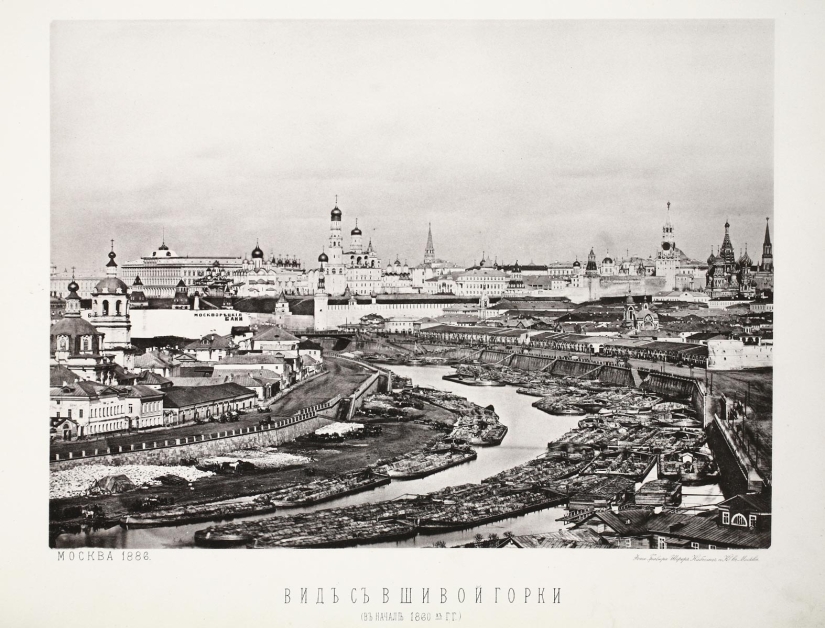 In the coastal part of the Zaryadye Park, which is about to open on the site of the demolished Rossiya Hotel, traces of brisk trade in overseas goods were found. In principle, archaeologists counted on this: it has been known for a long time that there was a large pier on the Moskvoretskaya embankment. But now we have managed to find out what exactly foreign merchants brought.
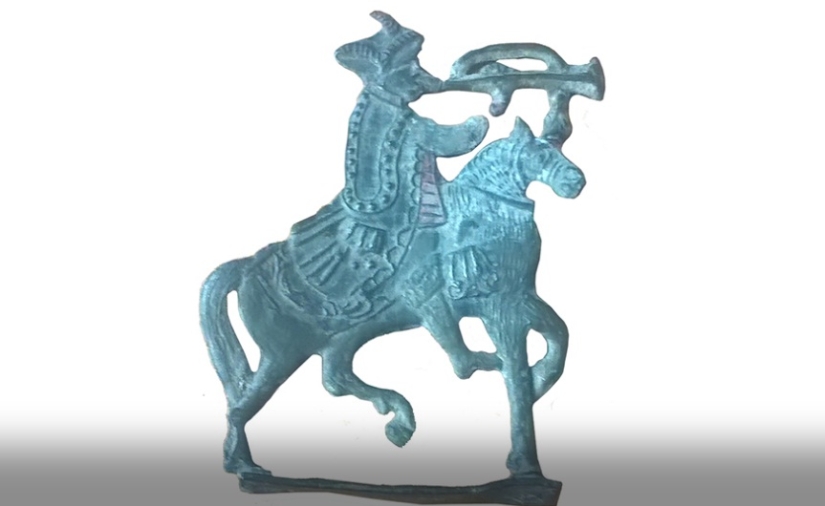 Among the finds are English trade seals of the XVIII century, Russian lead trade seals, copper coins of the XVIII—XIX centuries, numerous fragments of leather products 400 years ago. And also a tin toy — a European rider in gear.
4. Secret rooms in the area of New Square and Varvarka
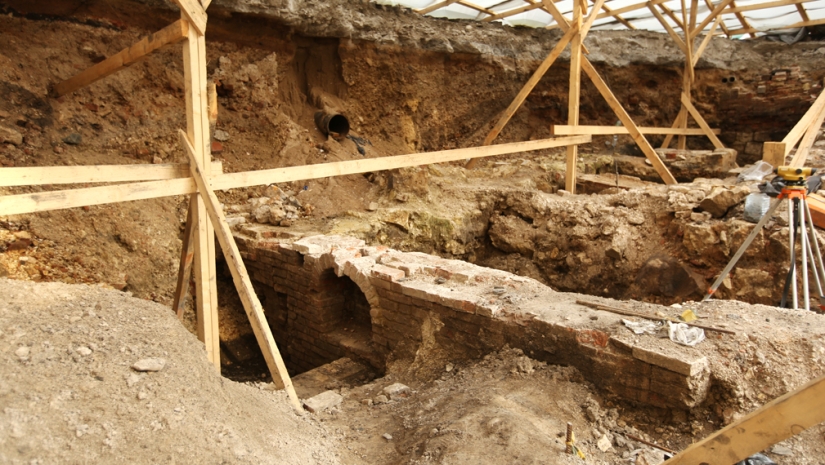 At once on several sections of the Kitaygorodskaya wall — in the area of Varvarka and Novaya Square — seven secret rooms built into the wall were opened to specialists. The so-called "rumors" were used to eavesdrop on the enemy besieging the city.
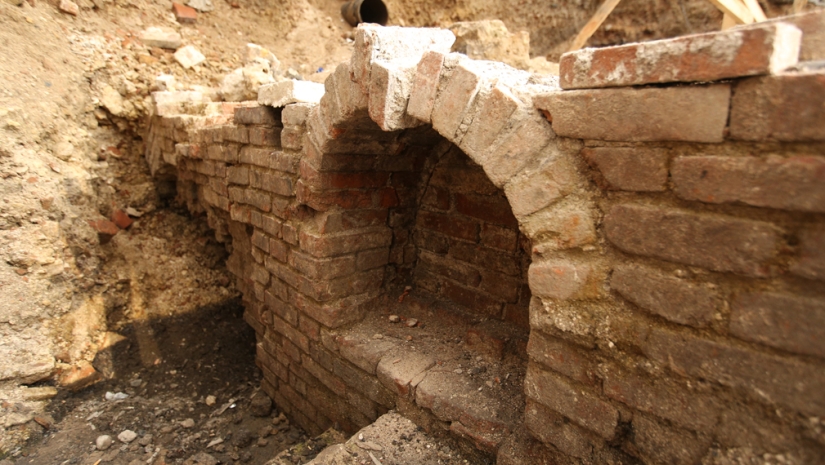 In memory of the discovery, an information stand with photos and a description of "rumors" will be installed on the New Square. And in the Zaryadye Park, two secret rooms may be opened for viewing, equipped with lighting and covered with glass.
5. The well of the time of Catherine II on Sretenka
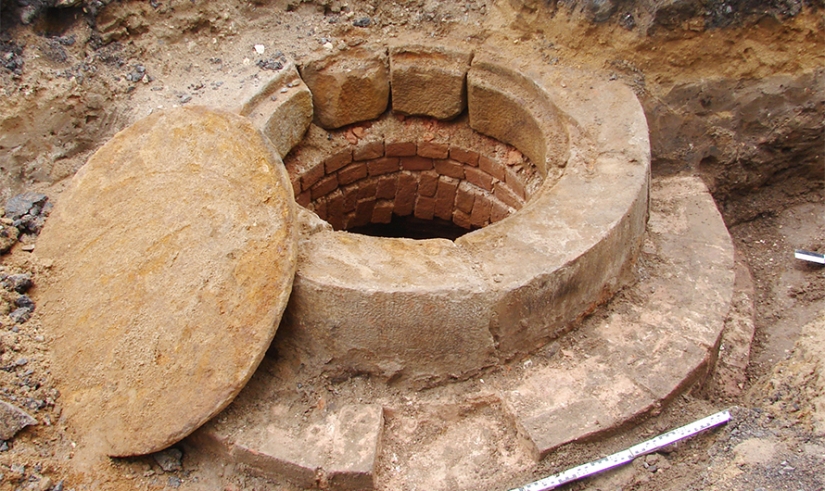
Near the 26th house on Sretenka Street, a well was dug in the middle of the XIX century. It is noteworthy that it was part of the city's first water pipeline for public use, which was built by order of Catherine II and became a real technological breakthrough. They also decided not to fill up the well and turn it into an open-air museum exhibit.
Keywords: Archeology | Ancient Rus | Moscow | Finds | Walls
Post News ArticleRecent articles

It's high time to admit that this whole hipster idea has gone too far. The concept has become so popular that even restaurants have ...

There is a perception that people only use 10% of their brain potential. But the heroes of our review, apparently, found a way to ...
Related articles

It is now the so-called Khrushchevki khayut and threaten to level with the ground. And 50 years ago, these squat houses saved the ...

A resident of Russia has a question "And who will do this for you? Pushkin? " does not cause the slightest surprise. Everyone ...

Russian freelance artist Nikolai Kurganov draws girls. No, he is not inspired by the images of sex bombs and vamp women-the ...
New Year's is a time to surprise and delight loved ones not only with gifts but also with a unique presentation of the holiday ...