
Why do Americans do laundry in laundries and not at home?
Categories: North America | Society
By Pictolic https://pictolic.com/article/why-do-americans-do-laundry-in-laundries-and-not-at-home.htmlAmerican films and TV series feature laundries, which locals use with enviable constancy: there they not only wash, but also get acquainted. Where did it come from? What's wrong with washing machines?

Laundry and ironing services appeared in the West at the end of the XIX century. It was not a cheap pleasure: the work was carried out by specially hired staff, and the delivery of the order was carried out by mail. There was no question of coming somewhere to wash the laundry yourself.
During the Great Depression, there was a need for cheap laundries for the general population. The first public laundry based on the principle of self-service was opened in 1934 in Fort Worth, Texas. Although initially there were only four electric washing machines in the laundry room, it quickly became popular and fully recouped the owner's expenses.
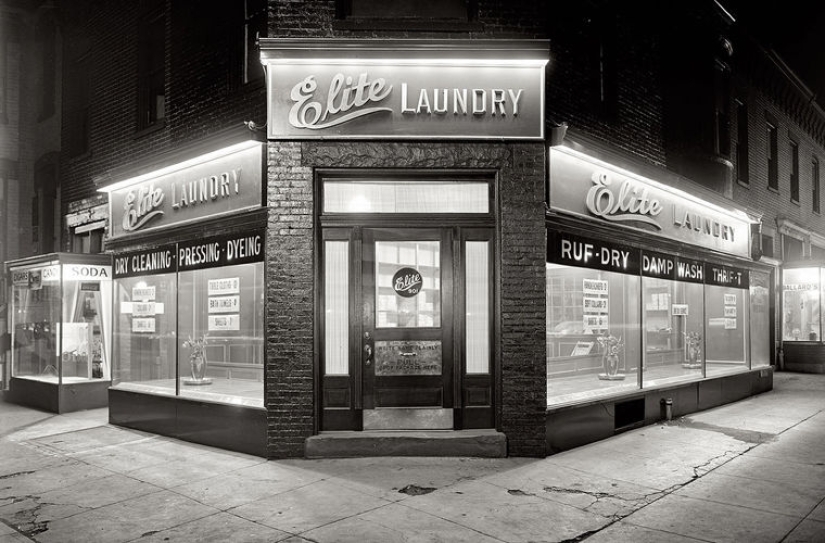

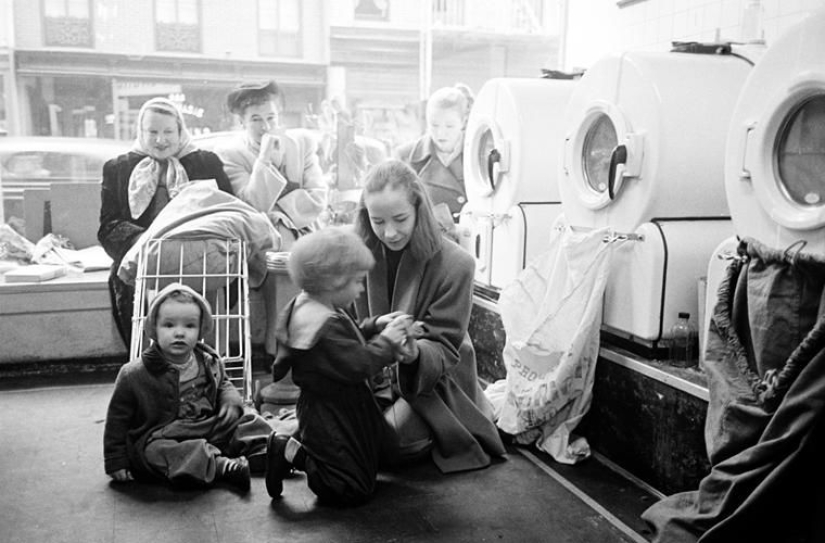
High public demand for public laundries and relatively low costs for their the discovery predetermined the mass emergence of self-service laundries in the 30-40s. Although as the standard of living increases, many Americans begin to purchase their own washing machines, the practice of using public laundries is still widespread in the United States. What is the reason?
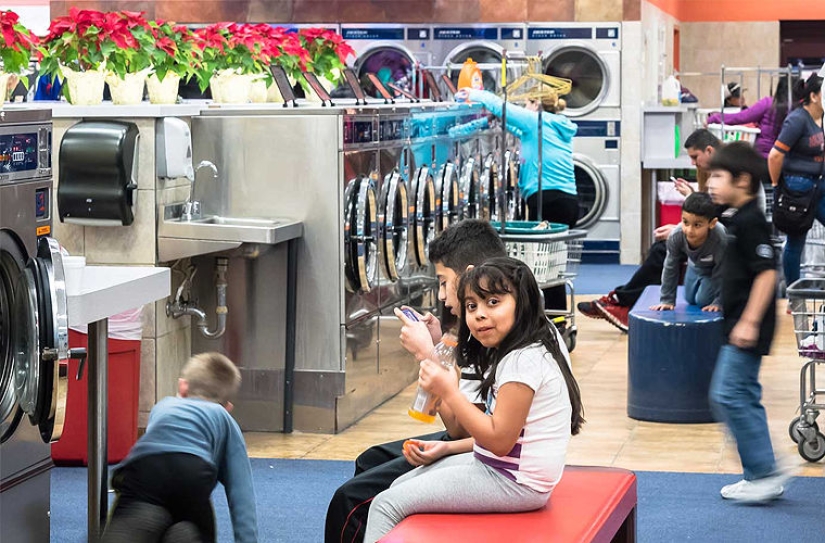
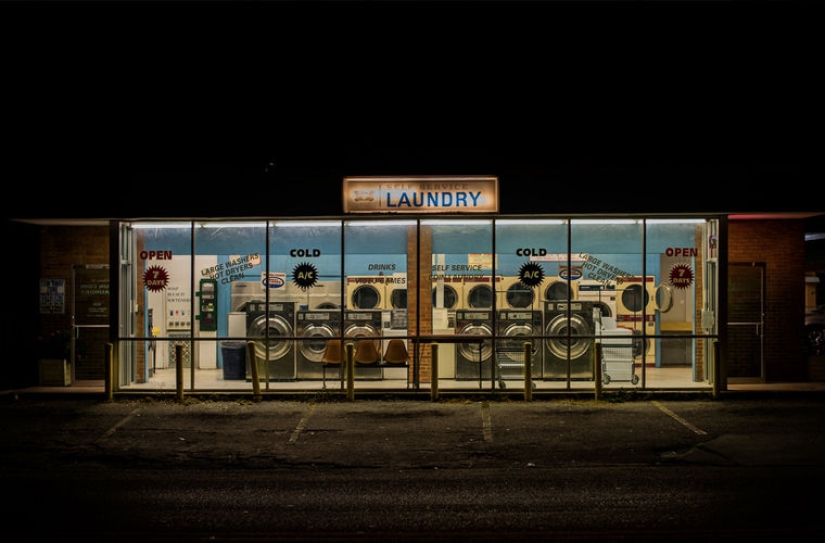
Firstly, Americans are close to the idea of saving: saving water, electricity and space in homes. Laundry services are cheap, you can pay for laundry either with coins or with special payment cards.
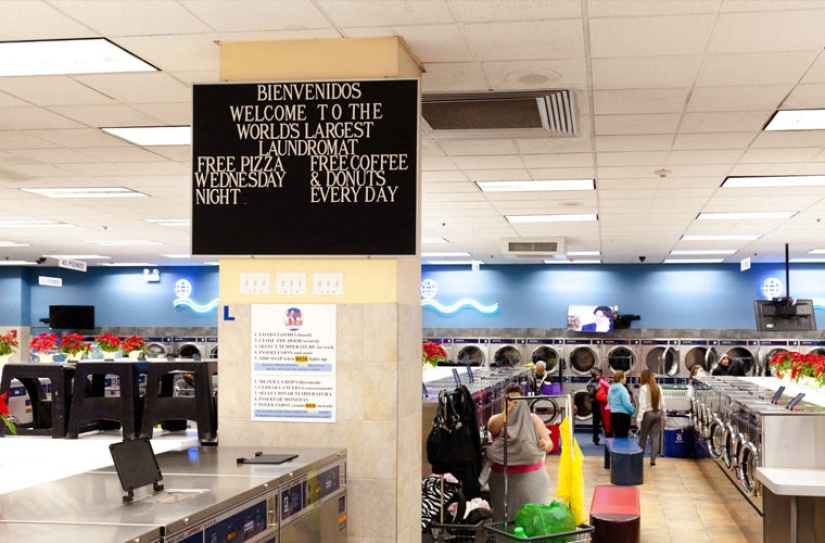
Secondly, many landlords prohibit the installation of a washing machine for people who rent housing from them. Property owners are afraid of leaks and short circuits. Therefore, the main customers of public laundries are those who cannot wash in rented housing. However, quite wealthy Americans periodically use the services of laundries, coming here several times a year to wash large things: blankets, pillows, bedspreads, etc.
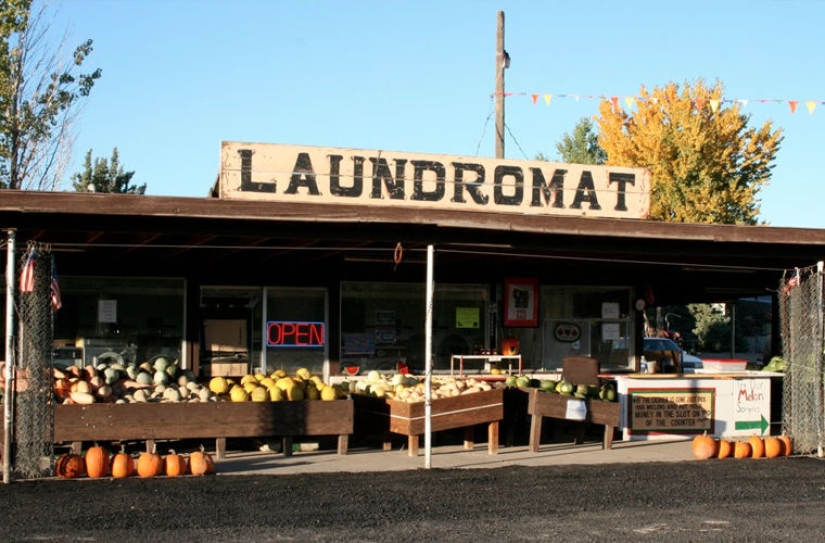
Thirdly, modern public laundries create a fairly high level of comfort for customers. In addition to washing machines, there are dryers, ironing machines and other devices that significantly facilitate the process. Recently, in the laundries you can find TVs, free Wi-Fi and coffee machines, allowing customers to have a good time. As a rule, the vast majority of American public laundries work around the clock, located in the basements of apartment buildings or in close proximity to supermarkets, that is, even very busy people can use them.

Fourth, as sociologists note, the laundry is also a kind of place for relaxation and meditation, allowing Americans to disconnect from pressing problems for a while.
Finally, do not forget that the laundry business is an industry in which serious money revolves. So, according to official data, there are about 35,000 public laundries in the United States, whose total income reaches $ 5 billion a year.
Recent articles

It's high time to admit that this whole hipster idea has gone too far. The concept has become so popular that even restaurants have ...

There is a perception that people only use 10% of their brain potential. But the heroes of our review, apparently, found a way to ...
New Year's is a time to surprise and delight loved ones not only with gifts but also with a unique presentation of the holiday ...