
What did the nobility do all day in the Middle Ages if they didn't have to go to work?
Categories: History
By Pictolic https://pictolic.com/article/what-did-the-nobility-do-all-day-in-the-middle-ages-if-they-didnt-have-to-go-to-work.htmlMany people think that in the Middle Ages, the aristocrats did nothing but go hunting and go on Crusades. Perhaps some of the noble feudal lords lived such a dull and monotonous life, but most of the high-born lords had more than enough to worry about. What did they do in those days when fashionable restaurants did not exist, and it took more than a year to get to the resorts of the Dead Sea and at the risk of their lives?
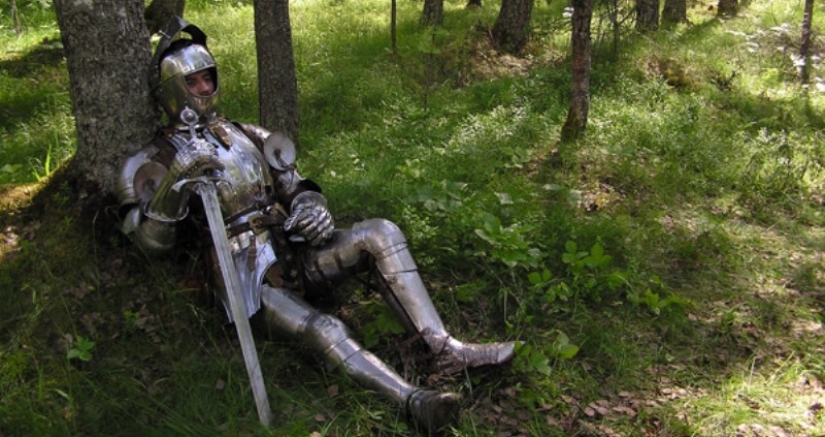
Helena Schroeder, a Doctor of Historical Sciences at the University of Hamburg, spoke about the activities of the medieval elite, who were averse to physical labor. It turns out that the nobles were also constantly busy with work, although not as tedious as the commoners.
Any feudal lord of the Middle Ages had his own lands, on which they grew agricultural products, grazed cattle, felled wood and performed other works designed to increase his fortune and prevent his vassals from starving to death. The owner of the land was a real top manager who managed the business independently or through his assistants.
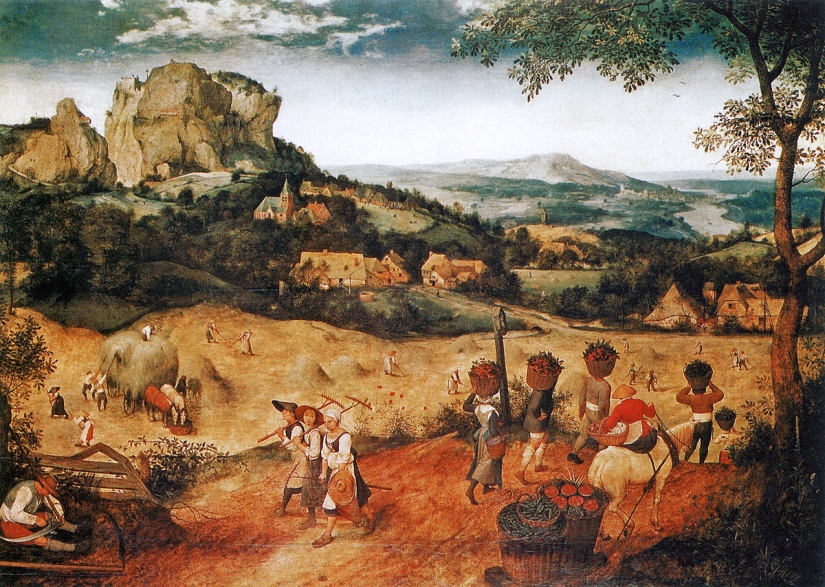
Large feudal lords owned vast territories, and their estates can be compared to large modern agro-industrial companies. It was necessary to correctly allocate finances and resources, pull out unprofitable branches and constantly fight against force majeure. Natural disasters, epidemics, wars, civil strife, crop failures and banal theft constantly threatened the well-being of the nobleman.
It should be taken into account that in those days there were no agricultural institutions, no computer systems for analysis and accounting, no agricultural machinery. Success was given by hard work and constant care of the owner, and was lost at lightning speed and for reasons that do not always depend on the efforts of people.
On his land, the feudal lord had full powers and had the right to judge, execute and pardon. People came to the castle to the nobleman in order for him to judge them, and this was also the duty of an aristocrat. Cattle thefts, fraud, fights, insults, witchcraft, confessions of paternity – the cases considered by the master could be very different.
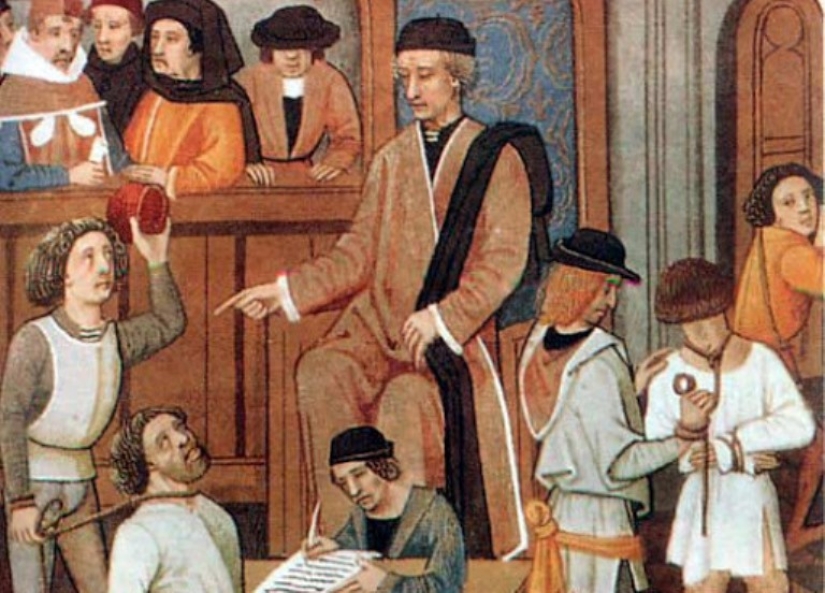
Having judged his wards, the feudal lord often reserved the right to punish the guilty and make sure that the winning side received what was due to it. Of course, this was not done for free, and more than one simple-minded peasant regretted that he did not resolve the issue with the offender amicably, without a master's trial.
Aristocrats, distinguished by their intelligence and special loyalty to the monarch, could get into the royal service and judge not only in their villages, but also in the cities belonging to the king himself. This was already a responsible government job, and it was funded from the city or even the royal treasury.
In the Middle Ages, war did not bypass anyone, so any nobleman was simply obliged to keep himself in good fighting shape. Constant practice in fencing, archery, horseback riding, and even fistfighting was an integral part of the life of most nobles who were suitable for military affairs. Sometimes even beautiful ladies improved in the military field, because in the case of a siege of a fortress or a raid by an aggressive neighbor, they did not make allowances for anyone.
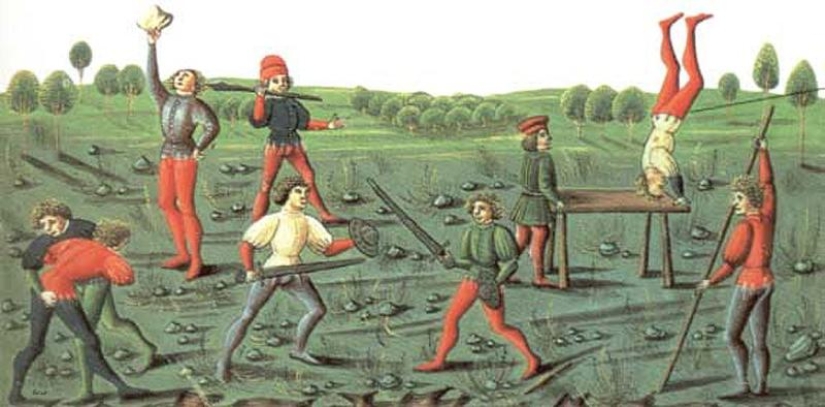
Some feudal lords carried out military service and regularly participated in the military campaigns of more powerful lords or the king himself. To keep their knights "in good shape", the kings arranged reviews, fees and jousting tournaments, failure to attend which threatened not only the reputation of a nobleman, but also his head.
Among the medieval aristocrats, there were very few who could write and read, but there were still those who were interested in music, literature, architecture, and the visual arts. There were also lovers of sciences, such as alchemy, mathematics, anatomy, geography, and even biology. All this took a lot of time and money.
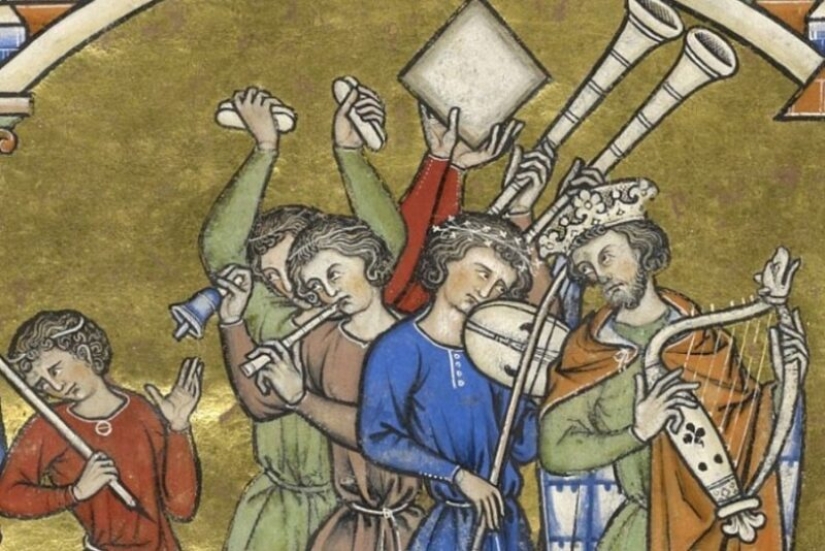
Some particularly enthusiastic people went to study science and fine arts hundreds of miles away from their native places, to Paris, Oxford, Florence, Leipzig, Milan and other cultural centers, to learn their favorite business from outstanding masters and world luminaries of science.
The feudal lord had to be not only a strong economic manager and defender, but also the patriarch of his family. Very often, the word "family" meant dozens of relatives, both close and barely familiar. The real head of the family was to take part in their lives – to help financially, to support morally, to write letters of recommendation, to take bail and buy them out of the royal prisons and from the Algerian galleys.
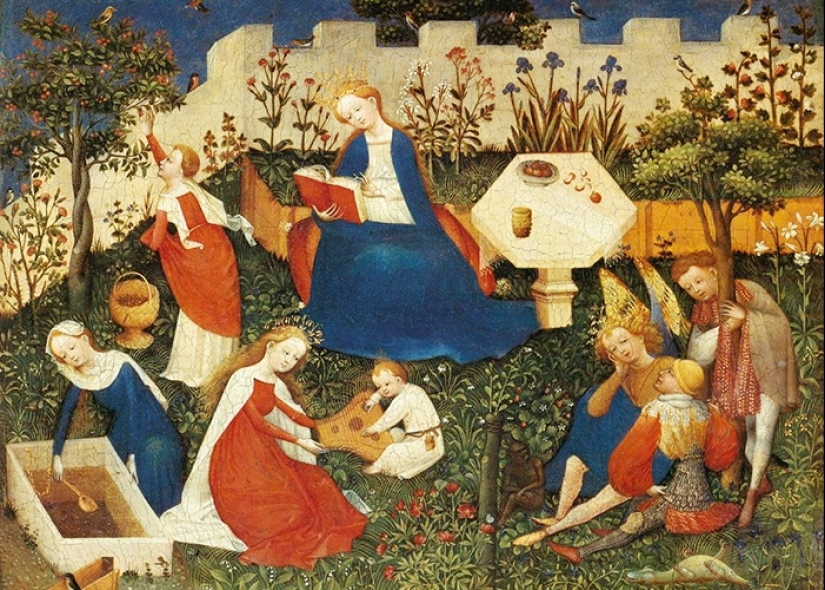
Since the world was simply huge centuries ago (due to the lack of modern transport), a trip to my grandmother in a neighboring province took not a couple of hours, but several days. If it was necessary to go and settle family affairs over long distances, for example, to the Kingdom of Jerusalem, then you could safely delete a couple of years from your life (if you still managed to return on horseback, and not with honors in a barrel of honey.
Keywords: History | Peasants | Middle ages | King | Castle | Aristocracy
Post News ArticleRecent articles

It's high time to admit that this whole hipster idea has gone too far. The concept has become so popular that even restaurants have ...

There is a perception that people only use 10% of their brain potential. But the heroes of our review, apparently, found a way to ...
Related articles

In the fall of 1972, Bill Yates traveled through the countryside in the vicinity of Tampa, Florida. At that time, he was studying ...

When a person is in a life-threatening situation is awful, but even worse when it happens to a child. 11-year-old American Terry ...

Remember how broke the "unbreakable" scoop? The photo preserved in the photo album of almost every family! A selection of vintage ...
New Year's is a time to surprise and delight loved ones not only with gifts but also with a unique presentation of the holiday ...