
The Patty Cannon Gang: 20 Years of Murder, Kidnapping, and Human Trafficking
Categories: History | North America
By Pictolic https://pictolic.com/article/the-patty-cannon-gang-20-years-of-murder-kidnapping-and-human-trafficking.htmlIn the early 19th century, the Delaware-Maryland border was home to one of the most brutal gangs in American history. The Patty Cannon Gang turned human trafficking into a bloody business, taking the lives of dozens of innocent people. Patty Cannon was no ordinary criminal. She knew how to manipulate people, build connections, and cover her tracks. Her gang operated with astonishing audacity, kidnapping freed slaves and selling them back into slavery in the American South.

There is little information about Patty Cannon's birth and childhood. She was born in 1759 or 1760, presumably in Maryland. However, Patty Cannon is not the woman's real name. According to historical data, she was baptized as Lucretia Patricia Hanley. At a fairly young age, Patty married a farmer, Jesse Cannon. They had two children.

Some time later, Patty's husband died under mysterious circumstances. A strong and healthy man, he died after a short, painful illness. Neighbors immediately suspected that his wife had poisoned him.
Left alone with two children, Cannon began working as a barmaid and also worked as a prostitute. Over time, she saved enough money to open her own brothel. But due to the scandalous nature of the owner, the establishment did not attract customers. Then Patty had to change the format of the business: she turned the brothel into an ordinary tavern. This place later became the headquarters of the Cannon gang.
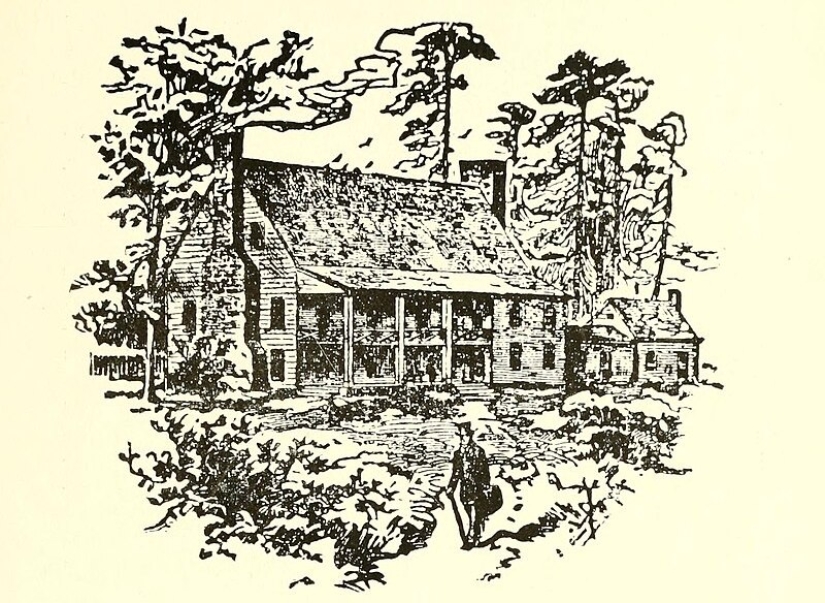
Patty Cannon got involved in crime thanks to her eldest daughter. She, like her mother, married early. Her chosen one was a local criminal, Henry Brereton. He owned a forge, but his main income came from illegal slave trading and robbery. In 1811, Brereton was arrested and sent to prison. But he soon escaped and returned to his old ways.
Henry found it easy to get along with the money-hungry and unprincipled Patty. Together with his wife and mother-in-law, they formed the backbone of a brutal gang. The first victim of the criminals was the slave trader Ridgell, a frequent guest of the Cannon tavern. Patty got him drunk, and on the way home, Brereton and his accomplice shot the man and took his money.

The police quickly found the killers' trail, and Henry and his accomplice were again behind bars. No one knew about Patty and her daughter's role in organizing the crime, and the women got away with it. Bretton was threatened with the gallows, but he did not live to see the trial and died in prison. His young wife remarried Joseph Johnson, who was an even bigger scoundrel than Henry.
Thus, Patty Cannon, her daughter, and Johnson became the leaders of a gang that terrorized several states for 20 years. The criminals kidnapped free black people in the North and sold them to plantation owners in the South. In the northern states of America, such as Maryland, Delaware, and Pennsylvania, the attitude toward slavery was negative, and there was no shortage of free black people.
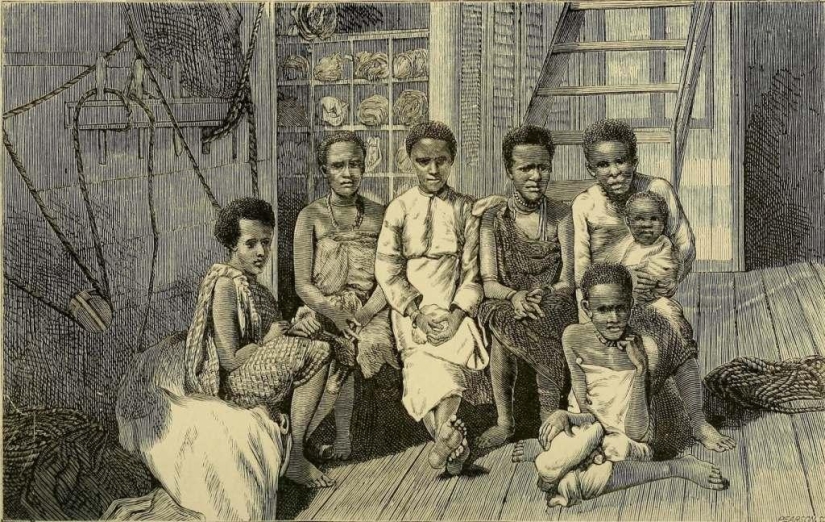
Cannon and her associates created a complex criminal network that included informants and kidnappers. The proximity to the southern states and the high demand for labor made their illegal business not only easy, but also extremely profitable.
The gang had several methods for kidnapping. Sometimes they used brute force and intimidation. Other times they used alcohol or bribery. To lure black children, the criminals resorted to sweets and toys.
For each slave in the South, Patty Cannon and her friends received between $200 and $300. In today's money, this amount was equal to several thousand dollars. The bandits did not hesitate to use weapons. They killed both obstinate slaves and competing slave traders. Patty's tavern was a real fortress of evil. It had secret rooms where they kept kidnapped people before selling them.
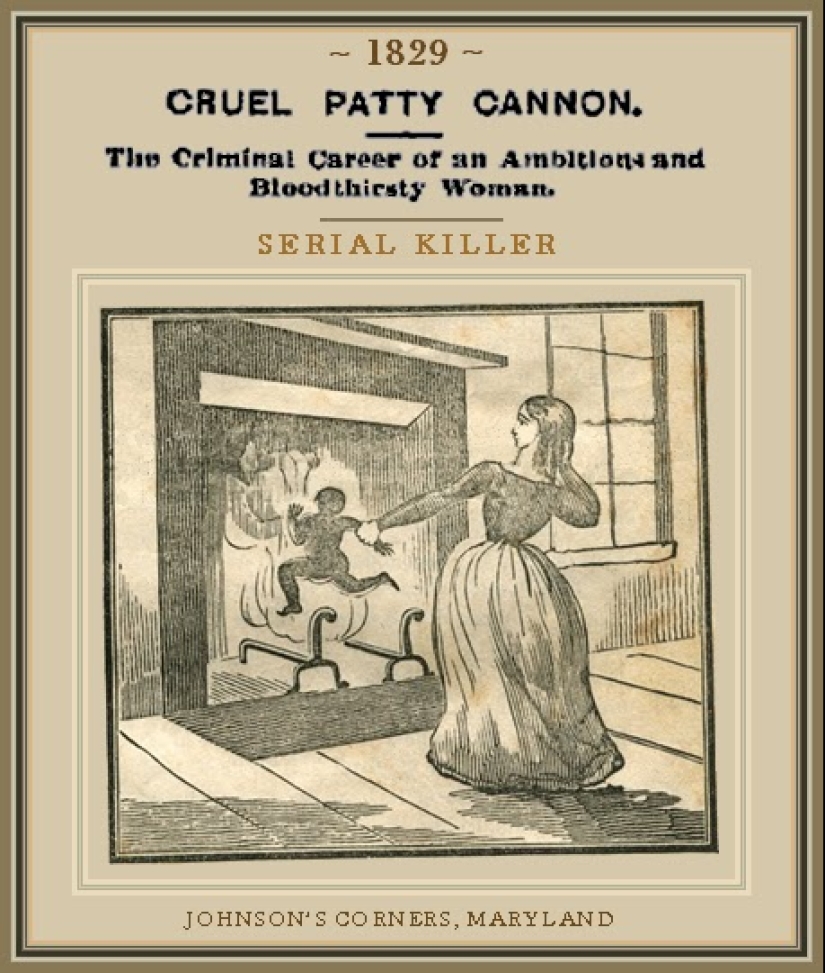
At the height of their crime spree, the Cannon gang is believed to have numbered between 50 and 60 people. Over the course of two decades, they kidnapped around 3,000 people and killed more than 30. These numbers are shocking, but what's even more astonishing is how long they managed to remain unpunished.
The crimes of Patty Cannon and her men were extremely brutal. They didn’t just kidnap people, they killed those who might turn them in or become a liability. Victims who tried to resist disappeared without a trace. The gang operated like a well-oiled machine: some were engaged in kidnappings, others in selling, and still others in eliminating witnesses. Patty, being the brains, made sure everything went according to plan. The police actively searched for the bandits, and local residents organized armed units to resist them.
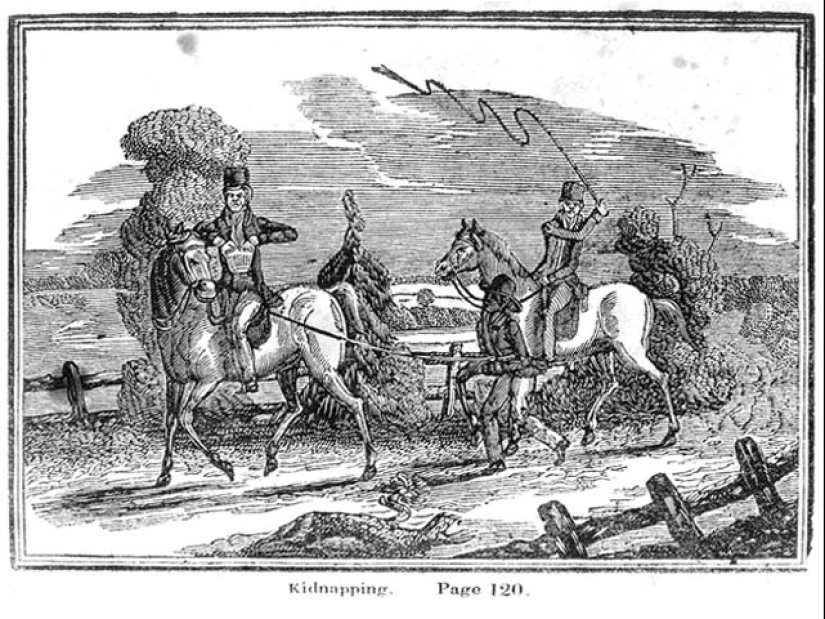
In 1822, Joseph Johnson and several accomplices were ambushed and arrested. He did not give up his mother-in-law or wife, and the court could not prove his involvement in the murders. As a result, the bandit was sentenced to 39 lashes and released on parole. A frightened Johnson fled Maryland - moved to Alabama or Mississippi, completely breaking ties with Patty and his wife.
Johnson's departure from the gang did not change anything. The Cannon Gang continued to terrorize small towns and villages on the southern border. While Patty was engaged in banditry, her farmland was rented out. This was what ultimately destroyed her. In 1829, the farmer who rented the land found a chest in the field filled with human bones and half-rotted clothing.
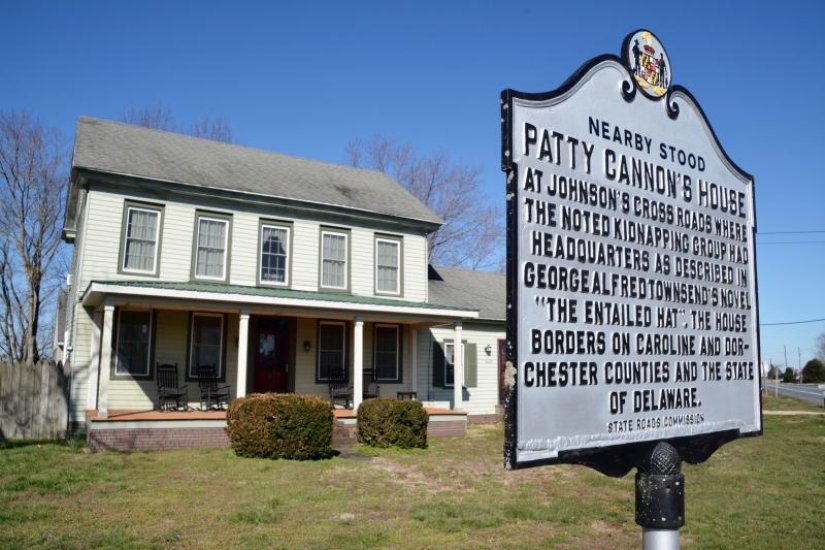
Police determined that the remains belonged to a slave trader who had disappeared several years earlier. Patty Cannon then became the prime suspect. The sheriff found a freed slave named Cyrus James, who testified against the gang. He had been kidnapped at age seven, but was later released on the condition that he act as bait for other victims.
The information received from Cyrus James became the basis for the arrest of Patty Cannon and her closest accomplices. The leaders of the gang were detained right in Cannon's tavern, where they were brought by law enforcement officers led by Cyrus. In April 1829, Patty was charged with four counts and sent to prison to await trial.
Patty Cannon most likely faced the death penalty, but she saved the authorities from unnecessary trouble. A few days after her arrest, she was found dead in a prison cell in Georgetown, Delaware. The cause of death of the gang leader remains unknown. Some believe that she committed suicide, others are sure that she died naturally. The second version seems plausible, because at the time of her arrest, Cannon was a decrepit 70-year-old woman.
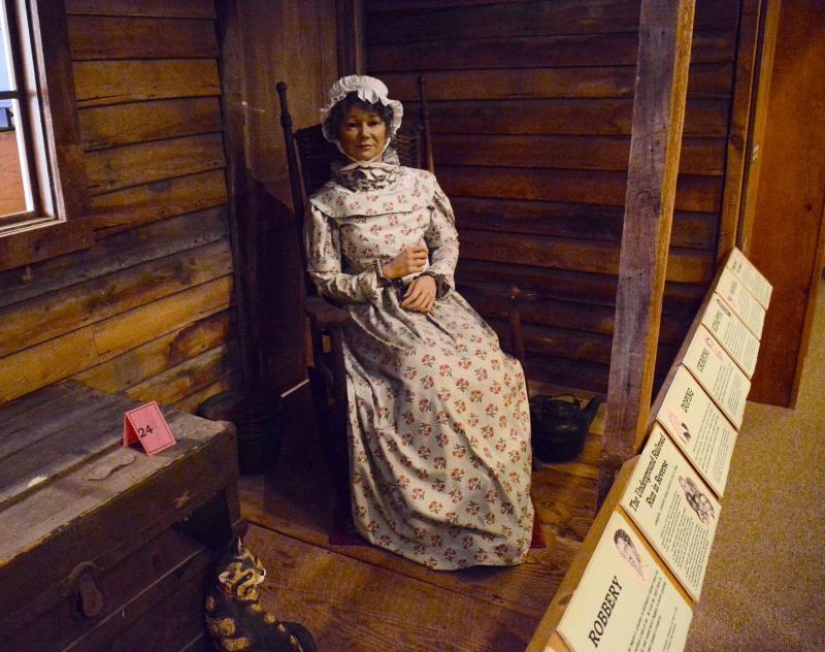
Patty Cannon was buried near the Sussex County Courthouse in Delaware. However, the eternal rest of this serial killer and kidnapper was disturbed. Unknown persons managed to steal her skull from the grave, and for many years its fate remained a mystery. In 1961, the skull was donated to the Dover Library. It is now kept in the Smithsonian Institution in Washington for long-term storage.
Patty Cannon's story is a shocking reminder of how greed and cruelty can flourish when the law is complicit and society is indifferent. Do you think Cannon's crimes could have been stopped earlier, or were they an inevitable consequence of a system in which slavery remained the norm?
Recent articles

It's high time to admit that this whole hipster idea has gone too far. The concept has become so popular that even restaurants have ...

There is a perception that people only use 10% of their brain potential. But the heroes of our review, apparently, found a way to ...
New Year's is a time to surprise and delight loved ones not only with gifts but also with a unique presentation of the holiday ...