
The controversial 1978 Annapurna women's expedition
Categories: History | Sport | Travel
By Pictolic https://pictolic.com/article/the-controversial-1978-annapurna-women39s-expedition.htmlIn 1978, a brave group of women decided to conquer one of the most dangerous peaks in the world – Annapurna. It was the first ever all-female expedition to the eight-thousander. It went down in history not only as a triumph, but also as a tragedy. Bold, ambitious and controversial, this story continues to excite the minds of mountaineering and adventure enthusiasts. But what happened on the slopes of Annapurna almost half a century ago? Let's find out.
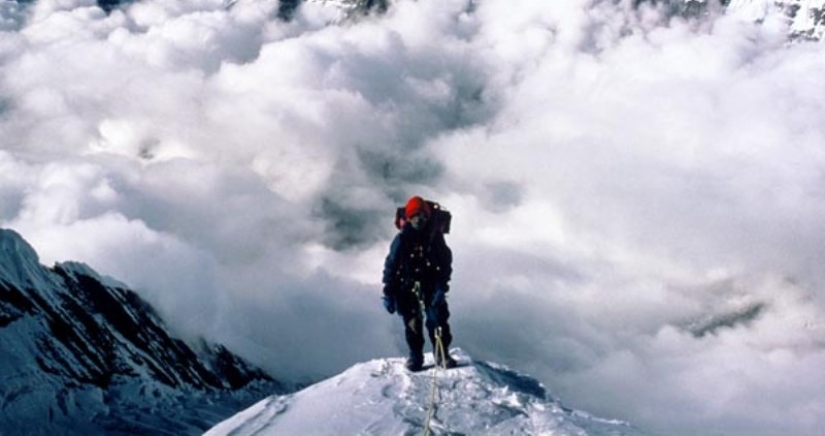
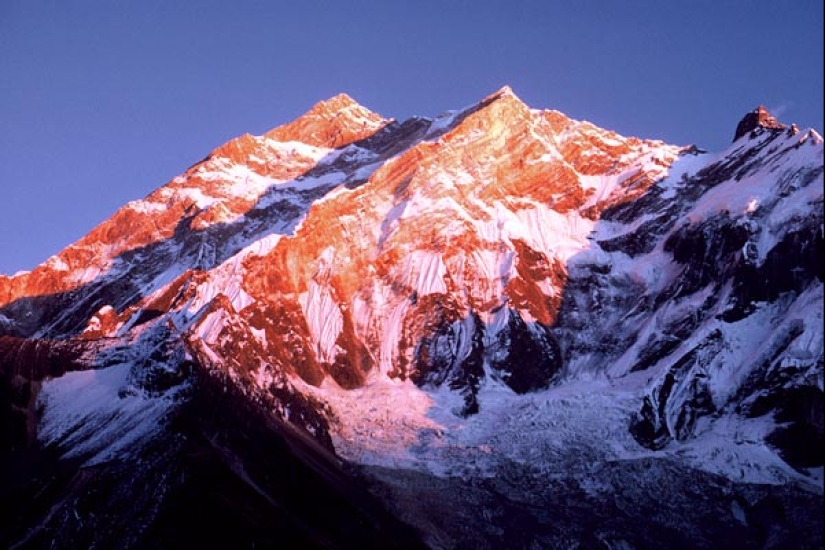
Mount Annapurna I (8,091 m) is named after the Hindu goddess of fertility Annapurna, who symbolizes abundance and care. However, its treacherous slopes are in stark contrast to this image, reminding us of the duality of nature – it can be both generous and merciless.
The idea to conquer Annapurna belonged to Arlene Blum, a biochemist from California who had a huge passion for mountains. At that time, women in mountaineering were extremely rare, and an entire female team on an eight-thousander seemed something incredible. Arlene was considered one of the strongest female climbers on the planet. She conquered many peaks, including Everest.
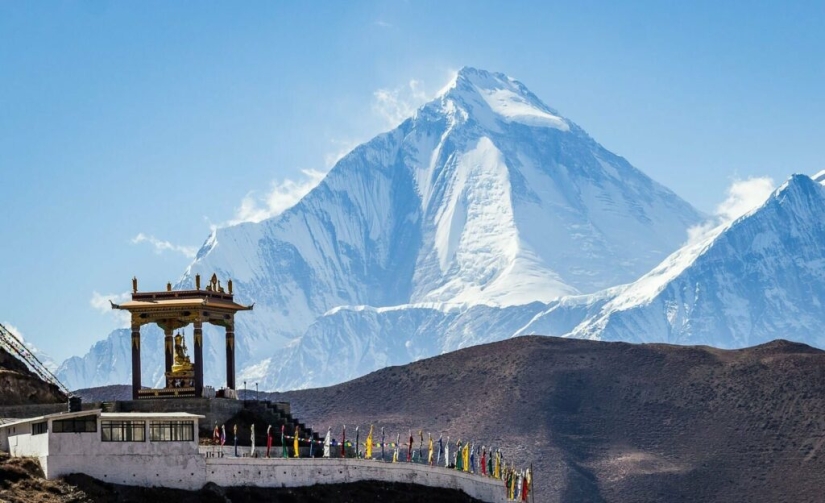
Annapurna is the tenth highest peak among the fourteen "eight-thousanders". At the same time, it is one of the three most difficult peaks in the world to climb. The mortality rate among climbers who decide to conquer Annapurna reaches almost 22 percent. And this applies even to experienced men, hardened by training and many ascents.
Arlene Blum was sure that women were no worse than men. If someone else could conquer a mountain, women could do it too. She decided to assemble a team of exclusively female climbers to prove that mountains do not divide people by gender. Courage and persistence can work wonders.
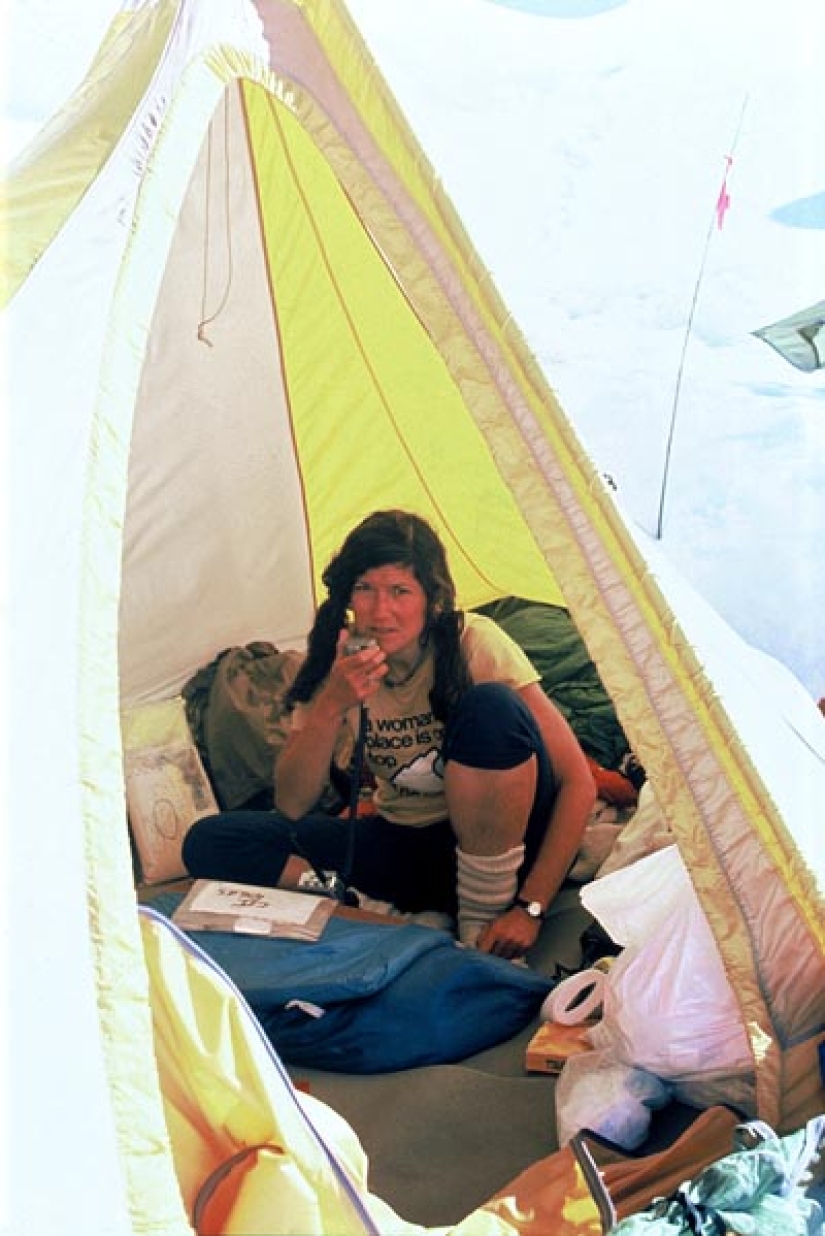
It took several months to select the team members. Arlene carefully assessed the level of physical fitness, climbing experience, and psychological qualities of each candidate. In the end, the group included ten experienced climbers, including Blum herself. The youngest member was 21 years old, and the eldest celebrated her 50th birthday shortly before the expedition.

Each member of the expedition was a professional in her field and a well-known person in the world of mountaineering. Marian Martin had conquered many peaks in Asia, Europe, North and South America. Lynn McNeil worked as a professional mountain rescuer and participated in several extremely difficult ascents. Ellen Leclerc specialized in navigation in mountainous areas and could build routes even in the most extreme conditions. The expedition was called the American Women's Himalayan Expedition, and its motto sounded loud and inspiring: "Women challenge the tenth summit of the world."
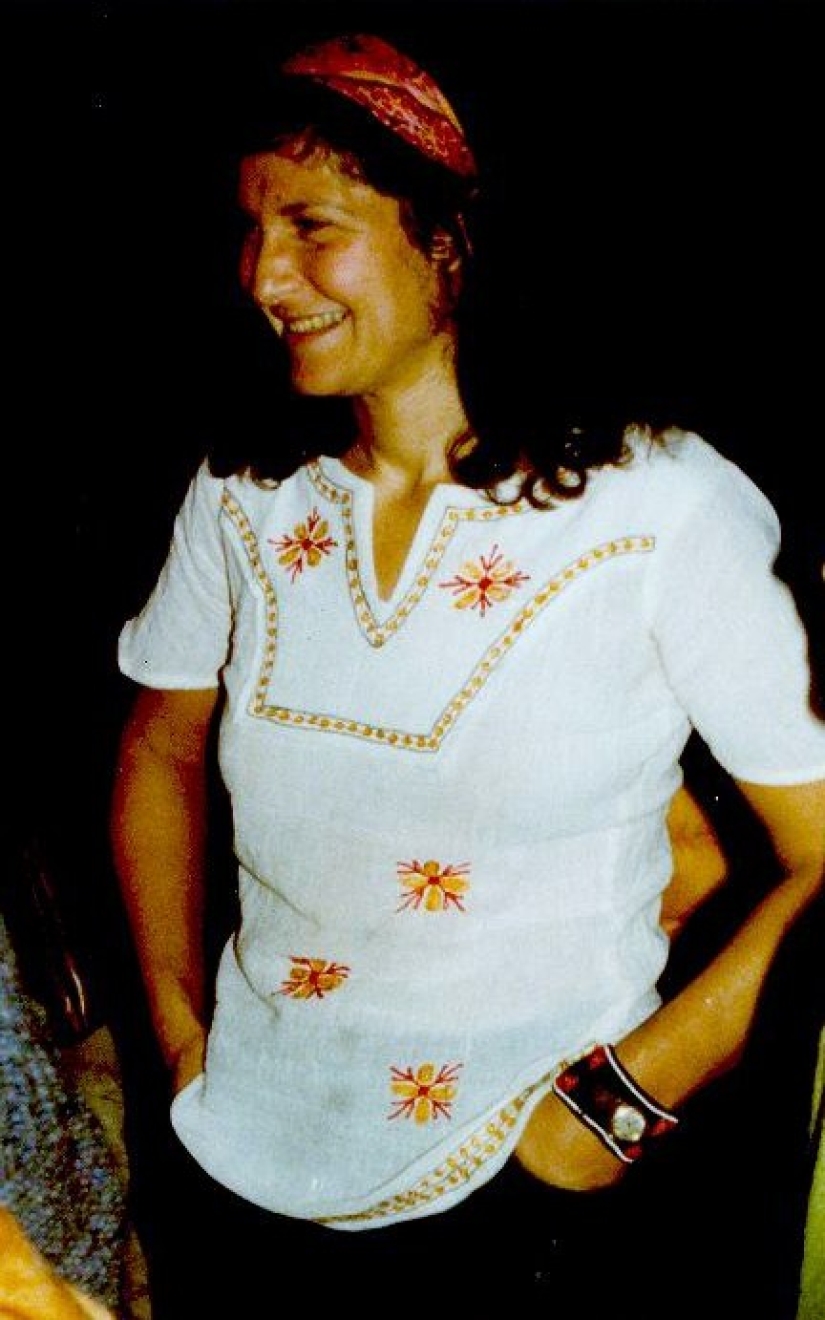
Arlene Blum herself was the most experienced and titled climber in the team. She took on all organizational issues and coordinated the expedition's actions. This determined and confident woman became the heart of the team, the generator of ideas and the main motivator for all participants.
The preparation took two years. During this time, the participants trained, collected equipment and looked for sponsors. The preparation was very serious. The climbers increased their strength and endurance, honed their technique and worked on actions in extreme situations. Particular attention was paid to psychological training, which helped the participants prepare for the stress and difficulties that are inevitable during the ascent.

The women's difficulties began already at the preparation stage. The main problem was financing. Women's teams have always attracted fewer sponsors than men's. In the case of such a difficult and dangerous task as conquering Annapurna, no one wanted to invest money at all. And an impressive 80 thousand dollars were required to finance the expedition.
Since major companies and brands showed no interest in the expedition, Arlene Blum decided to act outside the box. She turned to private investors and charities. In addition, the climbers found an original solution: they began sewing T-shirts with the bold inscription "A woman's place is on the top of Annapurna." Although the slogan caused a mixed reaction, they managed to sell about ten thousand of these T-shirts.
With great difficulty, but an impressive amount of money was collected. Another unpleasant moment was the barrage of criticism that fell on the team members. Almost no one believed in the success of the women's expedition, and Arlene and her friends were criticized and dissuaded. But such pressure only strengthened the women's determination.
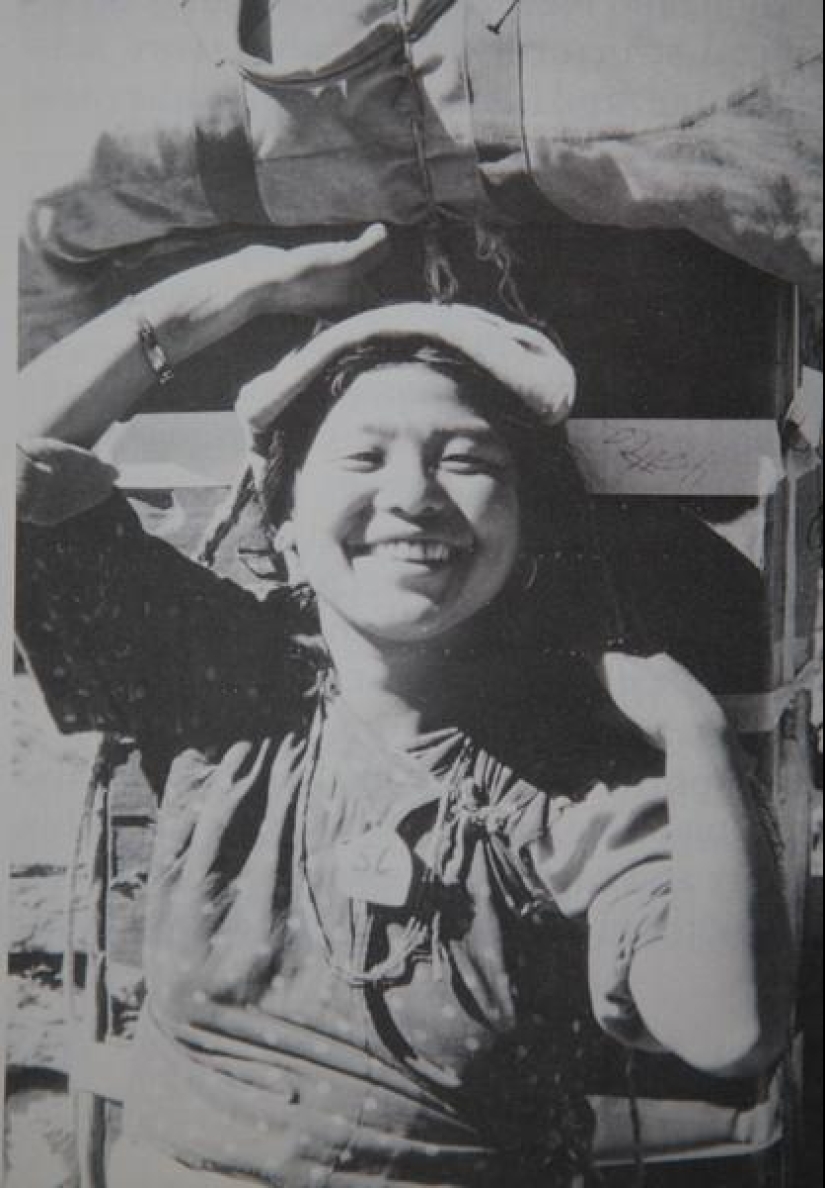
In July 1978, a women's team set off for Nepal to conquer Annapurna. After the necessary adaptation at the foot of the mountain, the expedition began its ascent. The group was joined by Sherpa porters, including women.
It took ten days for 250 Sherpa porters to carry six tons of cargo to base camp at 5,000 meters.

The first days were relatively calm - the weather was favorable and everyone was in high spirits.
On September 3, Vera Watson, Annie Whitehouse and Piro Kramar reached the 5,640-metre mark, where they set up a second camp. The place was considered avalanche-prone – people had died in avalanches there before. But there were no other options for setting up camp. After the second camp, the most difficult part of the ascent began, leading to an altitude of 6,400 metres.

The weather in the Himalayas changes instantly, and soon it worsened rapidly. Strong winds began to blow, snow began to fall, and the air temperature dropped sharply. On September 26, a huge avalanche descended on the glacier. Fortunately, none of the participants were injured, but some valuable mountaineering equipment was lost. Despite the avalanche danger, the women continued to stubbornly move towards their goal.
The first serious trouble happened to Marian Martin. She fell and got a serious leg injury. It was decided to leave her at the intermediate camp with a supply of food and fuel. Later, this step caused a lot of controversy in the community - many believed that the injured climber was simply abandoned so as not to interrupt the ascent.
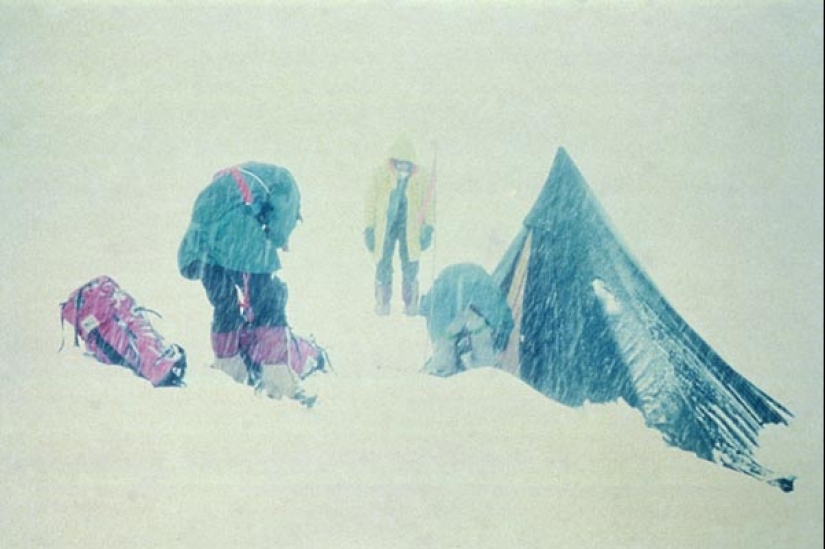
Soon the weather threatened the success of the ascent. However, Arlene Blum's team was not going to retreat. The women decided to abandon the classic route and create a new one, which could be safer. This route was called the "Dutch" route, since a team from the Netherlands had previously climbed it. Expedition cartographer Ellen Leclercq successfully completed the task, despite the difficult working conditions.
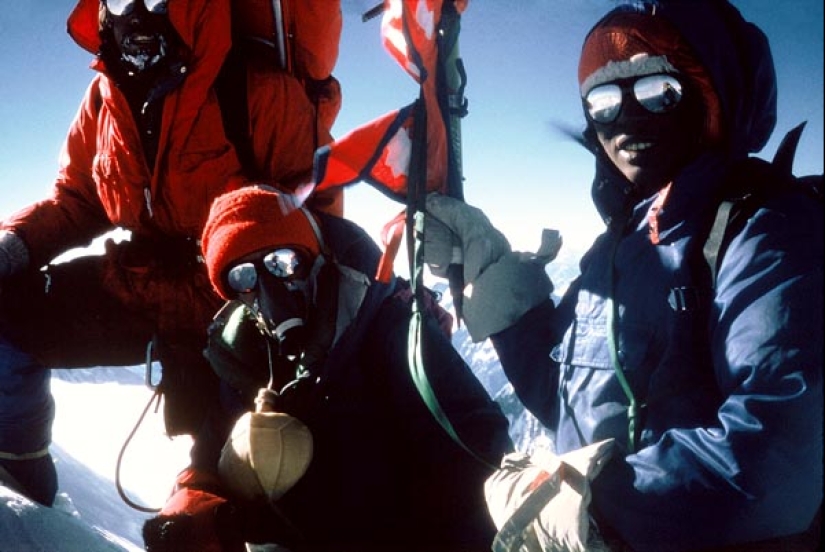
The new route indeed proved to be the best choice. It allowed the women's team to reach the summit of Annapurna (8,091 meters) on October 15, 1978. That day, Vera Komarkova and Irene Miller, along with two Sherpas, reached the summit. It was a triumph that was talked about around the world. However, the joy was short-lived. A few days later, another group of participants decided to continue the ascent, and then Annapurna showed its unpredictable character.
At around 7,200 metres, tragedy struck. Vera Watson and Alison Chadwick-Onyszkiewicz fell almost 300 metres during their descent. Their bodies were later found below – both climbers had perished. The tragedy rocked the team and became a turning point, after which the expedition found itself under a barrage of criticism. Two deaths amidst a resounding success was a blow no one expected.
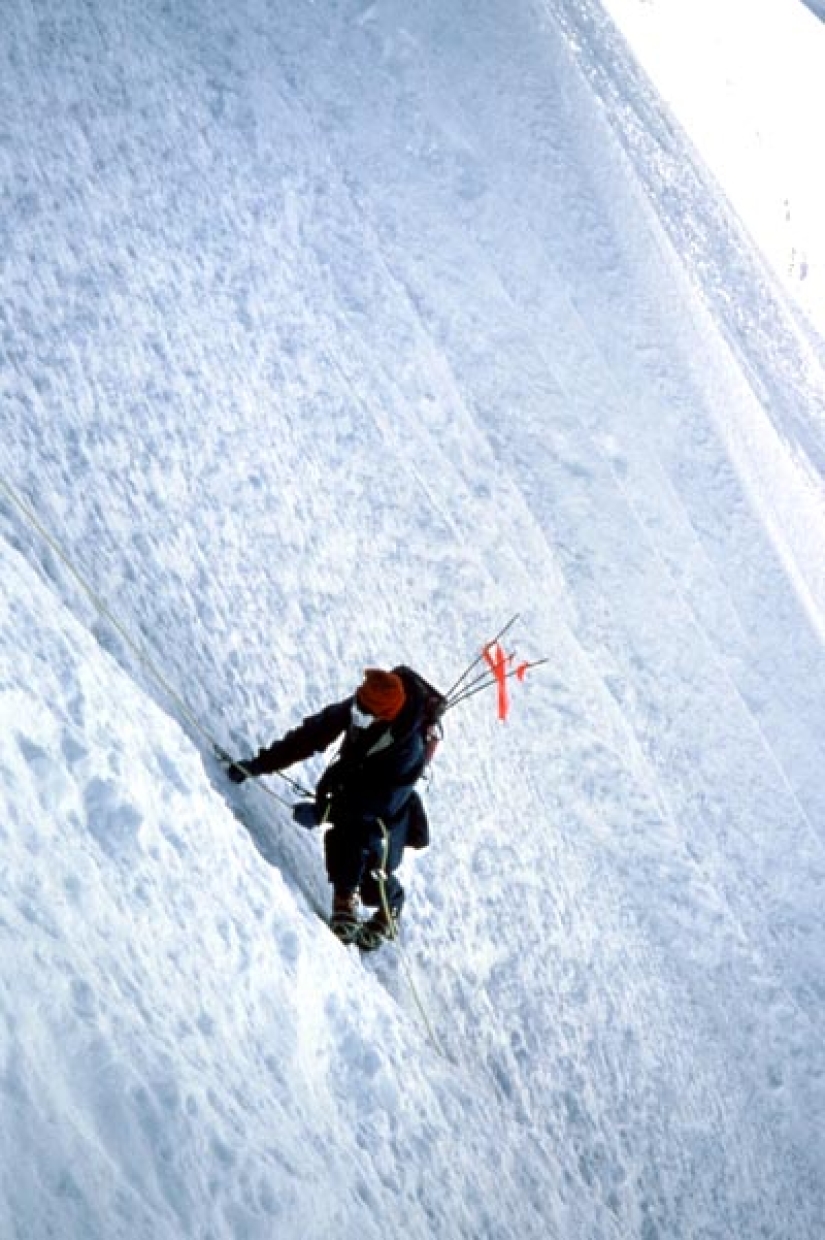
The 1978 expedition was met with both admiration and controversy. Some called it reckless, saying the women weren’t prepared for the challenge. Others saw it as a step toward equality and an inspiration for future generations. Critics accused Arlene of underpreparing the team, while supporters insisted that risk was an integral part of mountaineering, regardless of gender.

The main criticism from critics was the team’s lack of preparation. They said that Arlene Blum underestimated the difficulty of Annapurna and overestimated the strength of the participants. Some even claimed that the women’s expedition was doomed from the start due to “lack of experience” and “emotionality” – the stereotypes of the time played their role.
The public was divided. Some saw the tragedy as proof that women had no place on eight-thousanders. Others, on the contrary, defended the team, insisting that risk was part of mountaineering, and men died in the mountains no less often. The scandal flared up with renewed vigor when the press began to discuss whether the feat was worth the price.
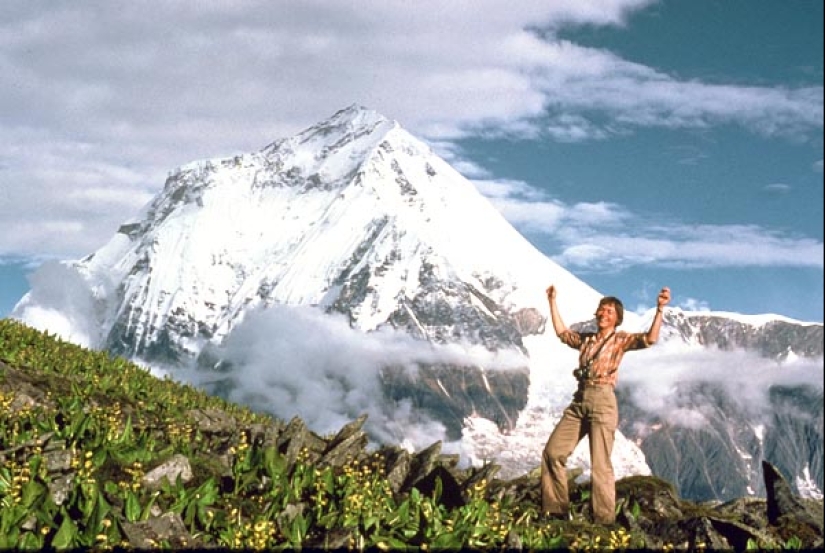
The story of the all-female Annapurna expedition is an example of incredible determination, courage, and overcoming prejudice. These women not only proved their abilities, but also left a significant mark on the history of mountaineering. Do you think such determination should justify the risks associated with life and health? Share your opinion on where the line is drawn between an inspiring feat and an unjustified risk.
Recent articles

It's high time to admit that this whole hipster idea has gone too far. The concept has become so popular that even restaurants have ...

There is a perception that people only use 10% of their brain potential. But the heroes of our review, apparently, found a way to ...
New Year's is a time to surprise and delight loved ones not only with gifts but also with a unique presentation of the holiday ...