
Sand under a microscope
Categories: Microworld | Nature | Science
By Pictolic https://pictolic.com/article/sand-under-a-microscope.htmlDiscover an amazing microworld with a selection of macro photographs created by Professor Gary Greenberg. These images display ordinary grains of sand as captivating works of art, revealing the incredible complexity and beauty hidden from the human eye. Each photo reveals the rich palette of colors and unique structures that make ordinary sand a true miracle of nature.
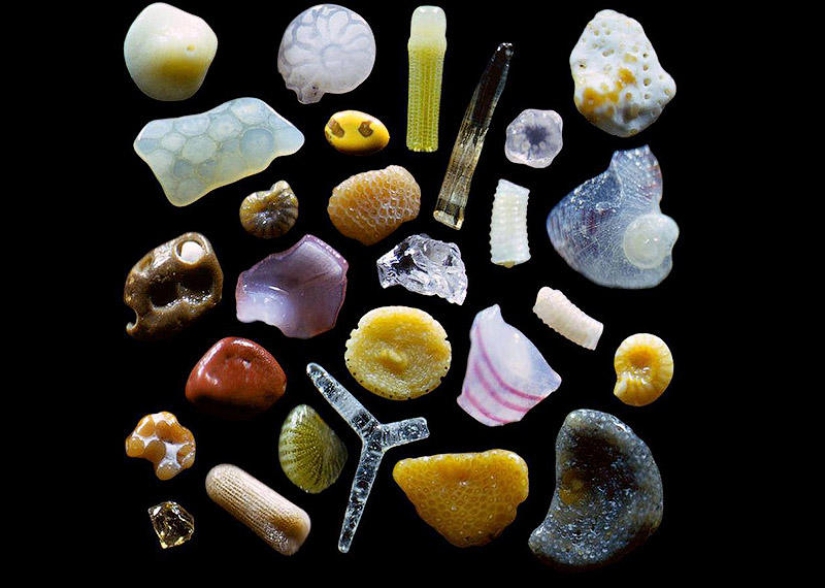
Beach sand under a microscope reveals a wonderful world hidden from the naked eye. These are not just small pebbles, as it might seem at first glance. Each grain of sand is a whole story written in miniature.
Professor Gary Greenberg from London studies and takes macro photographs of sand from different parts of the world.
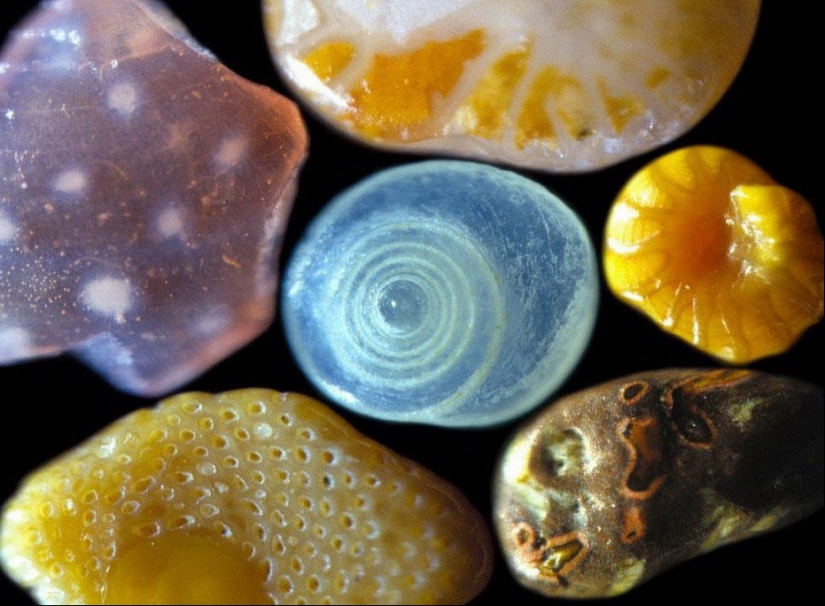
Under the microscope, various minerals, pieces of shells, fragments of coral and even tiny crystals are visible. The variety of shapes and colors is amazing, ranging from clear quartz to dark brown garnets, and grain shapes ranging from perfectly round to angular and irregular.
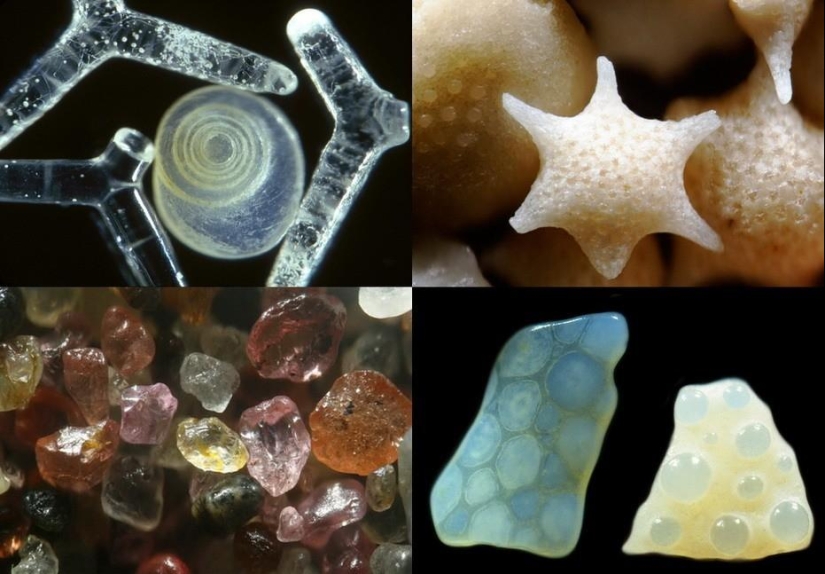
Photography is carried out using a 3D microscope with 250x magnification. According to the professor, conventional ultrasonic photography does not produce such results. He takes dozens of pictures at different focal lengths and then processes them on a computer.
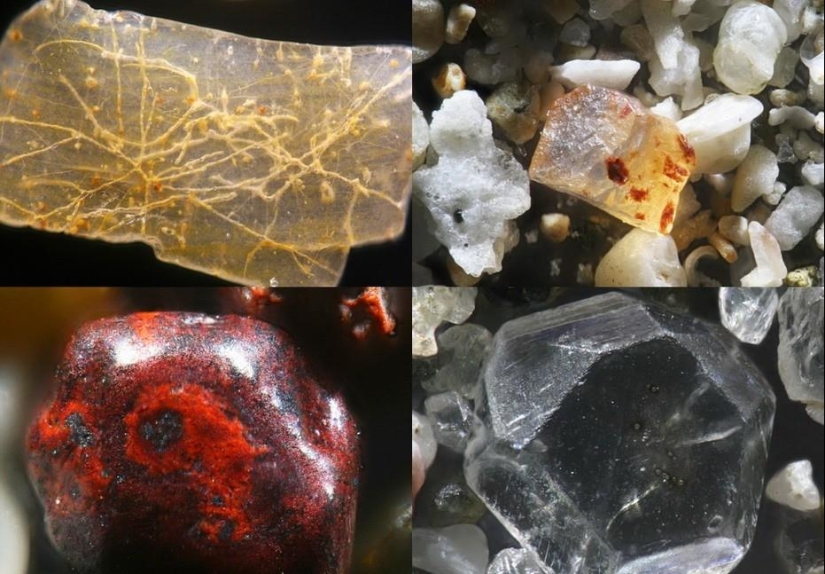
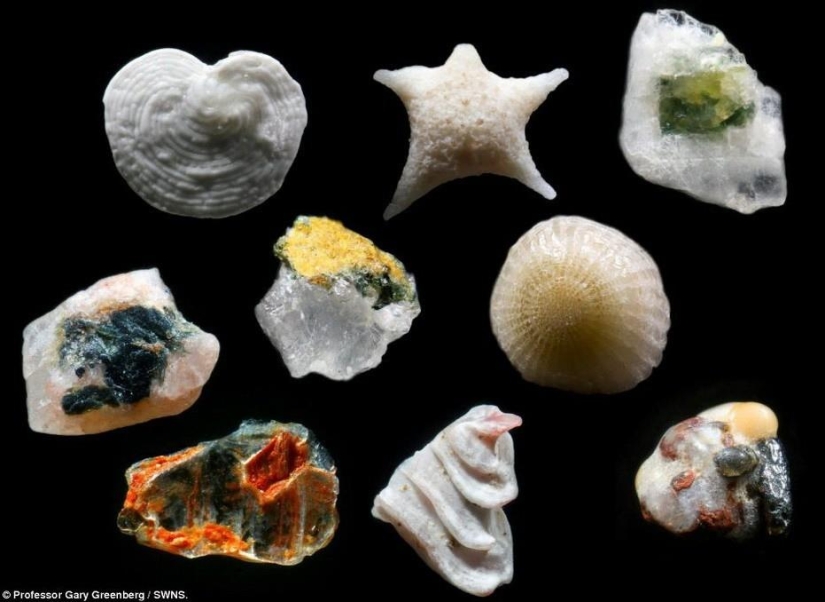
Each grain of sand under a microscope is a small masterpiece of nature. Quartz grains usually take the form of perfectly polished, almost transparent crystals. They can shine and shimmer under the light, reflecting internal cracks and inclusions.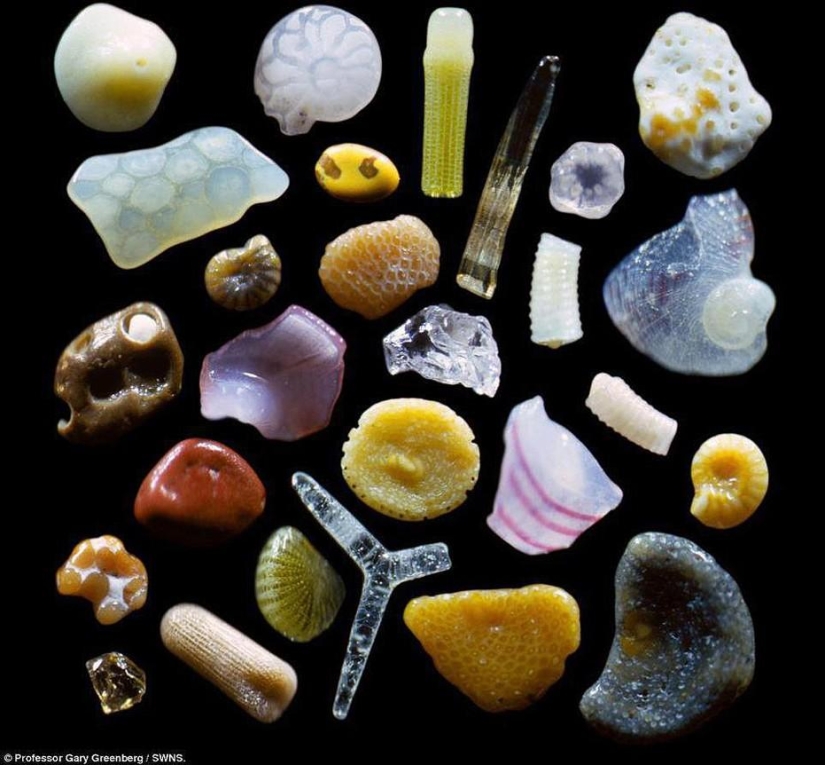
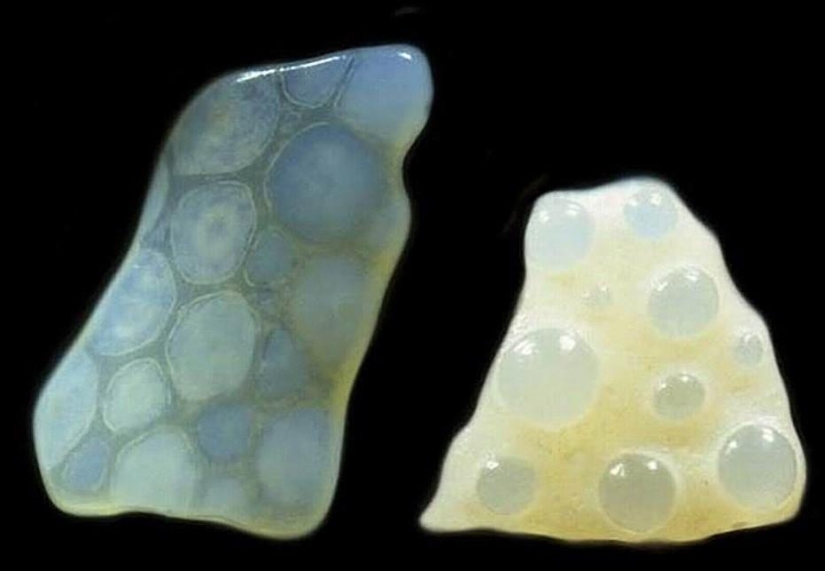
Some sand grains resemble small, brightly colored glass beads, while others have a more dull, rough surface. Grains with amazing patterns formed from different minerals are also not uncommon.
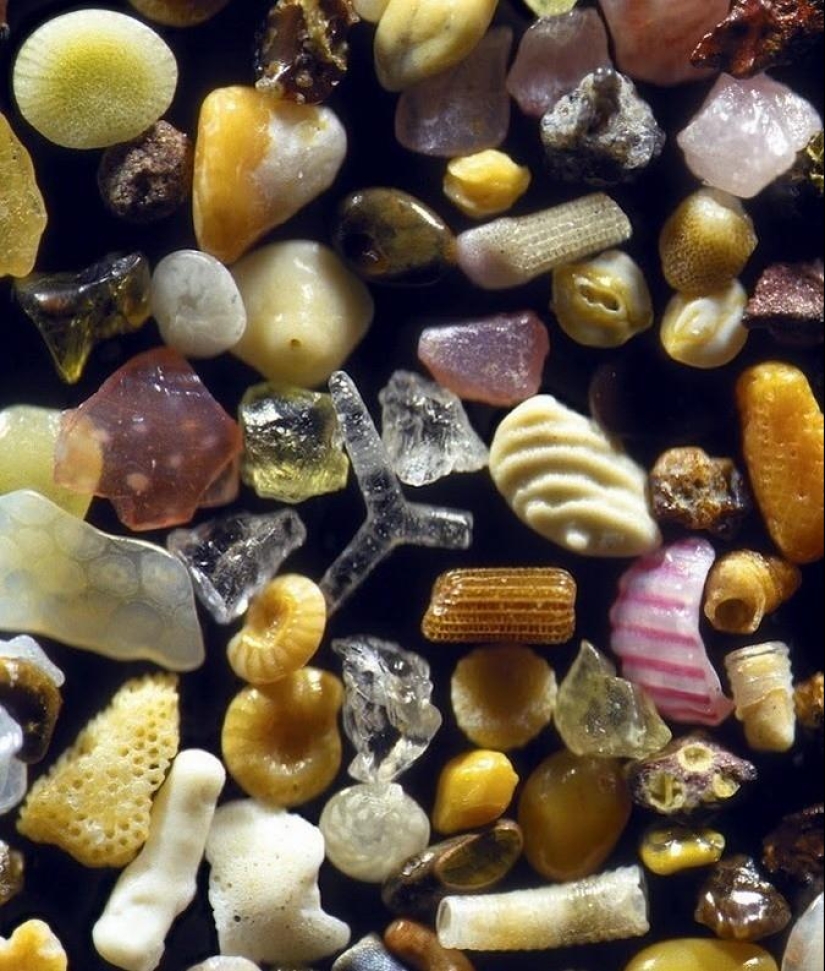
Sand consists of eroded rocks, fragments of volcanic eruptions, dead organisms and particles of human-made objects.
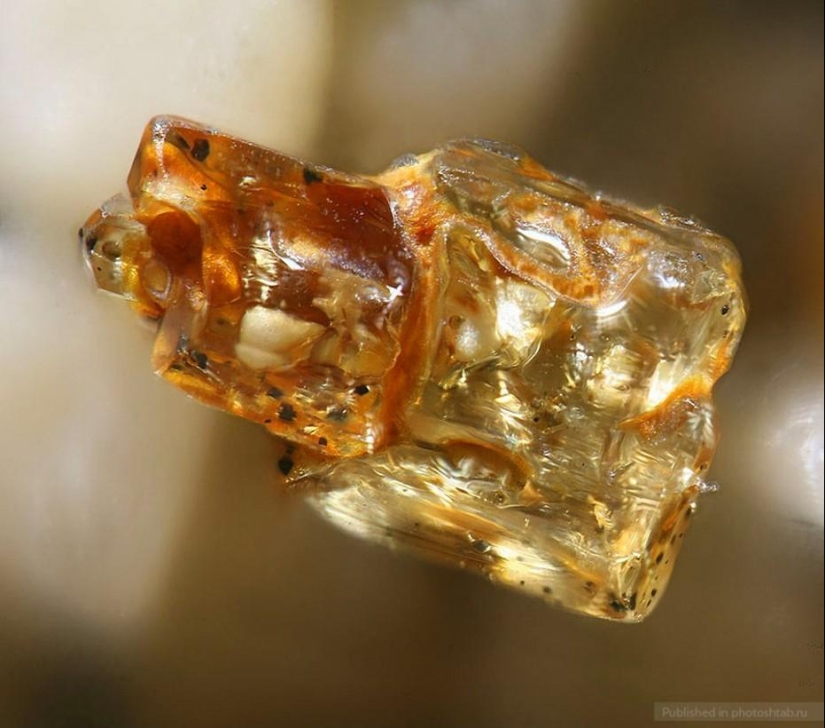
Sand from beaches, especially those near coral reefs, often contains pieces of coral and shells. These fragments give the sand unique colors and textures. Shell pieces can have complex spiral shapes or interesting textures reminiscent of lace patterns.
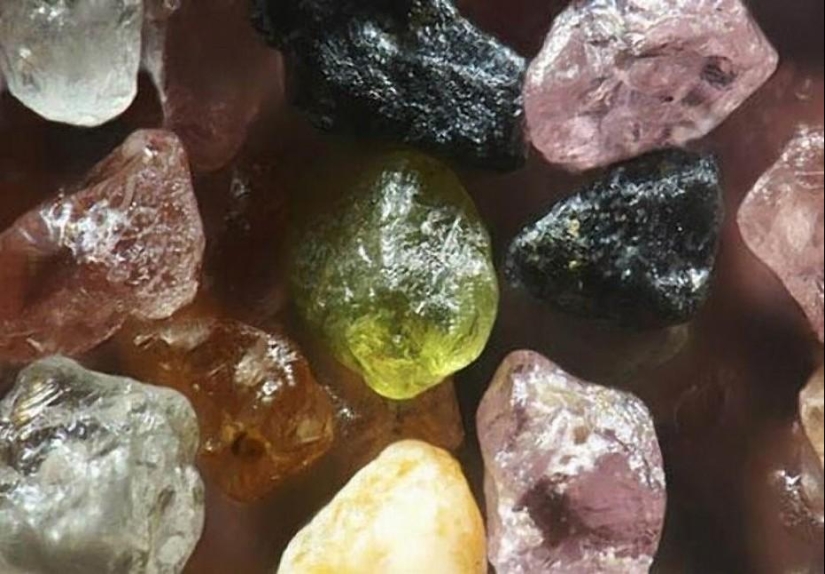
The microscope also reveals microscopic organisms that cannot be seen with the naked eye, adding even more complexity and diversity to this microcosm. In general, sand under a microscope is a mosaic of various elements that make up a unique and strikingly beautiful world.
If you enjoyed exploring the world, then we invite you to take another journey through the world of macro photography, examining objects under a microscope such as citramon, cola, paper and much more.
Recent articles

It's high time to admit that this whole hipster idea has gone too far. The concept has become so popular that even restaurants have ...

There is a perception that people only use 10% of their brain potential. But the heroes of our review, apparently, found a way to ...
New Year's is a time to surprise and delight loved ones not only with gifts but also with a unique presentation of the holiday ...