
How vegan cheese was invented, what it's made from, and whether this product can replace dairy alternatives
Categories: Food and Drinks | Health and Medicine | Healthy lifestyle
By Pictolic https://pictolic.com/article/how-vegan-cheese-was-invented-what-it39s-made-from-and-whether-this-product-can-replace-dairy-alternatives.htmlJust twenty years ago, vegan cheese was something of a culinary joke—a tasteless mess that even dedicated vegans struggled to eat. Today, it's a multi-billion-dollar industry with products that melt on pizza, stretch into burgers, and even win awards at cheese competitions. But how did humanity get to the point of making cheese without dairy? Let's explore this fascinating story.
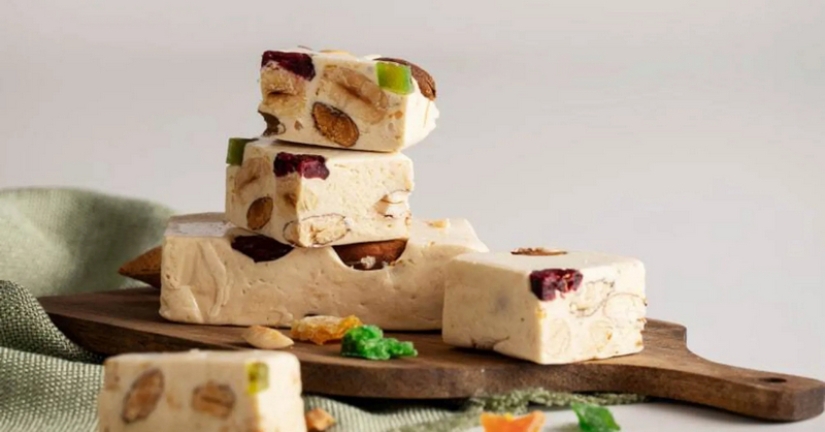
The history of vegan cheese isn't new. Back in the 1970s, when vegetarianism and veganism were just gaining popularity in the West, enthusiasts were trying to create an alternative to dairy products. The first recipes were extremely simple—crushed cashews mixed with yeast and spices. The result was edible, but calling it cheese was a stretch.
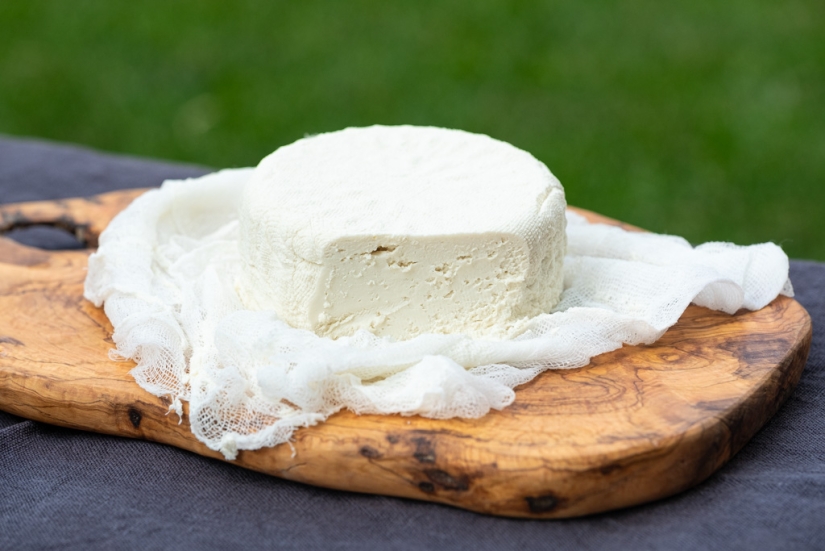
So how was vegan cheese made back then? The technology was primitive: a base of nuts or soybean curd was seasoned with salt, garlic, and nutritional yeast, which imparted a faint hint of cheesy flavor. This product didn't melt, didn't stretch, and had absolutely no texture resemblance to real cheese. But for people who gave up animal products for ethical or health reasons, it was the only available option.
A real breakthrough occurred in the 1980s, when manufacturers turned their attention to soy. Soy protein proved to be a surprisingly malleable material—it could be molded, pressed, and created into products with varying textures. The first industrial vegan cheeses made from soy milk appeared.
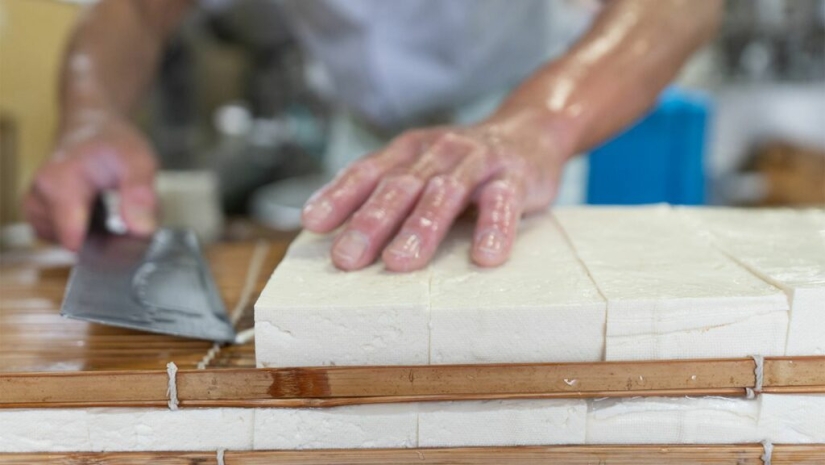
The history of vegan cheese during this period is linked to the names of the first pioneering companies that began mass production. Products became more accessible and could be purchased in specialized health food stores. However, the taste still left much to be desired—many vegan cheeses of that era had a characteristic soy flavor that was difficult to eliminate.
Soy-based cheeses have been produced in Asia for centuries for home consumption. There were numerous recipes and production nuances. The first commercial vegan cheeses appeared on the market in the 1970s and 1980s. They were made from soy flour, margarine, yeast extract, and other less-than-appetizing ingredients. Unsurprisingly, these cheeses tasted terrible.
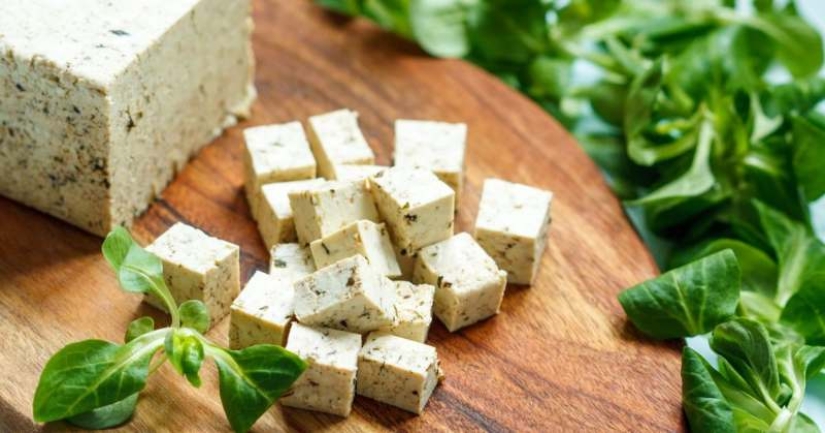
The first plant-based cheeses couldn't be compared to dairy cheeses, let alone modern vegan ones. They were decidedly inferior in taste, had an odd smell, a plasticine-like texture, and a dubious color. It was then that the foundation for mistrust of vegan cheeses was laid.
By the early 1990s, the gap between animal and plant-based products no longer seemed vast. Several varieties from different manufacturers appeared. However, this cheese still didn't create a huge buzz, as it cost more than twice as much as its dairy counterpart.
The real revolution began in the 2010s, when serious food technologists and scientists joined the development of vegan products. They began studying what exactly makes cheese cheese—which protein structures are responsible for melting, which fats create the creamy texture, which bacteria produce that rich flavor.
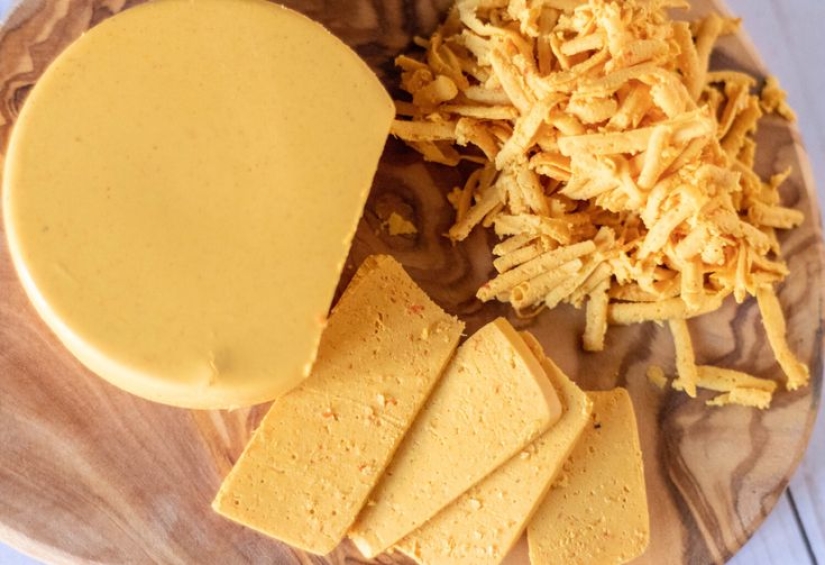
It turns out the secret lies in fermentation. Real dairy cheese gets its flavor from bacteria that break down proteins and fats during the ripening process. Producers of vegan alternatives have begun using the same bacterial cultures, but applying them to plant-based ingredients—nut milks, coconut oil, and potato starch.
Today, vegan cheese is no longer a compromise, but a fully-fledged alternative. The best vegan cheeses are made from cashews using a long fermentation process, just like premium traditional cheeses. Some producers use precision fermentation technology—a process in which microorganisms synthesize milk proteins without the use of animals.
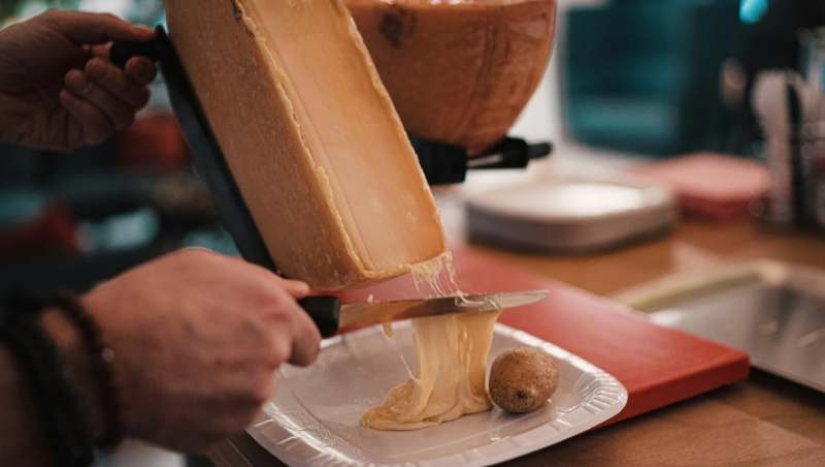
Mozzarella and cheddar producers have achieved particularly impressive success—these cheeses now truly melt and stretch thanks to special combinations of starches and vegetable fats. There are even vegan versions of Camembert and Brie with a white moldy rind, which are aged for several weeks and possess a distinctive mushroom aroma.
Vegan product manufacturers have achieved such success these days that it's hard to tell the difference between plant-based and dairy cheeses by taste. There are countless recipes using the most unexpected ingredients and techniques. But the most common and readily available today are cheeses made with coconut oil.
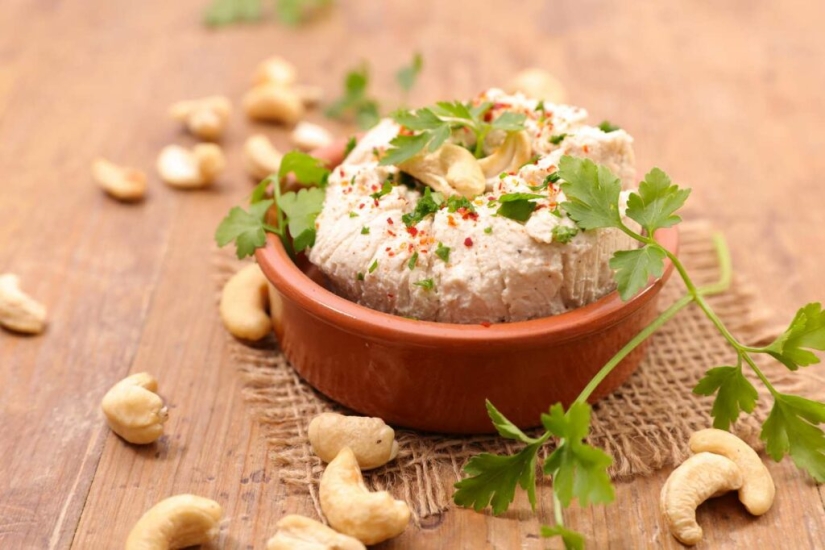
Coconut oil perfectly recreates the characteristic texture and melting properties of traditional cheese. Besides coconut oil, cheeses typically contain water, salt, modified potato starch, nutritional yeast, and lactic acid. Cheeses made from nuts are also popular. Cashews are the best choice, but other varieties are also available.
Unfortunately, many brands also use chemicals, albeit mild ones. After all, we're talking about a market segment aimed at health-conscious consumers. Vegan cheeses are loaded with xanthan gum and carrageenan, as well as thickeners and flavorings hidden under suspicious E-numbers.

Genetically engineered products, such as potato starch and pea protein, also contain these substances. But when it comes to reputable, globally renowned manufacturers, the chances of producing a product that's even remotely edible are slim to none. In the vegan world, brand reputation is too hard-earned to risk.
Many people mistakenly perceive veganism as just another dietary fad rather than a conscious rejection of animal exploitation. Because of this, vegan products often receive more media attention than others. Plant-based cheeses are among the most unfounded critics, regularly accused of being "harmful to health."
Louise Richards, a registered dietitian, described the problem in an interview with Plant Based News:
Richards agrees that eating only vegan cheese can be harmful. But this applies to absolutely all foods. Plant-based cheeses contain saturated fat, but they contain almost as much as dairy cheeses.
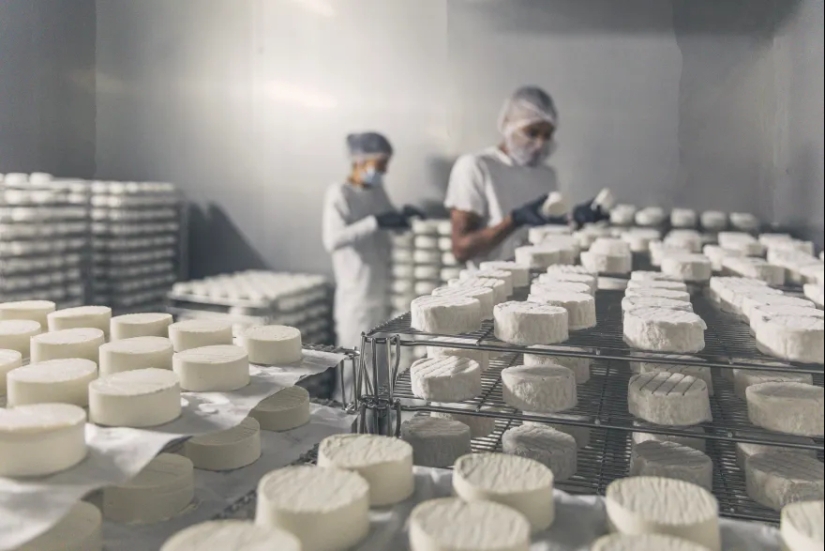
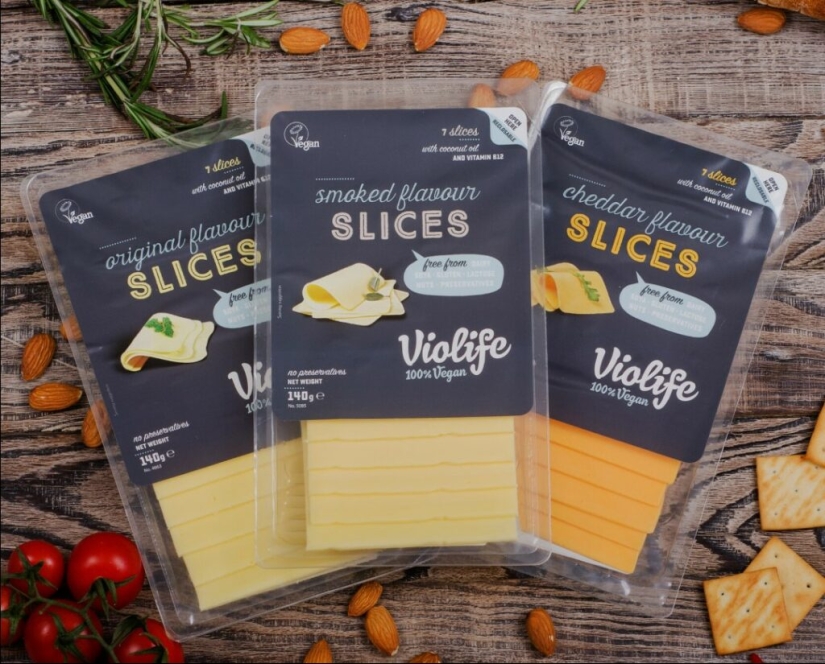
For example, two slices of Violife, a popular vegan cheese, contain 8.4 grams of saturated fat. By comparison, the same amount of cheddar contains 7.7 grams. Therefore, if you replace dairy cheese with vegan cheese, you will definitely not exceed the saturated fat limit.
Another trump card used by opponents of veganism is the lack of vitamins and minerals in plant-based cheeses, as found in dairy cheeses. Louise Richards says that well-known manufacturers deliberately enrich their products with beneficial substances. As a result, some dairy-free cheeses contain several times more vitamin B12 than dairy cheeses.
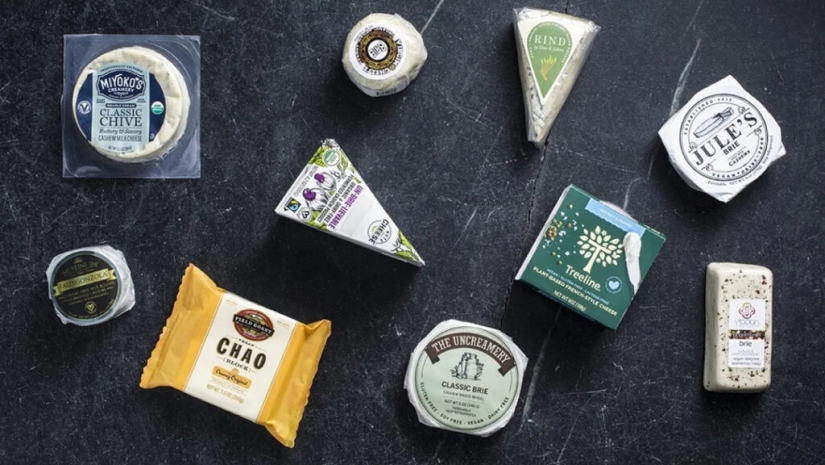
Yes, vegan cheeses don't contain calcium, but it's easy to get from other plant-based foods. Bread, tofu, kale, chickpeas, and almonds are all rich sources. Richards is completely objective and open about it:
However, it's unlikely that anyone could sustain a cheese diet for long, vegan or not. Any sane person's diet includes plenty of other foods rich in various essential nutrients.
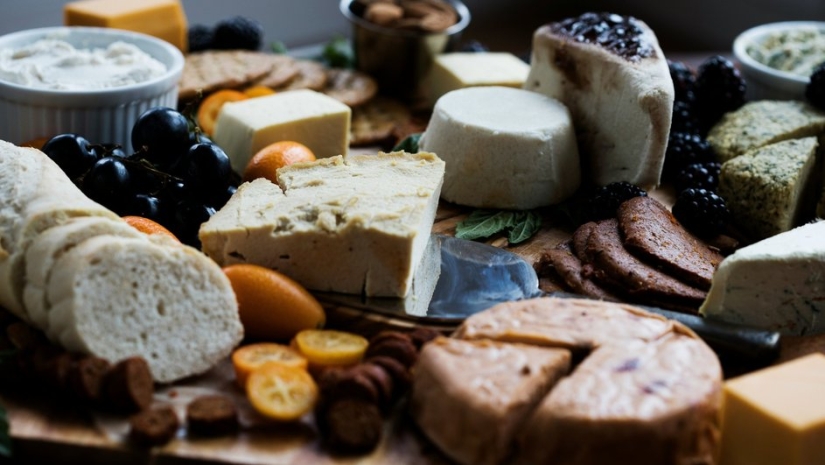
The history of vegan cheese has evolved from experiments with soy to sophisticated products that rival classic cheeses. But the debate continues: some consider it the future of gastronomy, while others see it as an artificial counterfeit. What do you think: can vegan cheese truly replace traditional cheese, or will the taste of "real" cheese always remain unique?
Recent articles

It's high time to admit that this whole hipster idea has gone too far. The concept has become so popular that even restaurants have ...

There is a perception that people only use 10% of their brain potential. But the heroes of our review, apparently, found a way to ...
New Year's is a time to surprise and delight loved ones not only with gifts but also with a unique presentation of the holiday ...