
How to get rid of pain in ancient times
Categories: Health and Medicine | History | Nature | People | Photo project | Society | World
PictolicToday, there is a popular myth in society that until the 19th century, people simply endured pain for lack of painkillers and anesthesia. In fact, since ancient times, almost all people had certain methods that were used both during surgical operations and for ordinary pains such as migraines. Here are 10 painkillers that were popular with our distant ancestors.
10 PHOTOS
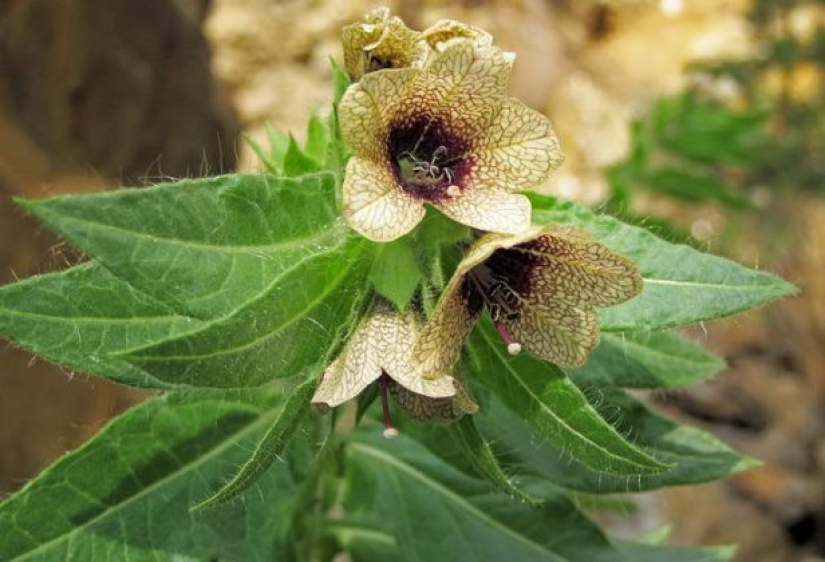
1. Black henbane.
This poisonous herb containing scopolamine was most often used to treat toothache. As a rule, it was burned, and the resulting smoke was inhaled by the patient.

2. Acupuncture.
Although acupuncture is still common today, it gained its greatest popularity in ancient China. Acupuncture is based on the metaphysical idea that there are certain meridians on the human body through which life energy circulates.

3. Mandrake.
One of the most ancient painkillers, it was usually taken internally, which caused not only an analgesic effect but also strong hallucinations.
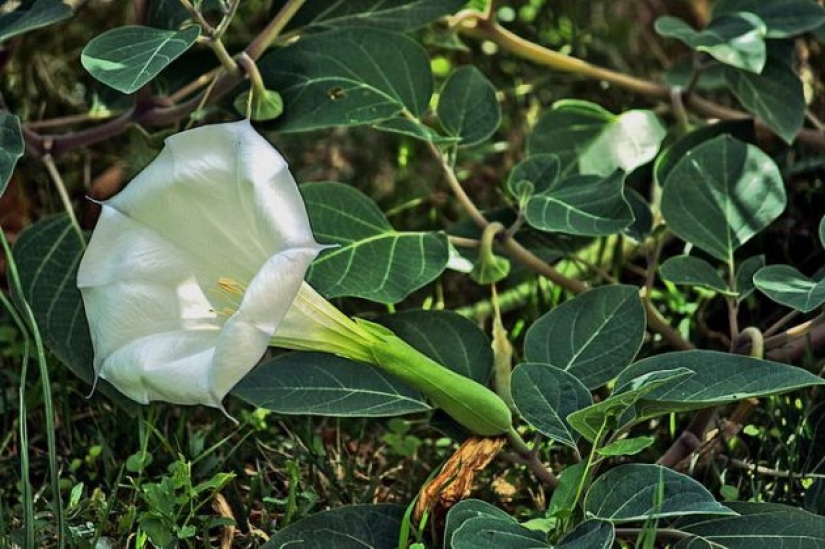
4. Datura.
Datura has long been used in folk medicine, despite the possible consequences in the form of hallucinations and even mental disorders.

5. Ethylene.
Ethylene gas has long been used as an anesthetic in surgical operations. It causes drowsiness and has a narcotic effect, but it has relatively few harmful effects on the body. The main disadvantage of ethylene is its explosive nature.
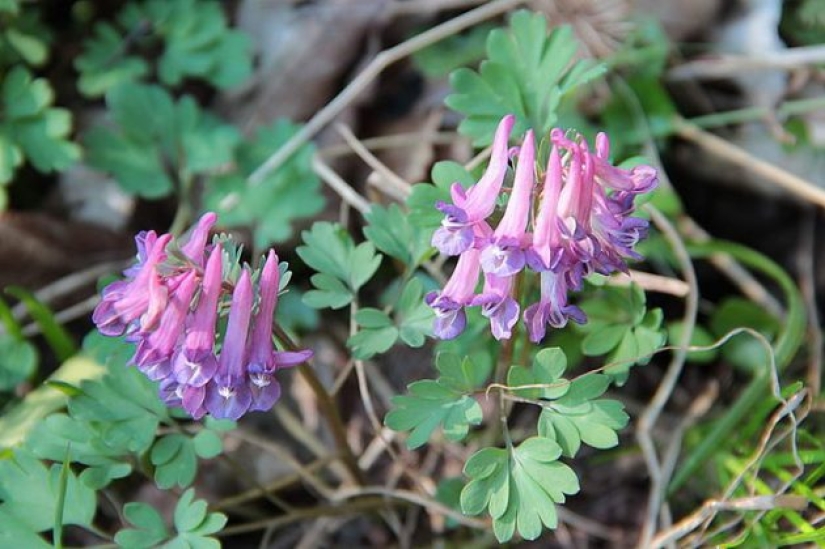
6. Corydalis.
This plant contains an alkaloid, which has made it a popular folk remedy for pain relief. Corydalis was used especially effectively for diseases of the back and joints.

7. Compression of the carotid artery.
\An extremely dangerous method of anesthesia, in which the blood flow to the brain was blocked for a few seconds, as a result of which the patient lost consciousness and naturally did not feel pain. In some cases, such manipulations could lead to death or a coma.
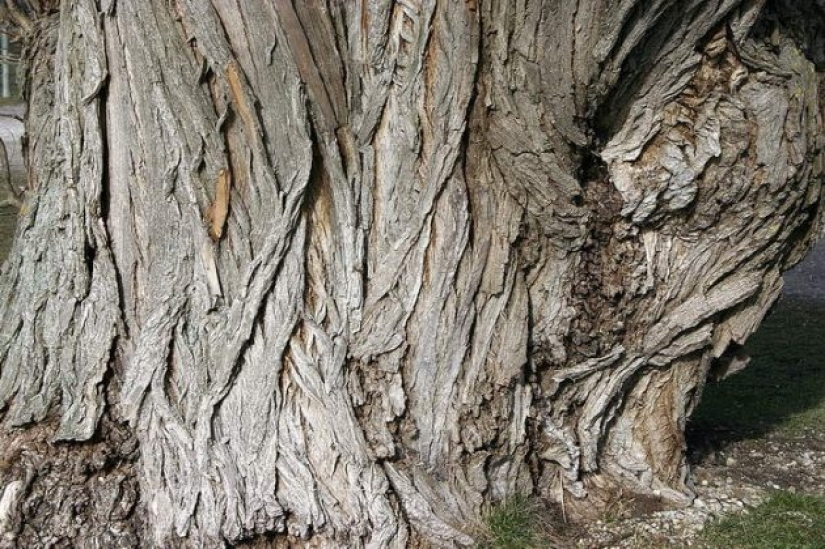
8. Willow bark.
Willow bark has been used as a pain reliever by many civilizations, from the Egyptians and Romans to the Chinese. Modern research has shown that cow willow contains salicin, which acts similarly to aspirin or ibuprofen.
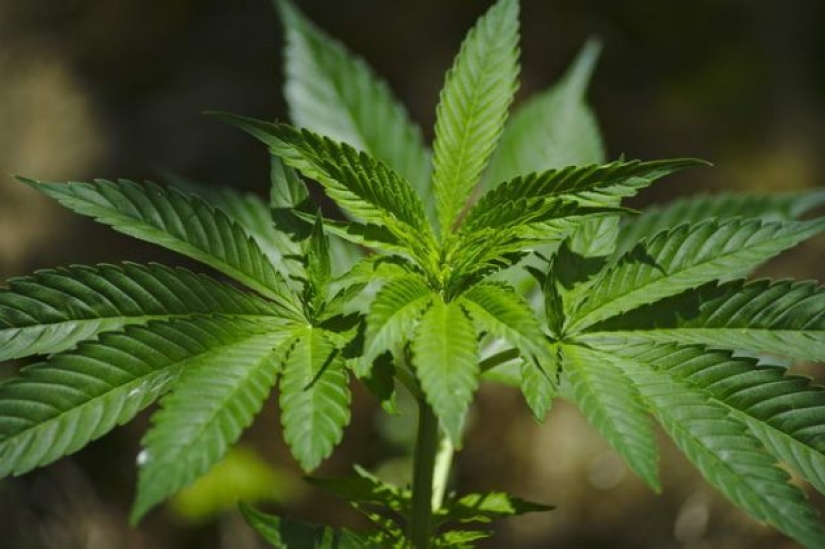
9. Cannabis.
Although cannabis is now classified as an illegal drug, in ancient times it was considered an excellent pain reliever. According to historical evidence, cannabis was used as early as 290 BC. Chinese Emperor Fu. It was also used by American Indians who mixed cannabis leaves with milk.
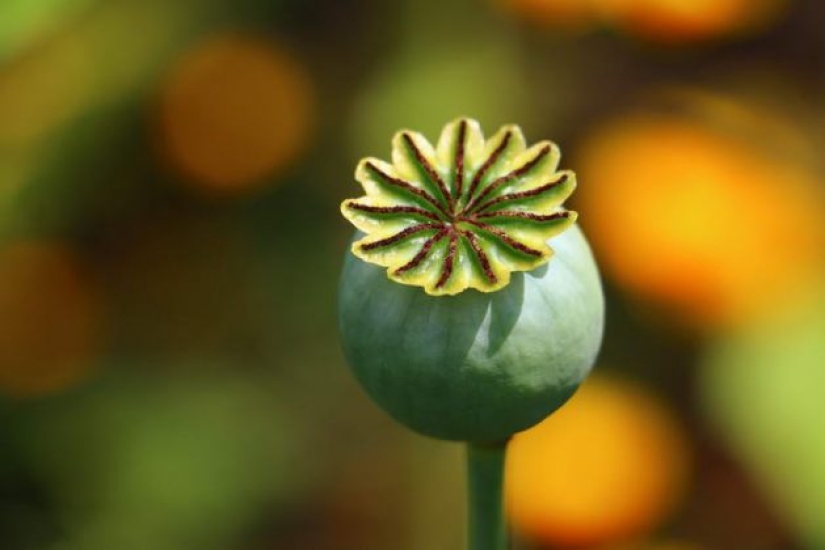
10. Opium.
The first mention of opium as a pain reliever dates back to 3000 BC when it was successfully used by the inhabitants of Mesopotamia. From then until the end of the 20th century, opium was considered one of the most effective painkillers and was used as part of various medicinal preparations. Opium for drugs was grown in many countries, including the USSR.
Keywords: Ancient times | Popular myth | People | History | Painkillers | Anesthesia | Methods | Surgical operations | Plants | Nature
Recent articles

It's high time to admit that this whole hipster idea has gone too far. The concept has become so popular that even restaurants have ...

There is a perception that people only use 10% of their brain potential. But the heroes of our review, apparently, found a way to ...
Related articles

This is an amazing photo project of Mike Harvey: it takes people in his car, and photographs them at the same time, we are about to ...

Surely, many of you had classmates who, to put it mildly, were not distinguished by outstanding external data. Braces, strange ...

Yes, Pets benefit our health and it is proven by science. Their very existence certainly makes us happier, but also prolongs life. ...
New Year's is a time to surprise and delight loved ones not only with gifts but also with a unique presentation of the holiday ...