
How ordinary German housewives became executioners at the Ravensbrück concentration camp
Categories: Europe
By Pictolic https://pictolic.com/article/how-ordinary-german-housewives-became-executioners-at-the-ravensbruck-concentration-camp.htmlIt is well known that monsters are not born. Even the most brutal murderer was once a child, unremarkable among others. The same thing happened with the guards of German concentration camps. In the infamous Ravensbruck, future executioners were recruited through an advertisement, and they became bloodthirsty furies on the spot.
In 1944, an advertisement appeared in several respectable German newspapers that immediately attracted attention. By that time, German citizens already understood that the "lightning" war was not going as the Fuhrer had planned. Many had to tighten their belts even more, and even German women who had previously spent their entire lives between children, the kitchen, and the church were looking for work.
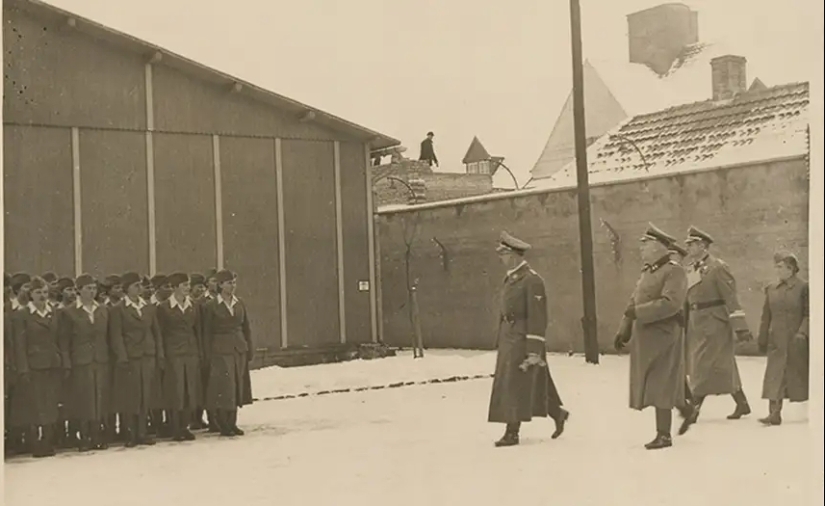
The text did not provide any details. For many women whose husbands had gone to the front and whose lives in the rear were becoming increasingly difficult, this offer seemed like a chance for stability. Who could have guessed that the clothes were SS uniforms and the address of residence was the Ravensbrück concentration camp, located 80 km from Berlin.
Young German women, tired of working in factories or on farms, saw this as an opportunity to escape their routine. They were promised comfortable conditions: cozy houses with balconies, regular meals, and even a uniform that commanded respect. But the reality was quite different. By signing the contract, they became part of the Nazi terror machine.
Many of these women were not inherently cruel. But the Nazi system had a way of changing people. Youth organizations like the League of German Girls instilled in them from a young age a belief in the superiority of the Aryan race and the need to fight “enemies of the Reich.” At Ravensbrück, this ideology was reinforced by strict discipline and training. Newly minted guards learned to obey orders and suppress their empathy.
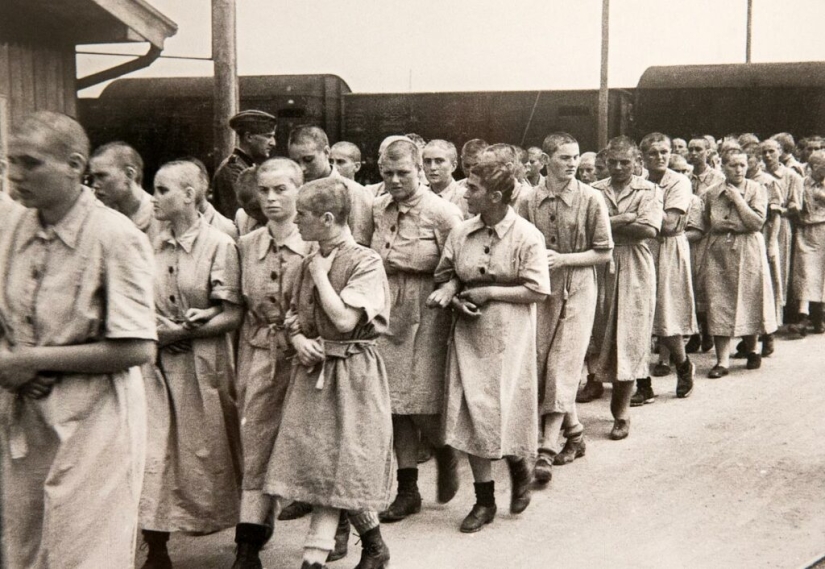
Working in the camp gave power. For young women who had previously had no influence, the feeling was intoxicating. They could decide who lived and who died. Selma van de Perre, a prisoner at Ravensbrück, recalled: “They liked to feel in power. They treated us worse than animals.” Gradually, these women, many of whom had recently baked cakes and cleaned houses, became ruthless enforcers of Nazi orders.
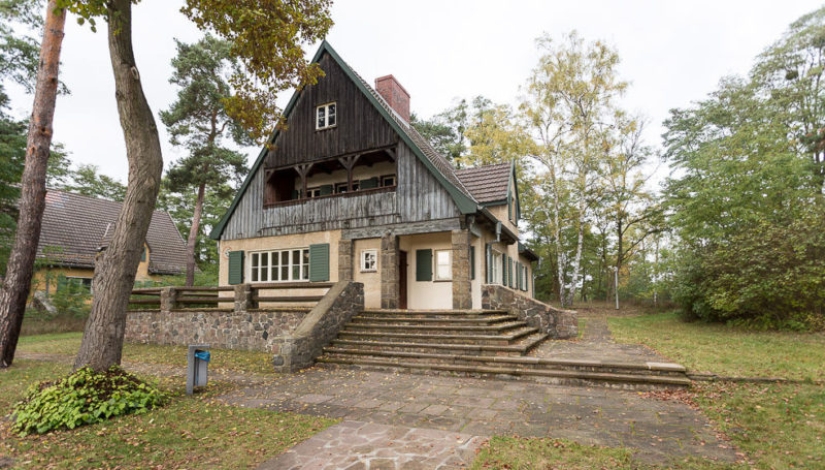
Today, the site of the camp barracks is a spacious rocky wasteland. However, eight solid cottages in the old German style still stand. This is where the guards lived, sometimes not alone, but with their children. The cottages are decorated with pretty balconies from which the inhabitants could admire the forest and picturesque lake. Many years later, one of the women will remember this period as the best in her life.
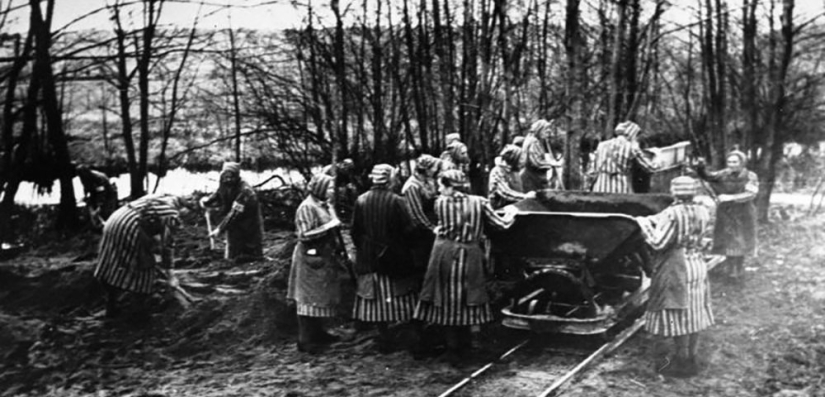
But there was more to see from the balconies and windows than just nature. Columns of prisoners were constantly moving along the road to the camp. The landscape was complemented by the crematorium chimneys, from which smoke billowed around the clock. Andrea Genest, director of the Ravensbrück Memorial Complex, notes that visitors to the museum were always more interested in the female guards. The men who worked in the camp raised fewer questions. It is difficult for people to imagine that women are capable of such cruelty.
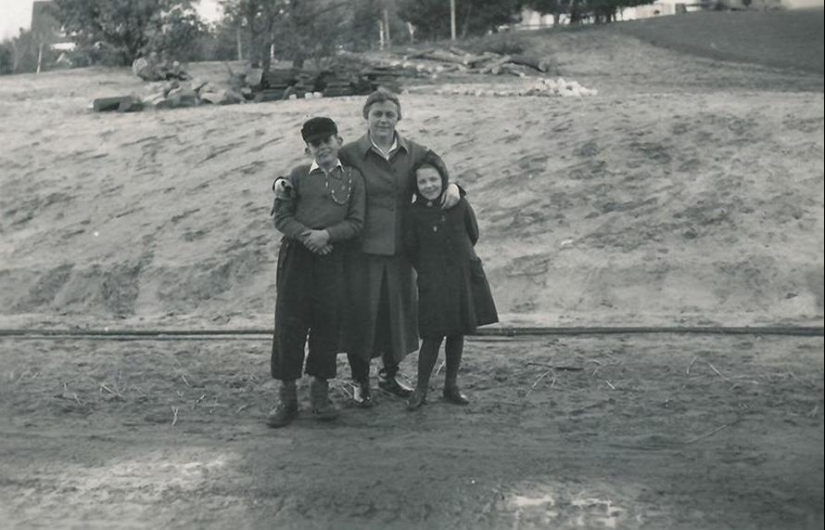
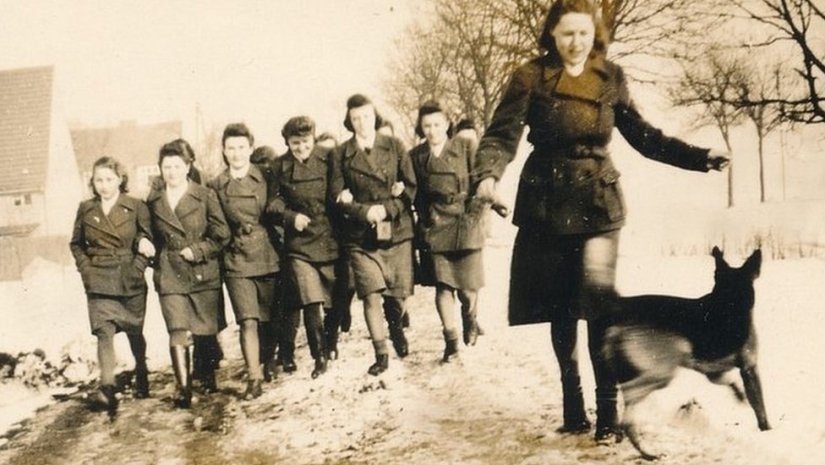
One of the cottages houses a photo exhibition about the guards' leisure time. The pictures show women in their 20s and 30s with fashionable hairstyles, many of them quite pretty. They play board games, drink tea with cakes or walk their dogs in the forest. Only if you look closely can you see that their clothes have SS insignia, and their dogs are vicious Alsatian shepherds trained to attack prisoners.
Many of the camp guards came from poor families and small towns. Some of them had not even finished school. Working in Ravensbrück was more attractive to them than hard, unskilled labor in a factory or a farm. In addition, they were fully provided for in the concentration camp and received a good salary.

Some came to the camp solely to earn money, but there were also ideological overseers. Such women were subjected to serious ideological influence in the family, school and Nazi youth organizations. They sincerely believed that they were fighting enemies and bringing benefit to society.
The guards engaged in beatings, humiliation, and even medical experiments. They took away the clothes of new arrivals, forced them to work until they were exhausted, and sent the weak to the gas chambers. For many of them, it became routine. But were they simply victims of circumstance?

In total, 3.5 thousand women served in Nazi concentration camps, each of whom went through Ravensbrück. This place became not only a place of suffering for prisoners, but also a kind of "school" for guards, a real "forge of personnel". After training and internship here, they were sent to Auschwitz, Bergen-Belsen, Dachau and other death camps.
Can these women be justified? Some historians believe that they themselves were victims of the system. Economic hardship, propaganda, and fear of punishment pushed them down this path. But the stories of prisoners like Blanca Rothschild tell a different story: “There was nothing human about the people who carried out the inspections.” The cruelty of the guards often went beyond the orders – they enjoyed their power.
Selma van de Perre from the Netherlands, a former prisoner at Ravensbrück, described the guards as terrible people in an interview:
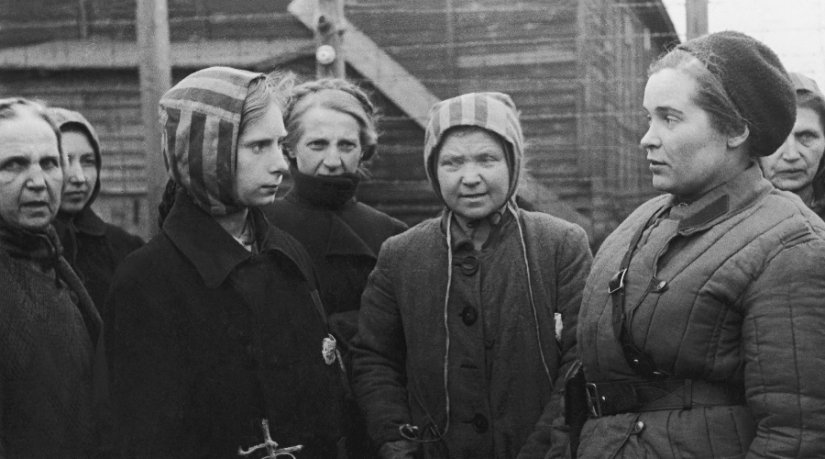
Selma was an underground member who helped save Jewish families in the occupied Netherlands. She wrote a book, My Name Is Selma, which was published in English and German. Every year, the elderly woman returned to Ravensbrück, where her parents and younger sister had died.
Ravensbrück was considered the largest female concentration camp in the Reich. During its operation, more than 130,000 prisoners from all over Europe passed through it. Among them were resistance fighters like Selma, political activists, and women who were targeted for extermination: Jews, lesbians, homeless people, and prostitutes.

About 30,000 female prisoners died in the camp. They died in different ways. Some were hanged or gassed, but most died of disease, hunger, and backbreaking labor. The guards tortured and killed the prisoners. Many of them had nicknames like "Bloody Brigid" and "Revolver Anna."

The most famous female executioner from Ravensbrück is considered to be Irma Grese. The young attractive blonde was found guilty of murder by the court and was hanged. Of the 3.5 thousand concentration camp guards, only 77 were brought to justice. However, even fewer of them received a fair punishment.
During interrogations, they cried, playing the role of victims who were allegedly deceived and forced to do dirty work. After the war, many of them got married, changed their names and tried not to remember the past at all. Herta Bothe is one of those criminals who received the punishment she deserved. She spent most of her life behind bars and was released only in 1999. However, in an interview with journalists, she said that she felt no remorse.
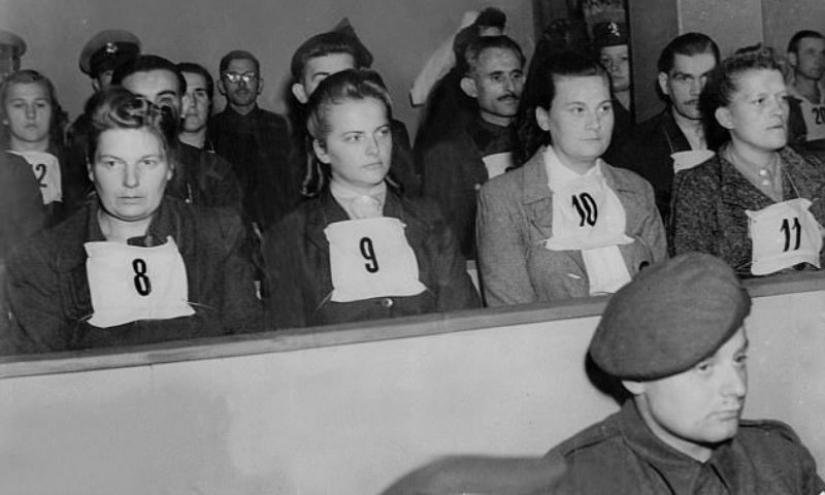
Even after half a century, the Nazi criminal continued to portray herself as a victim of circumstances. This excuse is common among guards, regardless of gender. But it is a lie, as the surviving archives of Ravensbrück eloquently testify. From the documents, it is easy to find out that there were guards who immediately resigned after learning what they would be doing. This decision had no consequences for them.
The story of Ravensbrück is a reminder of how easily the mundane can turn into horror. Women who could have been neighbors or friends became executioners. What do you think makes a person capable of such cruelty – ideology, circumstances or personal choice?
Recent articles

It's high time to admit that this whole hipster idea has gone too far. The concept has become so popular that even restaurants have ...

There is a perception that people only use 10% of their brain potential. But the heroes of our review, apparently, found a way to ...
New Year's is a time to surprise and delight loved ones not only with gifts but also with a unique presentation of the holiday ...