
How China's fake meat
Categories: Asia | Food and Drinks
By Pictolic https://pictolic.com/article/how-chinas-fake-meat.htmlChina is one of the world centers of fakes of everything. For example, in China from a piece of cheap pork or even cheaper chicken cooked expensive beef steaks and stews. While those who often eat dishes such threatening cancers.
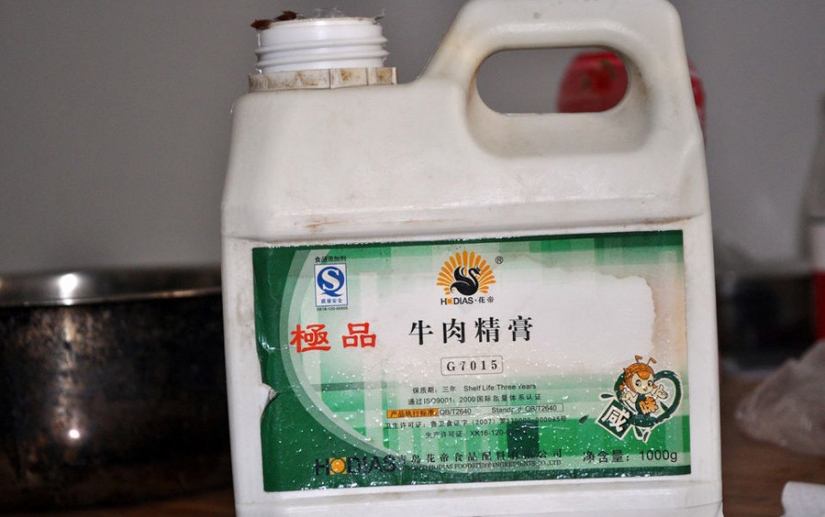
The whole secret lies in the so-called "beef extract" Zeng Xiang Ji. With it chicken or pork for an hour can easily turn into "beef"
So, here is the recipe of Chinese national restaurant in the city of Hefei
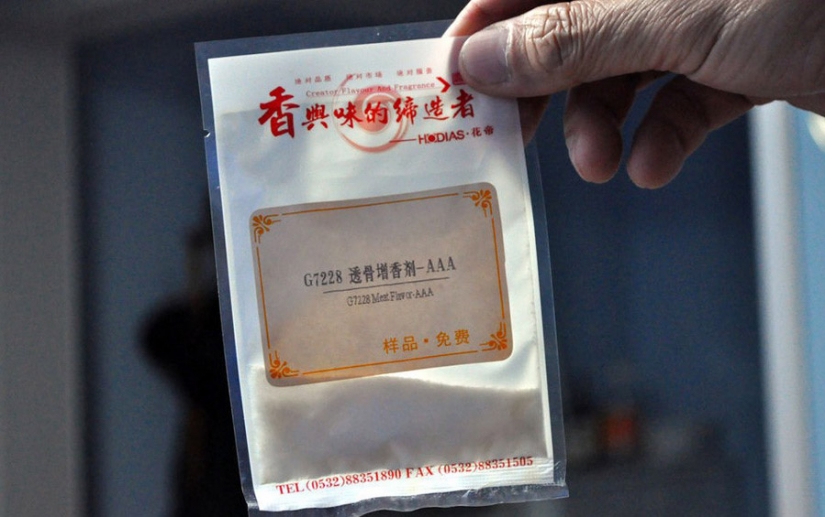
Use the substance in that bag of pork discourage its inherent smell.
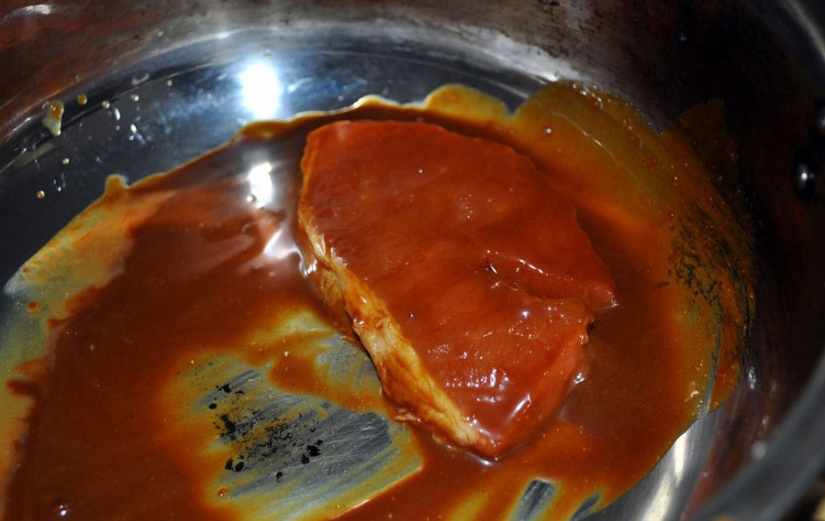
Pork marinated in sauce with extract.
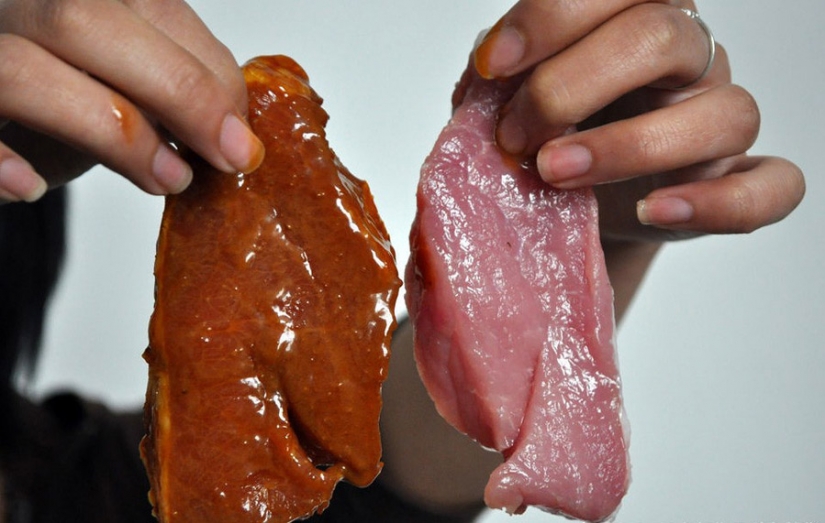
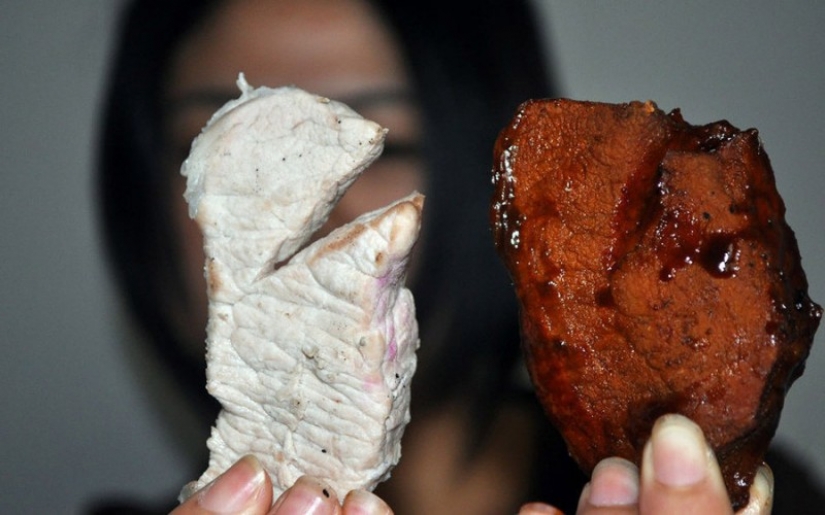
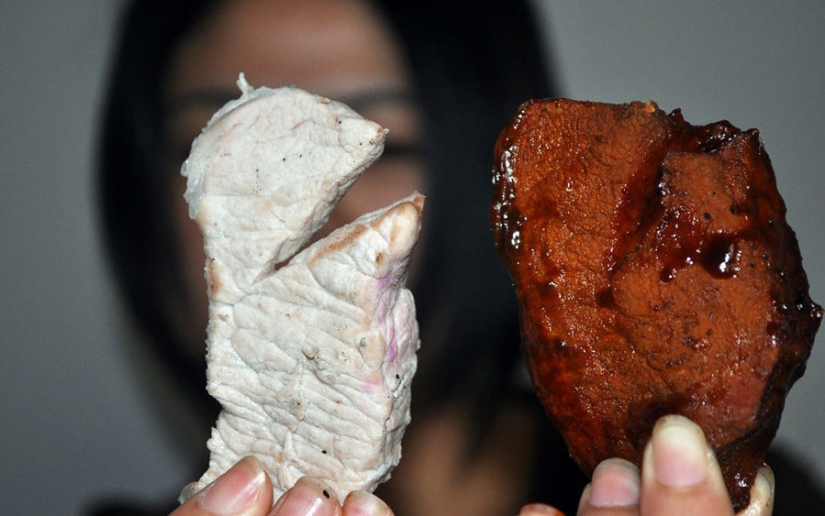
Left – a piece of pork, marinated in sauce with extract and the right – natural pork.
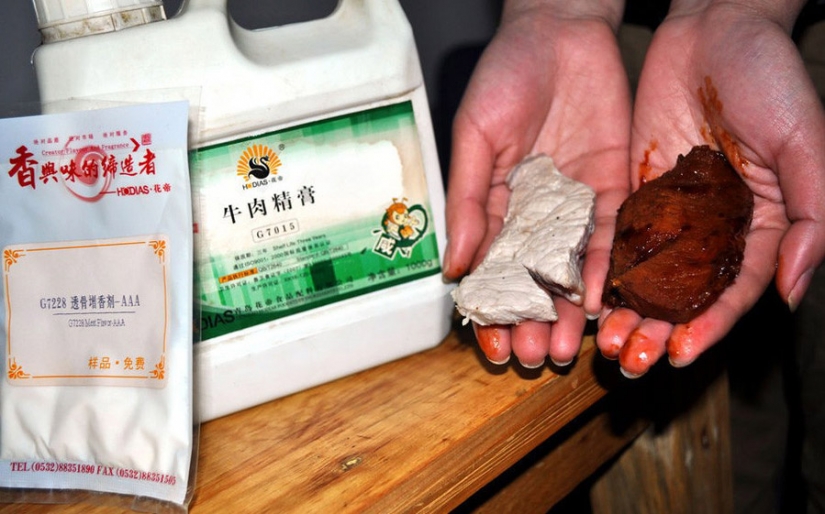
And now the same two pieces, but after about 1-1. 5 hours of cooking. A piece of pork masquerading as beef, even look like her. By the way, it smells almost like beef.
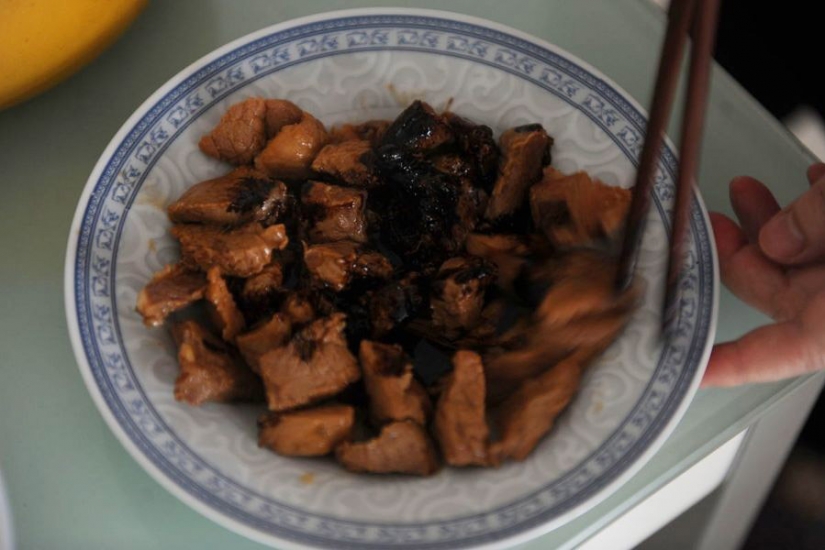
Here and so. A little ingenuity, and that is called a recipe from the series "housekeeping tip".
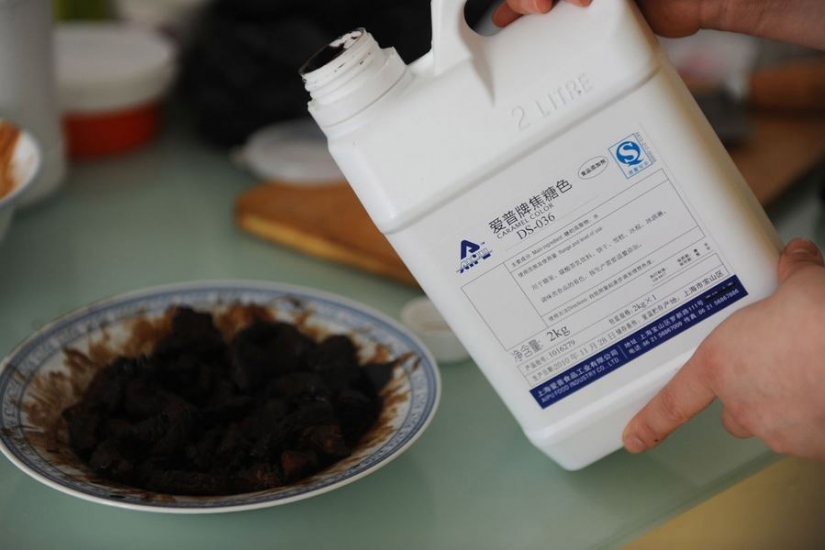
However, Chinese doctors say that the frequent use of beef extract is not good for the human body and can cause cancer.
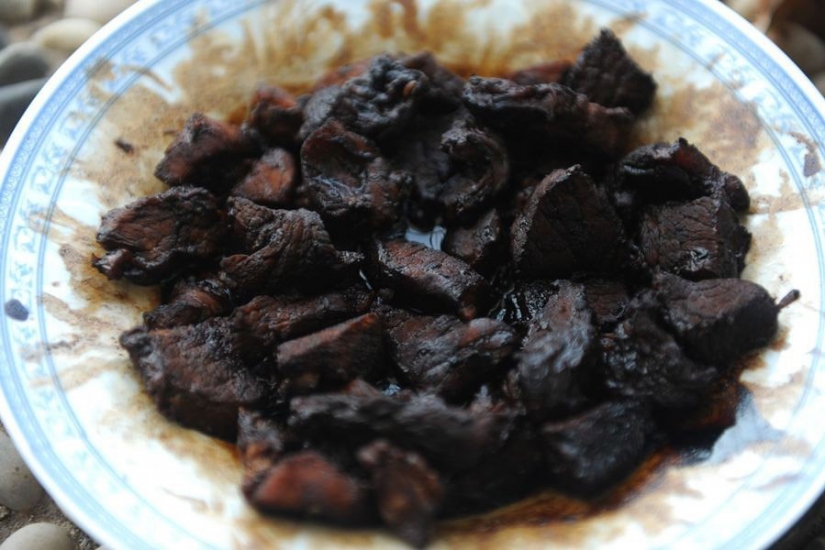
Coming to China, order better chicken or pork, so why pay more while still risking their health?
Keywords: Food | China | Meat | Restaurant | Chemistry
Post News ArticleRecent articles

It's high time to admit that this whole hipster idea has gone too far. The concept has become so popular that even restaurants have ...

There is a perception that people only use 10% of their brain potential. But the heroes of our review, apparently, found a way to ...
Related articles

An old tradition to eat alcohol, kebabs, sausages and other meat products obviously there for a reason. Our ancestors, having a ...

American artist Lee Price is sure that eating is a completely natural process, but many are ashamed of their attitude to food, ...

The Himalayas. Tibet. Something cosmic and ethereal sounds in the names. They attract visitors from all over the world. In front of ...
New Year's is a time to surprise and delight loved ones not only with gifts but also with a unique presentation of the holiday ...