
A unique burial with a "dancing" skeleton has been discovered in Siberia
Categories: History
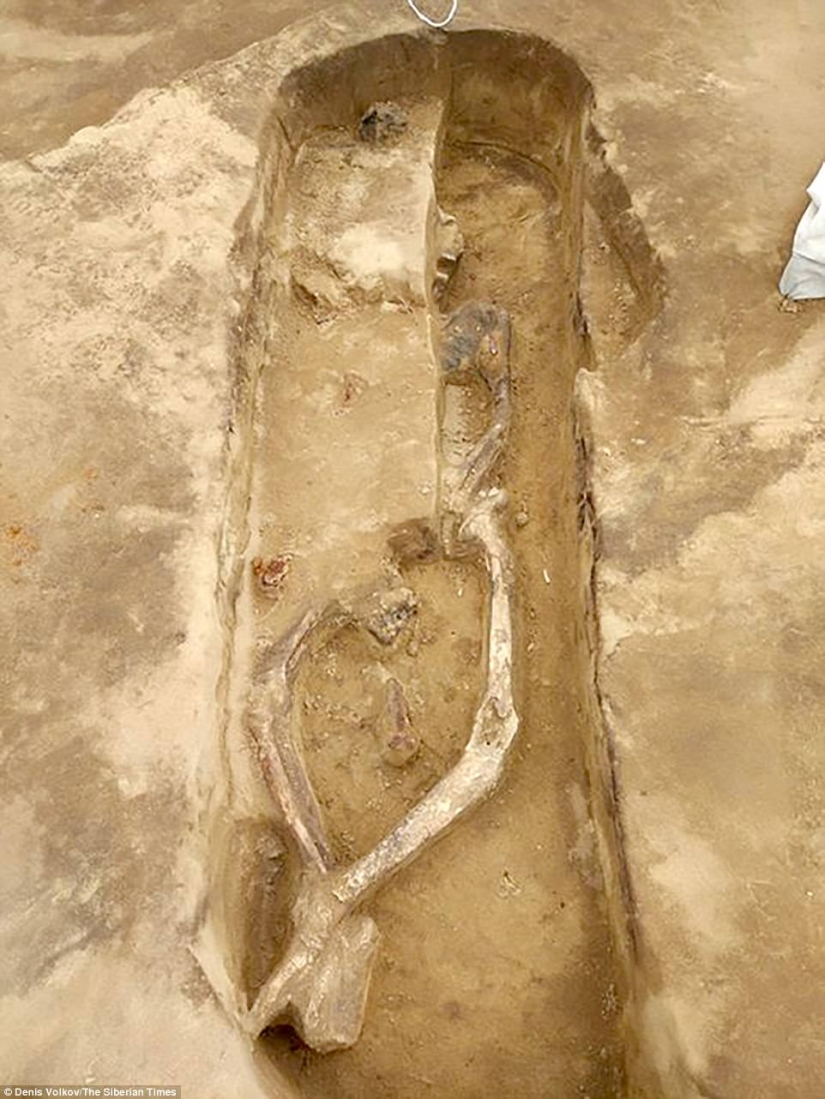
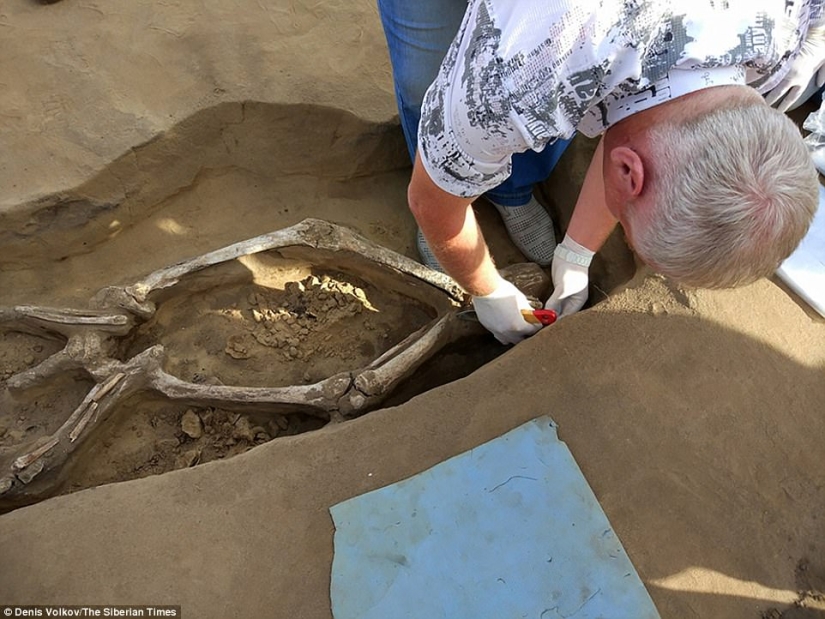
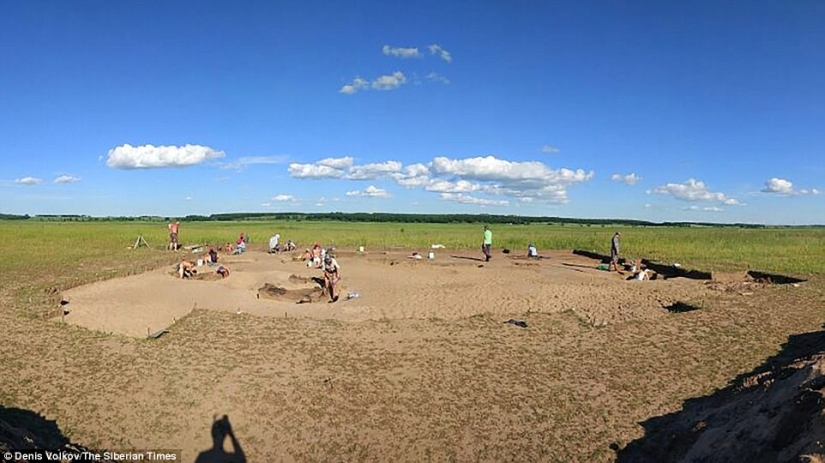
By Pictolic https://pictolic.com/article/a-unique-burial-with-a-dancing-skeleton-has-been-discovered-in-siberia.htmlAn unusual find was found in the village of Ust-Ivanovka, Primorsky Krai. Archaeologists gave the skeleton the name "dancing" because of the unusual location of the limbs of the remains: the feet are crossed, the knees are widely separated, the hands lie on the pelvis. As the archaeologist Denis Ivanov said: "The skeleton is lying on its back with its legs crossed, as if it is dancing. None of the known funeral ceremonies involves burial in such a position."
At the moment, it is known that the "dancing" man died at the age of 30 between the VII and IX centuries of our era, that is, during the Middle Ages. His height was no more than 150 cm. Experts believe that the unique pose may be explained by the fact that for some reason a person was buried tied up.
(Total of 9 photos)
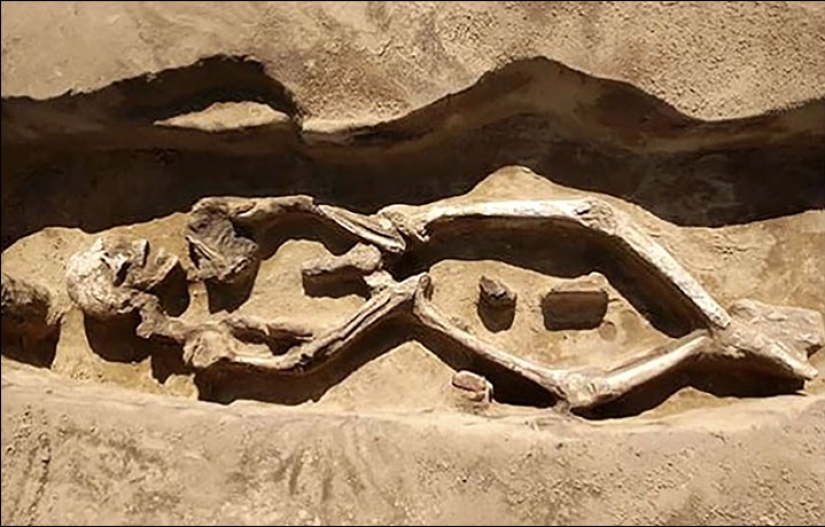
"We talked to criminologists and anthropologists who said that if his legs were not tied, then his limbs should have straightened out," Denis Volkov said. — Most likely, the hands were also tied."
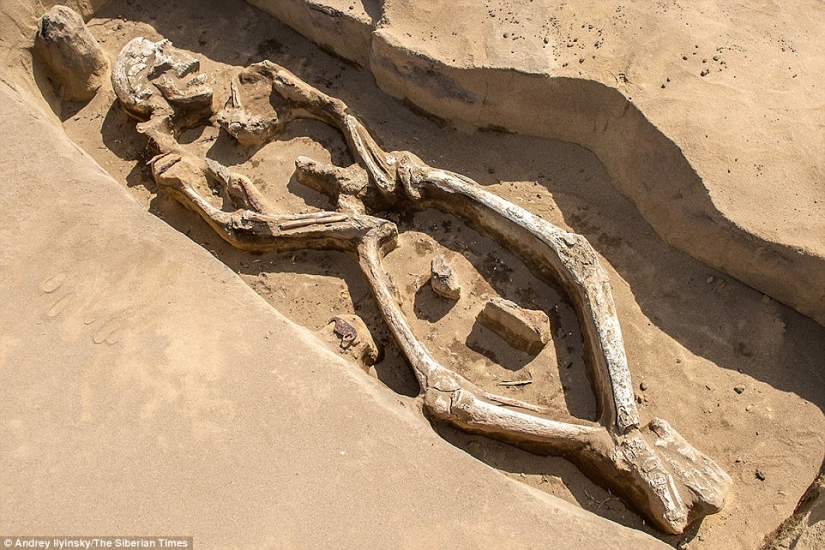
There have been no similar burials with related buried of that era on the territory of Siberia until now. And that's not the only reason why the find is unique. Experts believe that the deceased person belonged to the Mohe (Mukri) tribe of the Tunguska ethnic group.
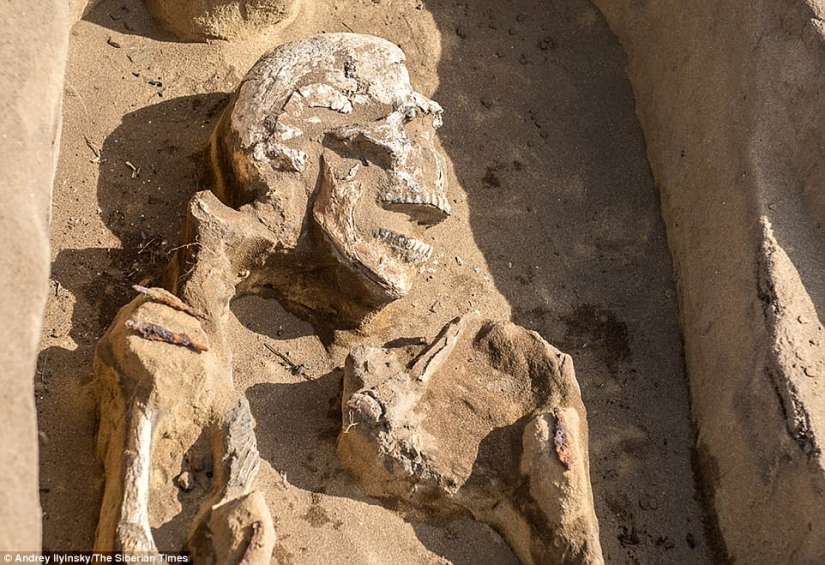
Other bones in the burial belong to long-lived people who lived up to 50-70 years, which is unusual for that time.
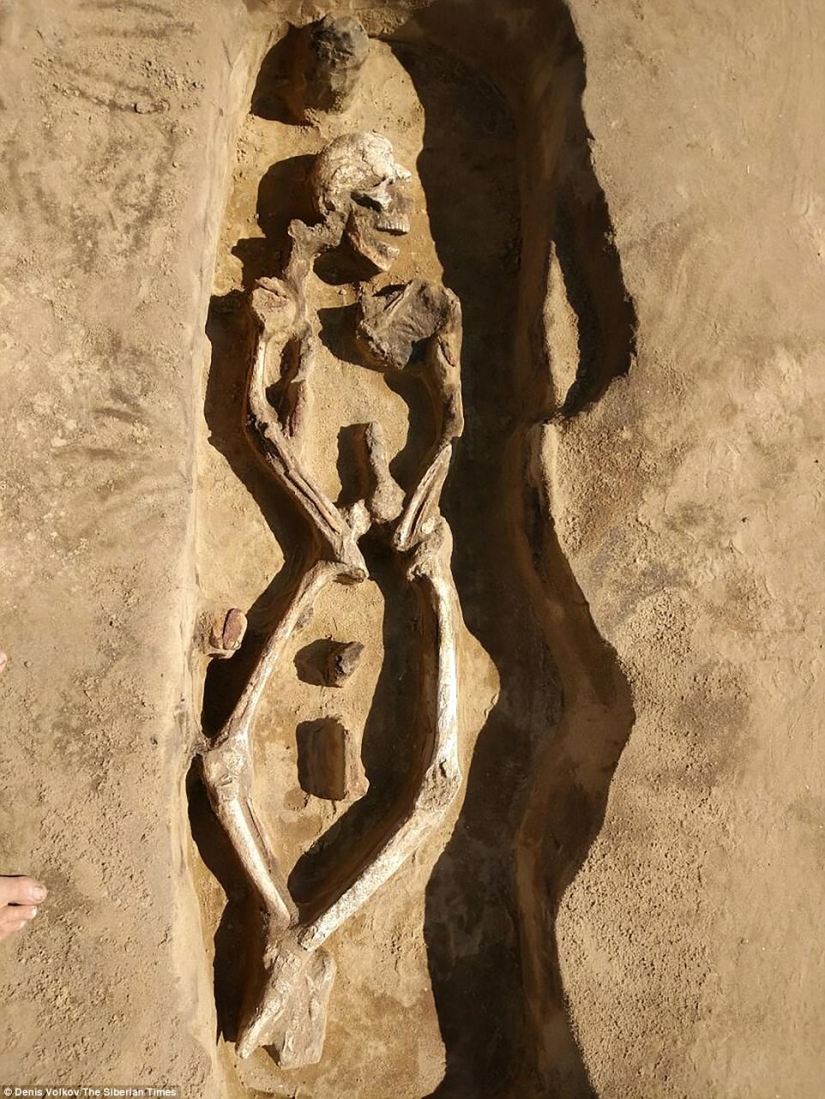
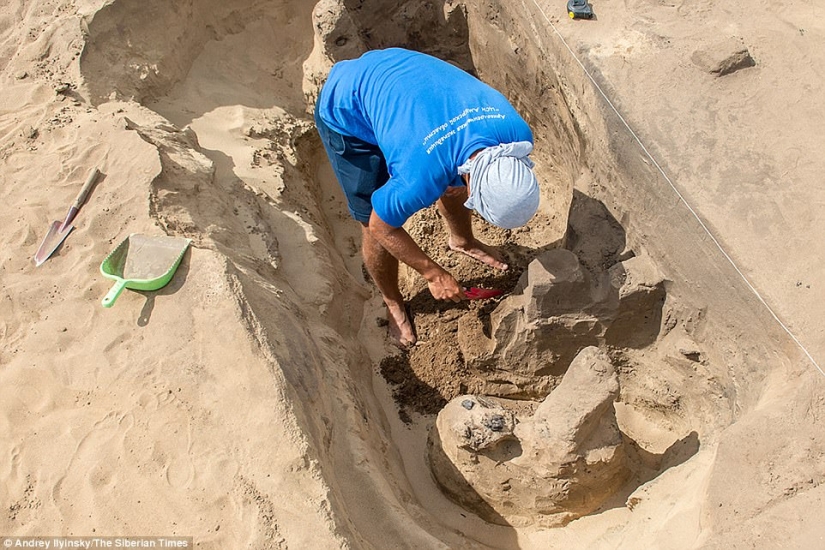
The grave was rectangular in shape and covered with white sand, which, apparently, was specially brought from another place. The rest of the graves are round in shape.
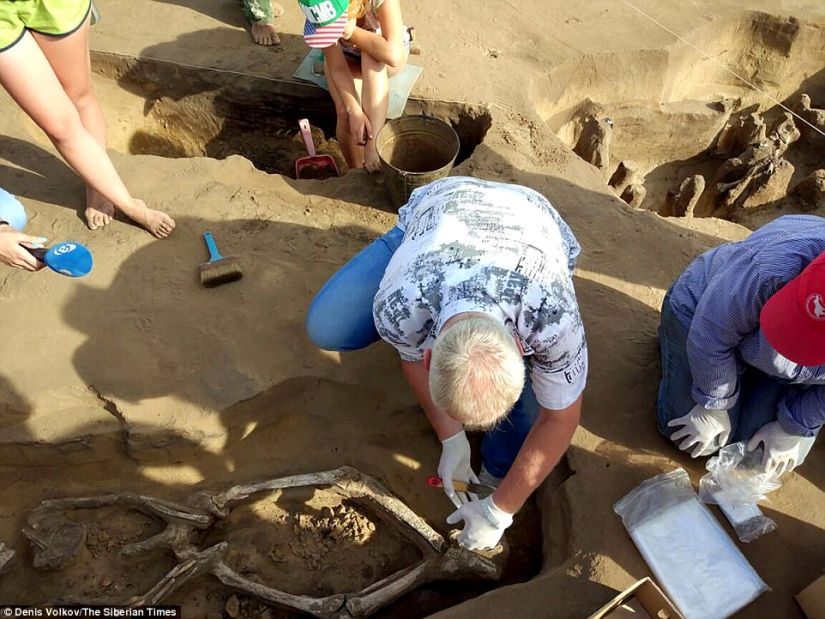
Also, an arrow tip was found in the hip of the "dancing" skeleton, the rest were located on his shoulders, which gives rise to the theory that the man was killed by an arrow. However, at that time it was customary to bury with arrowheads.
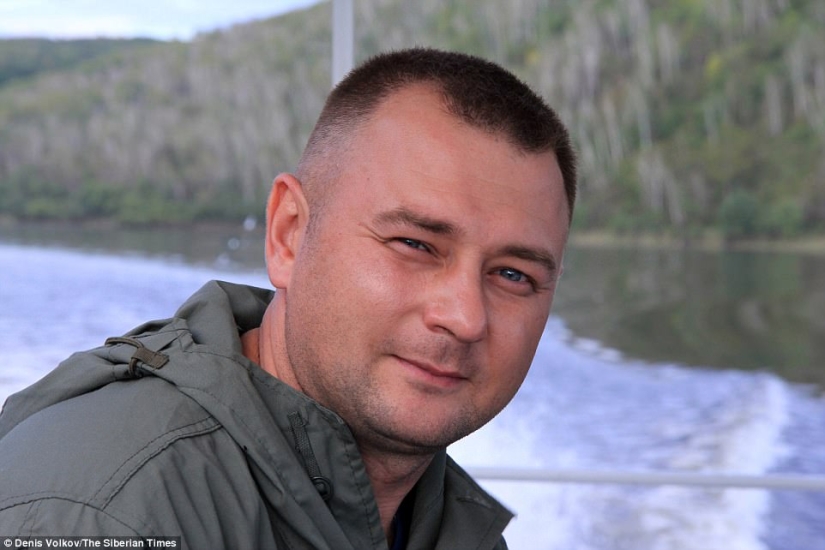
Archaeologist Denis Ivanov.
Keywords: Archeology | Burial | Siberia | Skeleton | Middle ages | Dancing | Uniqueness
Post News ArticleRecent articles

It's high time to admit that this whole hipster idea has gone too far. The concept has become so popular that even restaurants have ...

There is a perception that people only use 10% of their brain potential. But the heroes of our review, apparently, found a way to ...
Related articles

Photographer Alexander khimushin took a backpack and went to travel the world. He visited 84 countries and realized that the most ...

The basis of almost all classical works based on real cases. The author had to do was skip the story through the prism of their ...

In November 1942 on the banks of the Volga, the Red Army counterattacked, bogged down in Stalingrad by the Nazis. At the same time ...
New Year's is a time to surprise and delight loved ones not only with gifts but also with a unique presentation of the holiday ...