
8 shop tricks that make you spend more
Categories: World
By Pictolic https://pictolic.com/article/8-shop-tricks-that-make-you-spend-more.html“Fool me once, shame on you. Fool me twice, shame on me."
Many sales techniques used by salespeople are built on the psychology of people. We offer you to pay attention to 8 popular tricks that encourage you to spend money even on the product that you do not need.
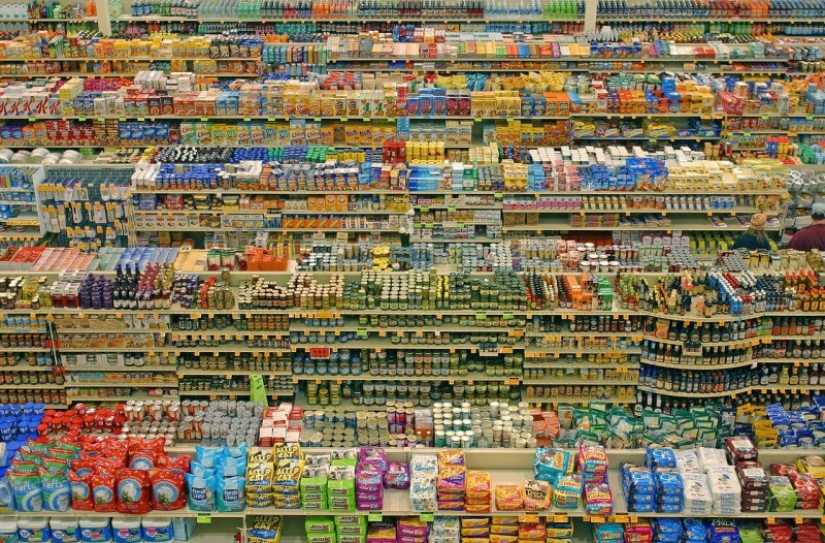

1. "Buy 5 things for only 300 rubles"
You have probably seen similar signs in stores. The seller offers to buy 5 items for only 300 rubles. But he does not report that the buyer can take only 1 product by paying 30 rubles. And the client buys more than he needs, because he believes that only in this way can he get this favorable price.
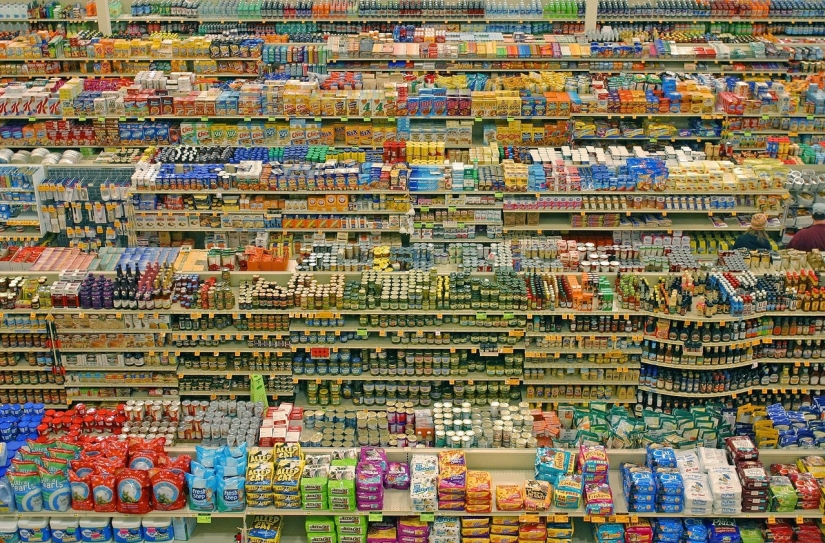
2. Tall but narrow packaging
Judging a book by its cover is wrong. But we somehow have to evaluate the goods on store shelves by their packaging. Subconsciously, the consumer believes that the higher the box, the more product he needs, but this has nothing to do with reality.
3. Discounts up to 50%
Many buyers fall for this trick. You walk through the store and see a big poster that says "50% off". Naturally, you will want to visit this section. Coming closer, you can see the postscript “to” in small print, that is, a discount of up to 50%. But many people still do not refuse purchases, relying on the fact that most of the goods are still sold at the maximum discount.
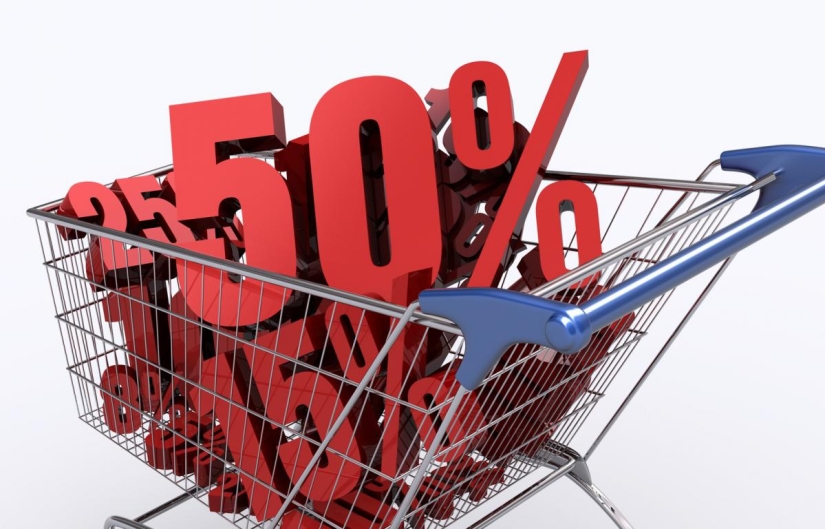
4. The word "total" is indicated in the advertising text
Carnegie Mellon University conducted a study in 2007 that showed that if you change the description of the delivery terms from "Shipping $ 5" to "Shipping only $ 5", the number of responses from customers increases by 20%. Some people find it difficult to be fooled by this trick. But if you do not analyze every word in the description, then you really might think that $ 5 for shipping is not so much.
5. Number nine trick
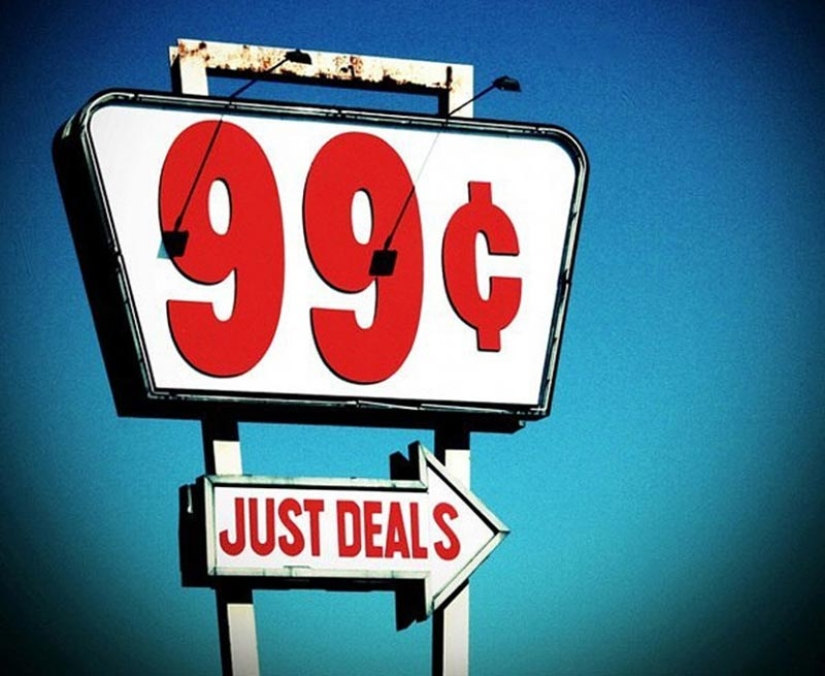
Sellers like to set the price of the product so that it ends in 9. For example, if the TV costs $799, then potential buyers perceive the price much more loyally than $800. And this trick has been working for years. In addition, in 2003, the Quantitative Marketing and Economics magazine conducted a study and proved that if you offer a client similar products, he is more likely to buy a dress for $49 than $44.
6. Emphasis on small payments, not the final cost
You can often see ads like this: "By paying the cost of just one cup of coffee per month, you can buy a new mobile phone." Most often, this technique is used by electronics manufacturers. Store consultants like to talk about how you can afford to commit this amount every month, but they don't like to mention the total cost. When you buy something in installments, you should calculate the amount that you will spend for the entire period of using installments. And sellers, in turn, often do everything possible so that you do not consider the final cost of products.

7. Tricks of restaurants
According to research conducted by Cornell University, cafe and restaurant customers are willing to spend more if there are no currency symbols on the menu. In addition, the owners of such establishments sometimes specifically include expensive dishes in the menu, knowing in advance that the visitor will not choose them. But other dishes will look more affordable no matter how much they cost.
8. "Price Anchor"
The following method is often used in the clothing trade. You see a shirt in the store for 1000 rubles, the initial price of which is 2000 rubles, and you think: “Great! It will be a very good buy." But the thing is that the store never sold this product for 2000 rubles. He originally wanted to get exactly 1000 for it. Department stores call this technique: “Price Anchor”. The well-known JCPenney store in 2012 decided to stop using price anchors in its activities. But the level of sales dropped significantly, the CEO was fired, and the store returned to the previous scheme of work.
Keywords: Shop | Sales | Discounts | Tricks
Post News ArticleRecent articles

It's high time to admit that this whole hipster idea has gone too far. The concept has become so popular that even restaurants have ...

There is a perception that people only use 10% of their brain potential. But the heroes of our review, apparently, found a way to ...
Related articles

In the south-west of China, in the city of Dujiangyan, there is an unusual bookstore. His design project was developed by the ...

One young man shared on the forum his many years of experience in online trading, as well as the results of observations of ...

Employee of a major Russian retail chains have shared the tricks that marketers use to get buyers to put in the cart completely ...
New Year's is a time to surprise and delight loved ones not only with gifts but also with a unique presentation of the holiday ...