
The evolution of a beer can: from simple to elementary
Categories: History
By Pictolic https://pictolic.com/article/the-evolution-of-a-beer-can-from-simple-to-elementary1.htmlJanuary 24 is a significant day for beer connoisseurs. Exactly 85 years ago, the foam drink first appeared on sale in a metal jar. The American brewery Gottfried Krueger Brewing Company has released a test batch of canned "Krueger Cream ale" in the city of Richmond. The success of the new product turned out to be stunning: by the summer, the company had increased sales five and a half times.
Of course, over the years, the appearance of a beer can has changed significantly. Let's go through the main evolutionary milestones.
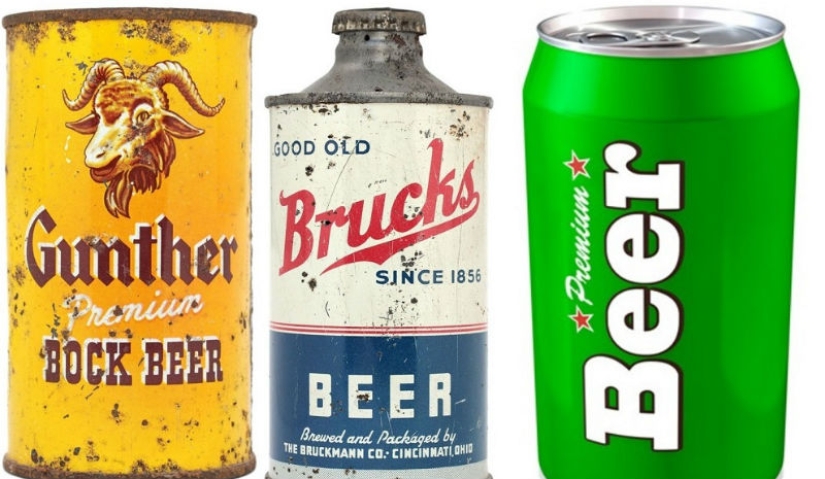
The main advantage of an iron can over a bottle is ease of transportation. Banks can be stacked without fear that pits on the roads will spoil most of the goods. It is not surprising that by the end of 1935, 23 American plants had already used the innovative method of bottling.
The innovation of the Kruger brewery, in fact, was no different from an ordinary tin can. At first, the beer was opened with an ordinary can opener and the contents were poured into a glass. Then they came up with a special device that could pierce a hole in the steel lid. The instructions were placed on the label.
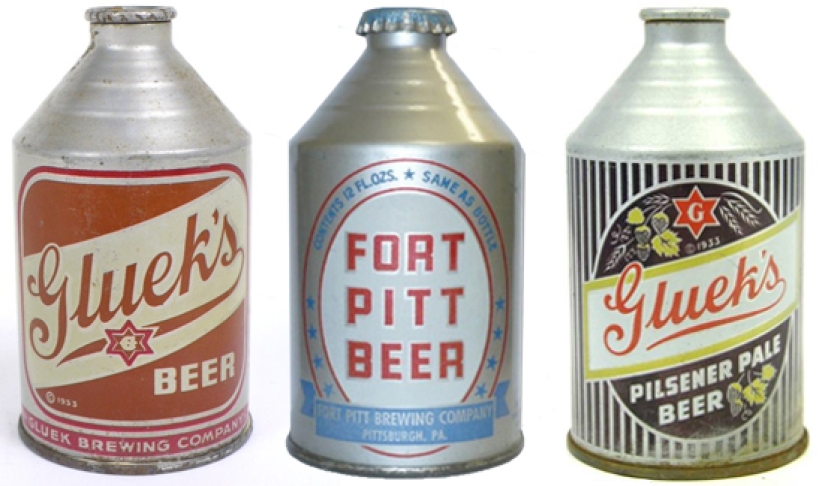
At the end of the 40s, banks began to be made seamless, and Gluek developed a new design: the upper part appeared in the form of a funnel with a unscrewing lid.
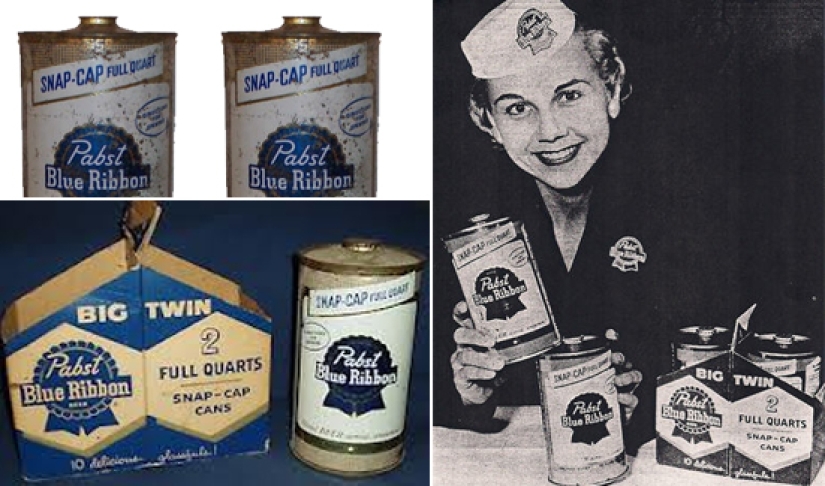
It was much easier to open such a jar, but this model had a significant drawback. It was no longer possible to put one jar on top of another during transportation. In 1955, the Pabst brewery solved this problem by fitting the lid directly to the jar and abandoning the funnel.
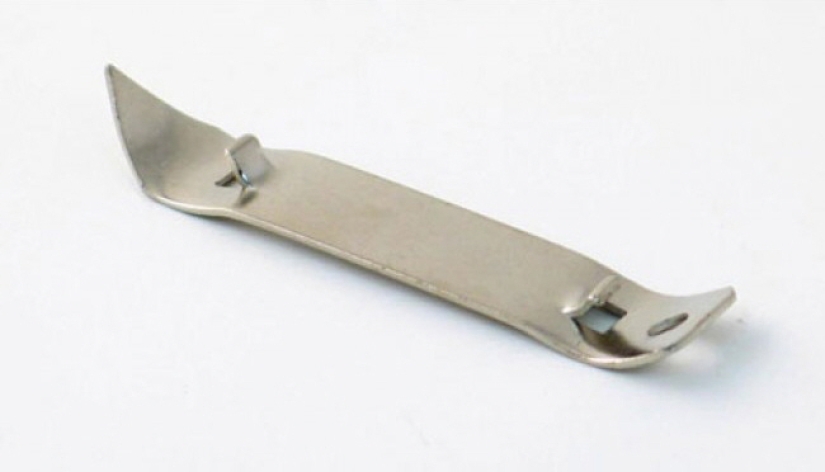
Old-fashioned banks, however, were also in use. Therefore, the question of how to get to beer without using a can opener remained relevant. In 1959, engineer Ermal Fraz found the answer. One day he came to a family picnic, leaving the bottle opener at home. And I suffered so much getting to my favorite drink that when I returned home, I immediately sat down to develop an elementary way of uncorking cans.
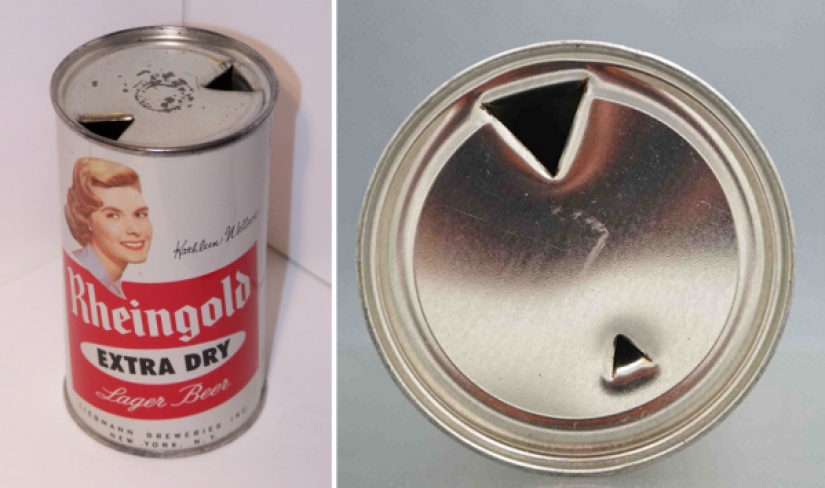
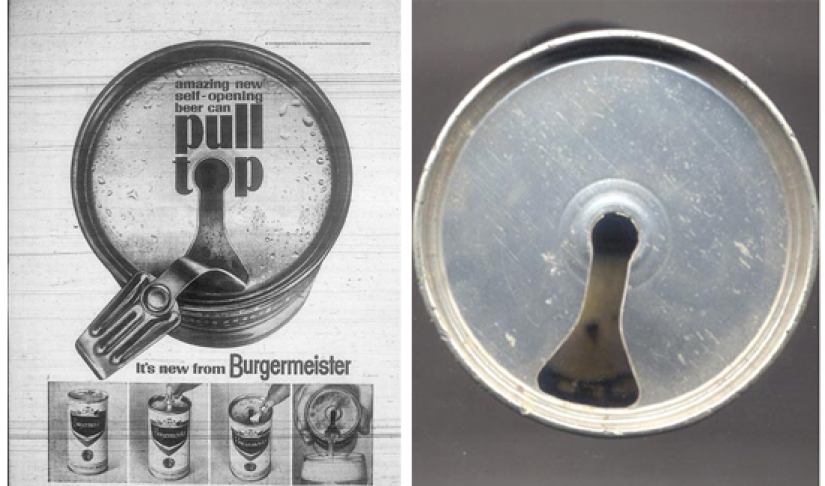
The fruit of his labors was the valve-opener. Frase took out a patent and sold the rights to the packaging company Alcon. Pittsburgh Brewing Co. beer, the first to enter the market with such a device, made a real splash. By 1965, more than 75% of all cans were equipped with Frase's invention.
A new attack appeared quite quickly. People threw out these valve-openers wherever they had to, the city authorities were dissatisfied. In addition, cases when consumers swallowed pieces of iron have become more frequent. This was faced by those who preferred to throw them not on the ground, but in a jar.
In 1975, engineer Daniel Kudzik came up with a variant of the petal, which remained on the lid after opening. In fact, nowadays banks are made almost the same as Kudzik suggested.
Keywords: Invention | Beer | USA | Evolution
Post News ArticleRecent articles

There are many places in the world where only the chosen ones can be. The cities of Mecca and Medina in Saudi Arabia are well known ...

This collection of photos will clearly please the little inner perfectionist who lives in each of us. It doesn't matter how much ...
Related articles

The symbol of the island of Sicily — treskilion, represents three joined legs bent at the knees, with the head of the Gorgon ...

The invention of flying machines that allow people to travel into the Earth's atmosphere is a list of the greatest innovations of ...

The name of the photographer is not known to everyone, but it is difficult to find a person who is not familiar with his works. ...
If you don't feel good about the donut you ate for lunch, relax - it can get worse ... At least you didn't eat the ...