
Bicycle History: The Penny-Farthing, or High Wheel
Categories: History | Technology | World
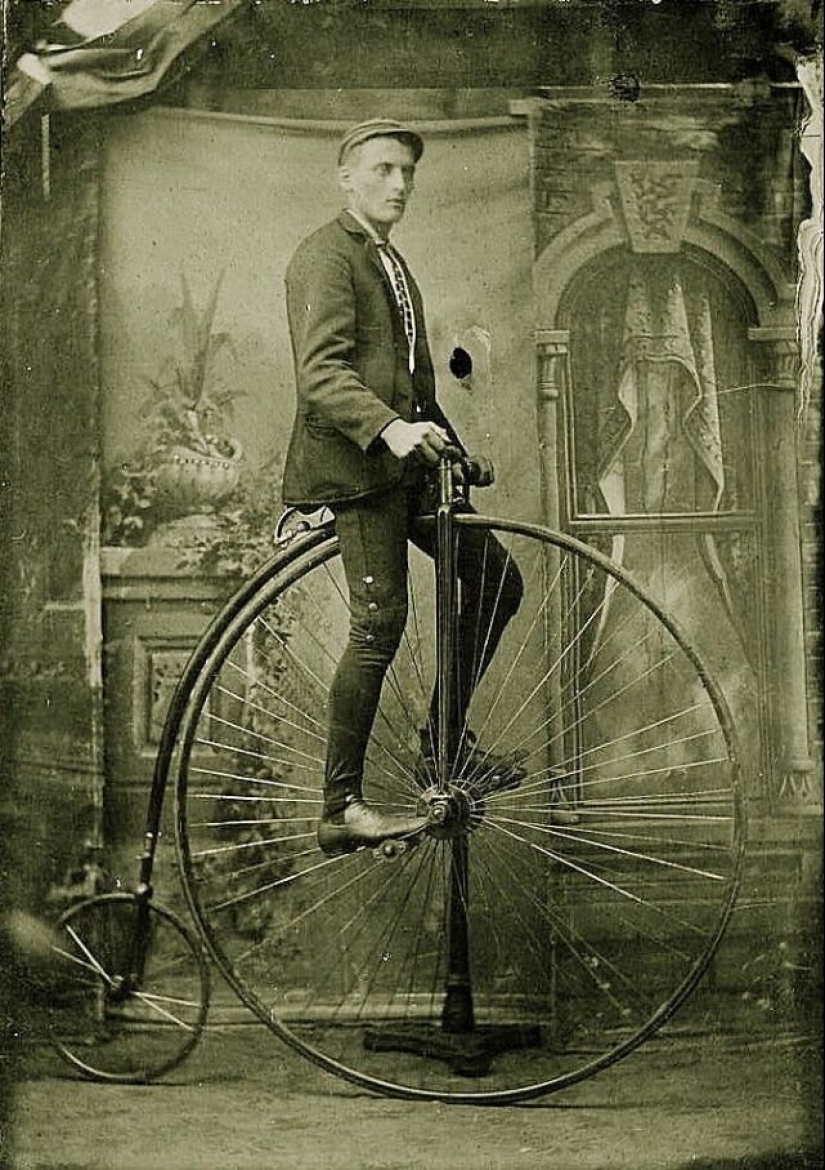
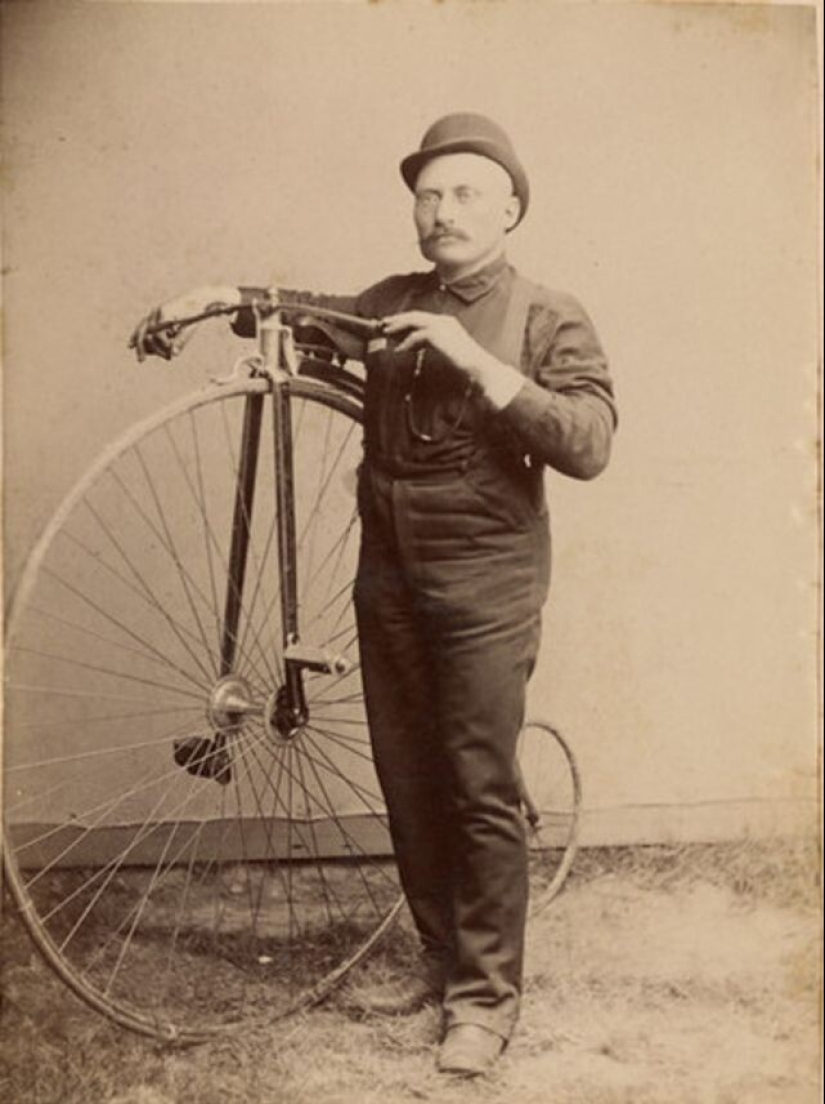
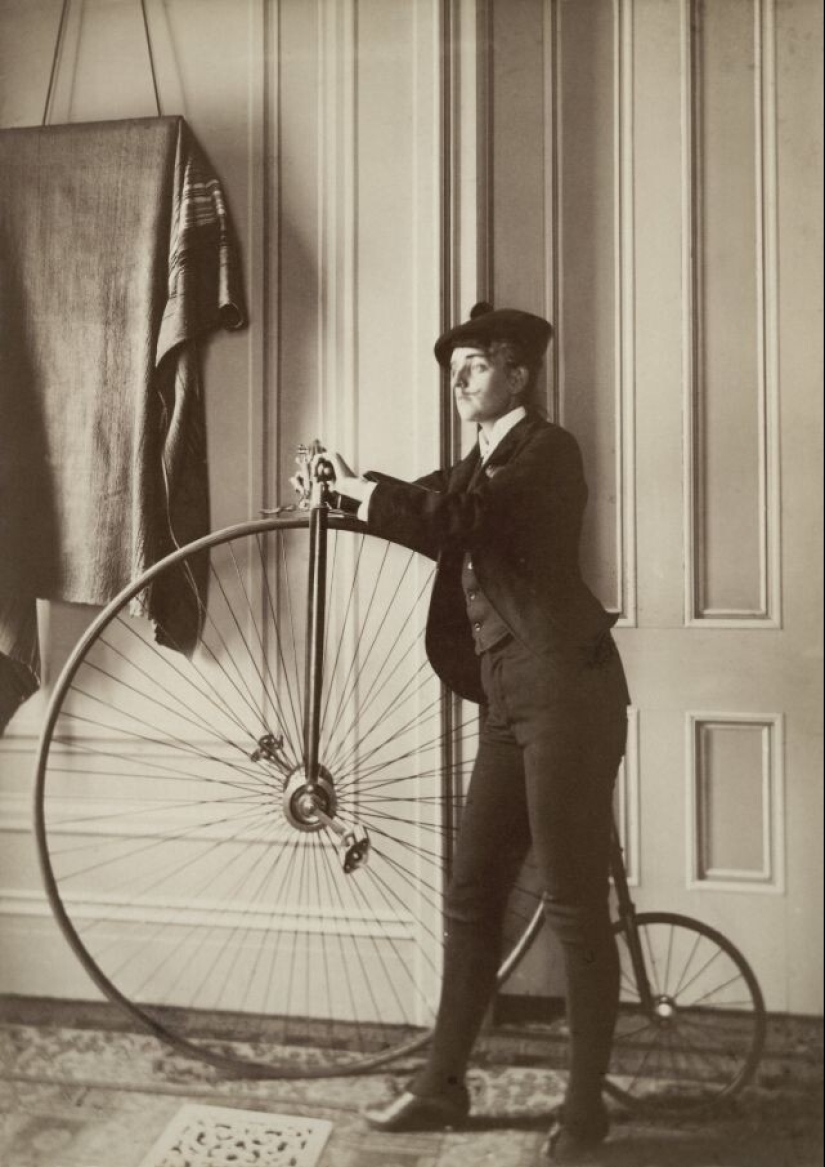
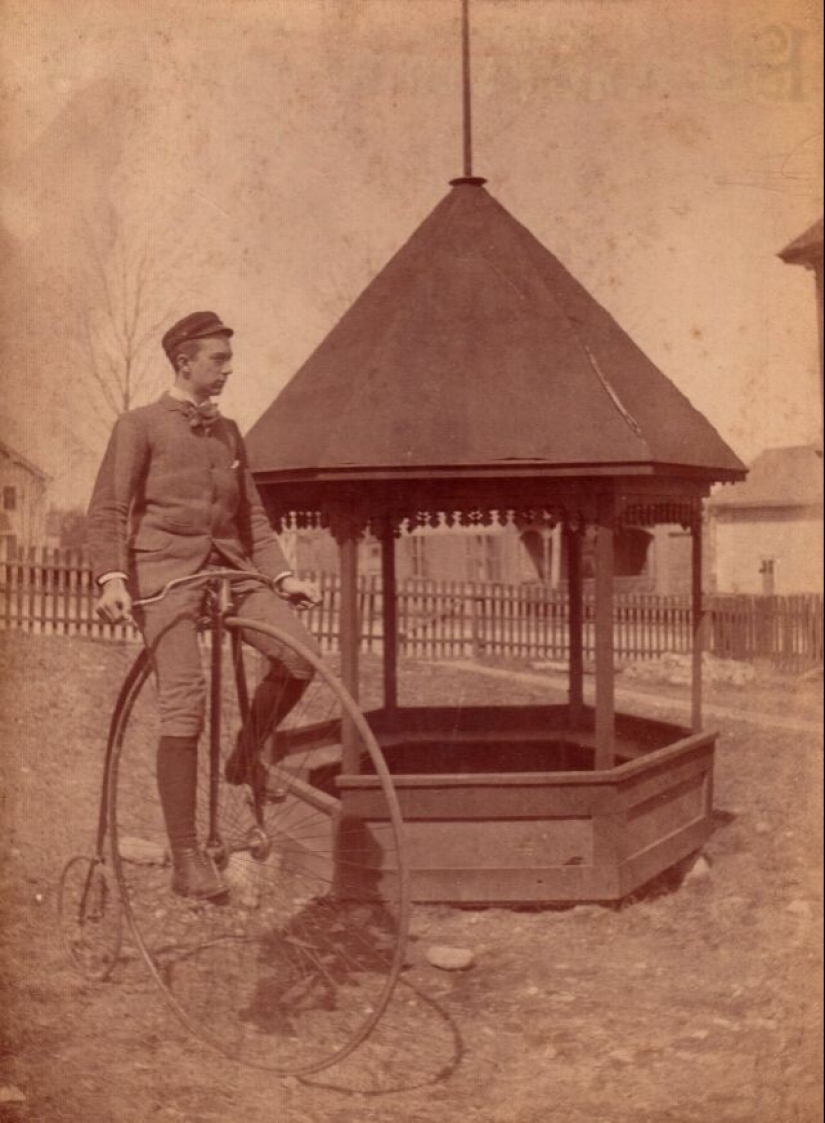
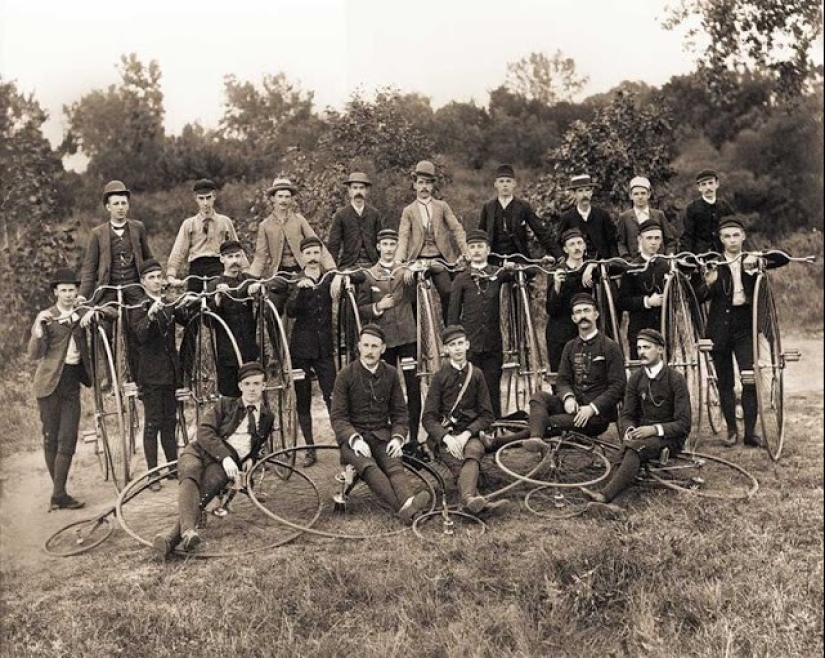
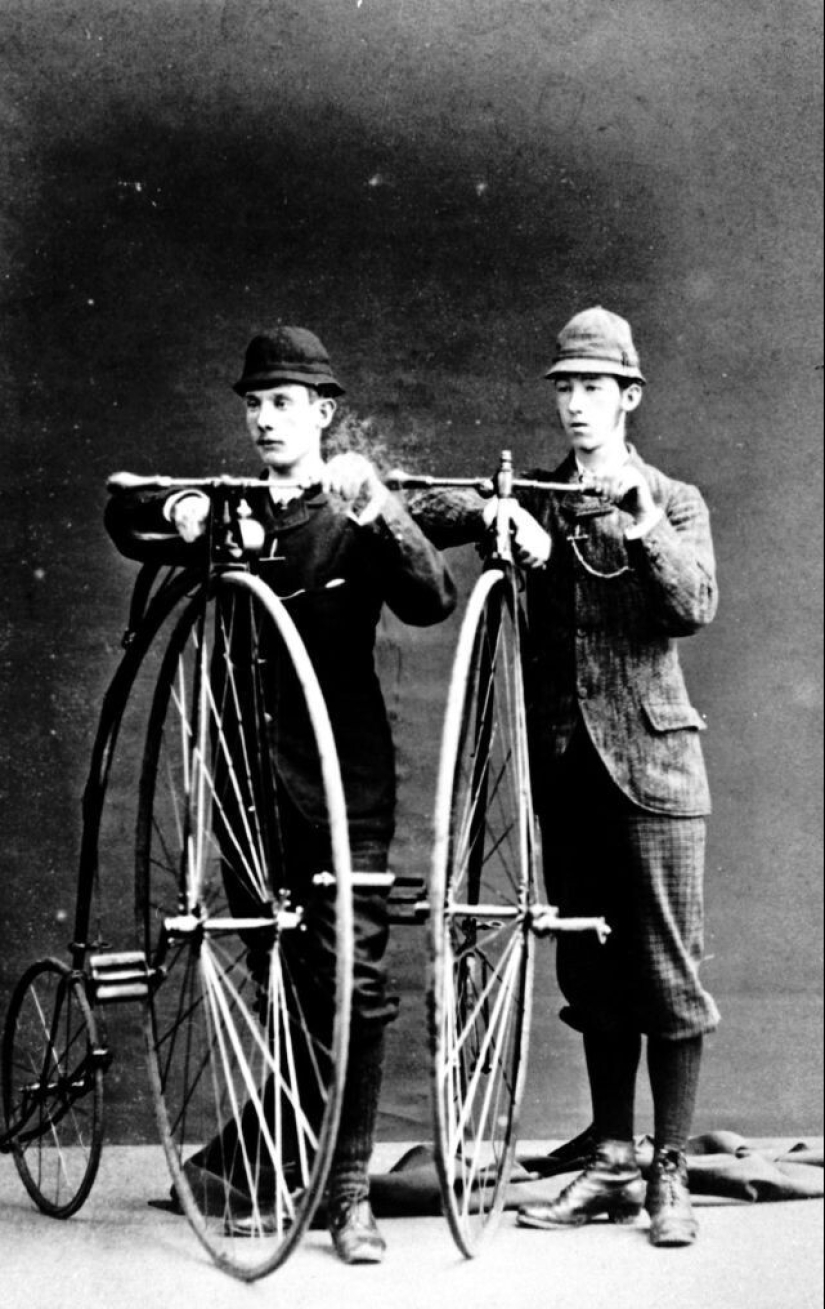
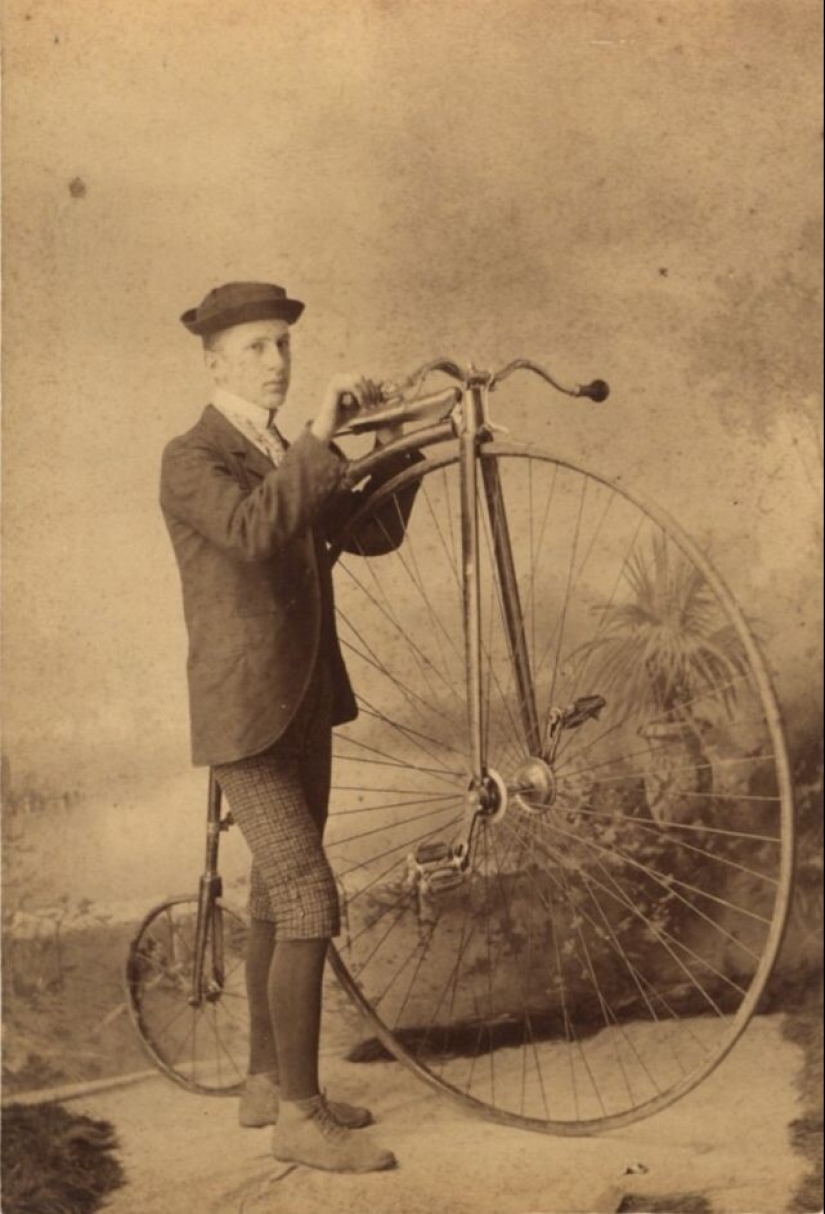
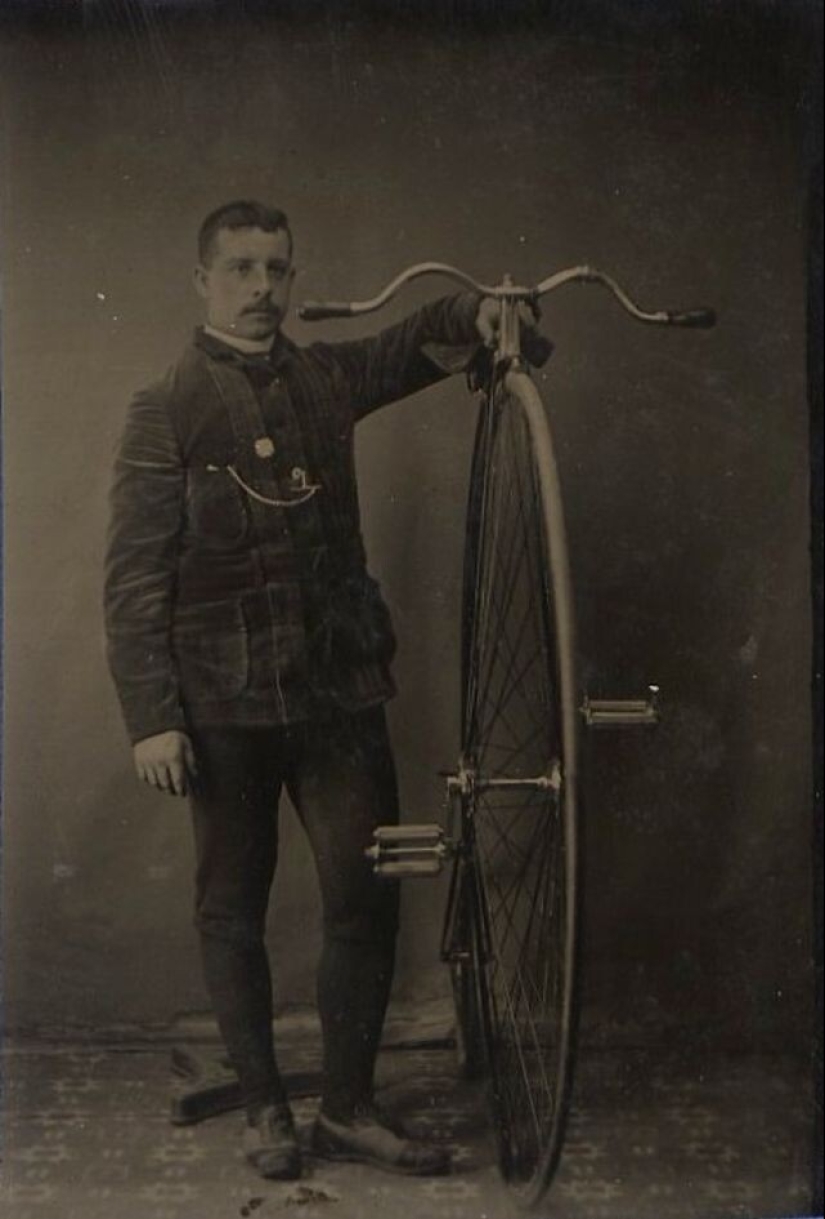
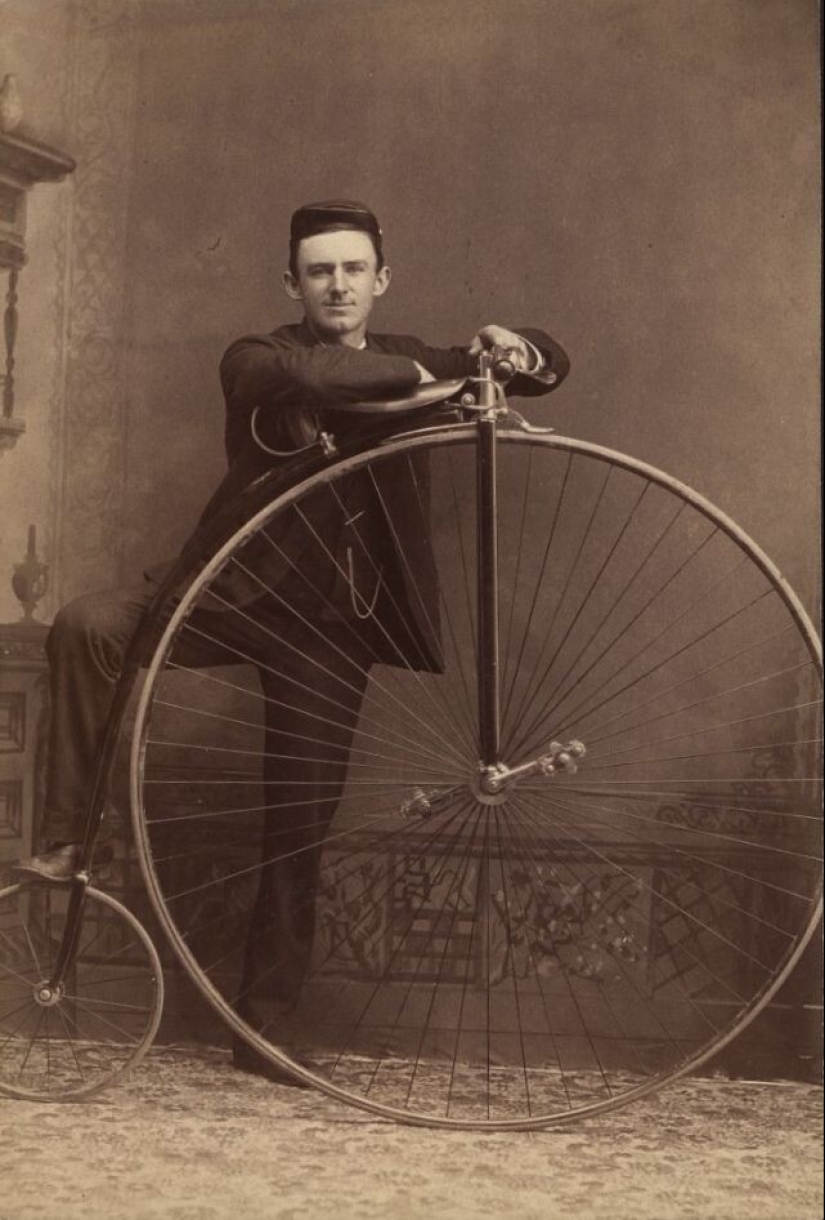
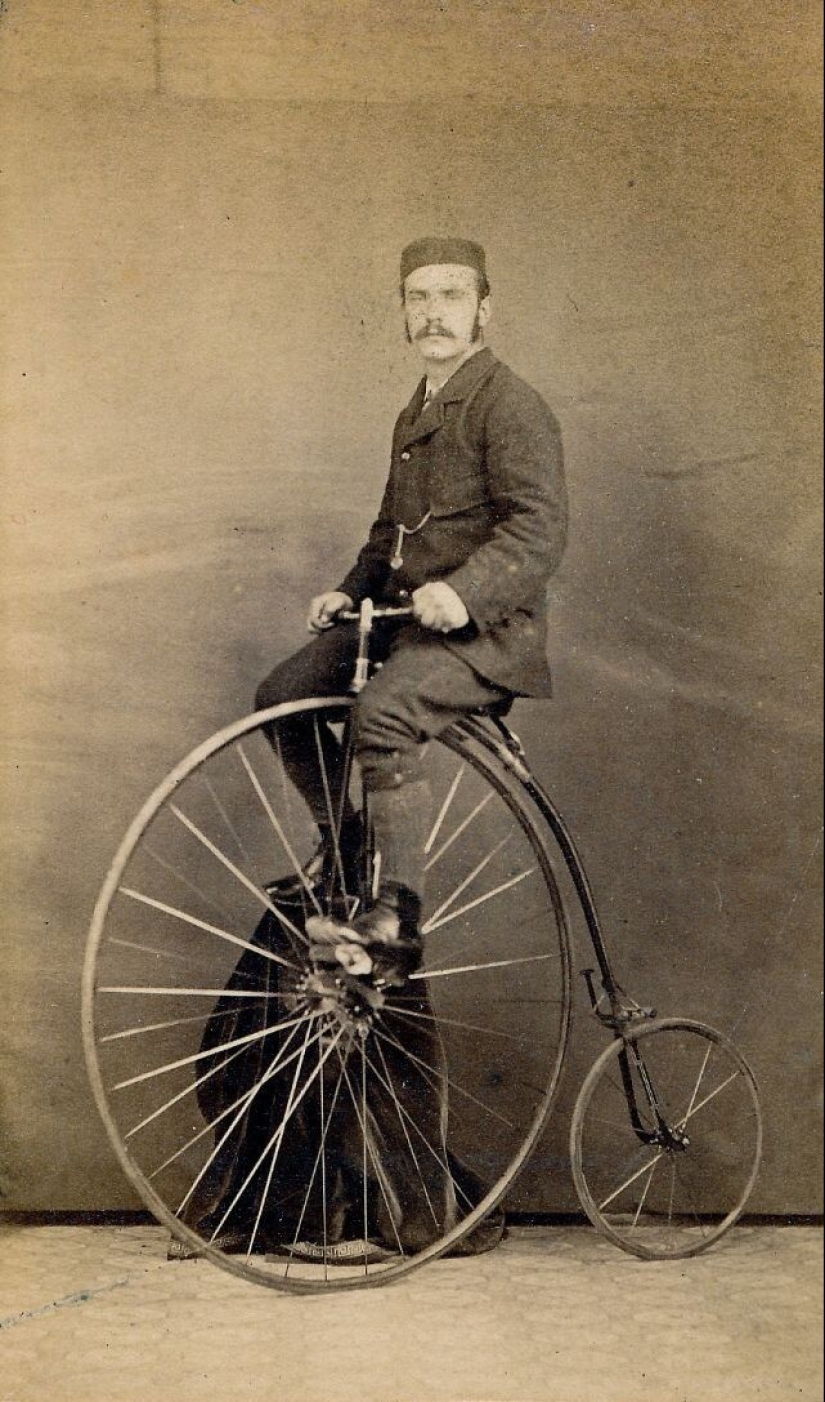
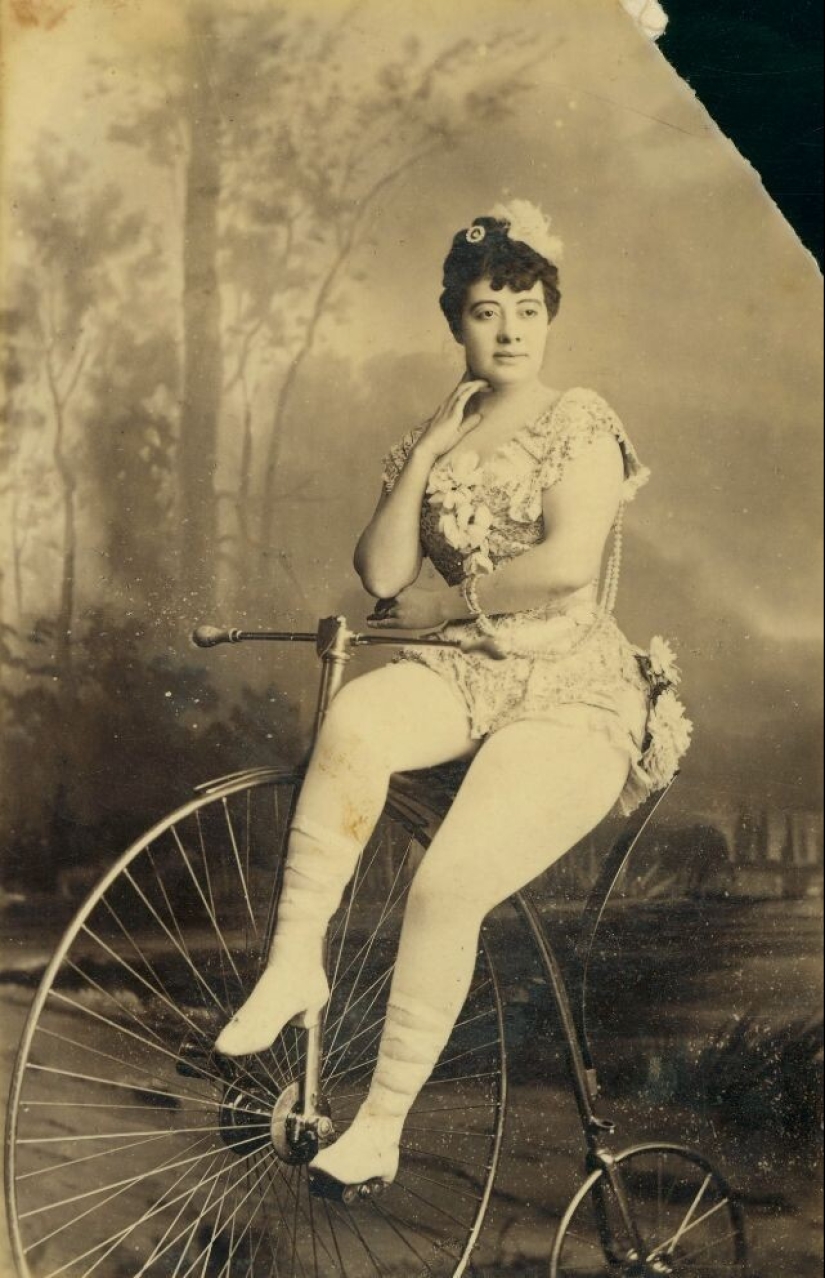
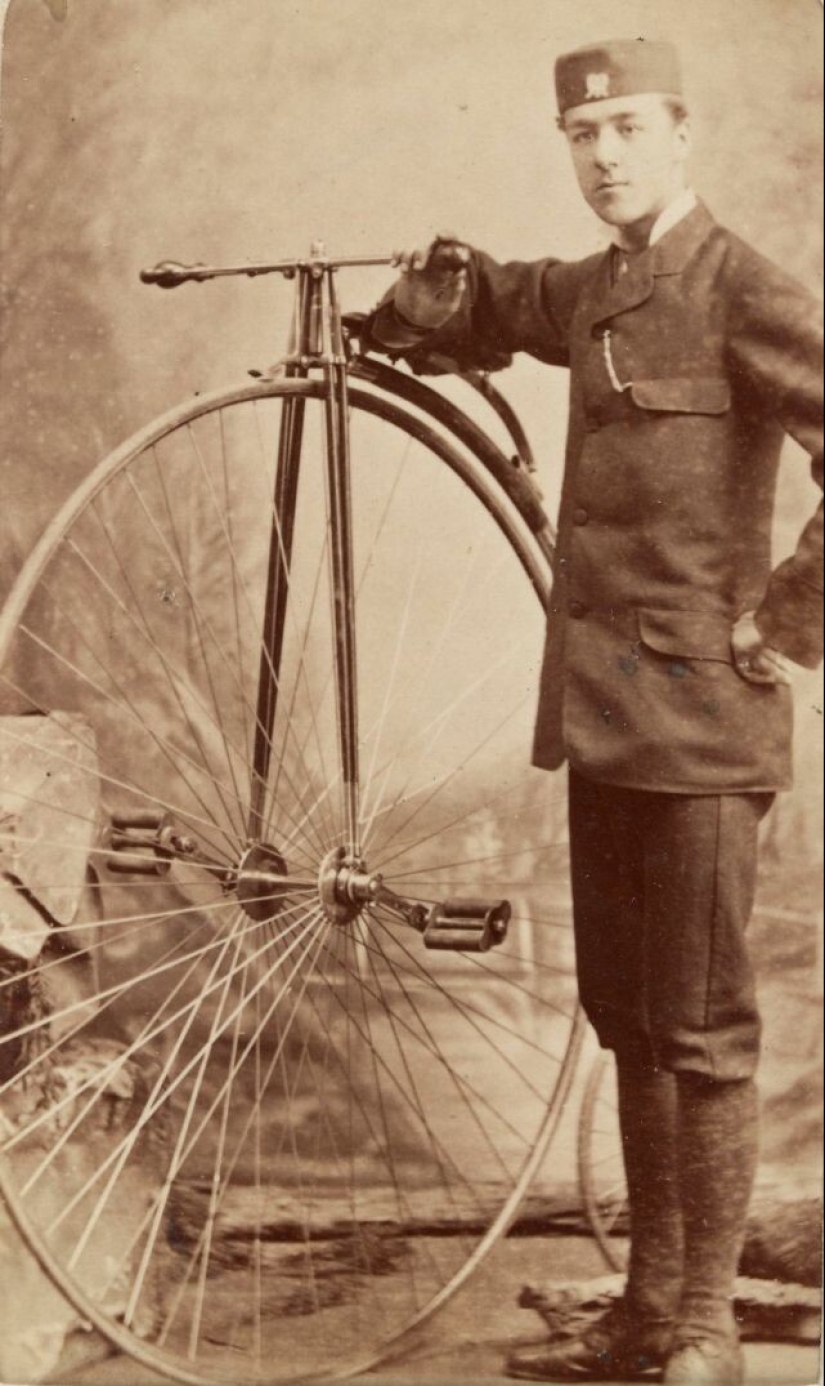
By Pictolic https://pictolic.com/article/bicycle-history-the-penny-farthing-or-high-wheel.htmlThe penny-farthing, also known as the "high wheel", was the first vehicle to be called a "bicycle". This two-wheeler was popular in the 1870s and 1880s. Then it gave way to more modern models, but remained forever in history, becoming a symbol of the late Victorian era.


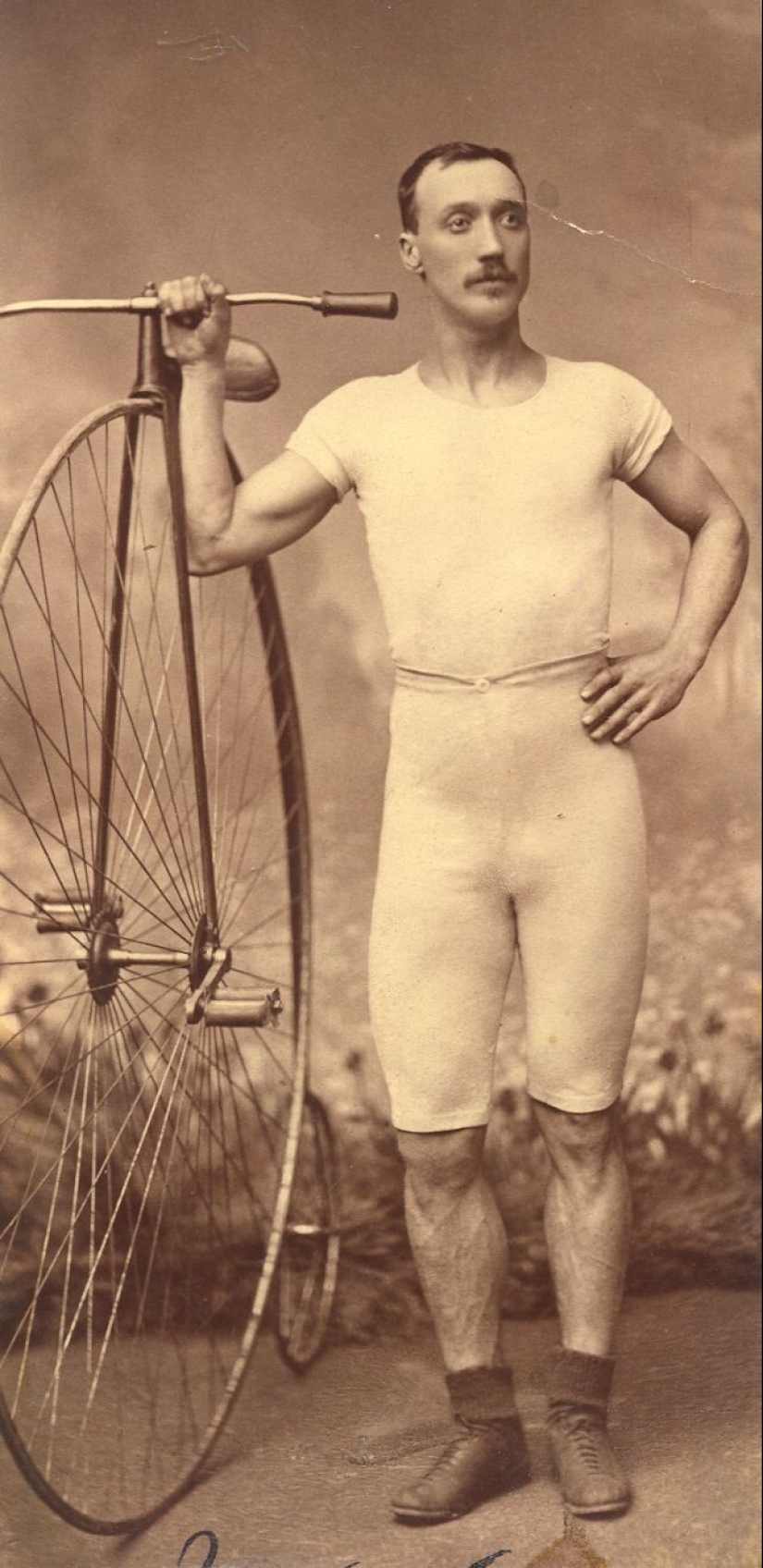
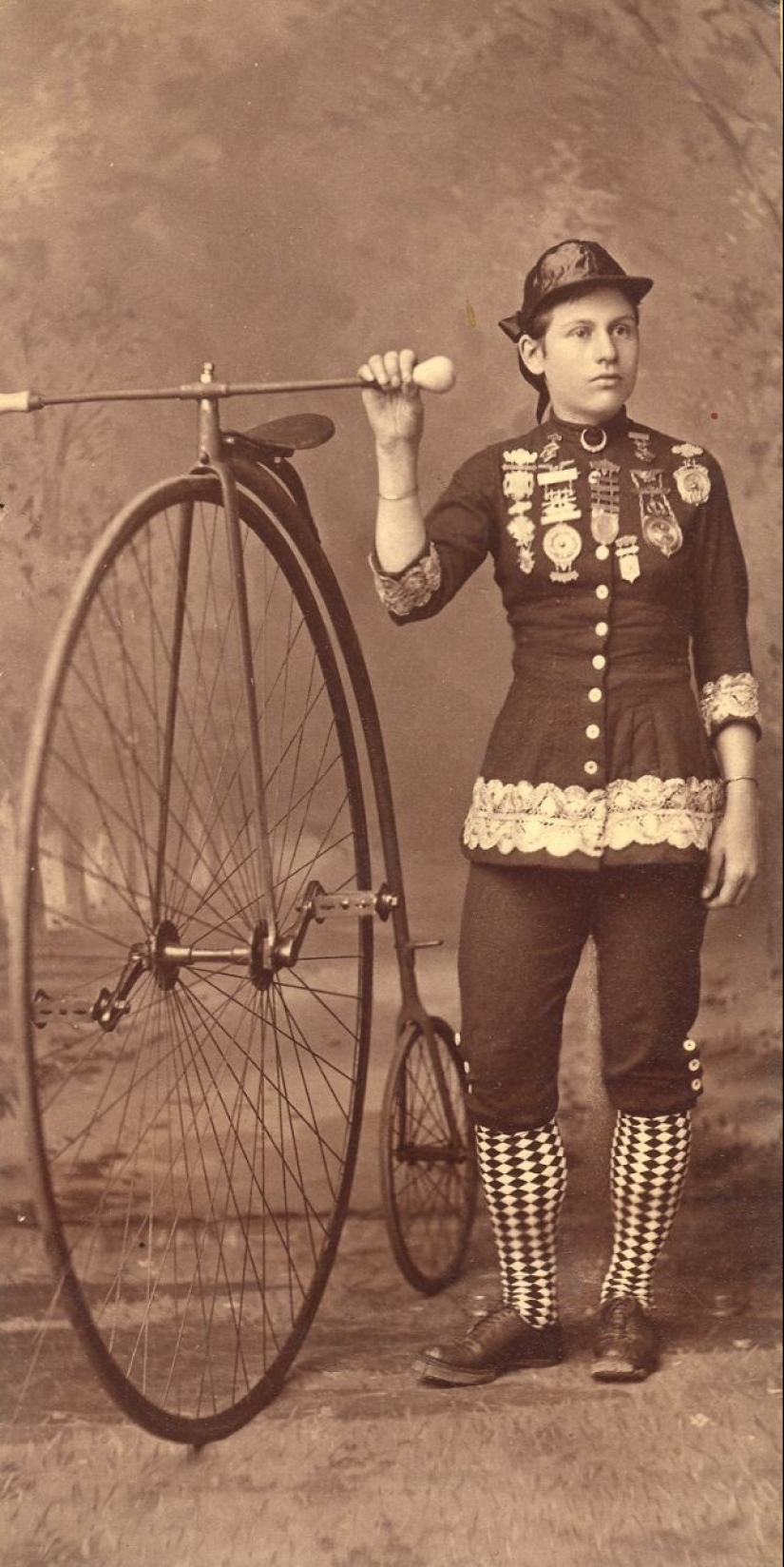
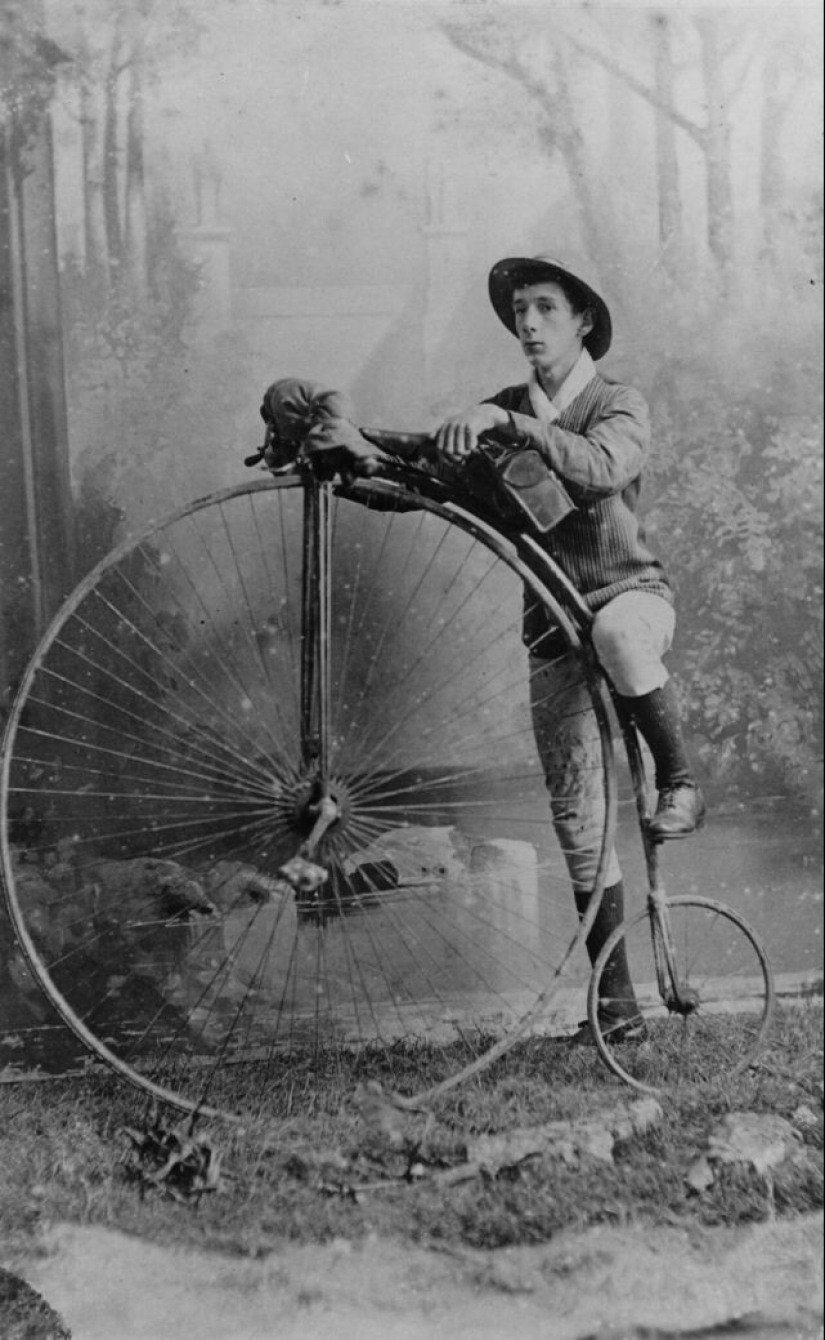
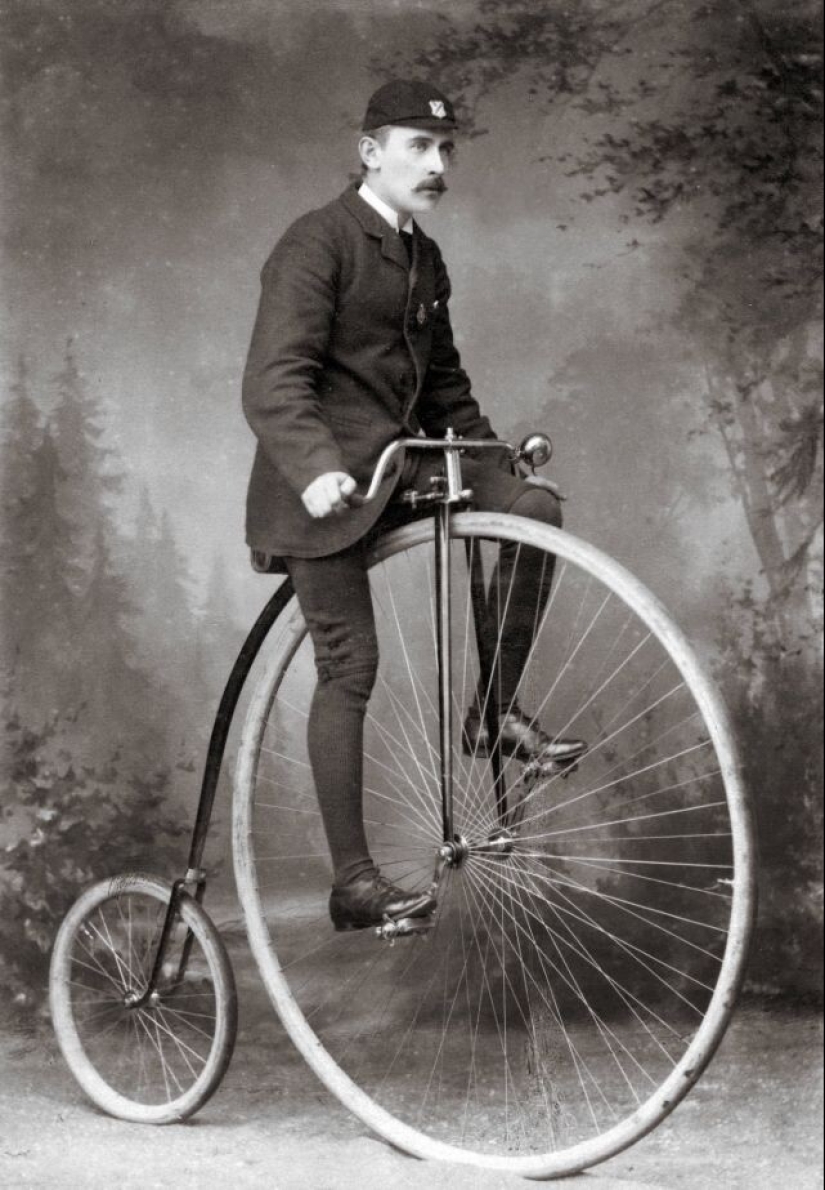
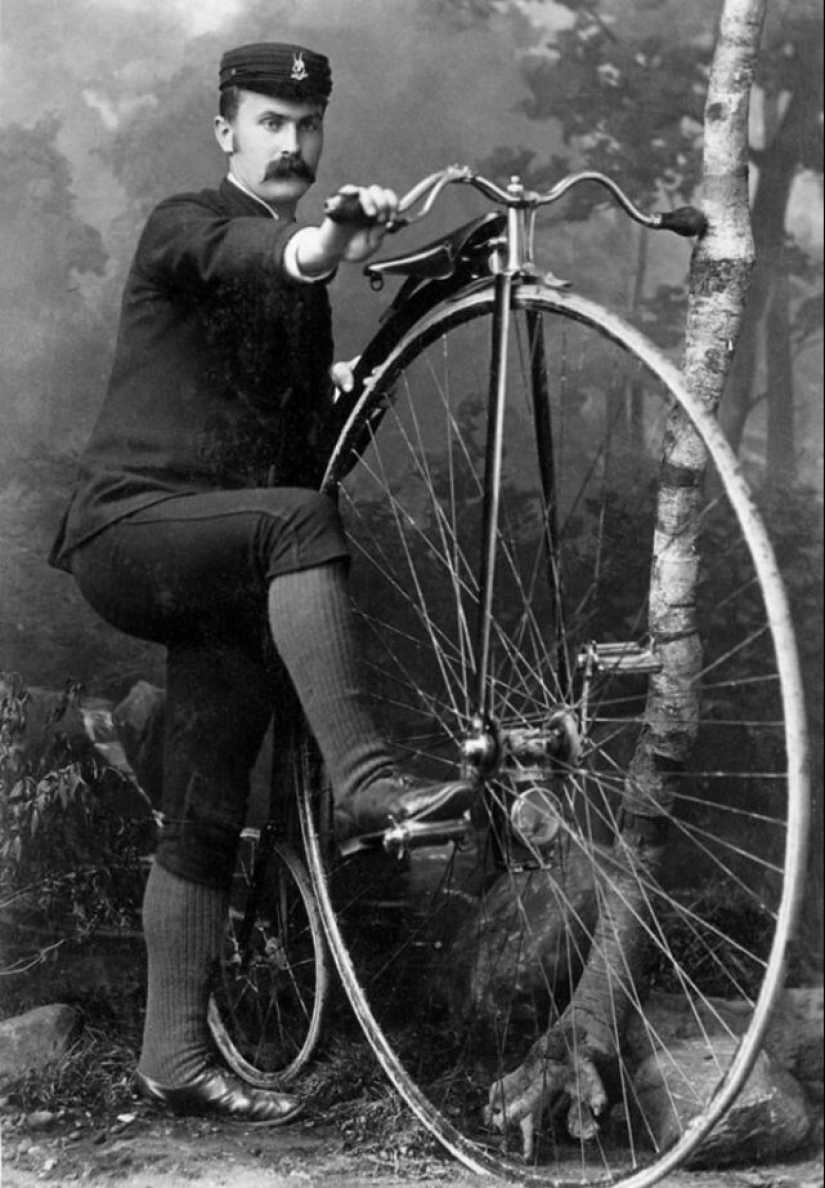
The name comes from the appearance of the British penny and farthing coins, as one of them (the penny) is much larger than the other (the farthing) "so are the wheels of this bike.

The large front wheel provided high speed (due to the fact that it moved a long distance with each turn of the legs) and comfort (the large wheel provides more cushioning).
The penny-farthing went out of use from the late 1880s — with the development of modern bicycles, which provided a similar increase in speed due to chain-driven gears and comfort thanks to pneumatic tires, and were advertised as safer.
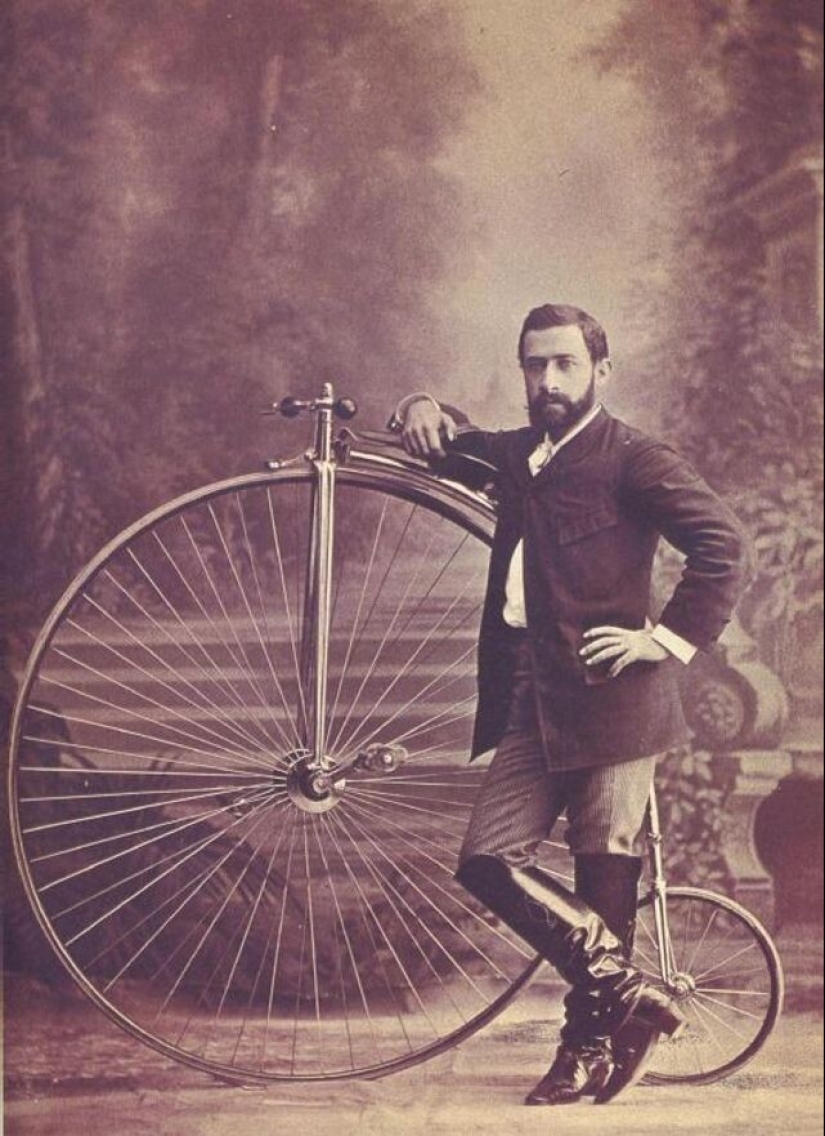
Despite its short life, the penny farthing became a symbol of the late Victorian era. Its popularity coincided with the birth of cycling as a separate sport.
Keywords: Bicycle | Victorian era | Wheel | Retro
Post News ArticleRecent articles

There are dolls very similar to living people. And there are so realistic that their appearance can only be explained by magic. ...

Japan is deservedly considered one of the safest countries in the world. Even organized crime there has a "human face" ...
Related articles

In the Victorian era Britain was quickly urbanized. By 1851 it became the first country lived in cities of more people than in the ...

What did the petty criminals of the XIX century look like? We offer you a look at the faces of English prisoners held in a penal ...

The Reverend Lewis Carroll, aka Charles Lutwidge Dodgson, left behind wonderful children's books and, as befits a Victorian ...
Famous British photographer Bob Carlos Clarke was born in an Irish corps in 1950. In 1969 he moved to England to study art and ...