
Research shows reusable bottles are dirtier than toilet seats
Categories: Health and Medicine | Science
By Pictolic https://pictolic.com/article/research-shows-reusable-bottles-are-dirtier-than-toilet-seats.htmlIt just so happens that when they talk about something dirty, they compare it to a toilet seat. Researchers from the USA were not original either. They conducted a microbiological analysis of reusable bottles and came to disappointing conclusions. It turns out that clinging your lips to the notorious seat is much safer than drinking from such a container.
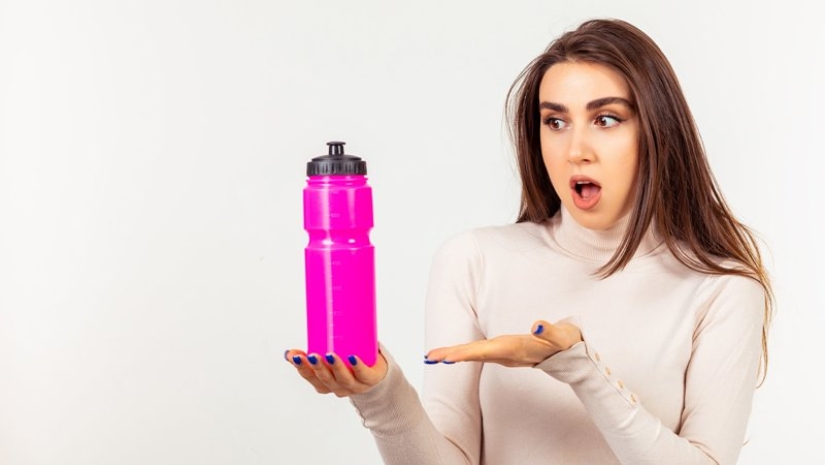
American water treatment experts examined reusable bottles and found out a scary thing. It turns out they have 40,000 times more germs than a toilet seat. The greatest danger is represented by two types of microorganisms living on the container: gram-negative rods and bacilli. The former are capable of causing pneumonia, while the latter disrupt the functioning of the gastrointestinal tract.
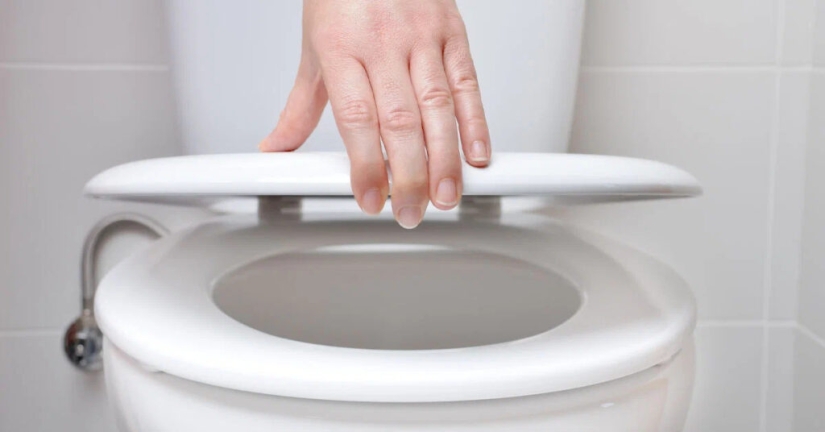
The number of bacteria was calculated in the so-called colony-forming units (CFU). For reusable bottles, this value averaged 20.8 million CFU of Gram-negative bacteria. But there were places where the number of dangerous microbes went through the roof. Up to 30 million CFU were found on the neck and lid.
Is it a lot or a little? For comparison, scientists brought a toilet lid that had just been washed with detergent. It contains an average of only 515 CFU. For those sissies who dislike toilet analogies, the Americans gave other examples. Bottles have 5 times more germs than a computer mouse and 14 times more than a cat bowl.

At the same time, microbiologists reassured lovers of water from reusable bottles. Most of the bacteria on their neck and walls are not capable of causing disease. There is a chance of picking up something, but it is very small. And the presence of these microbes only indicates that the container was not washed well. To get rid of them, simply wash the bottle and cork well with hot soapy water.
Recent articles

It's high time to admit that this whole hipster idea has gone too far. The concept has become so popular that even restaurants have ...

There is a perception that people only use 10% of their brain potential. But the heroes of our review, apparently, found a way to ...
New Year's is a time to surprise and delight loved ones not only with gifts but also with a unique presentation of the holiday ...