
More than 200 new species of animals and plants discovered in the Himalayas
Categories: Animals | Nature | News
By Angela https://pictolic.com/article/more-than-200-new-species-of-animals-and-plants-discovered-in-the-himalayas.html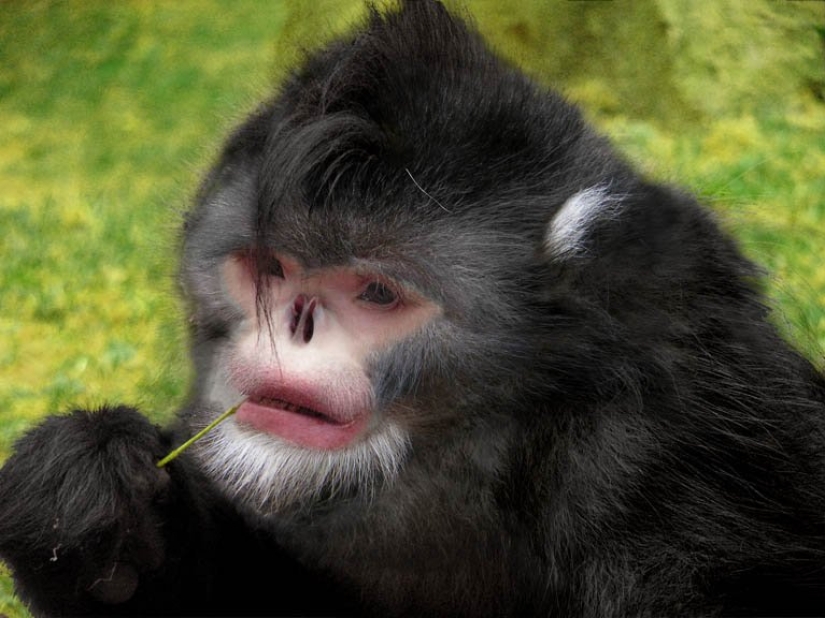 1. The Burmese snub-nosed monkey was discovered back in 2010, however, in the photographs that were then taken, all the features of its muzzle were not visible. Based on those pictures, we managed to create a graphic image of this amazing monkey. (Photo: Dr Thomas Geissmann/Fauna&Flora International).
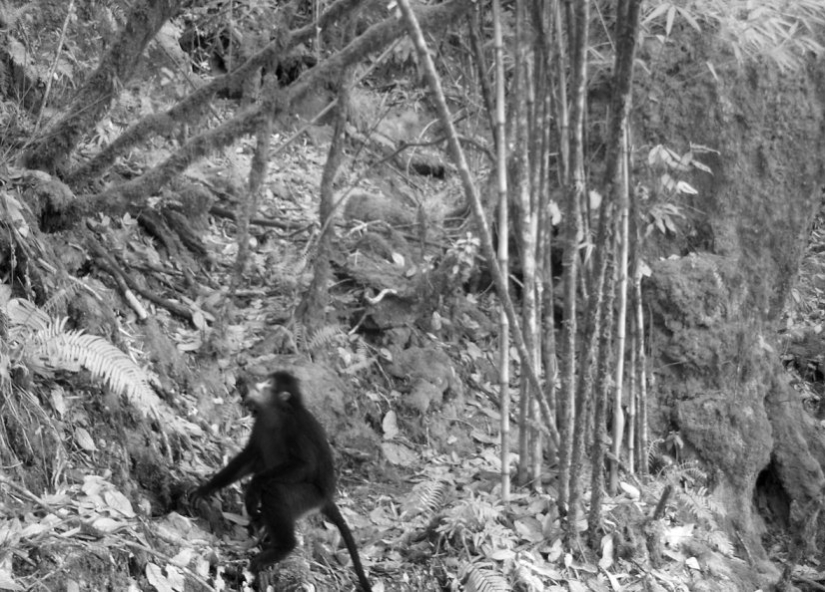 2. The Himalayas never cease to amaze us. The existence of the Burmese snub-nosed monkey was told to scientists by local hunters who spotted them in the Kachin area. They also said that these monkeys are easy to spot when it rains because they sneeze or snore loudly. Thanks to this information, scientists were able to discover this animal. (Photo: FFI/BANCA/PRCF).
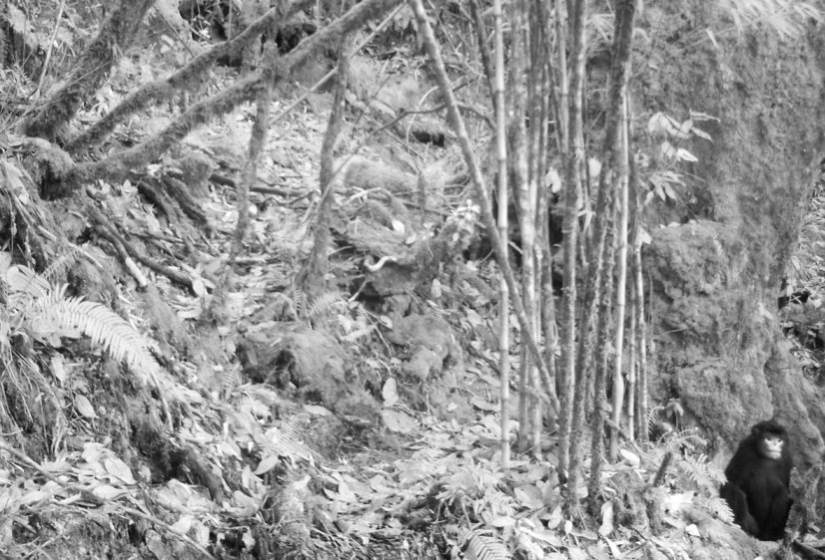 3. The uniqueness of this monkey also lies in the fact that its coat is completely black. And during the rain, when she sleeps, due to the peculiarities of the structure of her nose, she begins to snore. Scientists believe that the population of these monkeys is very low - about 260-330 individuals. (Photo: FFI/BANCA/PRCF).
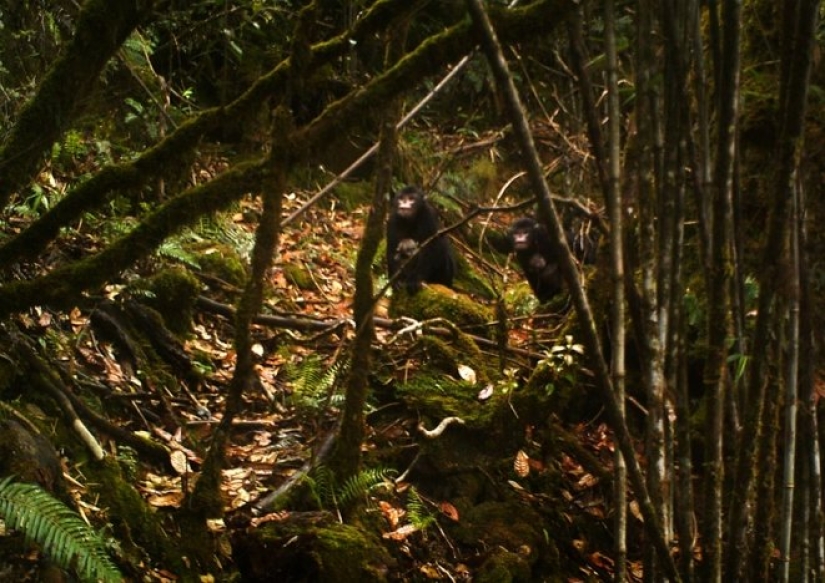 4. Based on the DNA analysis of Burmese snub-nosed monkeys, scientists have concluded that this species appeared as a result of crossing with other species of monkeys. It also proves that hybridization in animals (getting hybrids between varieties, species and genera) is much more common than previously thought. (Photo: FFI/BANCA/PRCF).
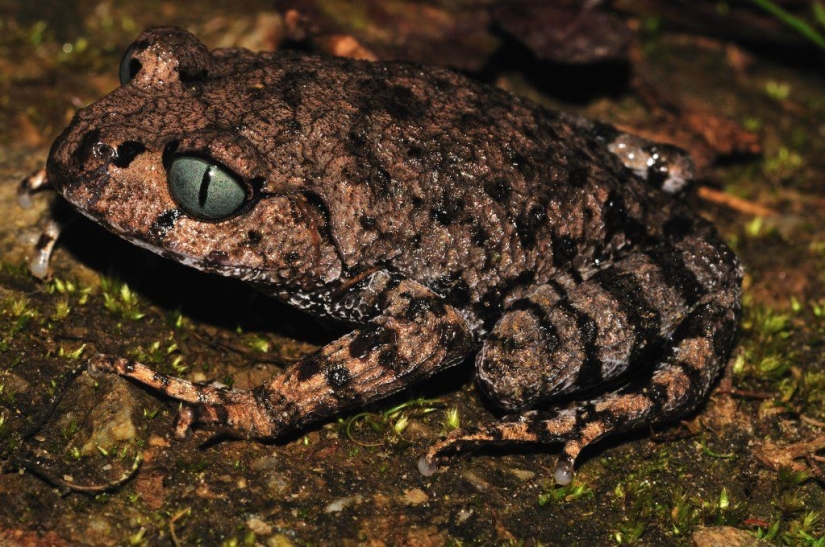 5. According to the report "Hidden Himalayas: Asian Wonderland" published by the World Wildlife Fund, various research teams have found 133 new plants, 39 invertebrates, 26 fish, 10 amphibians, one reptile, one bird and one mammal there. And this beautiful horned frog - Megophrys Ancrae, which you see in the photo, was also first discovered in the Himalayas, in the northern state of India. (Photo: Sanjay Sondhi)
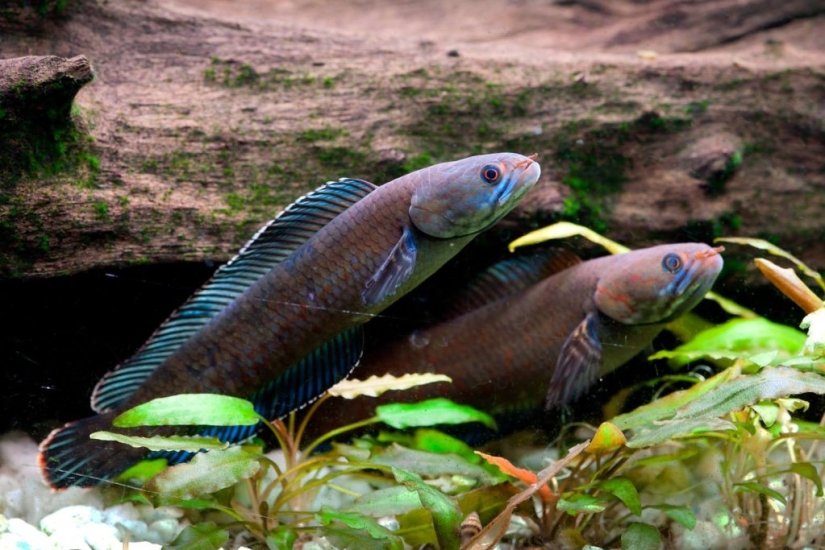 6. This recently discovered fish - Channa andrao - belongs to the snakehead family. She can breathe atmospheric air and survive on land for up to four days. She moves, wriggling, but she does not get it as dexterously as a snake. And it can cover a distance of 400 meters… by land. (Photo: Henning Strack Hansen).
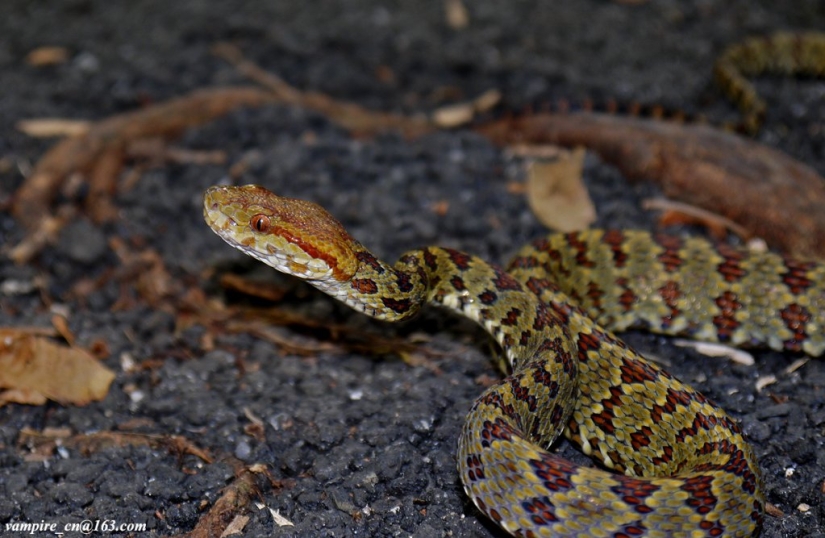 7. This beautiful poisonous snake was found in the eastern part of the Himalayas. It belongs to the subfamily of rattlesnakes and can reach up to 120 centimeters in length. Most often lives in trees. It feeds on rodents, lizards, birds and amphibians. A distinctive feature of this snake are red, yellow and orange stripes on the head. (Photo: Liang Zhang).
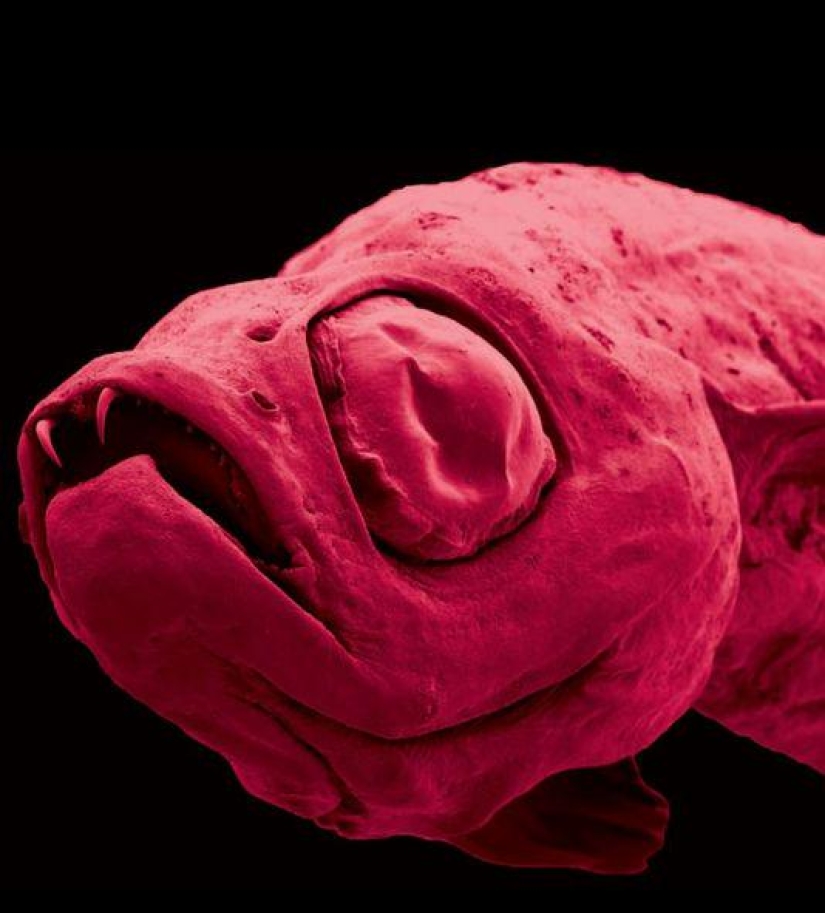
8. Danionella Dracula or Dracula fish was discovered in Burma, in the eastern part of the Himalayas. Its small translucent "body" is only 1.5 centimeters long. The peculiarity of this fish is the two upper "fangs", which are part of its skeleton. (Photo: Maxime Duprez).
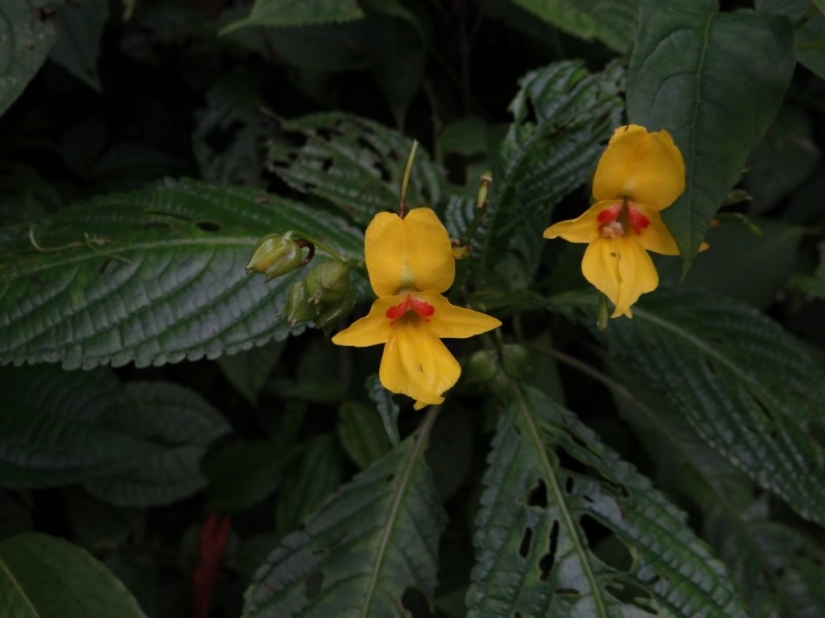 9. This is one of the new plant species discovered in the eastern Himalayas. (Photo: R.Gogoi&S.Borah).
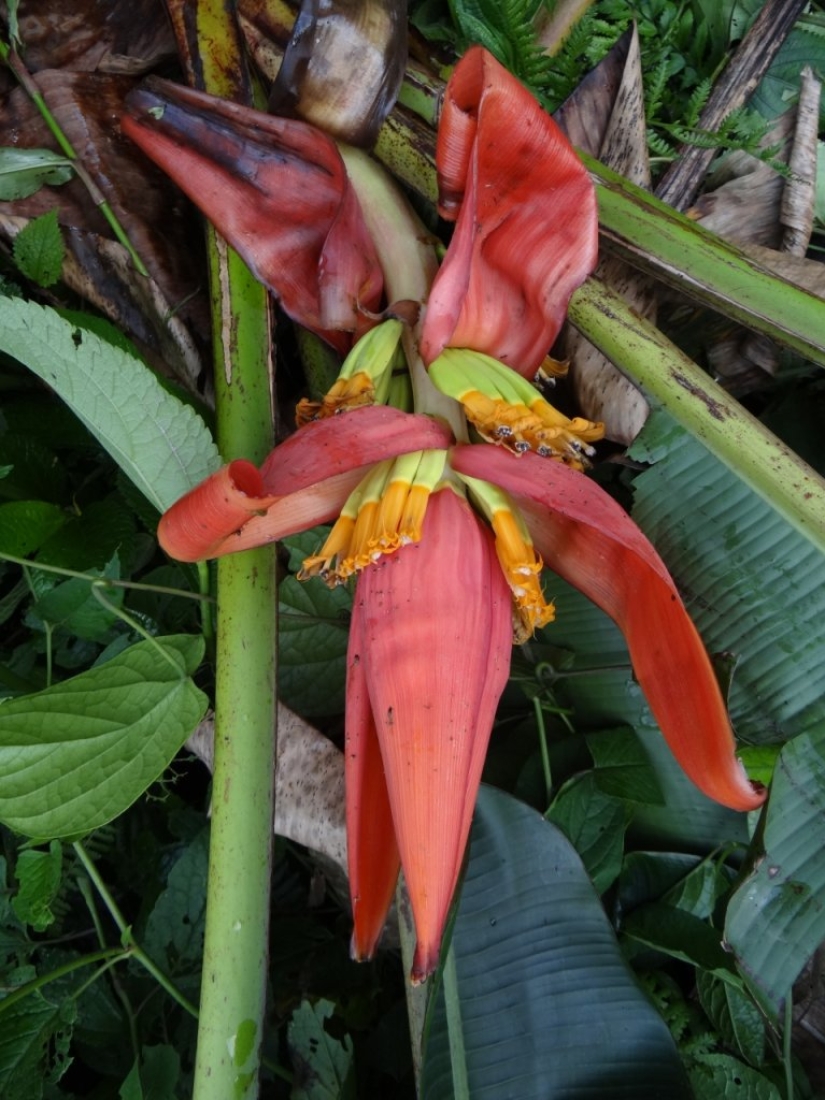 10. Recientemente descubierto en el Himalaya un nuevo tipo de platano. (Photo: R.Gogoi&S.Borah).
 11. According to a WWF report, the Himalayan flora and fauna are under threat of extinction due to climate change, deforestation, environmental pollution, and poaching. Therefore, protecting the local ecosystem and species that have not yet been discovered will be a great challenge for humanity. (Photo: Shutterstock).
Keywords: HIMALAYAS | NEW SPECIES | FAUNA | FLORA
Post News ArticleRecent articles

It's high time to admit that this whole hipster idea has gone too far. The concept has become so popular that even restaurants have ...

There is a perception that people only use 10% of their brain potential. But the heroes of our review, apparently, found a way to ...
Related articles

I consider myself a connoisseur of nature? Know everything about animals? Then get ready for a short quiz that can give you new ...

The Himalayas. Tibet. Something cosmic and ethereal sounds in the names. They attract visitors from all over the world. In front of ...

Badyaga (or bodyaga, which is also correct) is a well-known remedy for bruises for many generations. It is difficult to ...
New Year's is a time to surprise and delight loved ones not only with gifts but also with a unique presentation of the holiday ...