
BRUTALISM FROM NAPLES TO TRIESTE
Categories: Art | Design and Architecture | Photo project | World
By Vika https://pictolic.com/article/brutalism-from-naples-to-trieste.htmlRoberto Conte and Stefano Perego have teamed up to announce ‘Brutalist Italy: Concrete Architecture from the Alps to the Mediterranean Sea’ — the first photographic book of its kind capturing a selection of over 100 Italian brutalist structures. Over the last five years, Italian architectural photographers have traveled 20,000 kilometers, crossing all regions of the peninsula to document a vast array of buildings conceived in the brutalist style, with the majority realized between the 1960s and the 1980s.
From the Casa del Portuale in Naples to the Jesi cemetery, from the Sanctuary of Monte Grisa in Trieste to the ‘Washing Machines’ in Genoa, the book curates a surprising collection of structures, defined by their bold use of exposed reinforced concrete, and clear and well-defined structural elements. ‘Brutalist Italy’ will be available from September 7, 2023.
12 PHOTOS
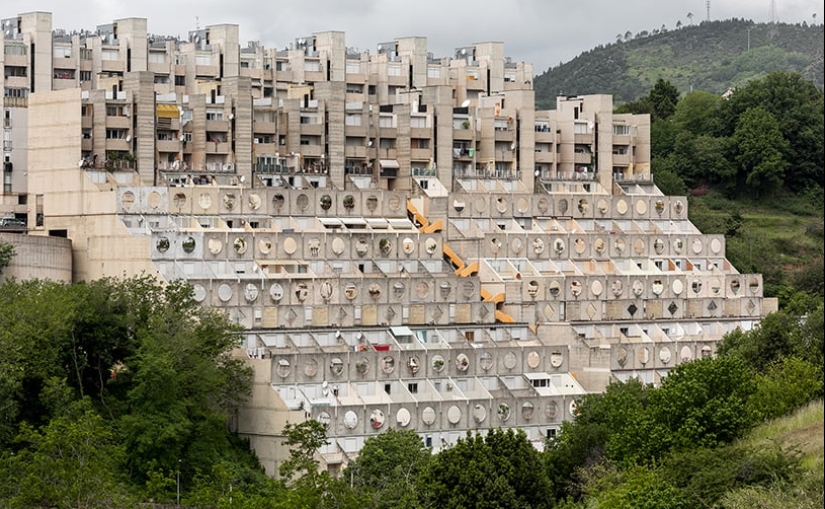
1. ‘The Washing Machines’ Pegli 3 housing complex, Genoa | image by Stefano Perego
ROBERTO CONTE AND STEFANO PEREGO ANNOUNCE ‘BRUTALIST ITALY’
Featuring text in both Italian and English, ‘Brutalist Italy’ contains an introduction by Adrian Forty, professor emeritus of architectural history at the University College of London, and an afterword by both Roberto Conte and Stefano Perego. Forty’s words illuminate the essence of brutalism:‘It was, though, above all in their willingness to acknowledge that concrete could be of more than one time, that it could represent both the present (or the future) and the past simultaneously, that Italian architects stood out from their counterparts elsewhere in the world. Generally, during the twentieth century, concrete was treated exclusively as a future-oriented medium – it signified an age that had not arrived, and the fact that it also had a past was strenuously denied. But circumstances in Italy made architects anxious to represent its past as well as its future.’
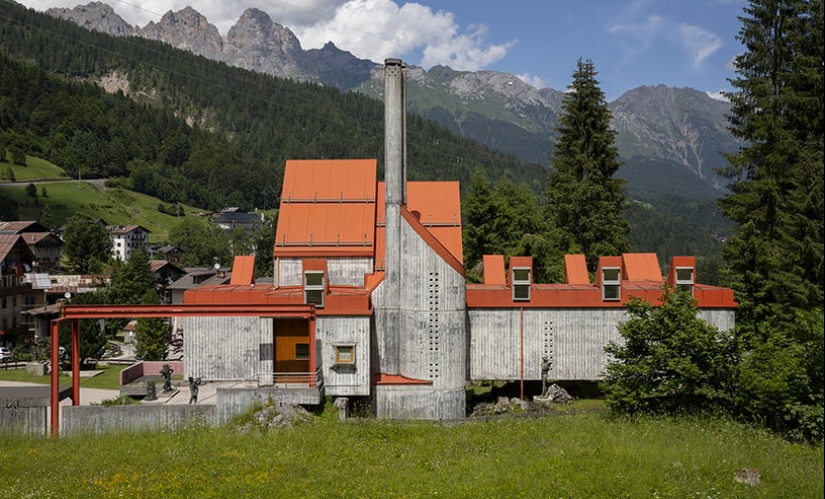
2. Studio-Museum Augusto Murer, Falcade. Giuseppe Davanzo (1970-1971) | image by Roberto Conte
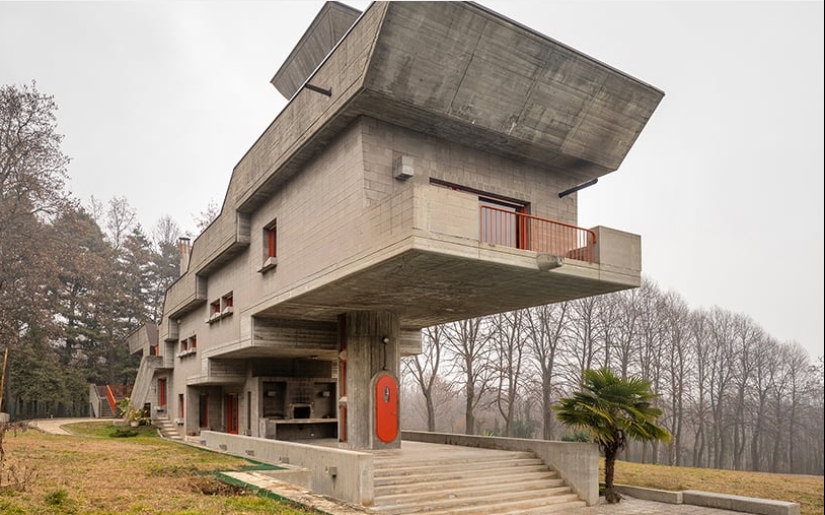
3. Villa Gontero, Cumiana. Carlo Graffi, Sergio Musmeci (1969-1971) | image by Roberto Conte
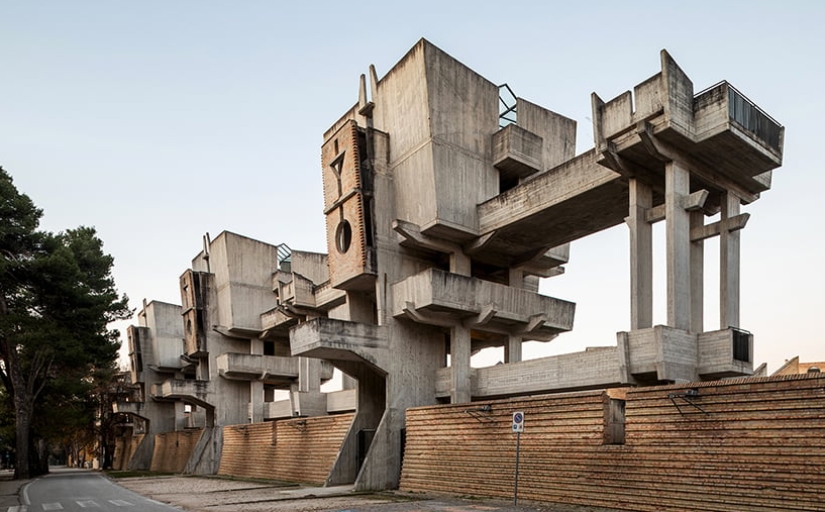
4. Cemetery Extension, Jesi. Leonardo Ricci (1984-1994) | image by Stefano Perego
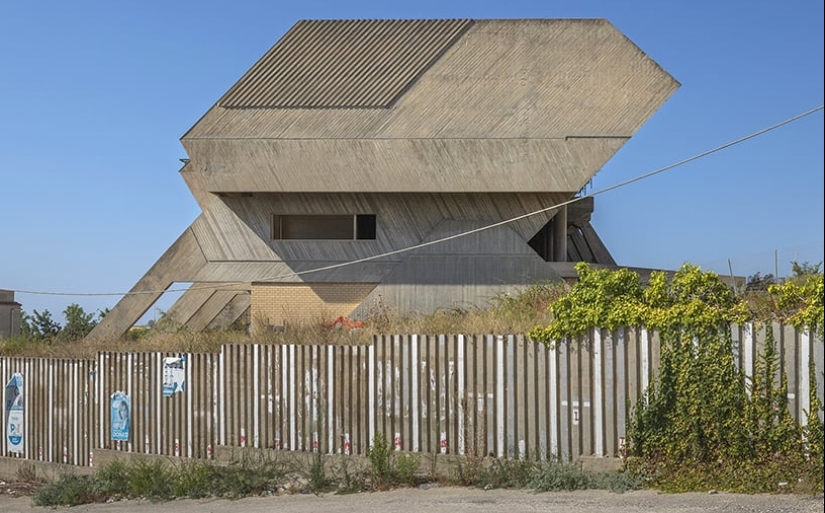
5. Unfinished building, Ispica | image by Roberto Conte
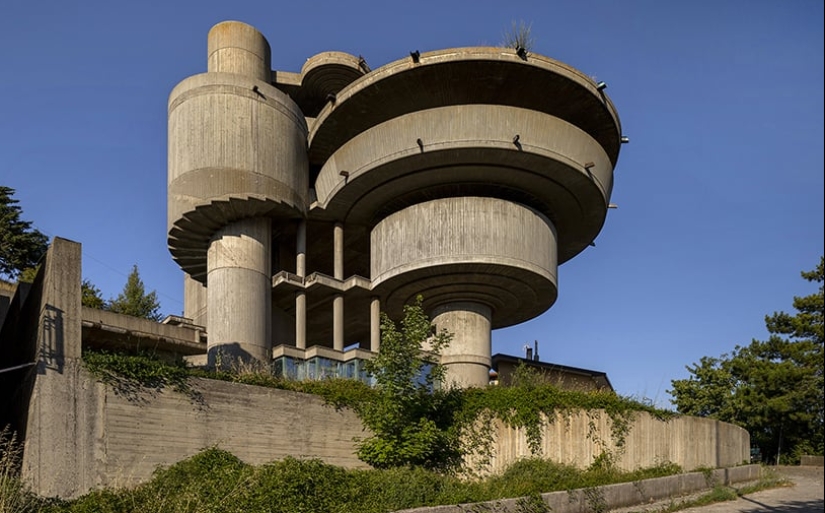
6. Unfinished residential building, Bisaccia. Aldo Loris Rossi (1981, built-in 1990) | image by Roberto Conte
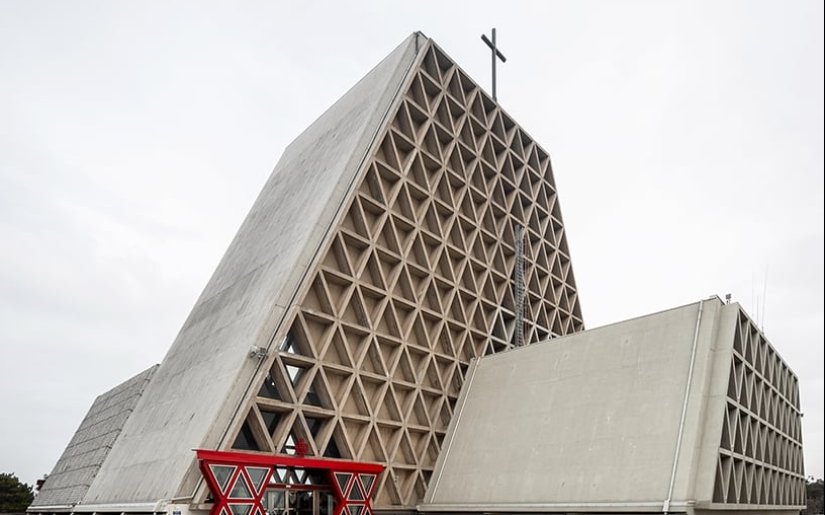
7. National Temple to Mary, Mother and Queen, Trieste. Antonio Guacci e Sergio Musmeci (1965) | image by Stefano Perego
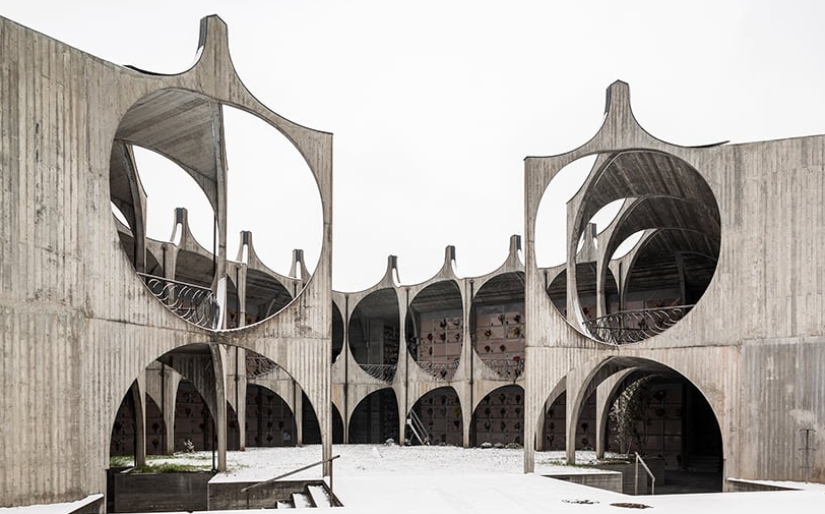
8. Monumental Cemetery extension, Busto Arsizio. Luigi Ciapparella (1971) | image by Stefano Perego
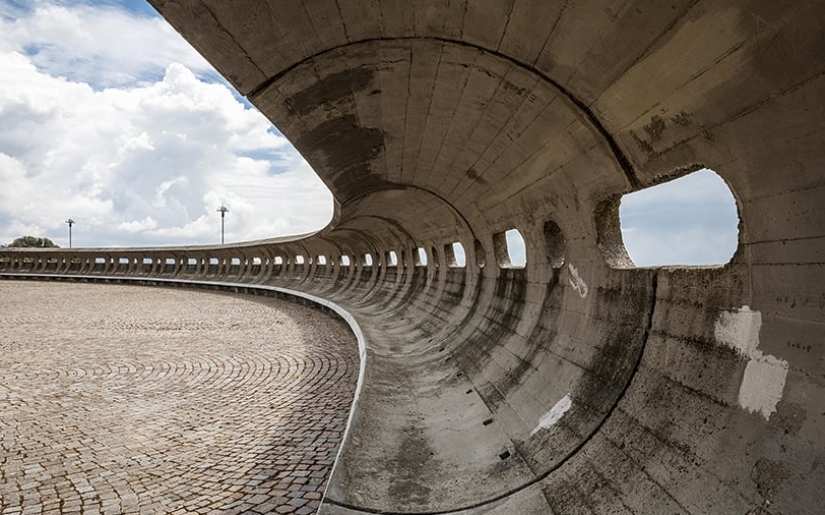
9. Urban furniture, Collevalenza – Todi. Julio Lafuente (1953-1974) | image by Stefano Perego
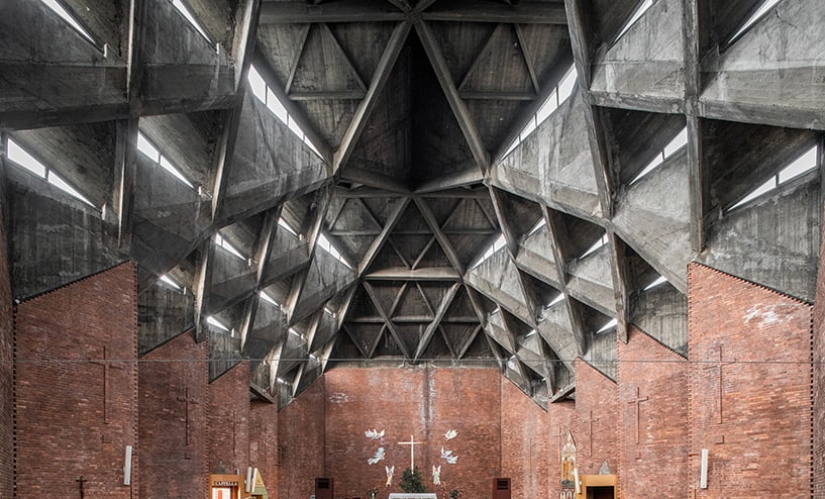
10. Jesus the Redeemer Church, Turin. Nicola Mosso, Leonardo Mosso, Livio Norzi (1954-1957) | image by Stefano Perego
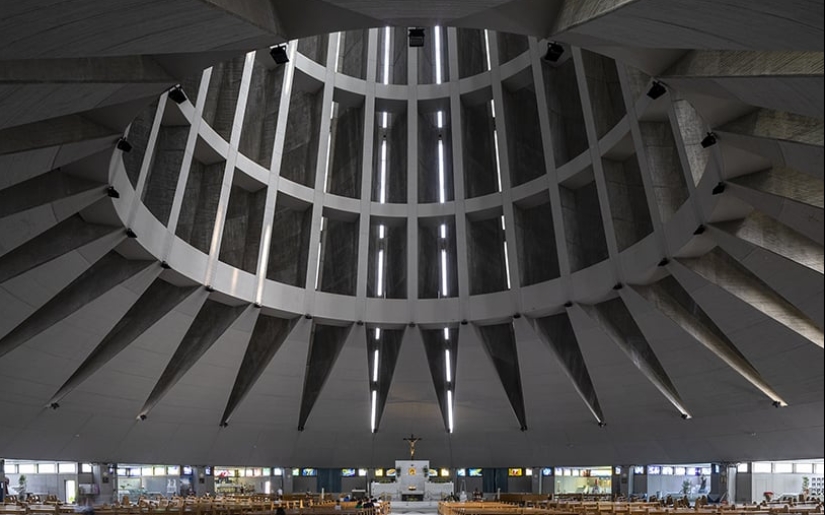
11. Our Lady of Tears Sanctuary, Syracuse. Michel Andrault, Pierre Parat (1966-1994) | image by Roberto Conte
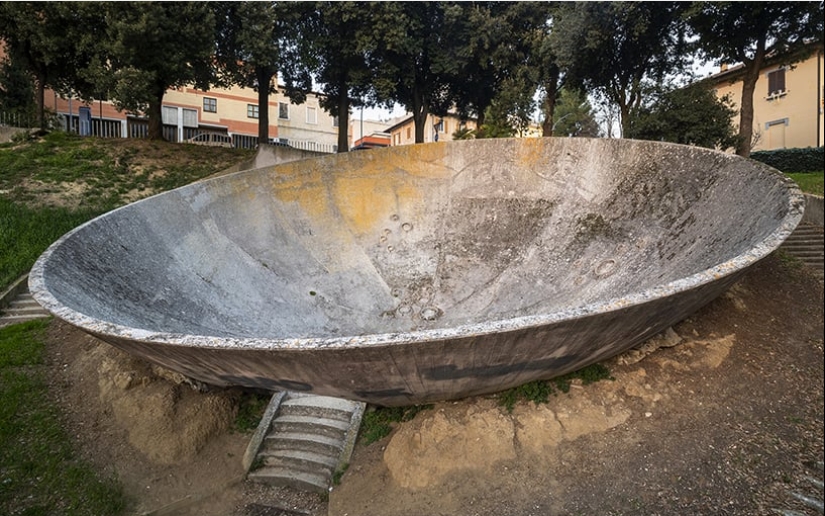
12. Monument to the Resistance, Macerata. Paolo Castelli, Luigi Cristini, Romano Pellei (1969) | image by Roberto Conte
project info:
name: Brutalist Italy
photographers: Roberto Conte, Stefano Perego
Keywords: BRUTALISM | Design | Graphic design | Art | Art styles | Design styles | Brutalist Italy | Brutalist structures
Post News ArticleRecent articles

It's high time to admit that this whole hipster idea has gone too far. The concept has become so popular that even restaurants have ...

There is a perception that people only use 10% of their brain potential. But the heroes of our review, apparently, found a way to ...
Related articles

Some people constantly complain about the lack of imagination. And I think we understood what it is… Just created the Earth, ...

Looking at this photo, you might think that it is a set for a movie about aliens. But this is not a dummy at all, but a real ...

A good designer can even banal things to make a work of art. Bad — on the contrary, spoil, and even problems will create. Here ...
New Year's is a time to surprise and delight loved ones not only with gifts but also with a unique presentation of the holiday ...