
About Face: photo portraits of people suffering from paralysis
Categories: Photo project
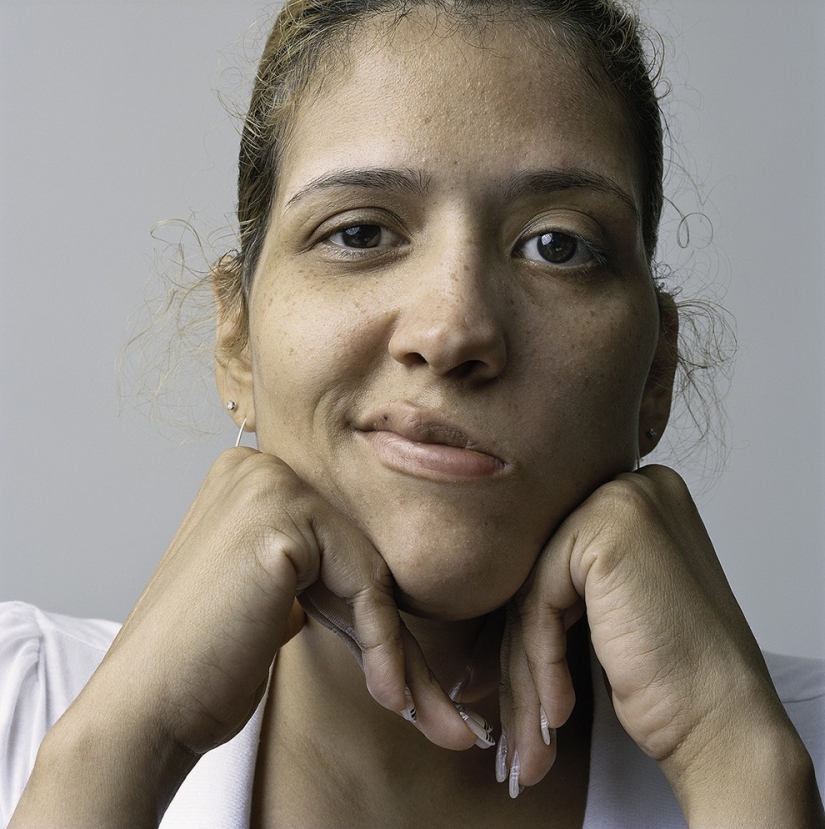
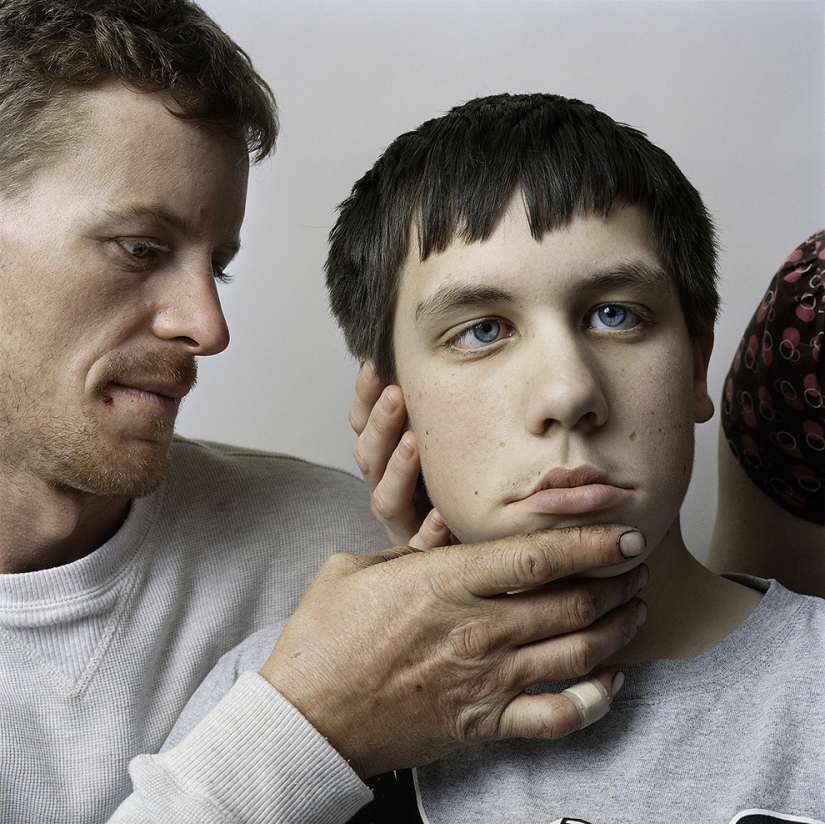
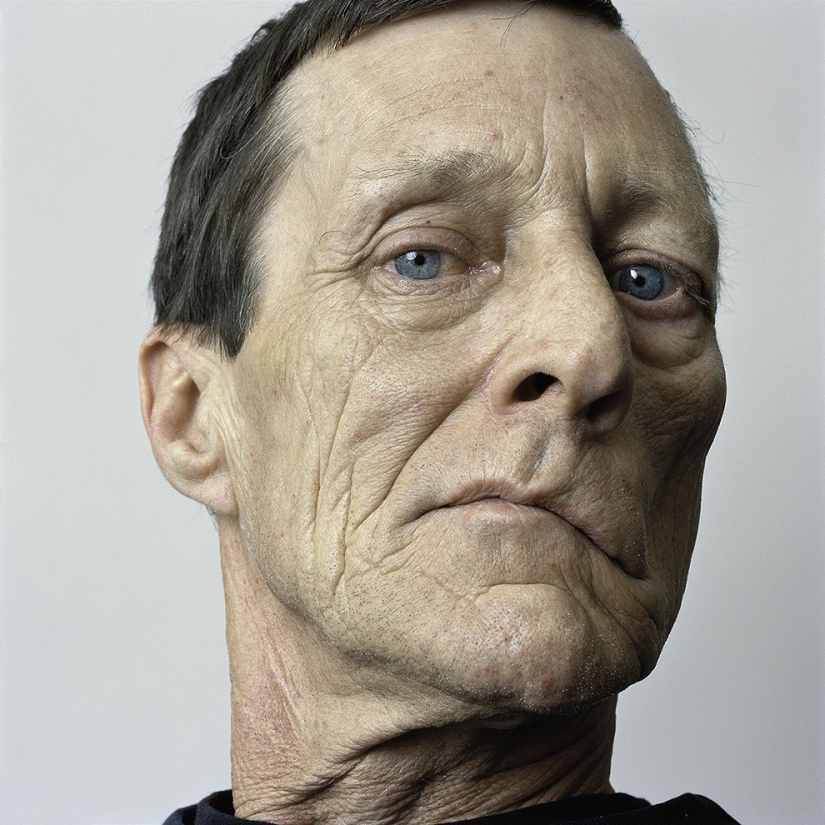
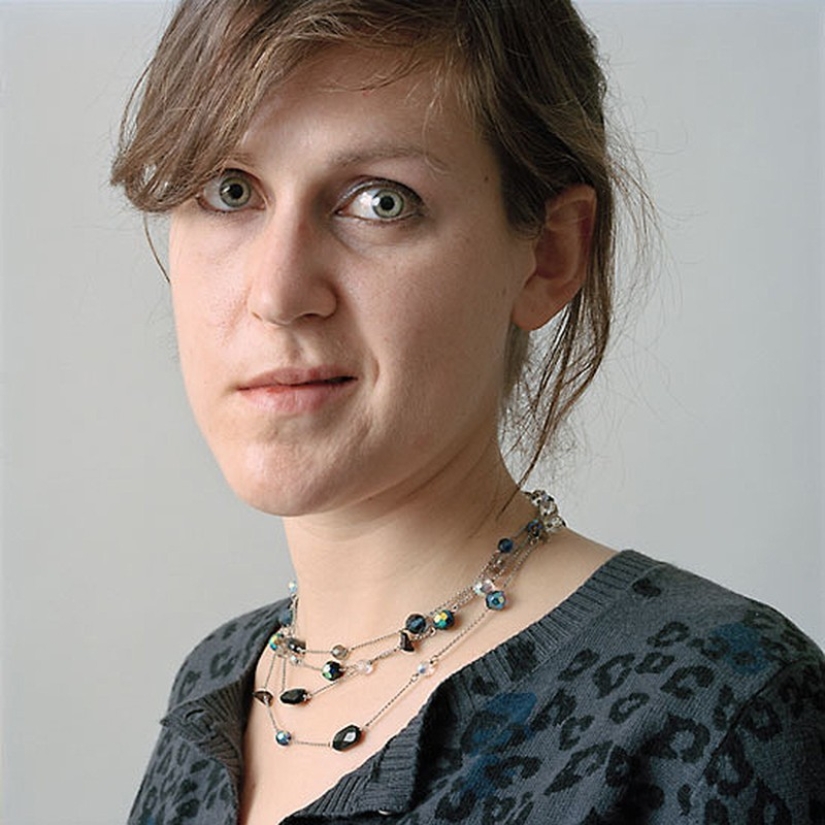
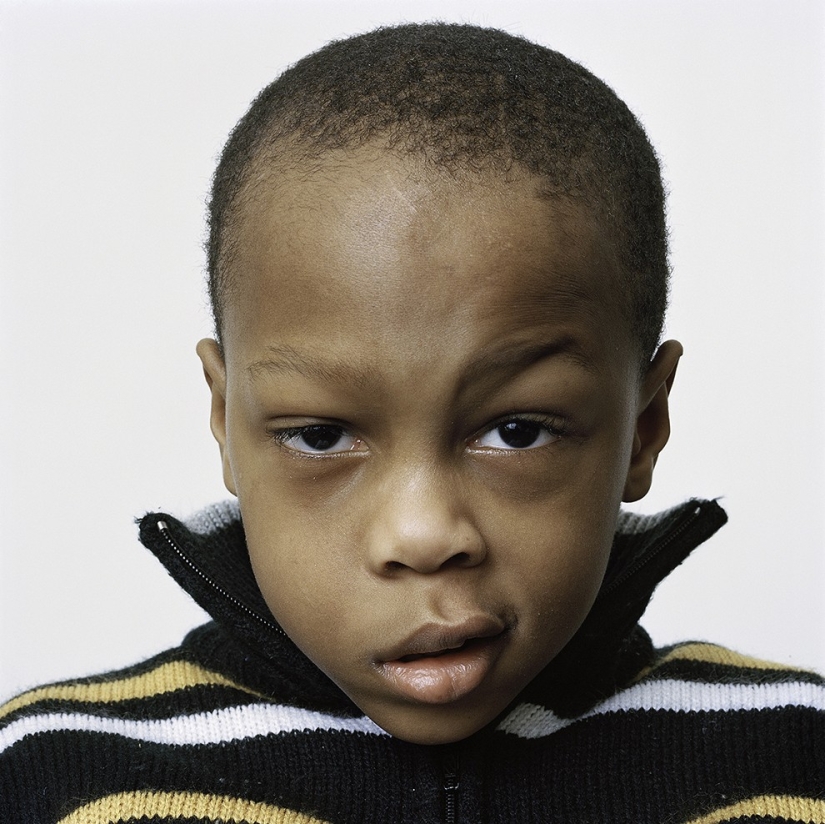
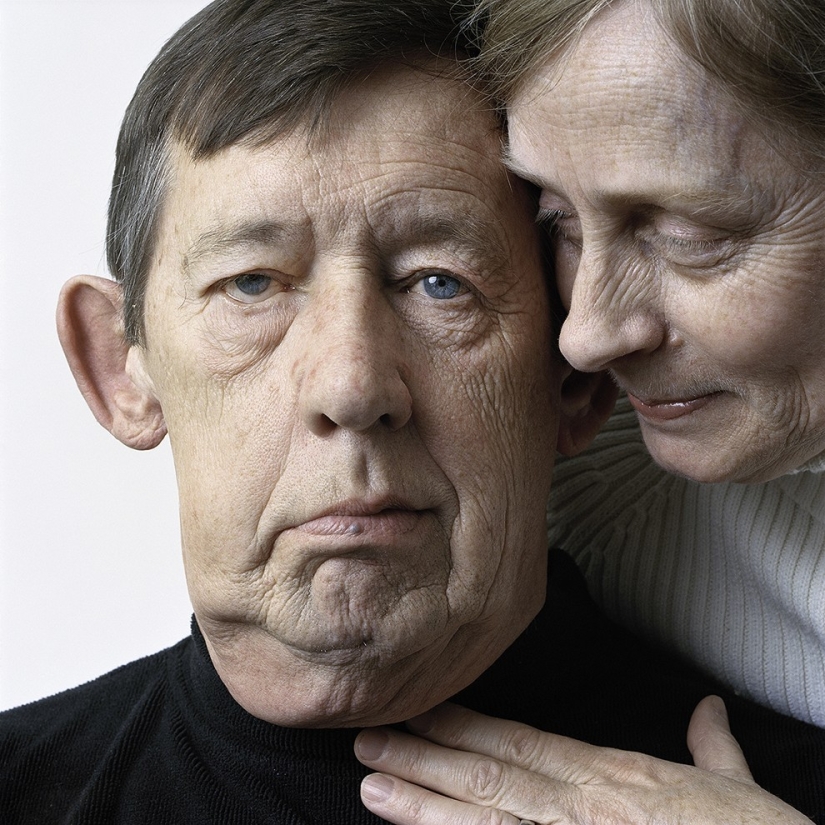
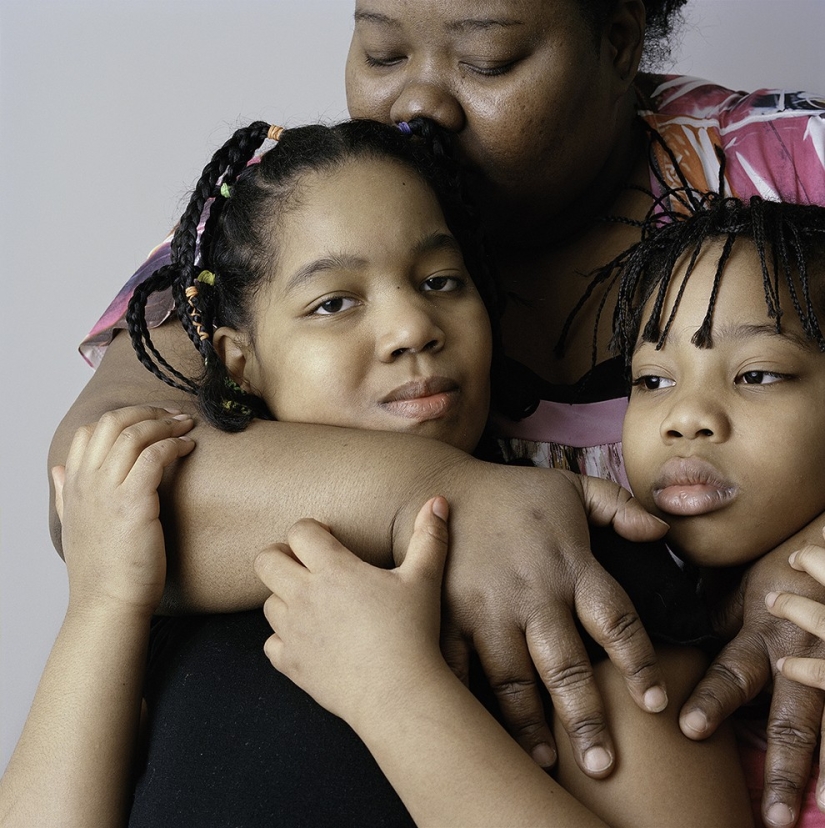
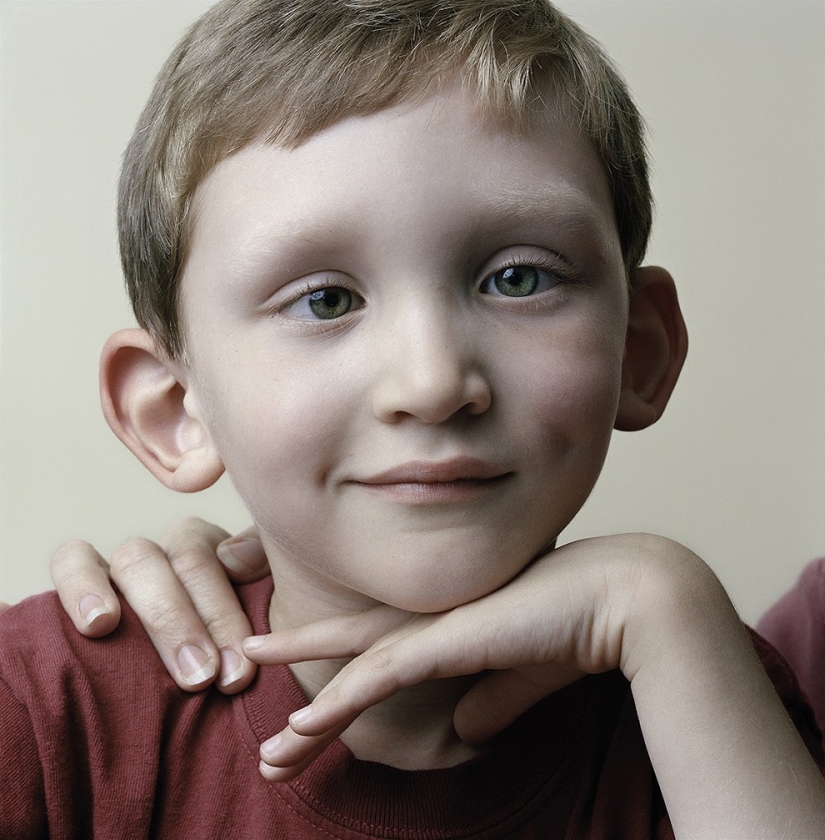
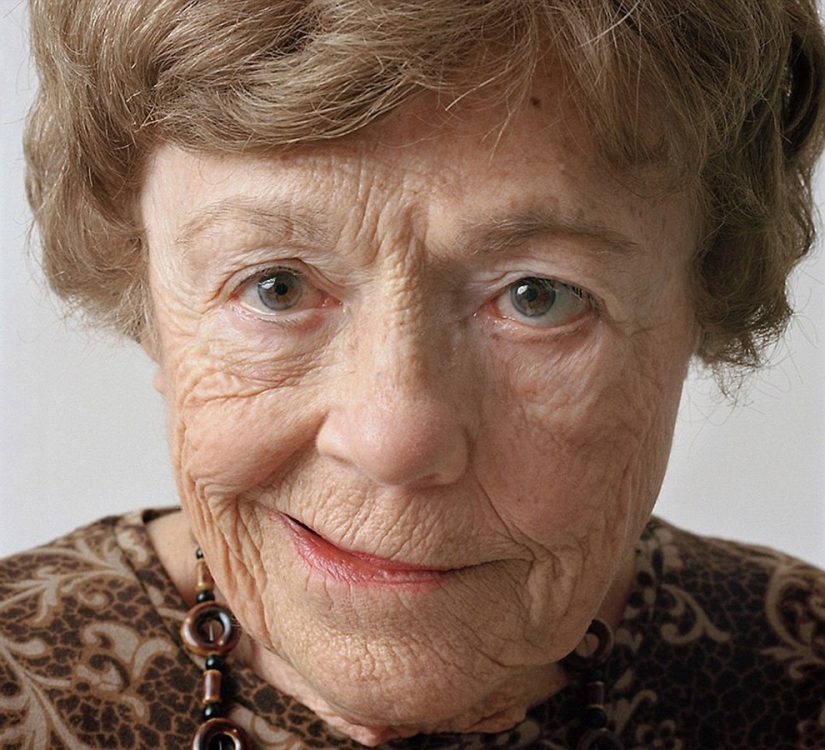
By Pictolic https://pictolic.com/article/about-face-photo-portraits-of-people-suffering-from-paralysis.htmlAmerican Sage Sohier has been engaged in photography for 30 years — since she received her bachelor's degree from Harvard. She spent three years in a clinic in Boston photographing people suffering from various degrees of facial nerve paralysis. The result was a photo project About Face.
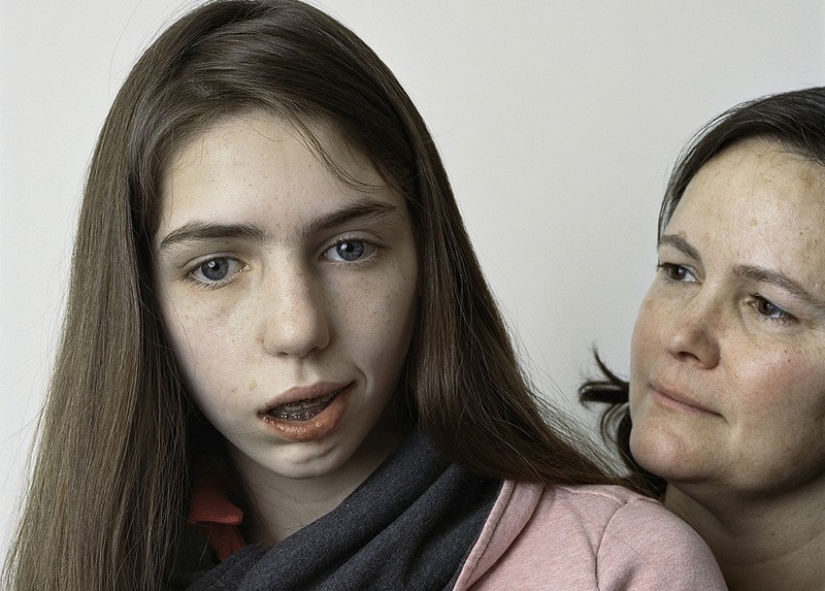
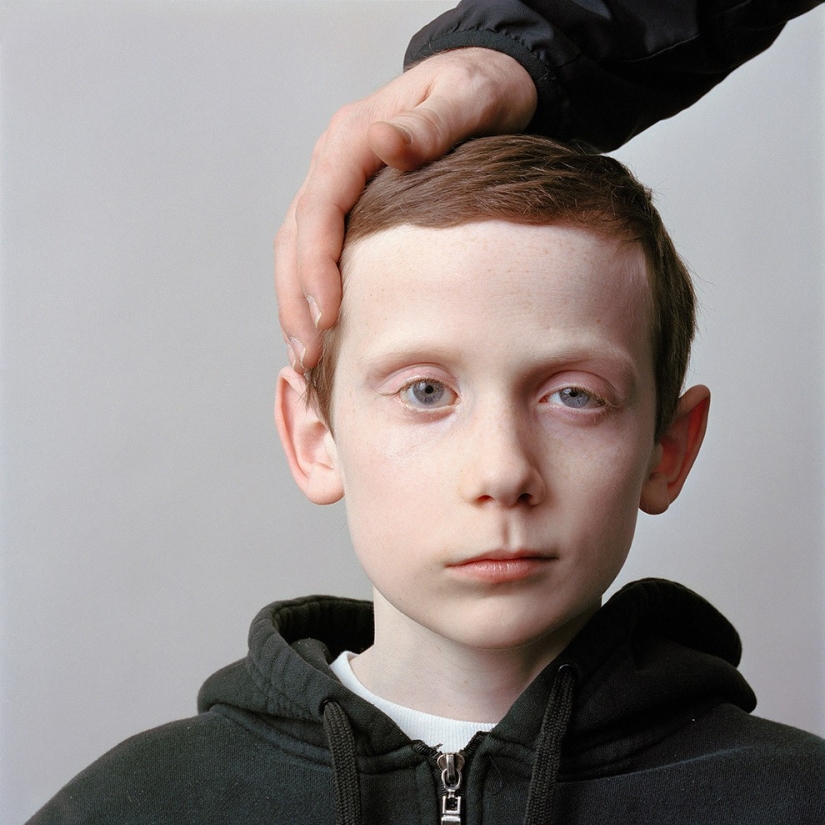
The causes of violations are different: Accidents, accidents, strokes and other disorders.
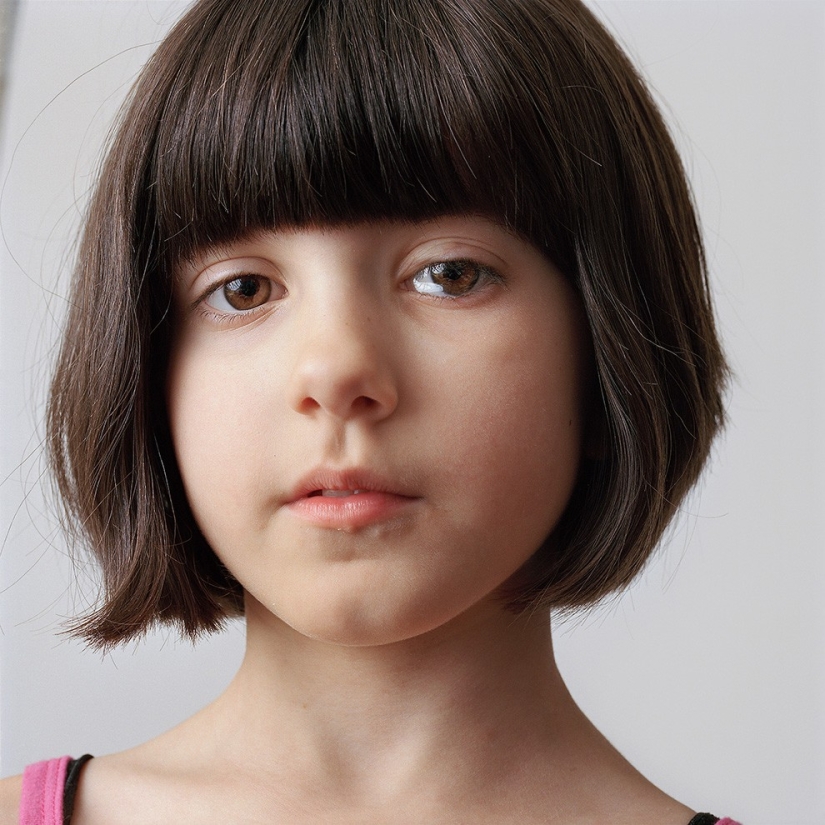
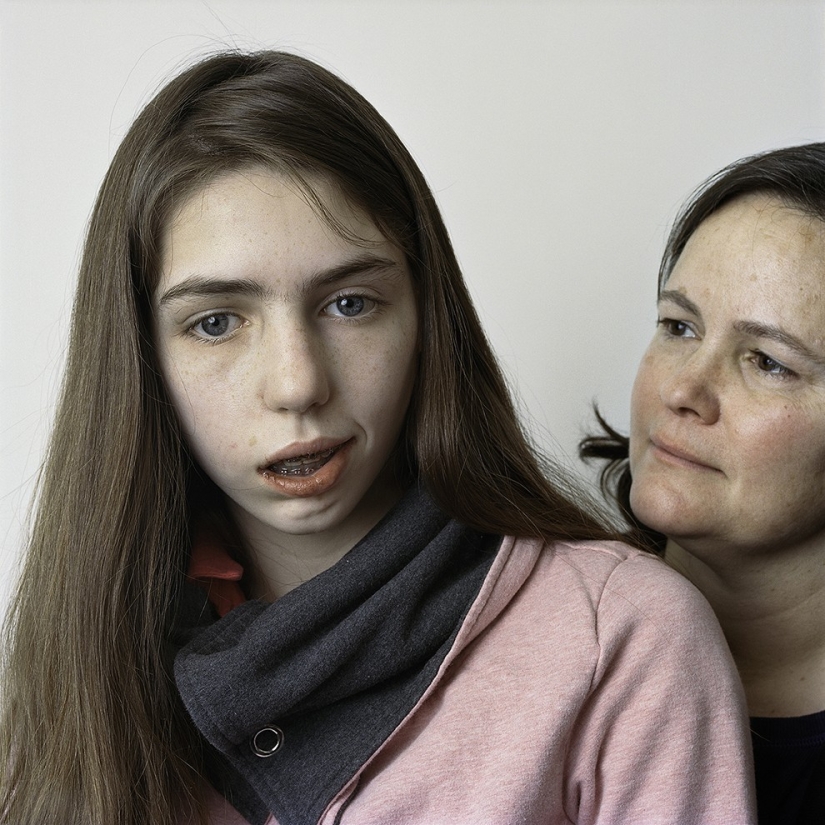
As a rule, paralysis affects only one part of the face.
Recent articles

20 restaurants that went too far in trying to be original
It's high time to admit that this whole hipster idea has gone too far. The concept has become so popular that even restaurants have ...

18 ingenious inventions, the authors of which should work in NASA
There is a perception that people only use 10% of their brain potential. But the heroes of our review, apparently, found a way to ...
New Year's is a time to surprise and delight loved ones not only with gifts but also with a unique presentation of the holiday ...