
A small but important detail: what are the rivets on the pockets of jeans for
Categories: Fashion | Production | World
By Pictolic https://pictolic.com/article/a-small-but-important-detail-what-are-the-rivets-on-the-pockets-of-jeans-for.htmlJeans are universal clothing for both women and men. They are ideal for everyday wear, and are great for going to a restaurant if you combine them with an elegant top and beautiful accessories. At first glance, everything is simple: trousers are like trousers. But jeans are fraught with little secrets. For example, have you ever wondered what the buttons on the pockets are for? Today we will tell you about it.

Jeans are always fashionable and practical. Everyone loves them - from ordinary workers to glamorous stars. But, although jeans can be found in almost every closet, few people think about what the little buttons on their pockets are for.

It turns out that metal rivets are not only decorative, but also a functional detail. They were one of the important parts of jeans that Jacob Davis and Levi Strauss, the founders of the legendary jeans company Levi Strauss & Co, began producing in 1873.
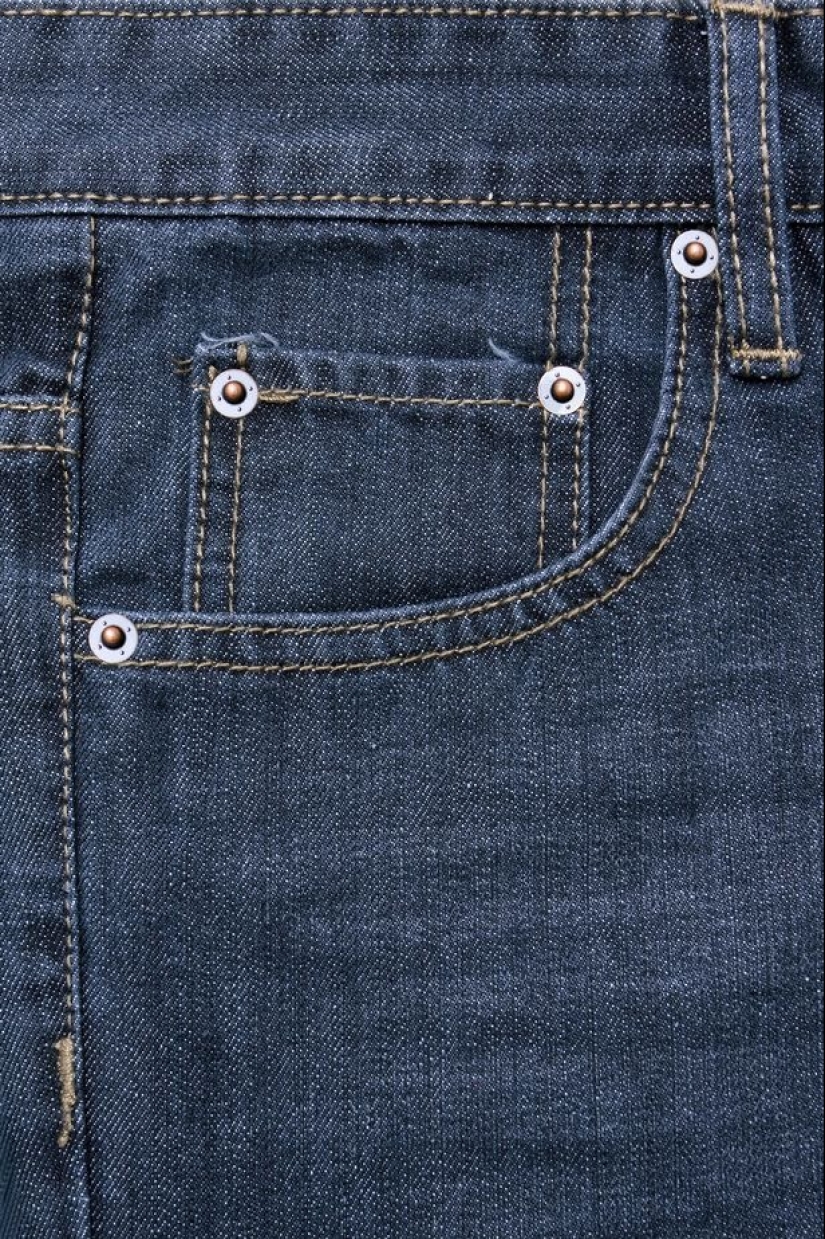
The rivets were put so that the jeans would hold better in those places where they could come apart at the seams most quickly — on the pockets. Levi Strauss & Co even received a separate patent for them. Thus, jeans created as work clothes were worn longer and torn less often.
The tradition of putting rivets on pockets is still alive today. They, as before, serve for a stronger connection of seams and prolong the wear of your favorite jeans.
Jeans have gone through a whole evolution over the last century. From exclusively working clothes, they have become a favorite part of the wardrobe of the entire population of the globe.
Recent articles

It's high time to admit that this whole hipster idea has gone too far. The concept has become so popular that even restaurants have ...

There is a perception that people only use 10% of their brain potential. But the heroes of our review, apparently, found a way to ...
New Year's is a time to surprise and delight loved ones not only with gifts but also with a unique presentation of the holiday ...