
10 facts about money
Categories: World
By Pictolic https://pictolic.com/article/10-facts-about-money.htmlDo you know where the name "kopeyka" came from? On the silver money that Ivan the Terrible ordered minted, there was an image of the Grand Duke with a spear in his hand, and Ivan personally ordered them to be called "kopeyka money". Today - what we did not know about money, namely - about coins.
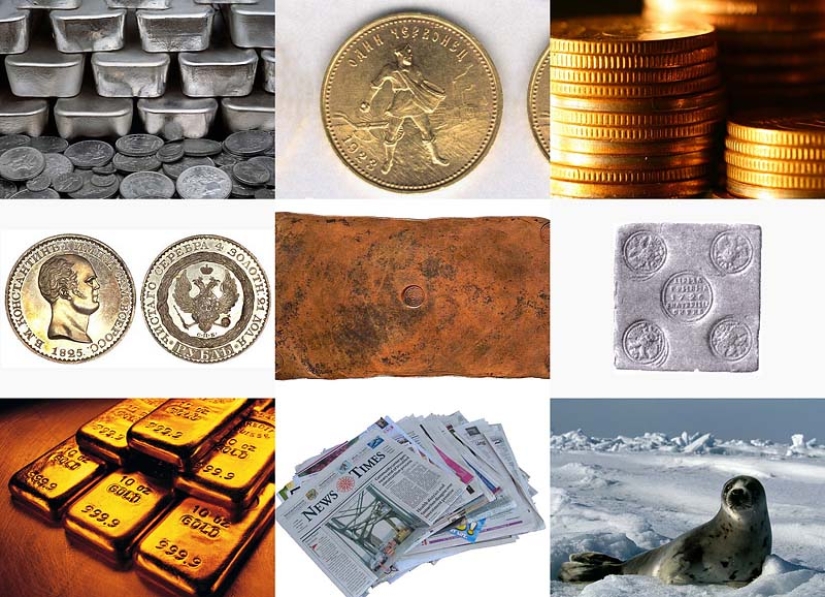
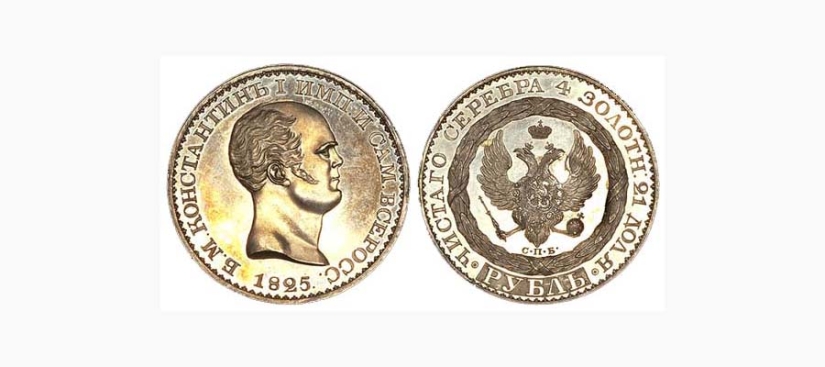 1. Can money ever be useless? It's hard to believe, but Russia had the most useless coins in history. In 1825, after the death of Alexander I, but before the next coronation (when no one knew yet who would take the Russian throne), a trial coin was minted with the image of Alexander's eldest son, Constantine. However, Constantine abdicated the throne in favor of his brother Nicholas, and the entire circulation of the coins had to be melted down.
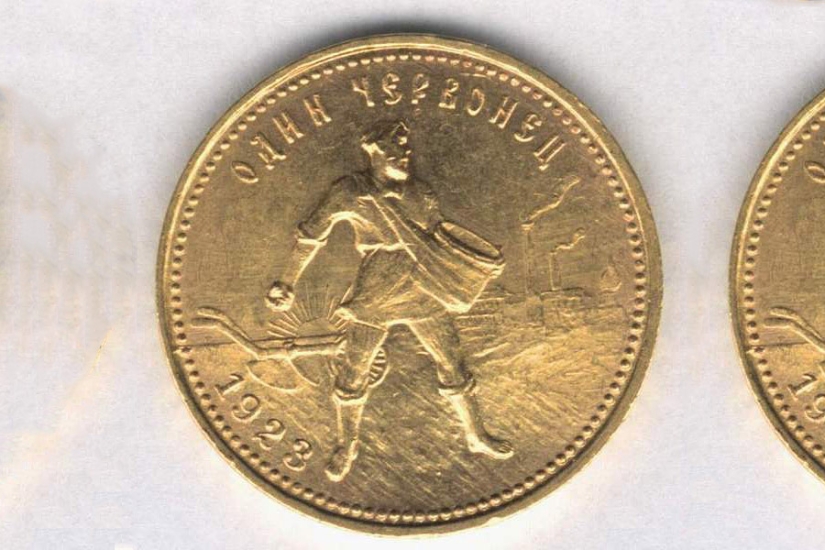 2. The only Soviet gold coin. This is the gold Soviet chervonets. Gold chervonets began to be minted in 1923, and it was the only hard currency in Soviet history. By the way, the minting of these chervonets continued until the 80s.
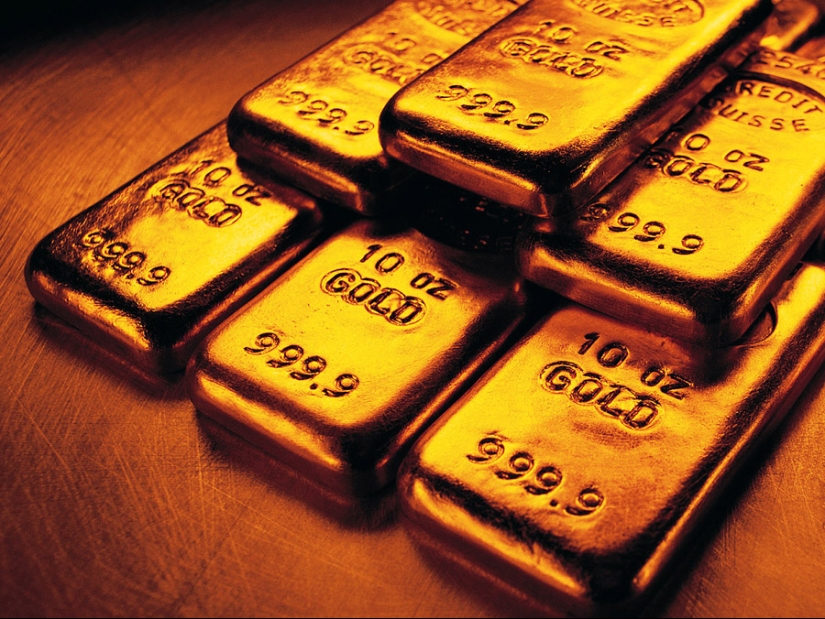 3. The heaviest Russian gold coin. This is an imperial minted by order of Catherine II. It was equal to 10 rubles and weighed 11.61 grams. The heaviest modern gold coin was issued in China, it weighs 5 kg.
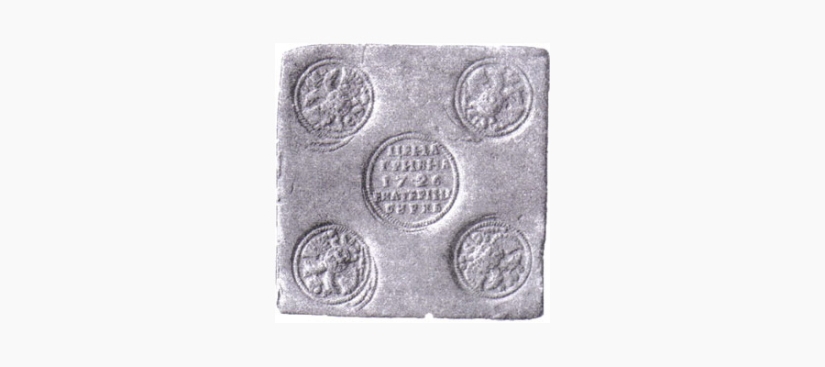 4. The largest Russian coin was issued by order of Catherine I in 1725. It is a huge square copper ruble measuring 18x18 centimeters and 5 millimeters thick. The coin weighed 1 kilogram 636 grams! The largest modern silver coin was issued in Russia in 1999. It weighs 3000 grams.
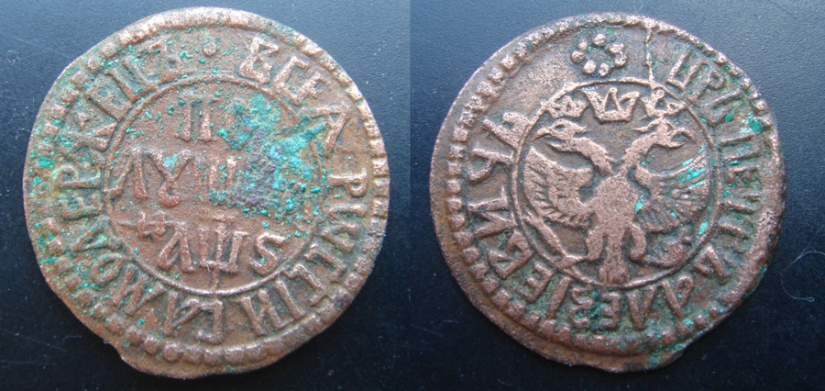 5. The smallest Russian coin in terms of value and weight. It was called a half-denga. A half-denga was equal to ¼ kopeck and weighed only 0.17 grams.
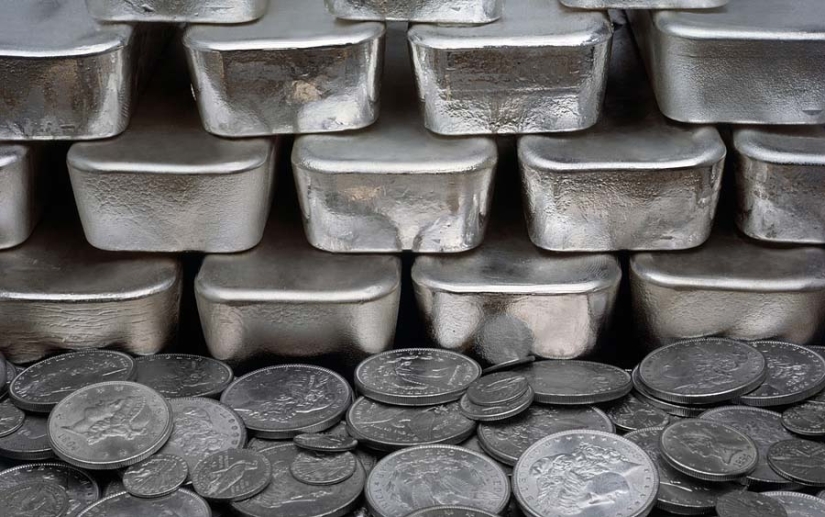 6. The largest amount ever paid for a single coin was $314,000. A silver decadrachm from ancient Athens was sold for that amount at an auction in Zurich.
 7. The largest coin by value was an Indian gold coin of 200 mohurs, minted in 1654, weighing 2 kilograms 177 grams and 136 millimeters in diameter. An imprint of the coin is kept in the British Museum in London. The only known example of the coin disappeared in the Indian state of Bihar in 1810.
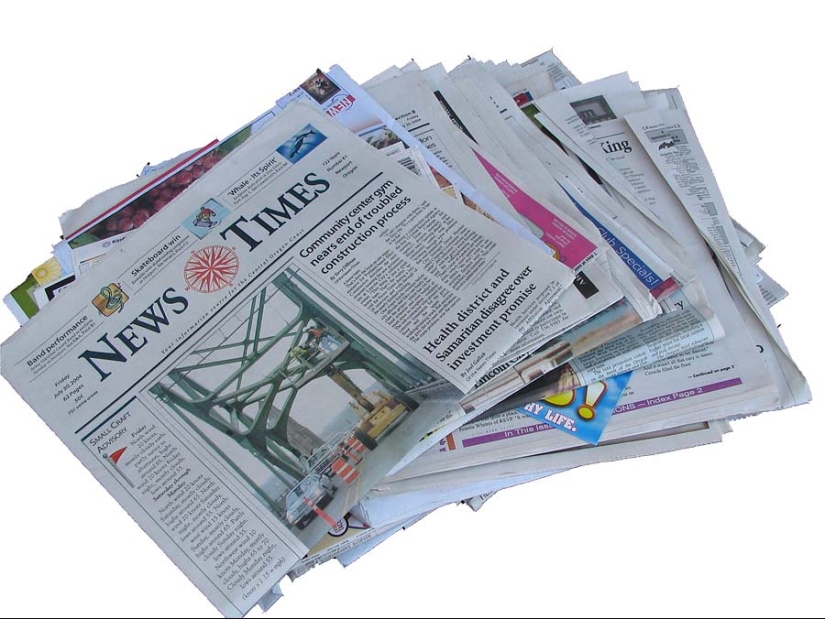 8. The strangest name has a Venetian coin of the sixteenth century. It is called a newspaper. And, by the way, it was the first one, and newspapers appeared later. In 1556, the first printed publication (Written News) appeared in Venice, and its value was determined as one newspaper. People got so used to it that the name of the coin was transferred to the name of the publication.
 9. Money made from the most unusual material. At the beginning of the 19th century, the Russian-American Company in Alaska issued leather money. The issue in the amount of 10 thousand units for the amount of 42 thousand rubles was printed on seal skin and was in circulation until 1826. Now one leather coin from those issues costs as much as the same weight of gold.
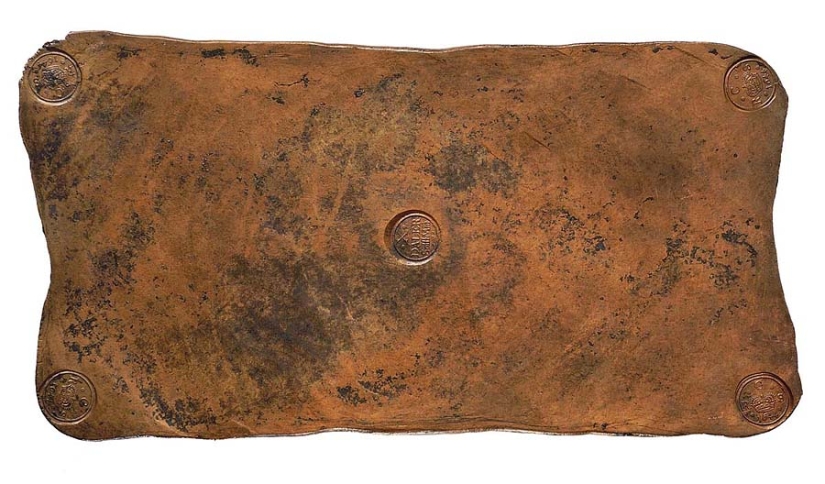 10. The heaviest metal coins are considered to be the Swedish rectangular copper coins worth 10 dalers, which were issued in the 18th century. One such coin weighs 19 kilograms 710 grams, and has the royal seal imprinted on the corners.
Recent articles

It's high time to admit that this whole hipster idea has gone too far. The concept has become so popular that even restaurants have ...

There is a perception that people only use 10% of their brain potential. But the heroes of our review, apparently, found a way to ...
New Year's is a time to surprise and delight loved ones not only with gifts but also with a unique presentation of the holiday ...